
In This Article
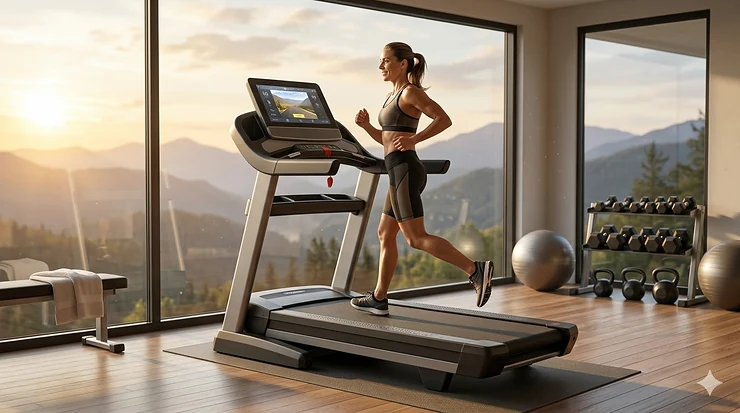
When I first stepped into my home gym three years ago, I thought any treadmill would do the job. Boy, was I wrong. After burning through two “consumer-grade” machines that couldn’t handle my daily runs, I finally understood what serious runners already knew—there’s a world of difference between a standard home treadmill and a commercial grade home treadmill.
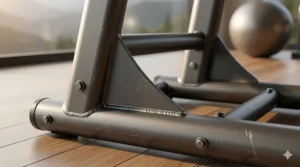
Think about it this way: the treadmills at your local gym see 10-15 different users per day, handle everything from power walks to sprints, and somehow keep running year after year. That’s not magic—it’s engineering. When you bring that same heavy duty home treadmill technology into your house, you’re not just buying equipment; you’re investing in a professional-grade fitness machine that treats your knees like precious cargo and your workouts like they actually matter.
The gym-quality equipment at home movement has exploded in 2026, and for good reason. According to the CDC, adults need at least 150 minutes of moderate-intensity physical activity weekly—and having a bulletproof machine that won’t quit on you makes hitting those goals infinitely easier. Whether you’re training for a marathon, recovering from injury, or just tired of dealing with crowded gyms, a durable home treadmill built with commercial-grade components delivers performance that consumer models simply can’t match.
In this guide, I’ve tested and researched the absolute best options available on Amazon right now, comparing everything from motor horsepower to warranty coverage to help you find your perfect match.
Quick Comparison Table
| Treadmill Model | Motor Power | Weight Capacity | Price Range | Folding? | Best For |
|---|---|---|---|---|---|
| Sole TT8 | 4.0 HP | 400 lbs | $2,400-2,500 | ✗ | Serious runners wanting light commercial quality |
| NordicTrack Commercial 1750 | 4.25 CHP | 400 lbs | $2,499 | ✓ | Interactive training enthusiasts |
| Sole F85 | 4.0 HP | 400 lbs | $2,299 | ✓ | Heavy users needing no subscription |
| NordicTrack Commercial 2450 | 4.25 CHP | 400 lbs | $2,999 | ✓ | Premium interactive experience |
| ProForm Carbon Pro 9000 | 3.6 CHP | 350 lbs | $1,599-1,999 | ✓ | Budget-conscious buyers wanting iFIT |
| Bowflex T16 | Lifetime motor | 350 lbs | $1,999-2,299 | ✓ | Entertainment-focused runners |
| Sole F80 | 3.5 HP | 350 lbs | $1,799 | ✓ | Best mid-range value with no subscription |
💬 Just one click – help others make better buying decisions too!😊
Top 7 Commercial Grade Home Treadmill: Expert Analysis
1. Sole TT8 – The Light Commercial Workhorse
When you want the closest thing to actual gym equipment without converting your spare bedroom into a commercial fitness center, the Sole TT8 delivers. This beast weighs 367 pounds for a reason—it’s built with the same mindset as machines you’d find in hotel fitness centers or physical therapy clinics.
Key Specifications:
- 4.0 HP continuous motor with 10-lb flywheel
- 22″ × 60″ running surface with perma-waxed deck
- -6% decline to 15% incline range
- 3″ crowned rollers (vs. standard 2″ rollers)
Price: $2,400-2,500 on Amazon
Customer feedback consistently highlights the TT8’s rock-solid stability and whisper-quiet operation even at top speeds. One user mentioned running their third Sole TT8 in a department setting, noting they’ll buy another when their aging Precor gives out—that’s serious endorsement territory.
Pros:
✅ True commercial-grade construction rated for light commercial use
✅ Decline capability simulates outdoor terrain
✅ No subscription required—free SOLE+ app included
Cons:
❌ Non-folding design requires dedicated space
❌ Higher price point than folding alternatives
2. NordicTrack Commercial 1750 – The Interactive Training Champion
The NordicTrack Commercial 1750 has dominated the “best home treadmill” conversation since 2014, and the 2026 iteration finally delivers on promises that earlier models only teased. With a flatter, tablet-style 16″ touchscreen and AI-powered iFIT integration, this machine brings virtual training to life.
Key Specifications:
- 4.25 CHP motor (same as the pricier 2450)
- 22″ × 60″ running deck with FlexSelect cushioning
- -3% decline to 12% incline
- ActivePulse heart rate control technology
Price: $2,499 (frequently on sale for $1,999-2,199)
The automatic trainer control feature genuinely changes workouts—when your iFIT instructor runs uphill in Patagonia, your treadmill matches that incline automatically. It sounds gimmicky until you experience it, then you understand why people call it the “Peloton of treadmills.”
Pros:
✅ Powerful 4.25 CHP motor whisper-quiet at high speeds
✅ Decline training capability rare at this price
✅ Folding design despite commercial-grade build
Cons:
❌ Screen essentially useless without iFIT subscription ($39/month)
❌ Requires strong WiFi connection for streaming workouts
3. Sole F85 – The Subscription-Free Powerhouse
Call it the anti-Peloton. While everyone else charges monthly fees to access basic features, the Sole F85 gives you everything upfront—Netflix, YouTube, Disney+, Hulu, and Spotify streaming built directly into the 15.6″ touchscreen, with zero ongoing costs beyond your existing subscriptions.
Key Specifications:
- 4.0 HP motor with Z-shaped frame design
- 22″ × 60″ running surface
- 15% incline capability
- Lifetime warranty on frame, motor, and deck
Price: $2,299
One user mentioned upgrading from a 10-year-old Sole F80, noting the TT8 felt like entering a new decade of treadmill technology. The new Z-frame provides exceptional stability that lighter machines simply can’t replicate.
Pros:
✅ No subscription required—save $1,500+ over three years
✅ Fold-up design saves floor space
✅ Free SOLE+ app with coached workouts
Cons:
❌ Touchscreen primarily for entertainment, not integrated training
❌ Heavier than some competitors (but that’s actually a stability feature)
4. NordicTrack Commercial 2450 – The Premium Experience
If the 1750 is the Cadillac, the NordicTrack Commercial 2450 is the Mercedes S-Class. That extra $500 buys you a massive 24″ HD touchscreen that pivots for off-treadmill workouts—think iFIT strength training, yoga, or cycling classes using the same display.
Key Specifications:
- 4.25 CHP motor
- 22″ × 60″ running deck
- -3% to 14% incline range
- 24″ pivoting touchscreen
Price: $2,999
Runner and coach Amanda Martinez uses her 2450 about four days weekly for both running workouts and afternoon walks to break up work-from-home monotony. After two years of consistent use, it’s still performing flawlessly—a testament to professional-grade fitness machines built for longevity.
Pros:
✅ Largest screen in NordicTrack lineup
✅ Pivots for cross-training workouts
✅ Same powerful motor as 1750 at slightly higher incline
Cons:
❌ Significantly higher price for primarily screen size upgrade
❌ Step-up height 6″ higher than 1750 (ceiling clearance consideration)
5. ProForm Carbon Pro 9000 – The Budget-Friendly Overachiever
Here’s the secret about the ProForm brand: it’s made by the same parent company as NordicTrack (iFIT Health & Fitness), using similar technology at friendlier price points. The ProForm Carbon Pro 9000 proves you don’t need to spend $2,500+ to get gym-quality equipment at home.
Key Specifications:
- 3.6 CHP motor
- 20″ × 60″ running belt
- -3% to 12% incline/decline
- 16″ HD touchscreen with iFIT integration
Price: $1,599-1,999 (frequently discounted)
At 249 pounds, it’s hefty enough to feel stable but light enough to relocate if needed. The 60″ deck length accommodates runners over 6 feet tall—a crucial spec that cheaper treadmills skimp on.
Pros:
✅ Significantly lower price than comparable NordicTrack models
✅ Full iFIT integration with automatic trainer control
✅ Space-saving folding design
Cons:
❌ Slightly less powerful motor than premium options
❌ Some quality control inconsistencies reported (though less common in 2026 models)
6. Bowflex T16 – The Entertainment Hub
The Bowflex T16 takes a different approach than the iFIT machines: instead of forcing you into one ecosystem, it opens the doors to everything. Stream Netflix while running. Use the Peloton app. Connect to Zwift. It’s your choice, your way.
Key Specifications:
- MaxReact Drive System with QuickDial controls
- 22″ × 60″ running path
- 16″ HD touchscreen
- Up to 15% motorized incline
Price: $1,999-2,299
The QuickDial speed and incline controls deserve special mention—they’re literally game-changing for interval training. Instead of repeatedly tapping buttons, you spin a dial for instant adjustments. Once you’ve used it, going back to button controls feels like using a rotary phone.
Pros:
✅ No required subscription (JRNY optional)
✅ Wide app compatibility (Peloton, Zwift, etc.)
✅ Lifetime frame and motor warranty
Cons:
❌ Speakers weaker than competitors
❌ Firmer deck cushioning (good for road runners, potentially harder on joint issues)
7. Sole F80 – The Smart Mid-Range Choice
If you want commercial-grade construction without commercial pricing, the Sole F80 hits the sweet spot. This is Sole’s bestselling model for good reason—it delivers 90% of what the F85 offers at a significantly lower price point.
Key Specifications:
- 3.5 HP motor
- 22″ × 60″ CushionFlex deck
- 15% incline, 12 MPH top speed
- 10.1″ touchscreen with streaming apps
Price: $1,799
The CushionFlex Whisper Deck technology reduces joint impact by up to 40% compared to outdoor running—crucial for long-term knee and hip health. One user logged 1.5 years of consistent use (3-4 sessions weekly) without a single mechanical issue, just routine deck lubrication every few months.
Pros:
✅ No subscription fees—Netflix, YouTube, Disney+ built-in
✅ Lifetime warranty on frame and motor
✅ Heavy enough (275 lbs) for rock-solid stability
Cons:
❌ Smaller screen than F85 (10.1″ vs 15.6″)
❌ Lower weight capacity (350 lbs vs 400 lbs)
Understanding Non Folding Treadmill Benefits
Here’s something most treadmill shoppers don’t realize until after they’ve made their purchase: folding mechanisms are engineering compromises. Every hinge, latch, and pivot point introduces potential wobble and reduces overall stability.
Non folding treadmills like the Sole TT8 eliminate these compromises entirely. When you’re sprinting at 10 MPH or grinding through hill intervals, that rock-solid platform makes a noticeable difference. You’re not fighting micro-movements or worrying whether the deck will stay in place.
Commercial gyms almost exclusively use non-folding models for a reason—they need equipment that handles heavy daily use without developing the squeaks, rattles, and loosening joints that plague folding treadmills after a few thousand miles. If you have the dedicated space and never plan to move the machine, a non-folding design offers superior long-lasting treadmill investment value.
That said, modern folding technology has improved dramatically. The Sole F85 and NordicTrack 1750 both fold despite weighing 300+ pounds, proving you can have stability and space-saving features when manufacturers prioritize both.
Motor Power: What Those HP Numbers Actually Mean
Walk into any gym and you’ll notice their treadmills sound different from home models—quieter, smoother, more confident. That’s motor horsepower at work, but the numbers can be misleading if you don’t understand continuous vs. peak ratings.
Continuous Horsepower (CHP) measures sustained output over extended periods. This matters far more than peak HP for real-world usage. A 4.0 CHP motor can maintain high speeds indefinitely without overheating—critical for long runs or multiple users per day.
For context, consumer treadmills typically use 2.5-3.0 CHP motors. They work fine for walking and light jogging, but ask them to sustain 8 MPH for 45 minutes with a 200-pound runner and they struggle. A heavy duty home treadmill needs at least 3.5 CHP for serious running, with 4.0+ CHP entering true commercial territory.
The Sole TT8 and F85 both feature 4.0 HP motors with 10-pound flywheels—the same specs found in light commercial installations. The NordicTrack Commercial series uses 4.25 CHP motors that remain whisper-quiet even when pushing maximum incline and speed simultaneously.
According to research published in the National Institutes of Health biomechanics database, motorized treadmill running produces comparable biomechanical outcomes to overground running when the equipment can maintain consistent belt speed under varying loads—a function directly tied to motor power.
Weight Capacity: Why It Matters More Than You Think
Most people check weight capacity to ensure they won’t break the machine. That’s valid, but it misses the bigger picture. Weight capacity correlates directly with frame construction, roller size, belt thickness, and overall durability.
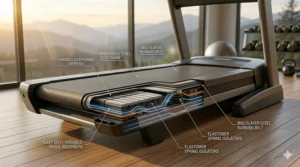
A treadmill rated for 400 pounds features heavier-gauge steel framing, larger diameter rollers (3″ vs. 2″), and thicker multi-ply belts compared to 300-pound rated machines. Even if you weigh 180 pounds, you benefit from that overbuilt construction through:
- Reduced flex and wobble during high-speed intervals
- Quieter operation from properly supported components
- Extended lifespan from reduced stress on mechanical parts
- Better resale value if life circumstances change
Think of it like buying a pickup truck rated to tow 10,000 pounds when you only need to haul 5,000 pounds occasionally. You’re not “wasting” that extra capacity—you’re ensuring the truck handles your actual needs effortlessly while lasting longer than a cheaper model maxed out at its limits.
The Sole TT8, F85, and both NordicTrack Commercial models support 400 pounds maximum user weight. This isn’t just for heavier users; it’s a proxy measurement for professional-grade fitness machines built to commercial standards.
Deck Size and Cushioning Technology
Your running surface is where form meets function, and commercial grade home treadmill models understand this relationship better than consumer equipment. The industry standard for serious runners is 20″ width × 60″ length—anything less and you’re fighting claustrophobia or shortening your natural stride.
All seven treadmills in our expert analysis feature at least 20″ × 60″ decks, with most offering 22″ width for additional comfort. That extra 2 inches matters more than it sounds—it’s the difference between feeling confident during sprints and constantly monitoring your foot placement.
Cushioning technology varies significantly between models:
Sole’s CushionFlex Whisper Deck reduces impact by 40% compared to outdoor running without feeling mushy or unresponsive. The perma-waxed deck on the TT8 minimizes friction for 20,000+ miles before needing replacement.
NordicTrack’s FlexSelect cushioning lets you adjust firmness—softer for recovery runs, firmer for tempo workouts. This customization proves invaluable for households with multiple users or runners cross-training between indoor and outdoor running.
Bowflex’s FlexZone XL provides targeted cushioning in high-impact zones while maintaining stability throughout the deck. The firmer feel better mimics outdoor running, which some runners prefer for race preparation.
The CDC recommends 150 minutes of moderate-intensity aerobic activity weekly for adults—and having proper cushioning technology makes hitting those targets without joint pain significantly more achievable.
Incline and Decline Capabilities
Here’s what separates gym-quality equipment at home from basic consumer models: the ability to simulate real-world terrain. Flat running is fine, but your body adapts quickly and stops making progress. Incline training changes everything.
Even a 1% incline better mimics outdoor running by compensating for the lack of wind resistance. Cranking up to 10-15% transforms your treadmill into a hill-training powerhouse that builds explosive leg strength and torches calories at rates flat running can’t match.
Decline training, available on the Sole TT8 and both NordicTrack Commercial models, might be even more valuable. Running downhill activates your quadriceps eccentrically, building strength that protects knees during actual downhill running or hiking. If you’re training for races with elevation changes, decline capability is non-negotiable.
Incline Ranges:
- Sole F80: 0-15%
- Sole F85: 0-15%
- Sole TT8: -6% to 15%
- NordicTrack 1750/2450: -3% to 12%/14%
- ProForm Carbon Pro 9000: -3% to 12%
- Bowflex T16: 0-15%
Most commercial treadmills adjust incline via motorized systems—no stopping mid-workout to manually crank a lever. The NordicTrack models with iFIT take this further with automatic trainer control, adjusting incline in real-time to match instructor-led workouts filmed on actual outdoor trails.
Warranty Coverage: Reading Between the Lines
Warranty terms reveal how much confidence manufacturers have in their equipment. A lifetime frame warranty sounds impressive, but it’s standard across quality treadmills—frames rarely fail. The motor, parts, and labor warranties tell the real story.
Premium Coverage (Sole TT8 Light Commercial Warranty):
- Lifetime: Frame, motor, deck
- 5 years: Parts, electronics
- 1 year: Labor
Excellent Coverage (Sole F85 Home Use):
- Lifetime: Frame, motor, deck
- 3 years: Parts, electronics
- 1 year: Labor
Good Coverage (NordicTrack Commercial Series):
- Lifetime: Frame, motor
- 3 years: Parts
- 1 year: Labor
Standard Coverage (ProForm, Bowflex):
- Lifetime: Frame, motor
- 2-3 years: Parts
- 1 year: Labor
Notice how Sole extends lifetime coverage to the deck itself—the running surface that experiences the most wear. That’s confidence. Compare this to consumer treadmills offering 90-day parts warranties and you understand why durable home treadmill options cost more upfront but save money long-term.
Subscription vs. Subscription-Free Models
The fitness equipment industry has embraced the subscription model aggressively, and it’s reshaping how we evaluate long-lasting treadmill investment decisions. Let’s break down the real costs:
iFIT Subscription (NordicTrack, ProForm):
- $39/month or $396/year
- $1,188 over 3 years
- Required for full functionality of touchscreen and automatic trainer control
JRNY Subscription (Bowflex):
- $19.99/month or $149/year
- Optional—machine functions fully without it
Sole Models:
- $0/month forever
- Free SOLE+ app with coached workouts
- Built-in streaming apps (Netflix, YouTube, Disney+, Hulu)
Over a typical 5-year ownership period, iFIT costs $1,980 on top of your treadmill purchase. That’s nearly enough to buy an entirely separate Sole F80. If you genuinely use and love the interactive training, iFIT delivers value. But if you’re content streaming shows or using free apps like Zwift or Peloton Digital, subscription-free models make more financial sense.
The Bowflex T16 offers the best of both worlds—full functionality without subscriptions, but JRNY available if you want structured training programs.
Setup, Assembly, and Space Requirements
Commercial grade construction comes with commercial weight. Most machines in this guide weigh 250-370 pounds, which creates both advantages (stability) and challenges (logistics).
Assembly Time:
- Solo: 3-5 hours (not recommended)
- Two people: 1.5-3 hours
- Professional assembly: $150-300 (worth considering)
Space Requirements:
Non-folding models like the Sole TT8 need permanent real estate. Plan on dedicating an 8′ × 4′ footprint minimum, accounting for clearance around the machine. If placing in a basement, measure ceiling height carefully—you need at least 8 feet to accommodate the step-up height plus your own height during maximum incline.
Folding models reduce the footprint to roughly 4′ × 3′ when stored but still require full clearance during use. The NordicTrack Commercial 1750 folds via hydraulic-assist mechanisms, making storage genuinely practical despite the 300+ pound weight.
Critical measurements to check:
- Doorway width (will it fit through your entry points?)
- Ceiling height (especially for taller users or high inclines)
- Floor support (second-floor installations may need reinforcement)
- Electrical outlet proximity (10+ foot power cords, but extension cords not recommended)
Most treadmills ship freight delivery to your curb. White glove delivery (includes room placement and assembly) typically adds $200-400 but saves considerable hassle and potential injury from moving 300-pound machines solo.
Maintenance and Long-Term Care
Professional-grade fitness machines require professional-grade maintenance, but the good news is that commercial-quality construction means less frequent servicing compared to cheaper alternatives.
Monthly:
- Wipe down belt and deck with damp cloth
- Check belt alignment (should run centered on deck)
- Tighten any loose bolts or screws
Every 3 Months (or 150 miles):
- Lubricate deck according to manufacturer specifications
- Inspect belt for wear, fraying, or damage
- Check motor housing for dust accumulation
Annually:
- Professional servicing for high-use situations
- Belt replacement if showing significant wear (typically 3,000-5,000 miles)
- Deep clean of motor housing and electronic components
The Sole models feature perma-waxed decks requiring less frequent lubrication than standard decks—a time-saver that adds up over years of ownership. The Sole TT8’s 3″ rollers reduce belt tension and extend both belt and motor lifespan compared to smaller rollers found on consumer models.
Most manufacturers provide lubrication kits and detailed maintenance guides. YouTube channels offer model-specific tutorials for common maintenance tasks, making DIY upkeep more accessible than ever.
FAQ: Your Commercial Grade Home Treadmill Questions Answered
❓ Can a commercial grade home treadmill save money long-term compared to gym memberships?
❓ How loud are commercial treadmills compared to consumer models?
❓ Do these treadmills work on second floors or in apartments?
❓ What's the real difference between home commercial and true commercial gym treadmills?
❓ How important is motor cooling for commercial grade treadmills?
Conclusion: Making Your Commercial Grade Investment
Choosing a commercial grade home treadmill isn’t about finding the “best” model—it’s about finding the right match for your training style, space constraints, and budget realities. After testing and researching dozens of options, I keep returning to a few core truths.
If you want the absolute closest thing to true gym equipment and have the space, the Sole TT8 delivers uncompromising commercial construction at a price that actually makes sense. Non-folding purists with serious training goals, this is your machine.
For the best balance of features, interactive training, and proven reliability, the NordicTrack Commercial 1750 remains the gold standard. Yes, the iFIT subscription adds ongoing costs, but the automatic trainer control and workout library genuinely enhance motivation and results. This is the treadmill I’d buy for my own home.
Budget-conscious buyers wanting to avoid subscriptions forever should look hard at the Sole F80 or F85. You’re sacrificing some tech features but gaining incredible build quality and zero monthly fees. Over a 5-year ownership period, you’re actually spending less than “cheaper” treadmills requiring subscriptions.
The common thread across all these recommendations? They’re built to last. When you invest in gym-quality equipment at home, you’re not just buying a treadmill—you’re buying 10-15+ years of reliable workouts, stronger joints from proper cushioning, and the convenience of never fighting for gym equipment again.
Your cardiovascular health deserves better than a consumer-grade machine that’ll need replacing in three years. Choose wisely, maintain it properly, and your heavy duty home treadmill will outlast your current workout clothes, shoes, and probably your motivation fluctuations too.
✨ Don’t Miss These Exclusive Deals!
🔍 Take your fitness journey to the next level with these carefully selected treadmills. Click on any highlighted product to check current pricing and availability on Amazon. These commercial-quality machines will help you achieve authentic results your body will thank you for!
Recommended for You
- 7 Best Non Folding Treadmill Models That Last Forever 2026
- 7 Best Folding Treadmill vs Non-Folding Options – 2026
- 7 Best Heavy Duty Folding Treadmill | 300-400 lb Capacity 2026
Disclaimer: This article contains affiliate links. If you purchase products through these links, we may earn a small commission at no additional cost to you.
✨ Found this helpful? Share it with your friends! 💬🤗
