
In This Article
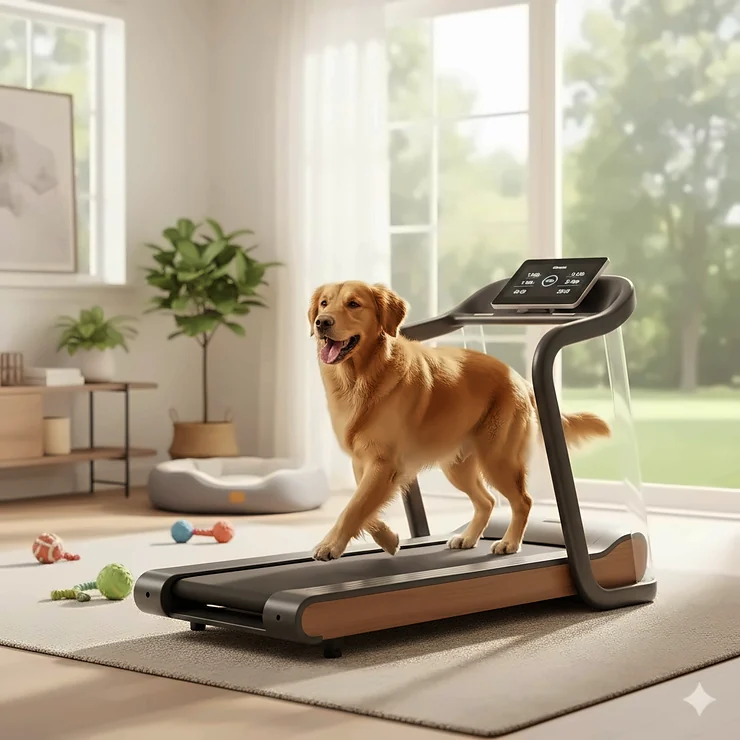
Listen, I get it. You see your dog lounging on the couch for the third hour straight, and you think, “Do I really need special equipment?” But here’s the thing – just like humans, dogs need structured exercise that challenges both their bodies and minds. The right dog fitness equipment transforms lazy afternoons into engaging workout sessions that strengthen muscles, improve coordination, and prevent those destructive behaviors that drive us all crazy.
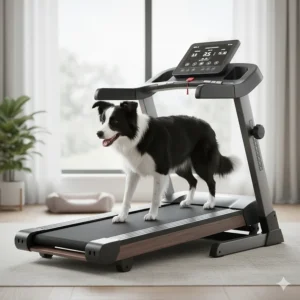
What exactly is dog fitness equipment? Simply put, it’s any specialized gear designed to provide structured physical activity for your canine companion. We’re talking balance platforms, agility obstacles, treadmills, and training aids that target specific muscle groups while keeping things fun. Think of it as your dog’s personal gym membership, except it’s right in your backyard.
The market’s exploded with options lately. From inflatable balance bones to high-tech treadmills with remote controls, there’s never been a better time to invest in your dog’s fitness. Whether you’ve got a hyperactive Border Collie who needs to burn off energy or a senior Labrador requiring low-impact joint support, canine fitness equipment offers solutions for every age, breed, and fitness level. And honestly? Your dog will thank you for it.
Quick Comparison Table
| Equipment Type | Best For | Price Range | Difficulty Level | Space Required |
|---|---|---|---|---|
| Balance Platforms | Core strength, coordination | $40-$90 | Beginner-Advanced | Minimal |
| Dog Treadmills | Cardio, weight management | $250-$1,400 | Beginner-Intermediate | Moderate-Large |
| Agility Sets | Mental stimulation, agility | $80-$180 | All levels | Large |
| Training Seesaws | Balance, confidence | $160-$220 | Advanced | Large |
| Balance Pads | Recovery, senior dogs | $60-$80 | Beginner | Minimal |
| Cavaletti Sets | Coordination, rehab | $50-$75 | Beginner-Intermediate | Moderate |
| Wobble Boards | Proprioception, stability | $75-$115 | Intermediate | Minimal |
💬 Just one click – help others make better buying decisions too! 😊
Top 7 Dog Fitness Equipment: Expert Analysis
1. FitPAWS K9FITbone Balance Training Platform
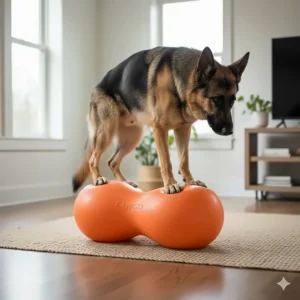
Here’s where I always start with clients – the FitPAWS K9FITbone. This bone-shaped balance platform is basically the Swiss Army knife of fitness equipment for dogs. Available in three sizes (Mini: 11.5″L, Regular: 23″L, Giant: 35.5″L), it’s constructed from professional-grade PVC with sensory bumps that provide neural stimulation.
Key Specifications:
- Weight capacity: Varies by size (Mini for toy breeds, Giant for large breeds)
- Two training surfaces: flat smooth and textured
- Adjustable difficulty via air inflation
- Includes free air pump
Price Range: $86-$95 (depending on size)
Customer Feedback: Users consistently praise its versatility and durability. One agility trainer mentioned using it for “rear-leg pivots, cavaletti setups, and show-stacking practice” with excellent results. Senior dog owners appreciate how it helps maintain stability as their pups age.
Pros:
✅ Multiple size options for all breeds
✅ Adjustable difficulty level
✅ Professional-grade construction
Cons:
❌ Requires inflation maintenance
❌ May be intimidating for nervous dogs initially
2. Better Sporting Dogs Complete Starter Agility Set
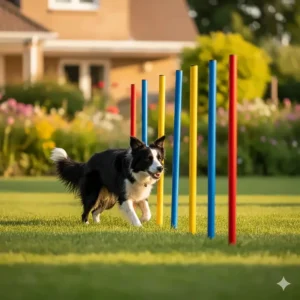
If you’re serious about getting your dog active, the Better Sporting Dogs 5-Piece Complete Starter Agility Set is where it’s at. This isn’t some flimsy toy – it’s a legitimate training system designed by actual agility competitors who got tired of expensive, complicated equipment.
What’s Included:
- 10-foot tunnel with sandbags (24″ diameter)
- Adjustable tire jump (ground to 34″ high)
- 26″ wide adjustable bar jump
- 6 fixed-base weave poles
- Pause box with carrying cases
Price Range: $110-$140
Customer Feedback: Buyers love the value proposition. One reviewer noted, “Bought this for my dog business as a starter and so far the dogs enjoy it.” Another appreciated that it’s “perfect for starting out especially since I’m not sure how serious I am about this sport.”
Pros:
✅ Complete system in one purchase
✅ Indoor and outdoor compatible
✅ Fixed-base weave poles enable 2X2 training method
Cons:
❌ Assembly required (some unique parts)
❌ Not competition-grade quality
3. FYC 2025 Quiet Dog Treadmill
Let’s talk about the elephant in the room – dog treadmills. The FYC 2025 New Quiet Dog Treadmill has become insanely popular for good reason. With a 2.5HP ultra-quiet motor and 265lbs capacity, it handles small, medium, and select large dogs without waking up the entire neighborhood.
Key Features:
- 6° incline capability
- Remote control operation
- Pre-set exercise programs
- LCD display tracking distance, time, calories
- Compact, foldable design
Price Range: $390-$570 (varies by model and features)
Customer Feedback: One Malinois owner shared, “This treadmill was a lifesaver for us. My dog has energy for days, and after daily walks, playing fetch, and playing with his brother, he still has energy to spare.” Multiple reviewers mention their dogs “line up for their turn” after initial training.
Pros:
✅ Whisper-quiet operation
✅ Weather-independent exercise solution
✅ Adjustable speed and incline
Cons:
❌ Higher price point
❌ Requires training period for dog acceptance
🛒 Ready to Transform Your Dog’s Fitness Routine?
These carefully selected products are game-changers for active dog owners. Click any highlighted equipment name to check current Amazon pricing, read more customer reviews, and grab exclusive deals before they’re gone! 🐕💪
4. TRIXIE Dog Agility Seesaw
The TRIXIE Dog Agility Training Seesaw separates casual trainers from serious ones. At 118.1″ long, this weather-resistant pine seesaw features color-marked contact zones and non-slip rubber coating – the same design principles used in competition courses.
Specifications:
- Dimensions: 118.1″L x 13.4″W x 21.3″H
- Weight: 42 lbs
- Material: Weather-resistant glazed pine
- Maximum capacity: Up to 176 lbs
Price Range: $160-$220
Customer Feedback: Reviews are mixed but informative. One satisfied customer wrote, “I was pleasantly surprised at how sturdy and well made this piece of equipment is.” However, some mention assembly challenges and that larger dogs cause faster tilting.
Pros:
✅ Competition-style training at home
✅ Builds confidence and balance
✅ Weather-resistant construction
Cons:
❌ Assembly can be time-consuming
❌ Large footprint requires dedicated space
5. FitPAWS Balance Pad
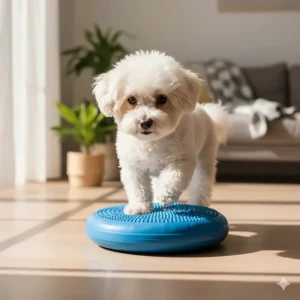
Don’t overlook the FitPAWS Balance Pad – it’s perfect for beginners and rehabilitation. This 18.25″ x 15″ x 2″ foam pad provides yielding support that challenges core muscles while remaining gentle on joints.
Key Benefits:
- Low-impact balance training
- Ideal for senior dogs or injury recovery
- Challenging enough for beginner core work
- Easy to clean and maintain
Price Range: $60-$75
Customer Feedback: Rehabilitation specialists and physical therapists frequently recommend this product. Users appreciate its versatility for both puppies learning body awareness and older dogs maintaining strength.
Pros:
✅ Gentle introduction to balance training
✅ Perfect for rehabilitation work
✅ Minimal setup required
Cons:
❌ May be too easy for advanced dogs
❌ Foam can compress over time with heavy use
6. FitPAWS TRAX Donut Balancing Kit
The FitPAWS TRAXDonut takes balance work up a notch. This inflatable donut-shaped platform offers 360-degree instability, forcing your dog to engage stabilizer muscles they didn’t even know they had.
Specifications:
- Inflatable design with adjustable firmness
- Anti-slip textured surface
- Available in multiple colors (Blue, Razzleberry)
- Product holder available separately for added stability
Price Range: $63-$75
Customer Feedback: Advanced trainers love this for conditioning work. One agility competitor noted it’s excellent for “building rear leg strength and stability.” Some users mention needing the separate product holder to prevent rolling.
Pros:
✅ Advanced balance challenge
✅ Compact storage when deflated
✅ Multiple difficulty settings via inflation
Cons:
❌ More challenging than bone-shaped alternatives
❌ May require additional product holder
7. FitPAWS FitKinect Modular Training System
The newest kid on the block is the FitPAWS FitKinect – a modular system with building blocks that create countless exercise configurations. Think LEGOs meets dog fitness.
What Makes It Special:
- 4-block or 8-block sets available
- Sturdy bricks with rubber grip
- Infinite setup possibilities
- Works for multiple dog sizes
Price Range: $85-$140 (depending on set size)
Customer Feedback: Recent reviews are overwhelmingly positive. Users mention “tons of ways to set it up” and appreciate using it for “rear-leg pivots, cavaletti setups, pop-up sit/down/stand reps.” Physical therapy professionals have adopted it for rehab work.
Pros:
✅ Extremely versatile setup options
✅ Suitable for various training disciplines
✅ Professional-quality construction
Cons:
❌ Smaller block size than expected by some
❌ 8-block set recommended but costs more
Understanding Different Types of Fitness Equipment for Dogs
Balance and Stability Tools 🎯
Balance equipment forms the foundation of canine fitness. These tools – including platforms, wobble boards, and discs – challenge your dog’s proprioception (body awareness in space). When your dog stands on an unstable surface, every muscle from nose to tail engages to maintain balance. It’s like yoga for dogs, building core strength and coordination simultaneously.
The beauty of balance work? It’s inherently low-impact yet highly effective. Senior dogs with arthritis benefit from gentle stability exercises that maintain muscle tone without stressing joints. Competition dogs use advanced balance challenges to develop the explosive power needed for agility courses. And therapy dogs use stability training to stay confident in unpredictable environments.
Agility and Obstacle Equipment 🏃
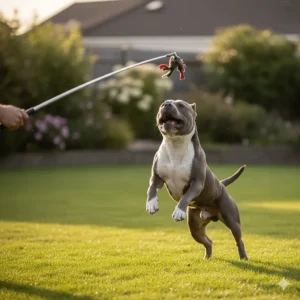
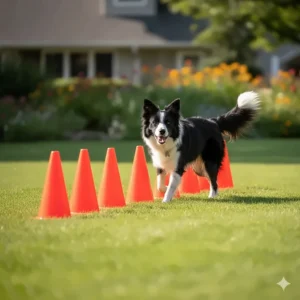
Agility equipment is where fitness meets fun. Tunnels, jumps, weave poles, and seesaws create obstacle courses that exercise both body and brain. Your dog isn’t just running – they’re problem-solving, following commands, and building confidence with every successful attempt.
What’s fascinating about agility training is its scalability. A puppy might practice with ground-level jumps, while an experienced agility dog navigates a full course at competition height. The mental stimulation often tires dogs out faster than physical exercise alone, making it perfect for high-energy breeds that need engagement beyond simple walks.
Cardiovascular Equipment 💓
Dog treadmills represent the ultimate weather-proof exercise solution. Whether it’s scorching summer heat, freezing winter snow, or torrential rain, treadmills deliver consistent cardio workouts. Modern designs feature ultra-quiet motors, adjustable speeds, and incline options that replicate outdoor terrain.
Don’t confuse dog treadmills with human ones – they’re specifically engineered for quadrupeds. The belt length accommodates a dog’s gait, the width provides stability, and safety features prevent accidents. Some models even include slatmills (non-motorized versions) where the dog’s movement powers the belt, offering natural pacing control.
How to Choose the Right Dog Fitness Equipment
Assess Your Dog’s Current Fitness Level 📊
Start with an honest evaluation. Can your dog walk a mile without exhaustion? Do they have any joint issues or mobility restrictions? A veterinary checkup should always precede any new fitness regimen, especially for senior dogs or breeds prone to hip dysplasia.
Beginner fitness levels call for gentle introductions – think balance pads and low jumps. Intermediate dogs can handle wobble boards and basic agility courses. Advanced athletes need challenging setups like seesaws, complex obstacle combinations, and sustained treadmill work. Matching equipment to ability prevents frustration and injury.
Consider Your Dog’s Size and Breed 🐕
Size matters tremendously in equipment for dogs. A Chihuahua on a platform designed for German Shepherds is dangerous, just as a Great Dane on toy-breed equipment risks damage. Always check weight capacities and dimensions before purchasing.
Breed characteristics also influence choices. Herding breeds (Border Collies, Australian Shepherds) excel at agility equipment requiring quick direction changes. Sporting breeds (Retrievers, Setters) often prefer treadmill work that mimics hunting endurance. Brachycephalic breeds (Bulldogs, Pugs) need careful monitoring with any cardiovascular equipment due to breathing limitations.
Evaluate Your Available Space 🏡
Be realistic about space. A full agility course needs serious real estate – think at least 20×40 feet for meaningful setups. Apartment dwellers might focus on compact options like balance platforms and pads that store easily. Treadmills require dedicated floor space plus clearance around all sides for safety.
Indoor vs. outdoor matters too. Weather-resistant equipment like the TRIXIE seesaw thrives outside, while balance platforms work anywhere with level surfaces. If you’re tight on space, prioritize versatile, multipurpose gear over specialized single-use items.
Budget Considerations 💰
Quality equipment for dogs ranges from budget-friendly to investment-level. Entry-level agility sets start around $80-$120, delivering solid value for beginners testing the waters. Mid-range balance equipment ($60-$150) offers professional-grade construction that lasts years. Premium treadmills ($400-$1,400) represent significant investments but solve weather-dependent exercise challenges permanently.
Consider cost per use. A $500 treadmill used daily for five years costs pennies per session. Cheap equipment requiring replacement every six months costs more long-term than quality gear purchased once. Read customer reviews carefully – warranty coverage and manufacturer support matter when problems arise.
Setting Up Your Home Dog Fitness Area
Indoor Setup Strategies 🏠
Creating an indoor workout space requires thoughtful planning. Choose a room with non-slip flooring – hardwood and tile can be hazardous when dogs leap and land. Exercise mats or yoga mats provide cushioning and traction. Ensure adequate clearance around equipment; your dog needs room to approach, use, and exit safely.
Lighting matters more than you’d think. Dogs respond better to well-lit spaces, and you need visibility to spot form errors or safety issues. Mirrors (if your dog isn’t reactive to their reflection) help you observe body mechanics from multiple angles, catching compensation patterns that signal potential injury.
Storage solutions keep indoor spaces functional. Wall-mounted racks store agility bars, while deflated balance equipment tucks into closets. Treadmills should remain accessible – if setup feels like a chore, you won’t use it consistently.
Outdoor Training Space Design 🌳
Outdoor spaces offer freedom and variety. Designate a specific training zone, preferably with level, obstacle-free ground. Grass provides natural cushioning, though artificial turf works well too. Avoid concrete whenever possible – repeated impact on hard surfaces stresses joints unnecessarily.
Weather-proof equipment extends usability. Pine agility obstacles handle rain if properly sealed with pet-safe wood preservative. Store fabric tunnels indoors between sessions to prevent mildew. Consider portable equipment that moves easily – training in different locations prevents your dog from becoming location-dependent.
Safety fencing is non-negotiable for high-drive dogs. Even well-trained dogs can bolt when distracted or overwhelmed. Six-foot fencing provides security without limiting visibility. Check regularly for gaps, sharp edges, or deterioration that could cause injury.
Training Techniques for Fitness Equipment
Introduction and Habituation 🎓
Never force a dog onto new equipment. Instead, make it the most interesting thing in the universe. Place it in a high-traffic area with zero pressure to interact. Toss treats near it. Let your dog investigate at their pace. Some dogs hop on immediately; others need days of casual exposure.
Progressive desensitization works wonders for hesitant dogs. Day one might involve treating your dog for looking at the equipment. Day two, stepping near it. Day three, touching it with a paw. Breaking down goals into micro-steps prevents overwhelming sensitive dogs and builds confidence systematically.
Positive associations are everything. Every interaction with equipment should end with something good – treats, play, praise. If your dog shows stress signals (yawning, lip licking, avoidance), you’ve pushed too fast. Back up several steps and rebuild confidence before progressing.
Building Duration and Complexity ⏱️
Start with ridiculously short sessions – 30 seconds on a balance platform counts as success. Gradually increase duration as your dog builds stamina and confidence. Five-minute sessions beat exhausting 30-minute marathons that create negative associations.
Add complexity strategically. Once your dog masters a single obstacle, introduce combinations. Navigate a tunnel, then immediately perform a jump. Link three obstacles into a sequence. Eventually, create courses requiring concentration and endurance.
Variable training prevents boredom and plateaus. Change obstacle arrangements regularly. Adjust jump heights. Alter balance platform inflation levels. Dogs thrive on novelty – the same setup every session becomes mentally stale even if physically challenging.
Benefits of Regular Fitness Training for Dogs
Physical Health Improvements 💪
The physical transformations from consistent fitness training are remarkable. Muscle tone improves, creating a lean, athletic appearance. Joint mobility increases as surrounding muscles strengthen, reducing arthritis symptoms in older dogs. Cardiovascular health improves, evidenced by faster recovery times and increased stamina.
Weight management becomes easier with structured exercise. Obesity affects over 50% of American dogs, contributing to diabetes, joint problems, and shortened lifespans. Regular workouts combined with proper nutrition reverse weight gain, adding years to your dog’s life expectancy.
Injury prevention might be the most underrated benefit. Strong core muscles stabilize the spine, protecting against back injuries common in long-bodied breeds. Improved proprioception helps dogs avoid missteps that cause sprains. Better overall fitness means faster recovery when injuries do occur.
Mental Stimulation and Behavioral Benefits 🧠
Physical exercise alone doesn’t tire high-energy breeds – they need mental challenges too. Fitness equipment provides both simultaneously. Figuring out how to navigate a wobble board or maintain balance on an inflatable bone engages problem-solving skills, providing cognitive stimulation that satisfies intelligent breeds.
Behavioral problems often stem from boredom and excess energy. Dogs exercising 30-60 minutes daily through structured fitness training show dramatically reduced destructive behaviors. They’re too mentally and physically tired to shred furniture or bark excessively. The focused training strengthens impulse control, improving overall obedience.
Confidence building through fitness work transforms nervous dogs. Each successful obstacle negotiation or balance achievement proves their capability, reducing anxiety in other contexts. Formerly fearful dogs become bold explorers, generalizing confidence from training to everyday life.
Bonding and Relationship Building ❤️
Training together creates unbreakable bonds. You become a team working toward shared goals. Your dog learns to trust your guidance, knowing you’ll never ask for something impossible. You learn to read subtle body language, recognizing stress or enthusiasm instantly.
The time investment demonstrates commitment that dogs recognize. Fifteen minutes of focused training means more than an hour of distracted walking while scrolling your phone. Quality interaction builds relationships, period.
Success celebrations amplify bonding. Throwing a party when your dog conquers a challenging obstacle – complete with treats, toys, and enthusiastic praise – creates joyful memories that strengthen your relationship permanently.
Safety Considerations and Injury Prevention
Pre-Exercise Health Checks ⚕️
Always start with a veterinary clearance, especially for dogs over seven years old or breeds prone to hereditary issues. Hip dysplasia, luxating patellas, and heart conditions can turn exercise dangerous. Your vet might recommend specific modifications or equipment types based on your dog’s health status.
Pre-training warm-ups prevent pulled muscles and sprains. Five minutes of gentle walking or light play increases blood flow to muscles, preparing them for work. Think of it as your dog’s version of dynamic stretching – essential for injury prevention.
Monitor during every session. Watch for limping, unusual hesitation, or changes in enthusiasm. Dogs hide pain remarkably well; subtle signs might be your only warning. Better to end a session early than push through and cause injury.
Equipment Inspection and Maintenance 🔧
Inspect equipment before every use. Check balance platforms for punctures or air loss. Examine agility jumps for loose connections or sharp edges. Test treadmill emergency stops. Five minutes of safety checks prevents catastrophic failures.
Clean equipment regularly. Outdoor gear accumulates dirt, debris, and potentially harmful bacteria. Indoor equipment collects hair, slobber, and oils from paws. Mild soap and water handle most cleaning; avoid harsh chemicals that might irritate your dog’s paws or skin.
Replace worn equipment promptly. Frayed tunnel fabric can tear suddenly, frightening dogs mid-training. Cracked balance platforms deflate unexpectedly. Loose agility jump bars fall at the worst moments. When equipment shows wear, retire or repair it immediately.
Recognizing Signs of Overexertion 🚨
Learn your dog’s limits. Heavy panting with a purple-tinged tongue signals overheating. Stumbling or decreased coordination indicates exhaustion. Refusal to perform familiar tasks means your dog’s telling you something – listen.
Age-appropriate exercise matters. Puppies shouldn’t perform high-impact jumps on developing joints. Senior dogs need gentler, shorter sessions with longer rest periods. Breed-specific considerations include brachycephalic breeds requiring careful monitoring during cardio work.
Rest days are training days. Muscles grow and strengthen during recovery, not during workouts. Overtraining causes breakdown and injury. Schedule at least two rest days weekly, more for intensive programs.
Maintenance and Care for Dog Fitness Equipment
Cleaning Protocols 🧹
Different materials require different cleaning approaches. Inflatable PVC equipment (balance platforms, donuts) handles gentle soap and water well – avoid abrasive scrubbers that scratch surfaces. Fabric tunnels and pause boxes often feature removable, machine-washable covers. Wooden agility equipment needs periodic cleaning followed by pet-safe sealant application.
Establish a cleaning schedule based on usage frequency. Daily users should clean equipment weekly, while occasional trainers might clean monthly. Outdoor equipment needs more frequent attention due to mud, pollen, and weather exposure.
Disinfection matters for multi-dog households or training facilities. Pet-safe disinfectants prevent disease transmission between dogs. Pay special attention to contact surfaces – anywhere paws touch requires thorough sanitization.
Storage Solutions 📦
Proper storage extends equipment lifespan dramatically. Inflatable items store best partially deflated in cool, dry locations away from sharp objects. Fabric components benefit from breathable storage containers that prevent mildew. Wooden agility obstacles need covered storage or weatherproof coating for outdoor storage.
Seasonal considerations affect storage needs. Winter storage for equipment not designed for freezing temperatures prevents damage. Summer storage in climate-controlled spaces prevents degradation from intense heat and UV exposure.
Organization systems save time and frustration. Label storage bins clearly. Create an equipment inventory with purchase dates and warranty information. Store frequently used items accessibly, reserving deep storage for seasonal or specialized gear.
When to Replace Equipment ⚠️
Replacement timing depends on wear patterns and safety concerns. Surface damage on balance equipment – tears, punctures, or significant deterioration – mandates immediate replacement. Structural damage to agility equipment, especially load-bearing components, poses serious injury risks.
Performance degradation signals replacement needs. Balance platforms that won’t hold air, treadmill motors straining louder than normal, or agility jumps that wobble excessively all indicate end-of-life status. Don’t risk your dog’s safety by extending equipment beyond its useful lifespan.
Warranty coverage often dictates replacement strategies. Quality manufacturers stand behind products with substantial warranties. File claims for defects or premature failure – you paid for reliable equipment and deserve manufacturer support.
Cost Analysis: Investment vs. Value
Comparing Equipment Categories 💵
Budget-friendly options ($50-$150) include basic balance pads, simple agility sets, and entry-level platforms. These work beautifully for beginners testing whether structured fitness training suits their lifestyle. Quality varies significantly in this range – read reviews carefully and prioritize reputable brands.
Mid-range equipment ($150-$400) delivers professional-grade construction with extended durability. This category includes advanced balance platforms, comprehensive agility sets, and quality slatmill treadmills. The investment pays off through years of reliable use without replacement needs.
Premium equipment ($400-$1,400+) features motorized treadmills, competition-grade agility obstacles, and specialized rehabilitation gear. These investments make sense for serious competitors, multi-dog households, or owners committed to lifetime fitness programs.
Long-Term Cost-Benefit Analysis 📈
Calculate cost per use over expected lifespan. A $500 treadmill used 300 times yearly for five years costs roughly $0.33 per session. Compare that to doggy daycare at $30+ daily or professional training sessions at $75+ hourly. Equipment investments quickly prove economical.
Health cost savings deserve consideration too. Veterinary bills for obesity-related conditions (diabetes, arthritis) can reach thousands annually. Injury treatment from lack of conditioning costs hundreds to thousands. Preventive fitness training through quality equipment might save exponentially more than purchase prices.
Resale value for premium equipment holds reasonably well. Well-maintained agility sets and treadmills sell for 40-60% of original prices. Budget equipment typically doesn’t retain much value, but professional-grade gear maintains market appeal.
Building Progressive Training Programs
Beginner 4-Week Program 📅
Week 1 focuses on equipment introduction without performance pressure. Let your dog explore balance pads, sniff agility equipment, and watch (but not use) the treadmill. Reward all positive interactions generously. Goal: Create positive associations.
Week 2 introduces basic skills. Practice stepping onto balance pads (10-15 seconds holds). Walk through tunnels with you at the opposite end. Let your dog walk slowly on the treadmill for 2-3 minutes at low speed. Goal: Build fundamental skills and confidence.
Week 3 increases duration and adds variety. Hold balance pad positions for 30 seconds. Navigate two obstacles in sequence. Extend treadmill sessions to 5-7 minutes. Goal: Develop stamina and concentration.
Week 4 combines skills into mini-routines. Create simple three-obstacle courses. Practice sustained balance work (1-minute holds). Build treadmill endurance to 10 minutes with brief incline intervals. Goal: Demonstrate progress and readiness for intermediate work.
Intermediate 6-Week Program 📊
Intermediate programs assume your dog has conquered basic skills and maintains good fitness. Training frequency increases to 4-5 sessions weekly, with deliberate rest days. Sessions extend to 20-30 minutes, focusing on quality over duration.
Introduce progressive overload principles. Each week, slightly increase difficulty – raise jump heights incrementally, add air to balance platforms, extend treadmill intervals. Your dog should finish sessions successfully but challenged.
Combine equipment strategically. Perform treadmill warmups before agility work. Use balance equipment for cool-downs after cardio sessions. Create obstacle courses requiring transitions between equipment types. This approach develops well-rounded fitness.
Common Mistakes to Avoid
Rushing Progression 🚫
The biggest mistake? Pushing too fast because you’re excited about potential. Your dog needs time to develop strength, coordination, and confidence. Asking for advanced skills before foundation work is solid invites injury and creates negative associations.
Recognize that every dog progresses at individual paces. High-drive sport breeds might advance rapidly, while sensitive breeds need more gradual progressions. Age matters too – puppies and seniors require patience beyond what adult dogs in their prime need.
Regression isn’t failure. If your dog struggles with previously mastered skills, you’ve progressed too quickly. Drop back to the last successful level and rebuild slowly. Rushing recovery from regression compounds the original problem.
Inconsistent Training 🔄
Sporadic training delivers sporadic results. Dogs learn through repetition and routine. Training once weekly maintains current ability at best; improvement requires 3-5 weekly sessions. Consistency beats intensity every time.
Schedule training appointments with yourself like any important commitment. Morning sessions work well for energetic dogs who benefit from early exercise. Evening training can become a pleasant routine after dinner. Find what works for your lifestyle and stick to it.
Track your training. Simple logs noting date, duration, exercises, and observations help identify patterns. You’ll notice which equipment your dog prefers, when energy peaks, and how quickly skills develop. Data drives better training decisions.
Inadequate Rest and Recovery ⏸️
Remember that muscles strengthen during rest, not during exercise. Training daily without rest days causes overuse injuries and burnout. Follow hard sessions with easier ones. After intense treadmill work, do gentle balance exercises the next day.
Sleep matters tremendously. Dogs need 12-14 hours daily, more for puppies and seniors. Exercise increases sleep needs further. Ensure your dog has comfortable rest areas and uninterrupted downtime.
Nutrition supports recovery. Quality protein repairs muscle tissue damaged during training. Adequate hydration enables all bodily functions. Consider adding joint supplements for aging dogs or those performing high-impact work. Consult your vet about nutritional needs for active dogs.
Integrating Equipment with Overall Fitness Plans
Combining with Traditional Exercise 🚶
Fitness equipment complements rather than replaces traditional walks, runs, and play. Use equipment for structured skill development and targeted conditioning. Reserve walks for mental stimulation, sniff time, and casual bonding. Play sessions maintain enthusiasm and joy in movement.
Successful integration might look like: Morning 20-minute walk, midday 15-minute equipment session, evening play in the yard. This variety prevents both physical and mental burnout while addressing different fitness components.
Weather strategies keep training consistent. Beautiful days call for outdoor agility work and long hikes. Rainy days shift focus to indoor treadmill sessions and balance training. Having multiple options prevents weather-dependent gaps in conditioning.
Seasonal Training Adjustments ☀️❄️
Summer demands modifications for heat safety. Train during cooler morning or evening hours. Shorten treadmill sessions and increase hydration breaks. Avoid asphalt and concrete that burn paws. Water-based activities complement fitness equipment nicely.
Winter brings different challenges. Snow-covered agility courses become unusable, shifting emphasis to indoor options. Cold weather requires longer warmups before intense exercise. Ice necessitates extreme caution – one slip can derail months of progress.
Transitional seasons (spring and fall) offer ideal training conditions. Moderate temperatures enable longer sessions. Use these periods to build fitness foundations that carry through harsher seasons ahead.
Frequently Asked Questions
❓ How much space do I need for dog fitness equipment at home?
❓ Can senior dogs safely use fitness equipment for dogs?
❓ How long does it take to see fitness improvements in dogs using equipment?
❓ What's the best fitness equipment for dogs with hip dysplasia?
❓ Do dog fitness equipment tools really help with behavior problems?
Conclusion: Investing in Your Dog’s Long-Term Health
Here’s the truth nobody tells you when you bring home that adorable puppy or adopt that sweet rescue – physical fitness determines quality of life. The difference between a dog who struggles up stairs at eight versus one who bounds through life at twelve? Often, it’s structured exercise using proper equipment.
The dog fitness equipment market has matured beautifully. We’ve moved past repurposed human gear and flimsy toys to specialized, professionally designed tools that actually work. Whether you invest $80 in a basic agility set or $500 in a quality treadmill, you’re investing in years – potentially an extra year or two – of active life with your best friend.
Don’t overthink it. Start somewhere. Maybe that’s a simple balance pad for evening training sessions. Perhaps it’s an agility tunnel your dog runs through before breakfast. The specific equipment matters less than commitment to consistent use. Your dog doesn’t care if you have the fanciest gear; they care that you show up, engage, and make fitness fun.
🎯 Transform Your Dog’s Life Today
Stop waiting for the “perfect time” to start your dog’s fitness journey. Every day without proper exercise is a missed opportunity for strength, health, and happiness. Browse these expertly vetted products, choose what fits your space and budget, and commit to just two weeks of consistent training. You’ll be amazed at the transformation – and so will your dog! 🐾✨
Recommended for You
- 7 Best Fitness Equipment for Abdominal Exercises 2025
- Glute Fitness Equipment: 7 Best Tools 2025 | Expert Guide
- Forearm Fitness Equipment: 7 Best Tools for Grip Strength 2025
Disclaimer: This article contains affiliate links. If you purchase products through these links, we may earn a small commission at no additional cost to you.
✨ Found this helpful? Share it with your friends! 💬🤗
