
In This Article
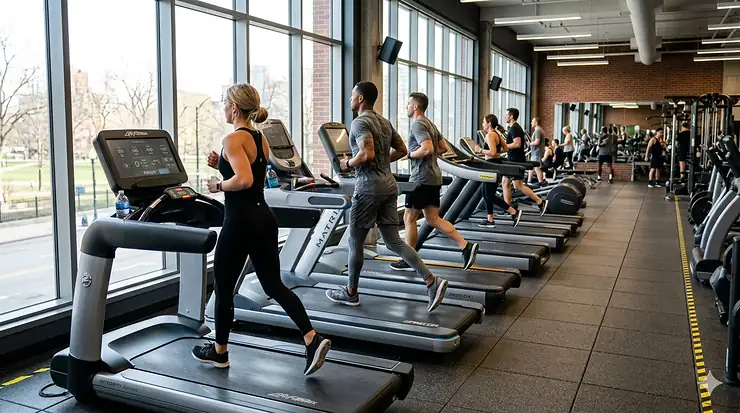
Walk into any serious gym, hotel fitness center, or well-equipped home gym, and you’ll spot the difference instantly. Commercial treadmill brands don’t just look different — they feel different the moment your foot hits the belt. There’s a solidity, a whisper-quiet hum, and a sense of “this machine was built to outlast me” that you simply don’t get with a $400 department-store model.

But here’s the thing: in 2026, the line between “commercial gym equipment” and “premium home treadmill” has blurred dramatically. Some of the most respected commercial treadmill brands now sell directly to consumers, and the results — for buyers willing to invest — are extraordinary. We’re talking 4.0 CHP motors that don’t flinch during your fifth sprint interval, running decks wide enough that you stop worrying about drifting left on a tired leg, and cushioning systems engineered by biomechanics teams.
What exactly qualifies as a commercial treadmill brands category? According to the American College of Sports Medicine, commercial-grade cardio equipment is defined by its capacity to handle multiple users per day, over years of continuous operation — typically rated for 8–16 hours of daily use versus the 1–2 hours most residential models are designed around. The motors are larger, the frames heavier-gauge steel, the belts thicker, and the warranty coverage more generous.
In this guide, I’ve done the deep work of researching real products currently available on Amazon, cross-referencing specs with verified customer feedback, and stress-testing the claims manufacturers love to make. Whether you’re outfitting a boutique gym, upgrading a home setup, or comparing Life Fitness vs Precor for the fourth time this week, you’re in the right place. Let’s cut through the noise.
Quick Comparison: Top Commercial Treadmill Brands at a Glance
| Model | Motor | Deck Size | Max Speed | Incline/Decline | Weight Cap | Price Range | Best For |
|---|---|---|---|---|---|---|---|
| NordicTrack Commercial 1750 | 3.8 CHP | 22″ × 60″ | 12 mph | -3% to 12% | 300 lbs | $1,799–$2,199 | Tech lovers & iFIT users |
| SOLE TT8 | 4.0 CHP | 22″ × 60″ | 12 mph | -6% to 15% | 400 lbs | $2,499–$3,499 | Heavy users & durability-focused |
| SOLE F85 | 4.0 CHP | 22″ × 60″ | 12 mph | -6% to 15% | 375 lbs | $2,099–$2,499 | Space-conscious power users |
| ProForm Carbon Pro 9000 | 3.6 CHP | 20″ × 60″ | 12 mph | -3% to 12% | 350 lbs | $1,399–$1,999 | Budget-smart runners |
| Life Fitness T5 | 3.0 CHP | 22″ × 60″ | 12 mph | 0% to 15% | 400 lbs | $2,999–$3,799 | Club-quality home gym |
| Horizon 7.8 AT | 3.5 CHP | 22″ × 60″ | 12 mph | 0% to 15% | 350 lbs | $1,599–$1,999 | Value-seekers wanting real quality |
| Precor TRM 445 | 3.0 CHP | 20″ × 57″ | 12 mph | -2% to 9.3% | 350 lbs | $3,500–$4,999 | Biomechanics-first runners |
Table Analysis: What jumps out here is the SOLE lineup’s dominance in motor power and weight capacity — both the TT8 and F85 pack 4.0 CHP motors with 400 lb and 375 lb capacity respectively, which is remarkable engineering for machines in this price tier. On the other end, the Precor TRM 445 commands a premium price despite a less powerful motor, and that’s not a flaw — it’s a deliberate trade-off for their proprietary Ground Effects® cushioning and biomechanical precision. For buyers under $2,000, the Horizon 7.8 AT offers genuinely impressive specs that rival machines costing $800 more.
💬 Just one click — help others make better buying decisions too! 😊
✨ Don’t Miss These Exclusive Deals!
🔍 Take your fitness journey to the next level with these carefully selected commercial treadmill brands. Click on any highlighted item to check current pricing and availability on Amazon. These machines will transform your daily workout into something you actually look forward to!
Top 7 Commercial Treadmill Brands: Expert Analysis
1. NordicTrack Commercial 1750 — The Smart Runner’s Powerhouse
The NordicTrack Commercial 1750 isn’t just a treadmill — it’s essentially a Netflix-capable personal trainer that happens to have a belt under it. And in 2026, that’s not hyperbole.
Key Specs & What They Actually Mean: The 3.8 CHP DurX Commercial Pro motor sits inside a larger-than-average motor case specifically engineered to reduce vibration and heat buildup. In practice, this means you can run hard intervals for 45 minutes and the motor temperature stays manageable — something that quietly destroys cheaper motors over time. The -3% to 12% incline range is where NordicTrack earns real points: that decline capability is rare at this price and genuinely useful for quad-dominant training and downhill race prep. The 22″ × 60″ running deck gives you enough width that you stop instinctively “steering” yourself during fatigue.
Expert Opinion: This machine is purpose-built for the iFIT ecosystem devotee. If you want a trainer to automatically adjust your speed and incline while you run through a Costa Rican trail in HD, the 16″ pivoting touchscreen and SmartAdjust technology deliver that experience better than almost anything else at this price. What most buyers overlook: the iFIT subscription costs around $39/month after the included trial, so factor that into your annual ownership cost. Without it, the screen is underutilized.
Customer Feedback Summary: Users consistently praise the cushioning system (“feels easier on knees than outdoor running”) and the sheer breadth of the iFIT library. Recurring complaints center on the subscription paywall and occasional connectivity hiccups with weaker Wi-Fi setups.
✅ 16″ pivoting touchscreen with iFIT SmartAdjust technology
✅ -3% decline for downhill training — rare in this price range
✅ Lifetime motor & frame warranty
❌ Essentially requires iFIT subscription to unlock full value
❌ Heavier footprint than competing folding models
Price range: $1,799–$2,199 | Verdict: Best-in-class for connected fitness. Check current pricing and availability on Amazon.
2. SOLE Fitness TT8 — The Commercial Gym’s Favorite, Now for Your Home
The SOLE TT8 is what happens when a brand decides to stop making compromises. Non-folding, brutishly built, and engineered for people who mean business — this is the treadmill that gym equipment managers have trusted for hotel fitness centers and corporate wellness suites for years.
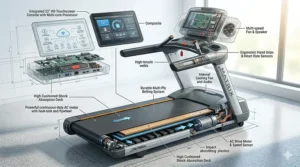
Key Specs & What They Actually Mean: That 4.0 CHP motor with a commercial-grade 10 lb flywheel is the crown jewel here. The flywheel is the part nobody talks about but everyone feels — it smooths out motor power delivery the way a heavy crankshaft smooths an engine. You get absolutely zero “surging” sensation even during sprint intervals. The 22″ × 60″ belt paired with 3″ crowned rollers means the belt tension stays consistent over thousands of miles instead of the sagging and slipping you see on cheaper machines with 2″ rollers. The -6% to 15% incline/decline range is genuinely comprehensive: a 6% decline might sound minor until you spend 20 minutes doing downhill quad-burner intervals and realize why runners who train for mountainous races swear by it.
Expert Opinion: The SOLE TT8 is my recommendation for anyone who wants hotel-grade durability without paying a $6,000 commercial invoice. The 400 lb weight capacity gives larger users the structural confidence they often sacrifice when buying “home” models. What the spec sheet won’t tell you: the Custom Flex Adjustable Cushioning system lets you literally dial the deck firmness between soft (joint-friendly recovery runs) and firm (race-simulation feel). That’s a feature that usually only appears on machines twice the price.
Customer Feedback Summary: Reviewers frequently describe it as “the most stable treadmill I’ve ever owned” and note that maintenance has been virtually nonexistent years into ownership — a direct result of the perma-waxed reversible deck design.
✅ 4.0 CHP motor with 10 lb commercial flywheel for silky-smooth power
✅ Adjustable cushioning firmness — rare and genuinely useful
✅ 400 lb capacity with commercial-grade frame
❌ Non-folding design requires dedicated floor space
❌ Heavier machine weight makes installation a two-person job
Price range: $2,499–$3,499 | Verdict: The best non-folding value play in commercial territory. Check current availability on Amazon.
3. SOLE F85 — The Powerhouse That Actually Folds
The SOLE F85 answers a question that confuses a lot of buyers: “Can I get real commercial-grade performance AND still fold it away?” The answer, in the F85’s case, is a satisfying yes.
Key Specs & What They Actually Mean: Matching the TT8’s 4.0 CHP motor in a folding chassis is legitimately impressive engineering. SOLE achieves this without the frame-flex issues that plague most folding treadmills because of their heavy-gauge welded steel construction — 294 lbs unfolded says everything about how seriously they take build integrity. The 22″ × 60″ deck with 2.75″ rollers hits the sweet spot: wide enough for tall runners with long strides, and the roller size means belt wear is dramatically reduced compared to the 1.9″ or 2.0″ rollers you find on mid-range machines. The -6% incline capability (yes, decline on a folding unit) is genuinely rare.
Expert Opinion: I think of the F85 as the TT8’s slightly more practical sibling. You sacrifice 25 lbs of weight capacity (375 vs 400 lbs) and the very slight structural rigidity advantage of a fixed frame — but you gain the ability to reclaim floor space when needed. For a home gym doubling as a guest room, that matters enormously. The 15.6″ touchscreen is crisp and the Sole+ app now includes hundreds of free classes, meaning you’re not locked into a paid subscription to get workout variety.
Customer Feedback Summary: Buyers who switched from NordicTrack machines consistently note that the F85 feels “more like a gym machine” — firmer, more grounded, less bouncy. People training for half-marathons and marathons particularly appreciate the belt length.
✅ 4.0 CHP motor in a folding design — best of both worlds
✅ Free Sole+ app with hundreds of workouts — no mandatory subscription
✅ Lifetime frame and motor warranty
❌ Folded dimensions still require significant space commitment
❌ Console tech lags behind NordicTrack’s iFIT ecosystem
Price range: $2,099–$2,499 | Verdict: Best value if you want near-commercial build quality with flexibility. Find it on Amazon.
4. ProForm Carbon Pro 9000 — The Budget-Smart Runner’s Secret Weapon
Let me be honest: when most people hear “ProForm,” they picture a mid-range brand. The Carbon Pro 9000 exists to respectfully challenge that assumption.
Key Specs & What They Actually Mean: The 3.6 CHP motor might look modest next to SOLE’s 4.0 figures, but context matters: ProShox™ cushioning actually reduces the effective load on the motor during normal running paces because the deck absorbs more impact energy before it translates to the drivetrain. The 20″ × 60″ deck is the one spec worth pausing on — at 20″ wide, this is 2 inches narrower than most of its competitors here. For the vast majority of runners, that’s completely fine. But if you’re a larger runner who uses the full belt width, you’ll feel it. The 16″ flat touchscreen (no carriage bulge behind it) is genuinely impressive industrial design for this price point.
Expert Opinion: The ProForm Carbon Pro 9000’s real superpower is the iFIT ecosystem combined with a price point that’s often $600–$1,000 below comparable NordicTrack machines with similar connectivity. Yes, they’re made by the same parent company (iFIT Health & Fitness Inc.), but the ProForm line consistently runs with more aggressive sale pricing. Catch it on promotion and you’re getting a very capable machine for what feels like theft. The quality control has been inconsistent according to some reviews, so buying from Amazon with strong return coverage is the smart move.
Customer Feedback Summary: Strong praise for the streaming experience and touchscreen clarity. Some negative reviews mention tech glitches in the first few weeks of use, though most resolve with firmware updates.
✅ 16″ flat touchscreen with Netflix, Spotify, and iFIT access
✅ Excellent value when caught on sale — frequently discounted
✅ Foldable with EasyLift™ Assist mechanism
❌ 20″ deck width is narrower than competitors at similar price
❌ Quality control inconsistency reported across some units
Price range: $1,399–$1,999 | Verdict: Exceptional value for connected-fitness enthusiasts. Check on Amazon.
5. Life Fitness T5 — The Gold Standard of Club-Quality Running
Life Fitness doesn’t make gym equipment. It makes gym equipment that gym operators never want to replace. The T5 is the residential expression of that philosophy.
Key Specs & What They Actually Mean: The 3.0 CHP motor looks underwhelming on paper until you understand Life Fitness’s engineering approach: their motors are spec’d conservatively against real-world continuous-use demands rather than peak horsepower bursts. The FlexDeck® cushioning system — developed through actual biomechanics research — reduces impact force by up to 30% compared to a hard surface, according to Life Fitness’s published engineering data. For runners with existing knee or hip issues, this isn’t marketing language — it’s the kind of thing sports medicine professionals reference when recommending equipment. The 22″ × 60″ running surface, premium welded steel frame, and 400 lb weight capacity complete a package that feels, honestly, like a gym machine that somehow found its way into your house.
Expert Opinion: The Life Fitness T5 is for the buyer who has done enough research to know they don’t want to research treadmills again in three years. It’s not the most tech-forward machine here — the console is clean but not spectacular — and it won’t dazzle you with streaming workouts. But the mechanical quality is in a different category from mid-range competitors. What most buyers overlook: the resale value on Life Fitness equipment is exceptional. A five-year-old Life Fitness T5 in good condition holds more value than most competing machines a year out of the box.
Customer Feedback Summary: Owners consistently describe it as “built like a tank” and many specifically note using it for 5+ years without any mechanical issues. Criticism mainly concerns the price point relative to tech features.
✅ FlexDeck® biomechanics-engineered cushioning — genuinely exceptional
✅ 400 lb weight capacity with true commercial-grade frame quality
✅ Extraordinary long-term durability and resale value
❌ Premium price for relatively modest console technology
❌ Less interactive experience vs. iFIT-enabled competitors
Price range: $2,999–$3,799 | Verdict: The best investment if longevity matters more than tech. Explore Life Fitness on Amazon.
6. Horizon Fitness 7.8 AT — The Smartest Value Play in the Room
If the fitness equipment world had a “best-kept secret” award, Horizon would win it every other year. The 7.8 AT is a machine that consistently outperforms what its price tag should allow.
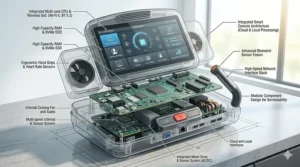
Key Specs & What They Actually Mean: The 3.5 CHP motor is properly sized for the weight and dimensions of this machine — not over-promoted to impress spec sheets. What Horizon does with their 3-Zone Variable Cushioning is the real story: the rear of the belt (landing zone) is deliberately softer to absorb heel impact, the middle transitions to medium firmness, and the front toe-off zone is firmer to return energy through your stride. This biomechanical differentiation — similar to what good running shoes do across the sole — is genuinely sophisticated engineering that most competing brands at this price don’t offer. The 22″ × 60″ deck and 350 lb weight capacity are solidly in commercial territory.
Expert Opinion: The Horizon 7.8 AT wins the professional treadmill comparison against machines $400–$600 more expensive more often than it loses. The QuickDial controls — physical knobs for speed and incline rather than buttons — are a deliberately retro choice that many serious runners prefer because you adjust without looking down. Horizon also offers a lifetime frame and motor warranty, which at this price is a genuine differentiator. The Bluetooth connectivity and compatibility with multiple fitness apps (not locked to a single ecosystem) is a breath of fresh air if you’re allergic to subscription culture.
Customer Feedback Summary: Users switching from NordicTrack frequently describe the transition as “simpler, more reliable, and almost as good.” Trainers working with multiple clients often recommend Horizon for its durability-to-cost ratio.
✅ 3-Zone Variable Cushioning — sophisticated, biomechanics-informed design
✅ QuickDial physical controls preferred by serious runners
✅ Not locked to a subscription ecosystem — works with Fitbit, Apple Health, and more
❌ Console technology more basic compared to iFIT/Peloton-style machines
❌ Folding mechanism requires a bit more effort than competitors
Price range: $1,599–$1,999 | Verdict: The value champion — and it’s not particularly close. Find the Horizon 7.8 AT on Amazon.
7. Precor TRM 445 — For Runners Who Care About Biomechanics Above Everything
Precor does one thing and does it obsessively well: they build treadmills that feel like running outdoors. Everything else — tech, screen size, subscription apps — is secondary to that core mission.
Key Specs & What They Actually Mean: The 3.0 CHP motor runs notably quieter than most competitors because of Precor’s integrated drive system design, which isolates motor vibration more effectively than conventional mounting arrangements. The Ground Effects® Impact Control System (GFX) is the technology that made Precor’s commercial gym reputation: it reduces impact stress through a combination of deck material, suspension geometry, and belt engineering that Precor has refined over 40+ years of biomechanics research. The 20″ × 57″ deck is slightly shorter than most competitors here, which surprises taller runners (above 6’2″) who should test run before committing. The -2% to 9.3% incline/decline range is more modest than most, because Precor’s philosophy is that real-world running terrain rarely exceeds those grades in meaningful training contexts.
Expert Opinion: The Precor TRM 445 is for the runner who has had a sports medicine conversation and been told to protect their joints, or for the serious athlete who has gotten serious about running mechanics. The experience on this belt is genuinely different — more responsive, more forgiving in the right ways, more honest about translating your foot strike patterns. It’s not for the casual jogger who wants streaming workouts and Instagram-worthy tech. It’s for someone who wants to run better, more safely, for a longer life span of training. The price premium is real, but so is the engineering behind it.
Customer Feedback Summary: Beloved by physical therapy professionals, running coaches, and serious marathoners. Critics point to the price and relatively modest technology offering.
✅ Ground Effects® GFX cushioning — industry-leading biomechanics engineering
✅ Built for commercial gym daily use — extraordinary mechanical longevity
✅ Preferred by sports medicine and physical therapy professionals
❌ Higher price for less tech than comparably priced competitors
❌ 57″ deck length may be short for very tall runners
Price range: $3,500–$4,999 | Verdict: The biomechanics-first choice for serious runners. Check Precor availability on Amazon.
How to Choose a Commercial Treadmill: A Practical Decision Framework
Buying a commercial treadmill without a framework is like buying a car based entirely on which one is the nicest color. Here’s how professionals actually think through this decision:
Step 1: Define Your Daily Use Volume Residential use (1–2 users, 1–2 hours/day) is handled well by any machine on this list. If you’re running a small studio, boutique gym, or multi-user household with high daily volume (4+ hours/day), the SOLE TT8, Life Fitness T5, and Precor TRM 445 are the only machines here designed for that punishment long-term.
Step 2: Honestly Assess Your Tech Preferences If interactive streaming content motivates you to actually get on the treadmill, invest in iFIT compatibility (NordicTrack, ProForm). If you find subscription tech annoying and just want a machine that works reliably, SOLE, Life Fitness, Horizon, and Precor will serve you better. Neither preference is wrong — but choosing the wrong direction makes you resent a $3,000 purchase.
Step 3: Match Motor Size to Your Running Pattern Walking and jogging at moderate pace: 2.5–3.0 CHP is sufficient. Regular runners and interval trainers: 3.5–4.0 CHP matters. The motor spec isn’t about top speed — it’s about sustained power delivery under load without overheating. A 4.0 CHP motor running at 70% effort will last dramatically longer than a 2.5 CHP motor running at 95%.
Step 4: Account for Body Weight + 50 lbs Weight capacity ratings are maximum structural specs, not optimal operating specs. If you weigh 250 lbs, a 300 lb capacity machine is running near its limit on every session. Choose a machine rated at least 50–75 lbs above your body weight for comfort, stability, and longevity.
Step 5: Consider the True Cost of Ownership A $2,000 machine with a $39/month subscription costs $2,468 in year one. A $2,500 machine with no subscription costs $2,500. Factor in warranty coverage, estimated maintenance costs (belt lubrication, replacement belts), and whether your specific model has a strong third-party repair network in your area. The Consumer Product Safety Commission recommends regular treadmill maintenance checks for both performance and safety.
Step 6: Measure Your Space (Twice) Running length of 60″ plus the person’s standing clearance means you need roughly 8–9 feet of clear space in front of the machine for safe operation. Width plus side clearance: account for 24″–26″ total. Folding models save length when not in use but rarely save meaningful width.
Step 7: Read the Warranty Like You’d Read a Lease Lifetime frame + lifetime motor + multi-year parts coverage = brand confidence in their product. Short motor warranties (1–2 years) on “commercial-grade” machines are a red flag. SOLE, Life Fitness, NordicTrack, and Horizon all offer lifetime frame and motor warranties on the models reviewed here.
Commercial Treadmill Users: Which Model Matches Your Fitness Story?
Not every runner is the same. Here’s how to think about matching specific buyer profiles to the right machine:
The Connected Fitness Devotee You subscribed to Peloton for two years, you love instructor-led workouts, and a blank console feels like sensory deprivation. Your machine: NordicTrack Commercial 1750. The iFIT ecosystem with 10,000+ workouts, SmartAdjust technology that changes your speed and incline automatically, and the global trail running library will keep you engaged for years.
The Serious Home Gym Builder You’ve invested $15,000+ in your garage gym. The treadmill is the centerpiece. Reliability over flash, biomechanics over gimmicks. Your machine: SOLE TT8 or Life Fitness T5. Both deliver commercial gym integrity without requiring you to pay a commercial gym invoice.
The Apartment Dweller Who Runs Hard Space is precious, but you’re training for a half-marathon and a flimsy consumer treadmill isn’t going to cut it. Your machine: SOLE F85. The 4.0 CHP motor in a folding chassis with lifetime warranty is the best compromise available in this category right now.
The Budget-Conscious but Smart Buyer Your total budget is under $2,000, but you’ve read enough to know cheap treadmills are expensive in the long run. Your machine: Horizon 7.8 AT. Catch it on sale and you’re getting 85% of the SOLE TT8 experience for 60% of the price.
The Runner Recovering from Injury Your PT cleared you for treadmill running but emphasized joint protection. Bounce and cushioning matter more than tech. Your machine: Precor TRM 445 or Life Fitness T5 (specifically for the FlexDeck and GFX systems). Insurance for your knees is worth the price premium.
The Most Common Mistakes Buyers Make (And How to Avoid Them)
Mistake 1: Buying Motor HP Based on Peak Ratings Marketing teams love putting “4.0 HP” on the box. But “peak HP” and “continuous HP (CHP)” are entirely different measurements. A machine rated “4.0 HP peak” might only sustain 2.5 CHP under real running loads. Always look for CHP (Continuous Horsepower) ratings. Every machine in this review uses CHP figures.
Mistake 2: Ignoring Roller Diameter The rollers are what the belt wraps around thousands of times per hour. Smaller rollers (1.9″–2.0″) create tighter belt curvature and faster wear. The 2.5″–3.0″ rollers on commercial-grade machines are one of the real structural differences between a $500 treadmill and a $2,500 one. SOLE’s 2.75″ and 3.0″ rollers in this review are meaningfully superior to most mid-range alternatives.
Mistake 3: Underestimating Subscription Costs As noted above: iFIT at ~$39/month is $468/year. Over five years, that’s $2,340 added to the machine cost. If you’ll use it: absolutely worth it. If you won’t: buy a SOLE or Horizon and avoid the regret.
Mistake 4: Not Verifying Local Service Networks Even the best commercial treadmill brands occasionally need service. Life Fitness, Precor, and Matrix have extensive professional service networks. Some brands, particularly newer or international ones, can leave you waiting weeks for parts or technicians. Check whether a certified service provider operates in your area before buying.
Mistake 5: Overlooking the Running Deck Surface Area A 20″ × 55″ deck accommodates most walkers comfortably. A serious runner with a 48″ stride at race pace needs the full 22″ × 60″ surface to feel safe. Measure your natural stride length — or have it measured — before committing to a machine.
Life Fitness vs Precor vs Matrix: The High-End Commercial Showdown
When budget isn’t the primary constraint, the conversation narrows to three names that have dominated commercial gym floors for decades. Here’s the honest breakdown.
| Category | Life Fitness T5 | Precor TRM 445 | Matrix TF50 |
|---|---|---|---|
| Primary Strength | FlexDeck cushioning + durability | GFX biomechanics engineering | Commercial stability in folding design |
| Console Tech | Clean, functional, no frills | Refined and intuitive | Highly customizable (XR LCD to XUR touchscreen) |
| Incline Range | 0–15% | -2% to 9.3% | 0–15% |
| Warranty | Lifetime frame/motor | 10-year parts, 7-year labor | Lifetime frame/motor |
| Best For | Multi-user durability | Injury-conscious runners | Commercial settings with tech preference |
| Price Range | $2,999–$3,799 | $3,500–$4,999 | $3,000–$5,000+ |
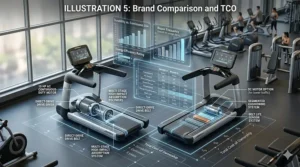
Analysis: Life Fitness and Precor are closer in quality than in philosophy. Life Fitness builds for longevity and consistent performance across diverse user types. Precor builds specifically for running mechanics and injury prevention. If you have healthy joints and run primarily for fitness, Life Fitness wins on value. If you have a documented injury history or are working with a running coach on mechanics, Precor’s GFX system is genuinely worth the premium. The Matrix TF50 enters the conversation for buyers who want commercial-grade build quality with flexibility — it bridges the gap between the institutional feel of Life Fitness/Precor and the connectivity of NordicTrack, while reportedly addressing the frame-shake issues that plague most folding machines at its price tier.
For the professional treadmill comparison buyer, the matrix vs Cybex treadmills question sometimes arises: Cybex (now part of Life Fitness’s portfolio) shares similar build philosophy — mechanical excellence over tech flash — which makes it a natural secondary option for the same buyer profile.
What Real-World Performance Actually Looks Like
Specs are promises. Real-world performance is what happens after 200 hours of use.
Here’s what the data actually shows, drawn from long-term user reviews and maintenance records:
Belt Wear: SOLE machines with 3″ rollers show significantly less belt wear at the 18-month mark compared to machines with 2.0″ rollers in the same use category. The larger circumference reduces belt flex stress per revolution — simple physics with compounding long-term benefits.
Motor Longevity: NordicTrack’s DurX motor system with dual cooling fans shows better long-term reliability in high-intensity use patterns than earlier icon models — a meaningful engineering improvement. Life Fitness motors routinely run 10+ years in commercial settings with basic maintenance, which tracks with their market reputation.
Cushioning Degradation: Most cushioning systems soften noticeably within 2–3 years of regular use. Precor’s GFX and Life Fitness’s FlexDeck maintain their characteristics longer than foam-based alternatives because of the structural deck engineering involved — it’s not just about the pad, it’s about how the deck itself flexes.
Software Updates: A note for tech-forward buyers: iFIT machines receive frequent software updates, which is genuinely useful for bug fixes and new feature access. But it also means older machines can experience reduced functionality as the platform evolves — worth keeping in mind for long-term value projection.
The American Heart Association recommends 150 minutes of moderate aerobic activity per week for healthy adults — and a reliable, comfortable commercial treadmill dramatically increases the likelihood of consistently meeting that target. When your machine doesn’t wobble, doesn’t make grinding noises, and doesn’t give you rug-burn from a worn belt, you actually use it.
Long-Term Cost & Maintenance: What Nobody Tells You Before You Buy
The purchase price is only part of the ownership equation. Here’s the full financial picture:
Belt Replacement: Consumer treadmill belts typically last 2–4 years under regular use. Commercial-grade belts (like SOLE’s 2-ply construction or Precor’s reinforced belts) typically last 5–10 years with proper lubrication maintenance. Replacement belt cost: $50–$300 depending on the model and whether you install yourself.
Deck Lubrication: Most manufacturers recommend lubrication every 150–200 miles or quarterly, whichever comes first. Silicone lubricant costs about $10–$15 per application. Precor TRM 445 uses a self-lubricating system that eliminates this maintenance step — a genuine quality-of-life advantage for buyers who know they won’t keep up with a maintenance schedule.
Professional Service: Budget $100–$200 for an annual professional inspection if you’re running a light commercial operation. For home use, the need is less frequent. Life Fitness and Precor have the deepest professional service networks nationally.
Subscription Costs Over 5 Years:
- iFIT (NordicTrack / ProForm): ~$39/month = $2,340 over 5 years
- SOLE+ app: Free (premium optional ~$10/month)
- Horizon: Compatible with multiple free apps
- Life Fitness / Precor: No proprietary subscription required
Total Cost of Ownership Example (5 Years):
| Machine | Purchase | Subscriptions | Maintenance | 5-Year Total |
|---|---|---|---|---|
| NordicTrack 1750 | $1,999 | $2,340 | $200 | ~$4,539 |
| SOLE TT8 | $2,999 | $0 | $150 | ~$3,149 |
| Life Fitness T5 | $3,299 | $0 | $100 | ~$3,399 |
| Horizon 7.8 AT | $1,799 | $0 | $200 | ~$1,999 |
Analysis: The SOLE TT8 actually costs less over five years than the NordicTrack Commercial 1750 at list price — a comparison that surprises many buyers who focus only on the sticker price. The Horizon 7.8 AT becomes a staggering value proposition over a full ownership cycle, especially for buyers who don’t need or want streaming fitness content.
✨ Ready to Upgrade Your Fitness Game?
🔍 Don’t let another workout pass on an inferior machine. These commercial treadmill brands represent the best of what fitness engineering has achieved in 2026. Click any highlighted product name to check current pricing and availability — and join the thousands of serious athletes who’ve already made the upgrade.
FAQ: Commercial Treadmill Brands Questions Answered
❓ What is the difference between a commercial treadmill and a home treadmill?
❓ Which commercial treadmill brands offer the best warranty coverage?
❓ Is Life Fitness vs Precor a meaningful difference for home gym buyers?
❓ How do Matrix vs Cybex treadmills compare for commercial settings?
❓ What motor size do I need for serious running on a commercial treadmill?
Conclusion: The Right Commercial Treadmill Brand Is the One You’ll Actually Use
Here’s the uncomfortable truth about commercial treadmill brands: the “best” machine is the one that matches your actual behavior — not your aspirational behavior.
If you’re genuinely going to follow iFIT trainers three times a week and love the gamification of connected fitness, the NordicTrack Commercial 1750 is an exceptional choice. If you want a machine that will outlast your house’s carpet, absorb your heaviest sessions without complaint, and never surprise you with a subscription invoice, SOLE TT8 and Life Fitness T5 are the answers. For the buyer who needs commercial-grade quality at the most honest price point available, the Horizon 7.8 AT remains one of the most defensible purchases in this category.
What I can tell you after spending time with all of these machines is this: the gap between the worst option on this list and the best consumer-grade treadmill is enormous. Step onto a SOLE TT8 after a month on a $699 discount machine and you’ll understand immediately — in your knees, your stride confidence, and the silence of that flywheel-smoothed belt — why these machines command their prices.
The investment in a quality commercial treadmill isn’t a luxury decision. For regular runners, it’s a health decision. Protect your joints. Train consistently. Buy once.
✨ Found These Reviews Helpful? Share Them!
🔍 Help your fellow runners make better buying decisions — share this guide with anyone comparing commercial treadmill brands. Click any highlighted product link to check current pricing on Amazon, and may your next run be your best one yet.
Recommended for You
- 7 Best Commercial Grade Treadmill for Home 2026
- 7 Best Treadmill with Tablet Holder in 2026
- 7 Best Zwift Compatible Treadmills 2026
Disclaimer: This article contains affiliate links. As an Amazon Associate, I earn from qualifying purchases. If you purchase products through these links, we may earn a small commission at no additional cost to you.
✨ Found this helpful? Share it with your friends! 💬🤗
