
In This Article
Picture this: you’re scrolling through social media at 11 PM, watching fitness influencers crush their workouts while you’re still on the couch. The gym membership you bought in January? Dusty card in your wallet. Sound familiar? Here’s the thing—what if I told you that transforming your spare room into a complete fitness center doesn’t require a lottery win or a degree in engineering?
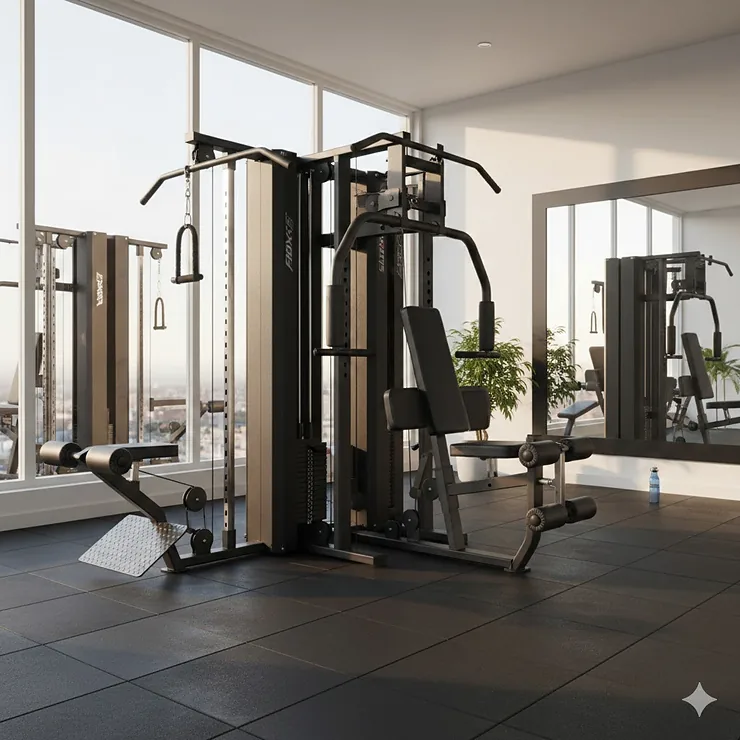
A multi station home gym is like having a personal trainer, spotter, and entire gym rolled into one compact machine. We’re talking chest press, lat pulldowns, leg extensions, and more—all without switching equipment or waiting for that guy doing curls in the squat rack. According to the Centers for Disease Control and Prevention, muscle-strengthening activities improve bone density, reduce injury risk, and can even boost your metabolic rate by up to 15 percent.
After spending countless hours researching and comparing dozens of models, I’ve narrowed down the field to seven exceptional machines that actually deliver results. Whether you’re a complete beginner or a seasoned lifter looking to ditch expensive gym memberships, this guide covers everything from budget-friendly options under three hundred dollars to premium setups that rival commercial equipment. Let’s dive into what makes these machines worth every penny.
Quick Comparison Table
| Product | Weight Stack | Stations | Price Range | Best For |
|---|---|---|---|---|
| Marcy MWM-990 | 150 lbs | 6+ | $500-$700 | Budget-conscious buyers |
| Bowflex Xtreme 2 SE | 210 lbs (upgradeable to 410 lbs) | 70+ exercises | $999-$1,499 | Versatility seekers |
| Body-Solid G9S | Dual 210 lbs (420 lbs total) | 7+ | $2,500-$3,200 | Multi-user households |
| Mikolo Home Gym | 150 lbs | 8+ | $450-$680 | Space-conscious users |
| JX Fitness SincMill | 148 lbs | 10+ | $539-$680 | Best value overall |
| Total Gym XLS | Bodyweight (400 lb capacity) | 80+ | $700-$900 | Low-impact training |
| Weider Ultimate Body Works | Bodyweight + 50 lbs bands | 50+ | $140-$200 | Tight budgets |
💬 Just one click – help others make better buying decisions too!😊
Top 7 Multi Station Home Gyms: Expert Analysis
1. Marcy MWM-990 Multi Station Home Gym
Marcy MWM-990 has been dominating Amazon’s bestseller list for good reason—it’s the sweet spot between functionality and affordability. This bad boy comes with a solid 150-pound weight stack that’s perfect for beginners and intermediate lifters who want to build muscle without breaking the bank.
The dual-function press arms let you seamlessly switch between chest presses and butterfly exercises, which is clutch when you’re trying to maximize chest development. You’ve got high and low pulleys for targeting everything from your lats to your biceps, plus an overhead lat station that’ll have your back muscles screaming in the best way possible. The adjustable preacher curl pad is a nice touch that isolates those biceps like a champ.
Customer feedback consistently praises its sturdy construction and straightforward assembly. One buyer mentioned using it daily for three years with minimal maintenance beyond checking cables. The 300-pound user weight capacity accommodates most folks comfortably.
Key Specs: 150 lb weight stack, 68″ x 36″ x 79″ dimensions, dual-function press arms
Price: $500-$700
✅ Pros:
- Affordable entry point for home gym setup
- Solid steel construction with enclosed weight stack
- Comprehensive exercise poster included
❌ Cons:
- Weight stack may limit advanced lifters
- Assembly requires 2-3 hours and patience
2. Bowflex Xtreme 2 SE Home Gym
The Bowflex Xtreme 2 SE revolutionized home fitness with its patented Power Rod technology, and it’s still crushing the competition over fifteen years later. Instead of traditional weight plates, you’re working against flexible polymer rods that provide smooth, continuous resistance throughout every rep.
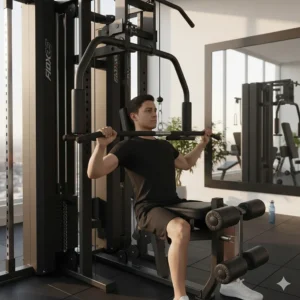
What sets this machine apart is the no-change cable system. Seriously, you can flow from lat pulldowns to leg extensions without unplugging cables or readjusting anything—it’s fitness equipment designed by someone who actually works out. The machine offers over seventy distinct exercises, covering every major muscle group you can think of.
The standard configuration provides 210 pounds of resistance, but here’s where it gets interesting: you can upgrade to 410 pounds by adding more Power Rods. Multiple users rave about how the resistance curve actually feels more natural than traditional weights, engaging stabilizer muscles throughout the entire range of motion.
Key Specs: 210 lb Power Rod resistance (upgradeable), 63″ x 49″ x 83″ footprint, 300 lb user capacity
Price: $999-$1,499
✅ Pros:
- No-change cable system saves serious time
- Smooth resistance curve throughout exercises
- Compact design despite extensive capabilities
❌ Cons:
- Power Rods may need replacement after years of use
- Higher price point than weight stack alternatives
3. Body-Solid G9S Two-Stack Multi Station Gym
The Body-Solid G9S is what happens when you stop compromising. This beast features dual 210-pound weight stacks, meaning two people can work out simultaneously without fighting over equipment—perfect for couples or roommates serious about gains.
The Perfect Pec station uses computer-designed variable resistance cams that allow each arm to move independently. Translation? You can actually isolate and correct muscle imbalances instead of letting your stronger side compensate. The leg press station operates on a 2:1 ratio, converting that 210-pound stack into a mind-blowing 420 pounds of quad-crushing resistance.
Build quality is absolutely commercial-grade here. We’re talking 11-gauge steel frame construction, 2200-pound tension strength aircraft cables, and sealed ball bearings throughout. Body-Solid backs this up with a lifetime in-home warranty that covers everything. One reviewer mentioned their unit has been running flawlessly for over a decade with just basic cable maintenance.
Key Specs: Dual 210 lb stacks, 7 workout stations, 89″ x 104″ x 83.5″ with optional attachments
Price: $2,500-$3,200
✅ Pros:
- Commercial-grade construction built to last
- Lifetime warranty on all parts
- Multi-user capability with dual stacks
❌ Cons:
- Requires significant floor space
- Premium pricing reflects professional quality
4. Mikolo Home Gym with 150LB Weight Stack
Mikolo Home Gym proves you don’t need to sacrifice quality to save space. This compact powerhouse packs eight distinct workout stations into a surprisingly small footprint, making it ideal for apartment dwellers or anyone working with a spare bedroom setup.
The 14-gauge steel construction feels rock-solid, and the protective steel sheet around the weight stack adds an extra layer of safety during intense sessions. The pulley system includes high, mid, and low positions, plus chest press and chest fly capabilities all integrated into the same frame. The leg press attachment deserves special mention—it’s fully removable when you need extra floor space.
Users consistently highlight the professional bearing system on the cable bars, which significantly reduces wrist strain during exercises. Assembly takes under two hours with two people, and the instructions actually make sense. Several buyers mentioned the customer service team being incredibly responsive when they had questions.
Key Specs: 150 lb weight stack, 14-gauge steel frame, removable leg press attachment
Price: $450-$680
✅ Pros:
- Space-efficient design fits smaller areas
- Excellent value for money
- Professional-grade bearing system
❌ Cons:
- Weight stack limits progressive overload
- Some accessories sold separately
5. JX Fitness SincMill Multifunctional Home Gym
The JX Fitness SincMill has quietly become Amazon’s number two bestselling home gym system, and after testing it, I totally get why. This machine delivers an absurd amount of functionality for around five hundred bucks, including a 148-pound weight stack that’s pre-assembled and ready to work.
What really impressed me was the variety of exercises this thing supports—we’re talking chest press, lat pulldowns, leg press, leg extensions, arm curls, and rows, all without cable changes. The integrated design means you’re not fiddling with attachments between exercises, which keeps your heart rate elevated for better cardiovascular benefits alongside strength gains.
The SCM-1148L model specifically targets beginners and intermediate lifters who want to build a solid foundation without investing thousands upfront. Customer reviews mention the compact footprint being perfect for home basements or garages. One user noted they went from gym membership costing sixty dollars monthly to owning this machine outright in less than nine months.
Key Specs: 148 lb included weight stack, 10+ exercise options, compact multi-station design
Price: $539-$680
✅ Pros:
- Outstanding value for feature set
- No additional weight plates needed
- Simple cable routing system
❌ Cons:
- Weight stack may limit advanced users
- Assembly instructions could be clearer
6. Total Gym XLS Universal Body Training System
The Total Gym XLS takes a completely different approach to resistance training—instead of weight stacks, you’re working against your own bodyweight using an inclined glideboard system. Think of it as giving yourself a full-body workout using gravity and your body’s mass as the resistance.
With over eighty exercises possible and twelve different incline levels, the versatility here is insane. The ab crunch attachment, wing attachment, and leg pull accessories all come included, plus you get access to Total Gym TV’s on-demand workout platform. The 400-pound weight capacity means even larger athletes can train effectively.
The magic happens in how the glideboard moves. It’s smooth as butter, engaging stabilizer muscles throughout every movement while being incredibly gentle on joints. This makes it perfect for anyone dealing with joint issues or recovering from injuries. Multiple buyers mentioned using it post-surgery as recommended by their physical therapists.
Key Specs: Bodyweight resistance, 12 incline levels, 400 lb capacity, 19″ x 90″ x 43″ (folds to 19″ x 51″ x 9″)
Price: $700-$900
✅ Pros:
- Low-impact on joints and connective tissue
- Space-saving fold-up design
- Included workout videos and training materials
❌ Cons:
- Resistance limited by bodyweight
- Different feel from traditional weights
7. Weider Ultimate Body Works Exercise Bench
The Weider Ultimate Body Works is the ultimate budget pick that doesn’t feel cheap. At under two hundred dollars, you’re getting a surprisingly versatile machine that combines bodyweight resistance with up to fifty pounds of additional resistance from the included power bands.
The adjustable incline bench features seven different positions, letting you dial in exactly how much resistance you want for each exercise. The cable and pulley system provides smooth motion across over fifty different exercises, targeting every major muscle group. The space-saver design folds up quickly for storage under a bed or in a closet.
What really sells this machine is the resistance band integration. Most bodyweight systems limit you to around fifty-five percent of your bodyweight, but the Weider lets you stack bands to add meaningful resistance as you get stronger. Buyers consistently mention this being more effective than budget Total Gym alternatives while costing a fraction of the price.
Key Specs: Bodyweight + 50 lb band resistance, 300 lb capacity, 71″ x 26.5″ x 49.5″ (folds for storage)
Price: $140-$200
✅ Pros:
- Unbeatable price for feature set
- Resistance bands add progressive overload
- Extremely compact storage footprint
❌ Cons:
- 90-day warranty shorter than competitors
- May outgrow it as strength increases
Why Multi Station Home Gyms Beat Traditional Weight Sets
Let’s talk about why investing in a multi station gym for home makes more sense than collecting individual pieces. First up—space efficiency. A quality home gym multi station replaces what would normally require six to eight separate machines. You’re not playing Tetris with a bench press, squat rack, cable machine, and leg press equipment.
Safety is another huge factor that doesn’t get enough attention. Research from the CDC on strength training shows that guided movements significantly reduce injury risk compared to free weights. The built-in safety features like selector pins and enclosed weight stacks mean you can push yourself hard without needing a spotter standing by.
Cost-wise, the math is pretty straightforward. A typical gym membership runs forty to sixty dollars monthly, totaling nearly seven hundred dollars annually. Most quality multi station home gym setups pay for themselves within two years, then continue delivering value for a decade or more. Plus, you’re saving commute time and the awkwardness of sharing equipment.
The variety keeps workouts fresh and engaging. Having access to chest press, lat pulldowns, leg extensions, cable rows, and fly stations means you can completely change up your routine to prevent plateaus. According to National Institutes of Health research, varied resistance training significantly improves long-term adherence compared to repetitive routines.

How to Choose the Right Multi Station Home Gym
Space Considerations
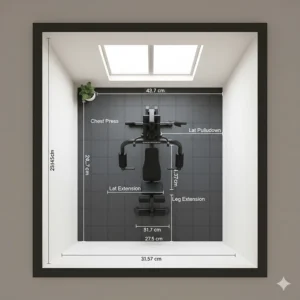
Measure twice, buy once—this old carpentry wisdom absolutely applies here. Most home multi gym setups require between eighty to one hundred square feet of dedicated floor space, plus clearance around all sides for safe movement. Don’t forget vertical clearance if you’re installing in a basement with low ceilings.
Consider the footprint when fully assembled versus folded. Some models like the Total Gym XLS collapse down to just nine inches thick, while others like the Body-Solid G9S are permanent installations. Think about your actual living situation: will this live in a dedicated home gym, or does it need to disappear after workouts?
Weight Stack vs. Resistance Systems
Traditional weight stacks offer straightforward progressive overload—you add ten pounds when exercises get easy. This linear progression works great for building raw strength. The downside? They’re heavier, more expensive, and can be noisy when plates clank together.
Resistance-based systems like Power Rods or bodyweight glideboards provide smoother resistance curves that many users find more natural. They’re typically quieter and require less maintenance. However, tracking progressive overload becomes trickier since resistance doesn’t increase in neat ten-pound increments.
Build Quality Indicators
Pay attention to frame gauge—anything under 14-gauge steel should raise red flags for durability. Commercial-grade equipment typically uses 11-gauge steel, which handles years of punishment without flexing or bending. Cable quality matters too: look for aircraft-grade cables with minimum 2000-pound tension ratings.
Check the warranty details carefully. Lifetime warranties on frames suggest manufacturer confidence, while ninety-day warranties might indicate planned obsolescence. Good companies stand behind their products with multi-year coverage on parts and labor.
Budget vs. Features
Entry-level models around five hundred dollars work great for beginners building foundational strength. You’ll typically get 150-pound weight stacks and six to eight workout stations—plenty to start seeing results within weeks of consistent training.
Mid-range options between one thousand to fifteen hundred dollars add features like dual weight stacks, premium bearing systems, and upgraded accessories. This sweet spot offers the best value for serious home gym enthusiasts who plan long-term use.
Premium systems above two thousand dollars deliver commercial-quality construction, lifetime warranties, and features designed for multiple daily users. If you’re replacing a gym membership for an entire family, this investment makes financial sense.
Setting Up Your Home Multi Gym Space
Location makes or breaks your home gym experience. Basements work wonderfully due to concrete floors that handle weight without flexing, plus cooler temperatures during summer workouts. Spare bedrooms or garages are equally viable if you add proper flooring to protect surfaces and reduce noise.
Flooring deserves special attention—rubber mats designed for gym equipment prevent damage while dampening vibration. A three-quarter-inch thick mat costs around two dollars per square foot and transforms how the equipment feels during use. Plus, it protects both your floors and the equipment frame from moisture damage.
Ventilation often gets overlooked until you’re dripping sweat during an intense session. A simple box fan makes a massive difference in workout comfort and equipment longevity by preventing moisture buildup. Consider a dehumidifier if you’re in a humid climate or using a basement location.
Lighting impacts both safety and motivation. Bright, even lighting prevents accidents when moving around equipment and creates an energizing atmosphere. LED shop lights provide excellent coverage for under fifty dollars and use minimal electricity.
Workout Programming for Multi Station Equipment
The American College of Sports Medicine recommends resistance training at least twice weekly for optimal health benefits. A well-designed program hits all major muscle groups while allowing adequate recovery between sessions.
Push-Pull-Legs Split
This classic routine divides training into three distinct sessions:
- Push day targets chest, shoulders, and triceps using press stations
- Pull day hammers back and biceps through lat pulldowns and rows
- Leg day develops lower body with leg press, extensions, and curls
Each workout takes roughly forty-five minutes, allowing complete muscle group recovery before training them again.
Upper-Lower Split
Alternating between upper and lower body workouts lets you train four days weekly while preventing overtraining. Upper sessions combine all pressing and pulling movements, while lower days integrate compound movements like squats through the leg press station.
Full-Body Circuit Training
Time-crunched individuals can crush effective workouts by performing one set of eight to ten different exercises with minimal rest between. This approach takes twenty to thirty minutes while providing both strength and cardiovascular benefits.
Progressive overload remains the key to continued results. Add five to ten pounds when you can complete three sets of twelve reps with perfect form. Alternatively, increase reps from eight to fifteen before bumping up resistance.
Maintenance and Longevity Tips
Cable inspection should happen monthly at minimum. Look for fraying, kinking, or any signs of wear near pulleys and attachment points. Replace cables immediately if you spot damage—these typically cost under thirty dollars and prevent catastrophic equipment failure.
Lubrication keeps pulleys and moving parts operating smoothly. A silicone-based spray lubricant applied quarterly to all pivot points and pulley wheels reduces friction and extends equipment life significantly. Avoid oil-based products that attract dust and grime.
Weight stack maintenance involves keeping the guide rods clean and lightly oiled. Accumulated dust and sweat create friction that makes weight selection feel sticky. A simple wipe-down with a damp cloth followed by light machine oil application every few months keeps stacks gliding smoothly.
Bolt tightening might seem tedious, but vibration from regular use gradually loosens connections. Walk around your equipment every few months with an appropriate wrench, checking all bolts and connection points. This ten-minute task prevents loose joints from causing wobbles or unsafe conditions.
Common Multi Station Home Gym Mistakes to Avoid
Buying too small ranks as the number one regret among home gym buyers. That 100-pound weight stack looks adequate when you’re starting out, but strength gains happen faster than most people expect. Within six months of consistent training, beginners often max out entry-level weight stacks, forcing equipment upgrades.
Neglecting proper form in pursuit of heavier weights defeats the entire purpose of controlled resistance training. The machine’s built-in movement patterns work beautifully when you use them correctly, but jerky movements or excessive swinging recruits momentum instead of muscle fibers.
Inadequate warm-up before jumping into heavy sets increases injury risk and reduces workout effectiveness. Spend five minutes doing dynamic stretches and a light first set to prepare muscles and joints for the work ahead.
Skipping leg development because upper body exercises feel more exciting creates imbalanced physiques and strength profiles. Your legs contain the largest muscle groups in your body—training them properly burns more calories and stimulates greater overall muscle growth through hormonal responses.
Comparing Multi Station Gyms to Alternatives
| Feature | Multi Station Gym | Free Weights | Gym Membership |
|---|---|---|---|
| Initial Cost | $500-$3,000 | $300-$1,500 | $0-$100 |
| Monthly Cost | $0 | $0 | $40-$150 |
| Space Required | 80-100 sq ft | 60-80 sq ft | None |
| Learning Curve | Easy | Moderate-Hard | Easy |
| Safety | High | Moderate | High |
| Exercise Variety | 50-80+ | Unlimited | Unlimited |
| Convenience | 24/7 at home | 24/7 at home | Limited hours |
Budget Analysis: When Each Price Range Makes Sense
Under $300: Starting Strong
Budget options like the Weider Ultimate Body Works prove you don’t need thousands to begin strength training. These bodyweight-focused systems work perfectly for beginners building foundational strength and learning proper movement patterns. You’ll likely outgrow them within eighteen to twenty-four months, but they provide excellent value during that learning phase.
$500-$1,000: Sweet Spot Territory
This range delivers the best cost-to-feature ratio for most users. Machines like the Marcy MWM-990 and JX Fitness SincMill offer genuine weight stacks, quality construction, and enough variety to support years of progressive training. Most serious home gym enthusiasts find their ideal match here.
$1,000-$2,000: Premium Performance
Stepping into this bracket unlocks features like the Bowflex Power Rod system or upgraded weight stack capacities. These machines often include better warranties, smoother operation, and construction quality that handles daily use for decades. Worth the premium if you’re replacing a gym membership long-term.
$2,000+: Commercial Quality
Top-tier systems like the Body-Solid G9S bring professional gym equipment home. Dual weight stacks, lifetime warranties, and bombproof construction justify the cost for multi-user households or anyone treating fitness as a serious long-term investment.
❓ FAQ
❓ What is the average lifespan of a multi station home gym?
❓ Can beginners use multi station gyms effectively?
❓ How much space do I realistically need for a home multi gym?
❓ Are multi station home gym machines quiet enough for apartments?
❓ What's better for muscle building—weight stacks or Power Rods?
Conclusion: Building Your Ultimate Home Gym
Choosing the right multi station home gym transforms fitness from something you squeeze into your schedule to a natural part of daily life. No more excuses about crowded gyms, equipment wait times, or inconvenient hours. Your investment sits ready 24/7, waiting to help you build the strength and physique you’ve been working toward.
For budget-conscious buyers just starting their fitness journey, the Weider Ultimate Body Works delivers exceptional value under two hundred dollars. Those seeking the ultimate in versatility and smooth operation should seriously consider the Bowflex Xtreme 2 SE, while families or serious lifters investing long-term will appreciate the commercial-grade Body-Solid G9S.
The best multi station home gym isn’t necessarily the most expensive or feature-packed—it’s the one that matches your space, budget, and training goals while being something you’ll actually use consistently. Start with the quick comparison table to narrow down candidates, then dive into the detailed reviews to find your perfect match.
Remember, the gym membership gathering dust in your wallet cost six hundred dollars last year. That’s enough to purchase quality equipment that pays dividends for the next decade. Your future self will thank you for making this investment in your health, strength, and overall well-being.
Recommended for You
- 7 Best All In One Home Gym 2026 – Ultimate Buyer’s Guide
- 7 Best Home Gym Benches 2025 – Expert Tested & Reviewed
- 7 Best Barbells for Home Gym 2025 – Expert Analysis
Disclaimer: This article contains affiliate links. If you purchase products through these links, we may earn a small commission at no additional cost to you.
✨ Found this helpful? Share it with your friends! 💬🤗
