
In This Article
Picture this: it’s a scorching summer afternoon, and your kids are begging for something exciting to do in the backyard. Sure, the pool’s great, but wouldn’t it be amazing if they could launch themselves into the water with a proper dive board for pool action? I’m talking about that heart-pumping moment right before you spring off the end and soar through the air.
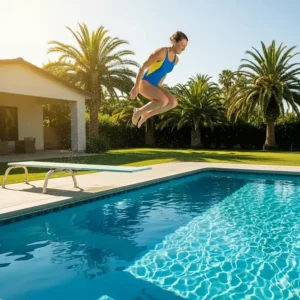
Adding a diving board for a pool isn’t just about entertainment—it transforms your ordinary swimming space into a backyard adventure zone. Whether you’re hosting pool parties, training young athletes, or simply want to relive those childhood cannonball competitions, the right pool diving board makes all the difference. The market’s exploded with options lately, from classic residential boards to professional-grade platforms, and honestly, navigating through them can feel overwhelming.
Here’s the thing: not all diving boards are created equal. You’ve got everything from budget-friendly 6-foot models perfect for casual family fun to heavy-duty 10-foot beasts designed for serious diving enthusiasts. According to the American National Standards Institute, proper diving equipment combined with adequate pool depth creates a safe environment that meets residential safety codes. But with prices ranging from $200 to over $2,000, how do you know which one’s worth your hard-earned cash?
✨Was this helpful? Spread the word! 🚀
In this guide, I’ll walk you through everything you need to know about choosing the perfect dive board for pool installations. We’ll explore the top seven products currently dominating Amazon, break down safety requirements, and help you figure out whether that stainless steel platform or classic fiberglass board suits your needs better.
Quick Comparison Table
| Product | Length | Weight Capacity | Material | Price Range | Best For |
|---|---|---|---|---|---|
| S.R. Smith Frontier III | 6′-10′ | 250 lbs | Fiberglass core | $450-$700 | Moderate to heavy residential use |
| S.R. Smith Flyte-Deck II | 6′-8′ | 250 lbs | Fiberglass/Steel stand | $900-$1,400 | Complete board & stand combo |
| Fiunkes Professional Platform | 19.7″ | 600 lbs | 304 Stainless steel | $280-$350 | Competition training |
| AIBOTY Heavy Duty Platform | 19.7″ | 600 lbs | Stainless steel | $260-$320 | Professional use |
| Pool Diving Board Springboard | 20″ | 400 lbs | Wood/Steel springs | $180-$240 | Gymnastics & pool training |
| Lillipad Diving Board | 6′ platform | 250 lbs | Aircraft-grade aluminum | $1,200-$1,500 | Boats & docks |
| CHUNTIANMEI Professional Board | 20″ | 600 lbs | Stainless steel | $220-$280 | Competition diving |
🏊 Ready to Make a Splash?
These diving boards range from residential boards perfect for weekend fun to professional platforms built for serious training. Each one brings something unique to the table—literally! Now let’s dive deeper into what makes each one special.
💬 Just one click – help others make better buying decisions too!😊
Top 7 Diving Boards for Pools: Expert Analysis
1. S.R. Smith Frontier III Replacement Diving Board
When you talk about diving boards, you’re basically talking about S.R. Smith—they’ve been the gold standard for over 85 years. The Frontier III is their residential workhorse, featuring a fiberglass-reinforced core wrapped in an acrylic shell with that iconic flexible outer edge.
Key Specifications:
- Available in 6′, 8′, and 10′ lengths
- 250 lbs weight capacity
- Anti-slip tread surface
- Laminated wood core construction
Price Range: $450-$700 depending on length and color
The beauty of the Frontier III lies in its versatility. Whether you’ve got a modest 16×32 pool or something larger, there’s a size that’ll work. Customers consistently praise its springy feel and durability—many report these boards lasting 10-15 years with proper maintenance.
Pros:
✅ Industry-leading brand reputation
✅ Excellent spring response and flex
✅ Multiple length options for different pool sizes
Cons:
❌ Requires separate stand purchase
❌ Higher price point than generic brands
2. S.R. Smith Flyte-Deck II Stand with Frontier III Board
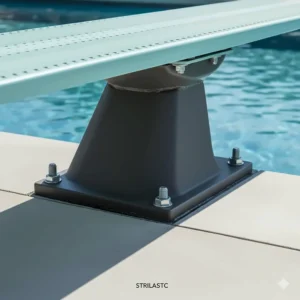
If you want a complete package, the S.R. Smith Flyte-Deck II delivers everything in one shot. This combo includes both the stand and the Frontier III board, eliminating the guesswork of matching components.
Key Specifications:
- Complete stand and board system
- Powder-coated steel construction
- 6′ or 8′ board options
- Stainless steel hardware for corrosion resistance
Price Range: $900-$1,400 for complete system
Installation’s straightforward since everything’s designed to work together. The stand features a sleek design that doesn’t dominate your pool deck, and the white powder coating handles weather exposure like a champ.
Pros:
✅ All-in-one solution simplifies purchasing
✅ Professional-grade construction
✅ Stainless hardware extends lifespan
Cons:
❌ Significant upfront investment
❌ Requires professional installation
3. Fiunkes Standard Pool Diving Board
Now here’s where things get interesting. The Fiunkes Standard Pool Diving Board isn’t your traditional springy board—it’s a professional starting platform designed for competitive training.
Key Specifications:
- 304 stainless steel construction
- 19.7″ x 19.7″ platform
- 600 lbs load capacity
- 15-degree incline design
Price Range: $280-$350
This platform excels for swimmers practicing racing starts or competitive diving techniques. The anti-slip resin surface with dense concavo-convex particles provides incredible grip even when wet. It’s a unitized design, meaning no assembly required—just bolt it down and you’re set.
Pros:
✅ Professional competition-grade platform
✅ Massive 600 lb weight capacity
✅ Weather-resistant stainless steel
Cons:
❌ Not suitable for recreational diving fun
❌ Requires concrete deck for installation
4. AIBOTY Heavy Duty Swimming Pool Diving Platform
Similar to the Fiunkes but with some unique features, the AIBOTY Heavy Duty Swimming Pool Diving Platform targets serious swimmers and competitive training environments.
Key Specifications:
- Heavy-duty 304 stainless steel base
- Professional 15-degree tilt
- Non-slip rubber surface
- 600 lbs capacity
Price Range: $260-$320
Customers love how stable this platform feels—there’s zero wobble even with heavier users. The flush-mounted design sits close to the deck, creating a clean aesthetic. Some buyers mentioned it’s perfect for teaching proper diving form to kids interested in competitive swimming.
Pros:
✅ Exceptional stability for training
✅ Budget-friendly for professional quality
✅ Easy maintenance requirements
Cons:
❌ Limited recreational appeal
❌ Installation requires drilling into concrete
5. Pool Diving Board Springboard with High-Elastic Springs
Looking for something with actual bounce? This Pool Diving Board Springboard brings gymnastics-style spring action to your pool.
Key Specifications:
- Heavy-duty wood frame construction
- 9 high-elastic steel springs
- 20-inch platform width
- 400 lbs weight capacity
Price Range: $180-$240
This bad boy’s designed for both poolside fun and vault training. The spring system delivers impressive height—I’m talking serious airtime if you time your jump right. One reviewer mentioned their teenage son uses it for practicing flips before heading to the gym.
Pros:
✅ Incredible bounce and spring action
✅ Dual-purpose (pool and gymnastics)
✅ Affordable price point
Cons:
❌ Requires regular spring maintenance
❌ Wood frame needs protection from elements
6. Lillipad Diving Board Pack
Okay, this one’s completely different. The Lillipad Diving Board is specifically engineered for boats and docks, not traditional pools—but hear me out.
Key Specifications:
- Aircraft-grade aluminum construction
- Quick-release pin system
- Upgraded SEADEK foam surface
- 250 lbs capacity
Price Range: $1,200-$1,500
If you’ve got a dock situation or need portability, this innovation award-winning design is unmatched. The energy-canceling design means you won’t rock the boat (literally), and the quick-release pins let you set it up or break it down in under two minutes. The textured foam surface lasts 8-10 years in harsh conditions.
Pros:
✅ Portable and easy to store
✅ Works on boats, docks, and pontoons
✅ Premium materials and construction
Cons:
❌ Not suitable for permanent pool installations
❌ Highest price point on this list
7. CHUNTIANMEI Professional Heavy Duty Diving Board
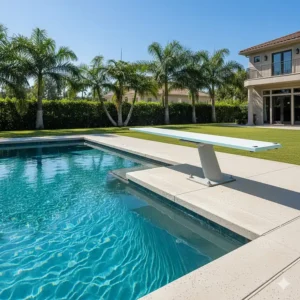
Rounding out our list, the CHUNTIANMEI Professional Heavy Duty Diving Board offers professional features at a consumer-friendly price.
Key Specifications:
- Stainless steel jumping platform
- Anti-slip rubber surface
- Competition diving board design
- 600 lbs load capacity
Price Range: $220-$280
This platform hits a sweet spot between professional performance and reasonable pricing. The frosted anti-slip surface works phenomenally well, and several buyers noted it’s perfect for teaching proper diving techniques. The compact 19.7-inch footprint means it won’t dominate smaller pool decks.
Pros:
✅ Professional specs at budget pricing
✅ Compact footprint
✅ Excellent grip surface
Cons:
❌ Assembly instructions could be clearer
❌ Limited aesthetic options
🎯 Click to Compare Current Prices! ✨
Check these diving boards on Amazon now to see live pricing, shipping options, and customer reviews. Don’t miss out on potential deals—prices fluctuate frequently, and some models sell out during peak pool season!
Understanding Diving Board Types and Materials
Not all diving boards are created equal, and understanding the differences helps you make a smarter purchase. Let me break down the main categories you’ll encounter.
Traditional Springboards vs. Starting Platforms
The classic diving board for a pool that most people envision is a springboard—think S.R. Smith Frontier III with its flexible, bouncy design. These boards use a combination of fiberglass, wood, or composite materials to create spring and flex. When you walk to the end and jump, that stored energy launches you upward and outward.
Starting platforms, on the other hand, are rigid structures designed for competitive swimming starts and diving training. Products like the Fiunkes and AIBOTY platforms fall into this category. They don’t flex or bounce—instead, they provide a stable surface for powerful push-offs.
Material Considerations
Fiberglass and Composite Boards: These dominate the residential market. They’re lighter than solid wood, resist water damage better, and provide excellent flex characteristics. The downside? They can develop stress cracks over time, especially in extreme weather conditions.
Stainless Steel Platforms: Professional-grade platforms use 304 stainless steel for maximum durability. According to pool safety experts, stainless steel withstands harsh pool chemicals and weather exposure without degrading. They’re virtually indestructible but lack the bounce factor that makes traditional boards fun.
Wood Core with Acrylic Shell: This construction method, used by premium brands like S.R. Smith, combines the natural flex of laminated wood with a protective acrylic coating. It’s the Goldilocks solution—enough bounce for fun, enough durability for years of use.
Stand Materials Matter Too
Don’t overlook the stand! Powder-coated steel stands resist rust but may eventually need touch-up paint. Stainless steel stands cost more upfront but basically last forever. Aluminum stands offer a lightweight middle ground but may not provide as solid a feel.
Safety Requirements for Pool Diving Boards
Here’s where things get serious. Before you order that shiny new dive board for pool adventures, you need to understand the safety requirements that keep everyone from ending up in the emergency room.
Minimum Pool Depth Requirements
The American National Standards Institute (ANSI) has established clear guidelines, and they’re not suggestions—they’re essential. For residential diving boards:
- 6-foot boards: Minimum 7.5 feet depth at the diving well
- 8-foot boards: Minimum 8 feet depth
- 10-foot boards: Minimum 9 feet depth
- Starting platforms: Minimum 8 feet for training purposes
The diving well isn’t just a spot—it’s a zone. According to the National Swimming Pool Foundation, this area should extend from the board tip to at least 8-10 feet forward, depending on board length, and maintain proper width for safe entry.
Pool Size Requirements
You can’t just slap a diving board onto any pool. The minimum recommended size is 16 feet wide by 32 feet long. Anything smaller creates dangerous diving conditions where you might not surface in time or could hit the pool walls.
Think about it: when someone dives off an 8-foot board, they can travel 8-10 feet forward before even entering the water. Add another 3-4 feet of underwater glide, and you need serious length to avoid disaster.
Slope Transition Requirements
Your pool bottom can’t drop off like a cliff. Safety codes require a maximum slope ratio of 1:5 (one foot of depth change for every five feet of horizontal distance). The transition point must be at least 2 feet, 9 inches beneath the waterline.
This gradual slope prevents divers from unexpectedly hitting shallow water as they surface from their dive.
Never Compromise on These Rules
I’ve seen people try to cut corners—adding boards to undersized pools or ignoring depth requirements. Don’t do it. One serious injury isn’t worth any amount of fun. If your pool doesn’t meet specifications, consider a jump platform for shallow end fun instead of a traditional diving board.
Installation Process: DIY vs. Professional
So you’ve picked your perfect diving board for a pool. Now comes the big question: can you install it yourself, or do you need to call in the pros?
DIY Installation Considerations
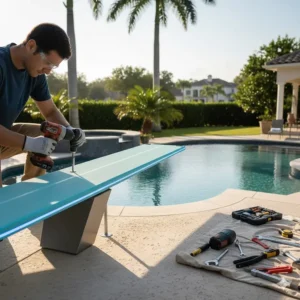
If you’re handy with tools and have basic construction knowledge, installing a diving board isn’t rocket science—but it’s not trivial either. Here’s what you’re looking at:
Tools Required:
- Heavy-duty hammer drill
- Concrete anchors (usually 1/2″ or larger)
- Torque wrench
- Level
- Tape measure
- Safety goggles and gloves
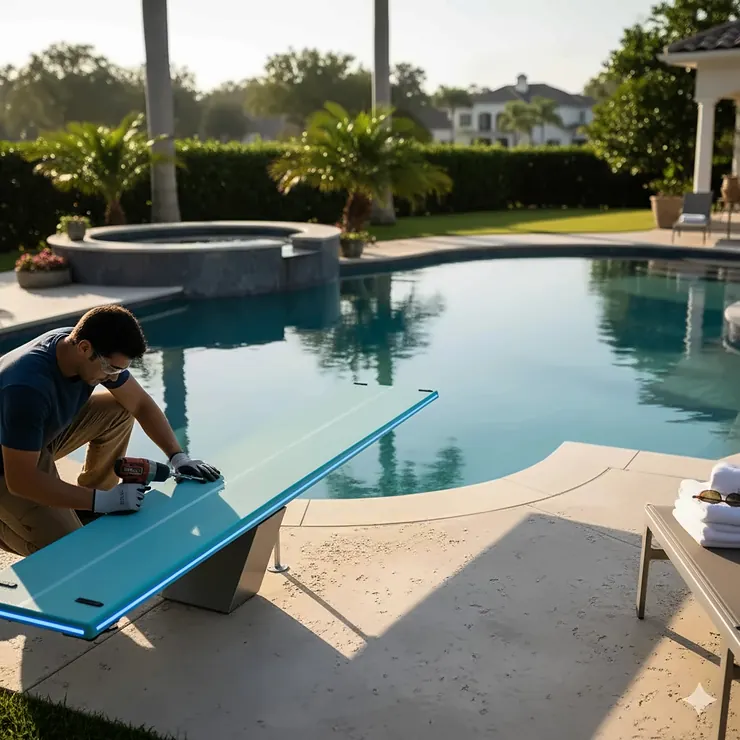
Most residential boards mount using either a jig system (two-hole mounting) or anchor bolts directly into the pool deck. The jig system’s easier since it provides built-in spacing and alignment. Starting platforms typically use four anchor points and require precise positioning.
Professional Installation Benefits
Pool professionals bring more than just tools—they bring experience. They know how to:
- Locate and avoid underground plumbing or electrical lines
- Ensure proper concrete thickness and reinforcement
- Achieve perfect board alignment for optimal diving trajectory
- Apply appropriate torque specifications without cracking concrete
According to pool installation experts, professional installation typically costs $200-$400 but includes liability coverage if something goes wrong. That’s cheap insurance compared to potential injury lawsuits.
When DIY Makes Sense
Starting platforms with surface-mount designs are DIY-friendly since they don’t require embedded hardware. If you’re mounting to a thick, solid concrete deck (minimum 6 inches) with no complications underneath, and you’re comfortable using power tools, go for it.
Traditional springboard installations with stands? I’d strongly recommend professional help unless you’ve done similar projects before. The stand must be level, plumb, and torqued correctly, or the board won’t perform properly.
Maintenance Tips for Long-Lasting Performance
You’ve invested in a quality diving board for a pool—now let’s make sure it lasts 15+ years instead of falling apart after five.
Regular Cleaning and Inspection
Every two weeks during swimming season, give your board a thorough inspection:
✅ Check all bolts and fasteners for tightness
✅ Inspect the surface for cracks or stress marks
✅ Clean the anti-slip tread to maintain grip
✅ Look for rust on metal components
✅ Verify the board still flexes evenly across its length
For cleaning, simple soap and water work best. Avoid harsh chemicals that might degrade fiberglass or acrylic coatings. A soft brush removes debris from textured surfaces without damaging them.
Seasonal Winterization
If you live where temperatures drop below freezing, winterization is crucial:
- Clean thoroughly before storage
- Apply protective coating to exposed metal
- Remove and store indoors if possible (many boards detach easily)
- Cover with weatherproof material if storing outside
- Loosen bolts slightly to allow for expansion/contraction
Fiberglass and composite boards handle cold better than solid wood cores, but even they benefit from protection. Water that seeps into microscopic cracks can freeze, expand, and cause serious damage.
Signs It’s Time for Replacement
Even the best dive board for pool use eventually wears out. Watch for:
- Visible cracks in the board surface
- Excessive wobbling or instability
- Rust that can’t be cleaned or treated
- Delamination (layers separating)
- Soft spots when you walk on the board
- Significant fading or UV damage
According to S.R. Smith’s maintenance guidelines, most residential boards need replacement after 10-15 years of regular use. Professional platforms might last 20+ years due to heavier construction.
Choosing the Right Length for Your Pool
Board length dramatically impacts both fun factor and safety. Here’s how to nail this crucial decision.
6-Foot Boards: The Family-Friendly Choice
Six-foot boards are the most popular for residential pools, and for good reason. They provide enough spring for fun without requiring massive pool depths. Kids love them, adults enjoy them, and they work with pools as small as 16×32 feet.
The Frontier III in 6-foot configuration is perfect for families with younger children. It’s forgiving, doesn’t create scary heights, and still delivers that satisfying bounce.
8-Foot Boards: The Sweet Spot
Eight-footers offer noticeably more spring and airtime while still working with most residential pools. You’ll need at least 8 feet of water depth, but if you have it, this length provides the best balance of performance and practicality.
Serious divers prefer 8-foot boards because they allow for more complex maneuvers. Flips, twists, and gainers become possible with the extra momentum.
10-Foot Boards: For the Enthusiasts
Ten-foot boards are borderline commercial-grade. They require minimum 9-foot water depth, significant pool length, and often need permits. Unless you’re training competitive divers or have an exceptionally large pool, they’re overkill.
That said, if you’ve got the space and depth, a 10-footer delivers an experience approaching commercial diving boards. The spring and height are intoxicating.
Matching Board to Pool Dimensions
Use this simple formula: Your pool should be at least twice as long as your board, plus 16 feet. So:
- 6-foot board = 28-foot minimum pool length
- 8-foot board = 32-foot minimum pool length
- 10-foot board = 36-foot minimum pool length
Width matters less but shouldn’t be under 16 feet regardless of board length.
Budget Considerations and Value Analysis
Let’s talk money. Diving boards range from $200 to over $2,000, and understanding what you’re paying for helps avoid buyer’s remorse.
Entry-Level Options ($150-$350)
Budget boards like the CHUNTIANMEI and generic Amazon platforms fall into this range. You’re getting basic functionality without premium features. Expect:
- Standard materials (regular steel, basic fiberglass)
- Limited color options
- Shorter warranties (1-2 years typical)
- Adequate performance for casual use
These work fine if you’re not picky and use the board occasionally. They won’t impress serious divers but get the job done.
Mid-Range Quality ($400-$900)
This tier includes products like the S.R. Smith Frontier III board (without stand). Here you get:
- Better materials (fiberglass-reinforced cores, quality acrylic)
- Improved spring characteristics
- Longer warranties (5+ years)
- Established brand reputation
The performance difference between entry-level and mid-range is significant. Better materials mean better flex, longer life, and more consistent performance.
Premium Systems ($1,000-$2,000+)
Complete systems like the Flyte-Deck II or specialty products like the Lillipad dominate this category. You’re paying for:
- Professional-grade construction
- Complete board and stand packages
- Premium materials (304 stainless, aircraft aluminum)
- Extensive warranties
- Superior engineering and design
If you use your diving board for a pool regularly, premium options pay for themselves through longevity and performance.
Total Cost of Ownership
Don’t forget installation ($200-$400 professional), potential deck reinforcement ($500-$2,000 if needed), maintenance supplies ($50/year), and eventual replacement parts. A $500 board might cost $1,200 all-in over its first year.
Installation Location and Deck Requirements
Where you put your dive board for pool matters as much as which board you choose. Let’s explore optimal positioning and deck considerations.
Optimal Positioning for Safety
The diving board should be centered on the deepest part of your pool, with the tip hanging over the point of maximum depth. This ensures divers enter the water at the safest location.
Avoid installing boards near:
- Pool corners or curves
- Return jets that create surface turbulence
- Underwater lighting fixtures
- Steps or ladders
A good rule: maintain at least 8 feet of clearance to any obstacle in all directions from where divers will enter the water.
Deck Thickness and Reinforcement
Your pool deck must be at least 6 inches thick to safely support a diving board installation. Thinner decks can crack under the dynamic loading of repeated jumps.
If you’re unsure about deck thickness, hire a pool professional to investigate before purchasing. Some older pools have only 4-inch decks that require reinforcement—an expensive surprise if you discover it after buying your board.
Underground Considerations
Before drilling anchor holes, know what’s beneath your deck:
- Plumbing lines (pool circulation equipment)
- Electrical conduits (lighting, pumps)
- Rebar or wire mesh in the concrete
- Drainage systems
Professional installers use ground-penetrating radar or detailed pool plans to avoid these hazards. DIYers should at minimum review their pool’s construction drawings.
Legal and Insurance Considerations
Here’s the stuff nobody wants to discuss but everyone needs to know. A diving board for a pool comes with legal responsibilities.
Homeowner’s Insurance Implications
Many insurance companies classify diving boards as “attractive nuisances”—features that might draw children onto your property without permission. You should:
- Notify your insurance company before installation
- Consider increasing liability coverage (experts recommend minimum $500,000)
- Install proper fencing and self-closing gates
- Post clear diving rules and depth markers
- Consider an umbrella policy for additional protection
According to insurance industry data, diving-related injuries account for thousands of homeowner liability claims annually. Proper coverage is essential.
Local Permits and Regulations
Many municipalities require permits for diving board installations. Requirements vary but often include:
- Structural engineering review
- Pool depth verification
- Fence height compliance
- Safety equipment placement
Check with your local building department before installation. Unpermitted work can create problems when selling your home and might void insurance coverage.
Liability Waivers and Rules
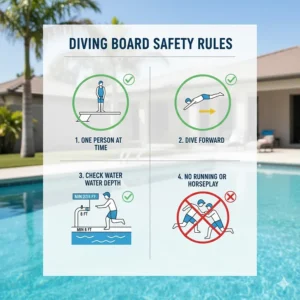
If you host parties or let neighbors use your pool, written rules and waivers aren’t paranoia—they’re prudent. Post clearly visible signs stating:
- Minimum pool depth
- Maximum weight limits
- No horseplay or running
- Proper diving techniques
- Adult supervision required
While waivers don’t eliminate liability, they demonstrate responsible ownership and can help in legal disputes.
FAQ Section
❓ How deep does my pool need to be for a diving board for a pool installation?
❓ Can I install a dive board for pool on an above-ground pool?
❓ What's the typical lifespan of a residential diving board for a pool?
❓ Do I need professional installation for my pool diving board?
❓ What maintenance does a dive board for pool require annually?
Conclusion: Making Your Final Decision
Choosing the right diving board for a pool boils down to matching your specific needs with the perfect product. Whether you’re leaning toward the industry-standard S.R. Smith Frontier III for reliable family fun, the professional-grade Fiunkes Platform for competitive training, or the innovative Lillipad for dock installations, there’s an option that fits.
Remember the non-negotiables: adequate pool depth, proper deck thickness, professional installation for complex systems, and regular maintenance. These factors matter more than the specific board you choose. A budget board installed correctly and maintained properly outperforms a premium board installed poorly.
Take your time researching, measure your pool accurately, and don’t hesitate to consult with pool professionals. This isn’t a decision to rush—a quality diving board transforms your pool from ordinary to extraordinary for the next 10-15 years.
🌟 Ready to Take the Plunge?
Head over to Amazon now and check current pricing on these top-rated diving boards. Summer’s coming fast, and popular models sell out quickly. Your backyard water adventure awaits! 🏊♂️💦
Recommended for You
- Underwater Lights for Inground Pools: 7 Best Picks 2025
- Lights Above Ground Pool: 7 Stunning Options That Transform Nights
- Fire Bowls for Pools: 7 Stunning Picks That Dazzle (2025)
Disclaimer: This article contains affiliate links. If you purchase products through these links, we may earn a small commission at no additional cost to you.
✨ Found this helpful? Share it with your friends! 💬🤗
