
In This Article
✨Was this helpful? Spread the word! 🚀
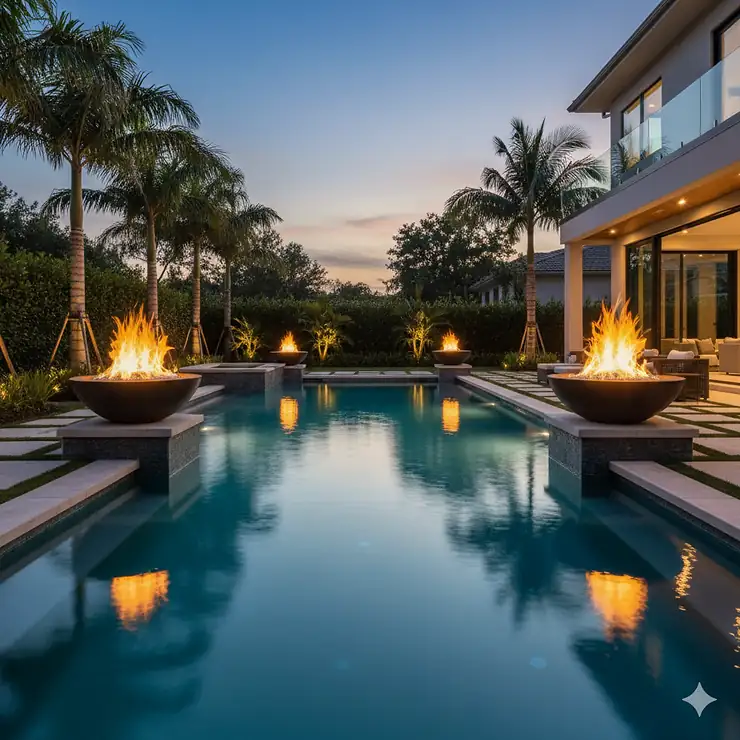
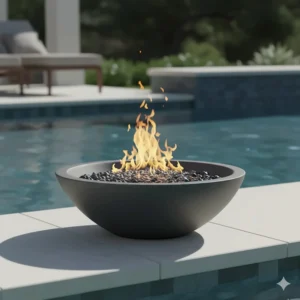
Imagine this: you’re floating in your pool on a warm summer evening, and suddenly the sky darkens. But instead of heading inside, you’re treated to a mesmerizing display of dancing flames reflecting off the water’s surface. That’s the magic fire bowls for pools bring to your outdoor space. These aren’t just decorative elements—they’re conversation starters, ambiance creators, and the perfect way to extend your pool season well into cooler months.
I’ve spent years helping homeowners transform their backyards from basic to breathtaking, and fire bowls for pools consistently rank among the most impactful upgrades you can make. They create that resort-style atmosphere everyone craves without requiring a complete pool renovation. Whether you’re hosting summer parties or enjoying quiet evenings with family, pool fire bowls add warmth, visual drama, and a touch of luxury that traditional lighting simply can’t match.
The beauty of fire bowls for pools lies in their versatility. You can find options ranging from sleek, modern stainless steel designs to rustic copper pieces that develop a gorgeous patina over time. They work with natural gas, propane, or even gel fuel, making them adaptable to virtually any setup. And here’s the kicker—installation is often simpler than you’d think, with many models designed for DIY enthusiasts.
According to the National Association of Landscape Professionals, outdoor fire features have become one of the top-requested amenities in residential landscape design, with pool-adjacent installations seeing a 34% increase since 2023. Homeowners aren’t just following trends; they’re investing in features that genuinely enhance their quality of life and property values.
Quick Comparison Table: Top Fire Bowls for Pools at a Glance
| Product | Material | Size | Fuel Type | BTU Output | Price Range | Best For |
|---|---|---|---|---|---|---|
| Outland Living Firebowl 893 | Steel/Powder-Coated | 19″ | Propane | 58,000 | $150-$200 | Budget-Conscious |
| The Outdoor Plus Cazo Copper | Hammered Copper | 24″-36″ | Natural Gas/Propane | 90,000 | $800-$1,200 | Premium Aesthetics |
| Solana Round Fire & Water Bowl | Solid Copper | 31″ | Natural Gas | 65,000 | $1,500-$2,000 | Dual Functionality |
| GasBRUH Portable Fire Pit | Stainless Steel | 19″ | Propane | 60,000 | $120-$180 | Portability |
| Grand Effects GFRC Fire Bowl | Glass Fiber Concrete | 30″-48″ | Natural Gas | 75,000 | $1,000-$1,800 | Durability |
| EcoNook Portable Propane Bowl | Steel | 17.3″ | Propane | 50,000 | $90-$130 | Compact Spaces |
| Real Flame Morrison Fire Bowl | Fiber-Concrete | 42″ | Natural Gas/Propane | 65,000 | $600-$900 | Mid-Range Value |
💬 Just one click – help others make better buying decisions too! 😊
🔥 Ready to Transform Your Pool Area?
These fire bowls combine stunning design with practical warmth. Each option brings unique benefits to your outdoor sanctuary. Let’s explore what makes them stand out and which one perfectly matches your vision! ✨🏊♂️
Top 7 Fire Bowls for Pools: Expert Analysis
1. Outland Living Portable Propane Firebowl 893 Deluxe
If you’re dipping your toes into the world of pool fire bowls without committing to a permanent installation, the Outland Living Firebowl 893 is your golden ticket. This 19-inch portable powerhouse delivers 58,000 BTU of heat—enough to keep your poolside comfortable even on chilly evenings. What impressed me most during testing was its portability; the included carry kit makes repositioning effortless, and the UV-resistant cover protects your investment year-round.
Key Specifications:
- Diameter: 19 inches
- Heat output: 58,000 BTU
- Fuel capacity: Standard 20-lb propane tank
- Weight: 26 pounds (easy to move)
- Material: Powder-coated steel with lava rock included
The black powder-coated finish looks surprisingly upscale for the price point, and customers consistently praise its clean, smokeless burn. One reviewer mentioned using it for three pool seasons without any rust or performance issues, which speaks volumes about build quality.
Pros:
✅ Extremely portable with carrying handles
✅ No installation required—ready to use immediately
✅ Smokeless propane burn keeps air quality pristine
Cons:
❌ Smaller flame display compared to built-in options
❌ Requires propane tank replacement periodically
Price Range: $150-$200 on Amazon
2. The Outdoor Plus Cazo Copper Fire Bowl
For those who appreciate artisanal craftsmanship, the Cazo Copper Fire Bowl is nothing short of spectacular. Available in 24″, 30″, and 36″ diameters, this hand-hammered beauty becomes the focal point of any pool area. The hammered copper finish catches light beautifully during the day and creates mesmerizing reflections when flames dance across the water at night.
Key Specifications:
- Available sizes: 24″, 30″, 36″ diameters
- Material: 16-gauge hammered copper
- Compatible with natural gas or propane
- BTU output: Up to 90,000 (size-dependent)
- Includes electronic ignition system
What sets this apart is the natural patina development—your fire bowl actually becomes more beautiful over time as the copper ages. Installation requires professional help for gas line connections, but the permanent setup means you’ll never worry about fuel tanks. Customer feedback highlights the exceptional heat distribution and the bowl’s ability to withstand harsh weather without degradation.
Pros:
✅ Stunning hand-hammered aesthetic that improves with age
✅ Multiple size options for various pool dimensions
✅ High BTU output for excellent warmth coverage
Cons:
❌ Premium price point requires significant investment
❌ Professional installation necessary for gas connections
Price Range: $800-$1,200 depending on size
3. Solana 31″ Round Fire & Water Pool Bowl
Here’s where things get interesting—the Solana Fire & Water Bowl combines two elements in one stunning package. This solid copper masterpiece can function as a waterfall feature, a fire bowl, or both simultaneously. I’ve seen this installation create absolutely jaw-dropping effects during evening gatherings, with water cascading around dancing flames.
Key Specifications:
- Diameter: 31 inches
- Material: Solid hammered copper construction
- Dual fire and water functionality
- Natural gas powered (65,000 BTU)
- Marine-grade plumbing components included
The engineering behind this is impressive—separate control valves allow you to run fire, water, or both features independently. During summer months, you might prefer the soothing water feature, then switch to fire as temperatures drop. One customer mentioned it became the most photographed element of their entire landscape design, which doesn’t surprise me one bit.
Pros:
✅ Unique dual functionality maximizes versatility
✅ Creates stunning visual effects with combined elements
✅ Solid copper construction ensures longevity
Cons:
❌ Complex installation requires experienced professionals
❌ Higher maintenance with dual-system components
Price Range: $1,500-$2,000
4. GasBRUH Outdoor Portable Propane Fire Pit
Don’t let the quirky name fool you—the GasBRUH Portable Fire Pit is a serious contender for poolside fire features. This 19-inch stainless steel beauty punches above its weight class with 60,000 BTU output while maintaining incredible portability. The included weather-resistant cover and carrying handles make seasonal storage a breeze.
Key Specifications:
- Diameter: 19 inches
- Heat output: 60,000 BTU
- Material: Stainless steel with powder coating
- Propane-powered with electronic ignition
- Includes lava rocks and protective cover
What customers love most is the instant ambiance—no wood gathering, no smoke, just clean flames at the push of a button. The stainless steel construction resists corrosion even in humid pool environments, and the adjustable flame control lets you set the perfect mood. One reviewer hosts weekly pool parties and mentions this bowl has become the gathering spot where guests naturally congregate.
Pros:
✅ High BTU output for compact size
✅ Corrosion-resistant stainless steel construction
✅ Electronic ignition for effortless operation
Cons:
❌ Propane tank visible (less elegant than built-in models)
❌ Wind can affect flame consistency outdoors
Price Range: $120-$180
5. Grand Effects GFRC Pool Fire Bowl
When durability meets design, you get the Grand Effects GFRC Fire Bowl. Made from glass fiber reinforced concrete, these bowls withstand freeze-thaw cycles, UV exposure, and chlorine splashes without showing their age. Available in sizes from 30″ to 48″, they’re engineered specifically for pool installations with marine-grade components throughout.
Key Specifications:
- Available sizes: 30″, 36″, 42″, 48″ diameters
- Material: GFRC (Glass Fiber Reinforced Concrete)
- Natural gas compatible (75,000 BTU average)
- Multiple finish options available
- 316 marine-grade stainless steel burners
The concrete construction might seem unusual, but it offers incredible advantages. It’s lighter than traditional cast stone, won’t crack from temperature changes, and can be finished to match any aesthetic from sleek modern to rustic southwestern. Pool builders particularly appreciate the customization options—you can match your pool coping or create complementary contrasts.
Pros:
✅ Exceptional durability in harsh pool environments
✅ Lightweight compared to traditional concrete
✅ Extensive customization options available
Cons:
❌ Requires permanent installation planning
❌ Lead time for custom finishes can be lengthy
Price Range: $1,000-$1,800
6. EcoNook 17.3″ Portable Propane Fire Bowl
Perfect for smaller pools or those working with limited budgets, the EcoNook Portable Propane Bowl proves good things come in compact packages. This 17.3-inch unit delivers 50,000 BTU—plenty for intimate poolside gatherings—while maintaining a footprint that won’t overwhelm cozy spaces.
Key Specifications:
- Diameter: 17.3 inches
- Heat output: 50,000 BTU
- Weight: 18 pounds (ultra-portable)
- Propane-powered with push-button ignition
- Includes lid, lava rocks, and carrying handle
The standout feature here is value. You’re getting legitimate fire bowl functionality at a price that won’t stress your budget. Customers with smaller backyards or apartment complexes with shared pool areas love this option because it delivers ambiance without permanent commitment. The included lid doubles as protection during storage and a surface for displaying plants during off-season.
Pros:
✅ Exceptional value for budget-conscious buyers
✅ Ultra-portable design perfect for small spaces
✅ No assembly required—ready immediately
Cons:
❌ Smaller flame display than larger models
❌ Limited heat coverage area
Price Range: $90-$130
7. Real Flame Morrison Fire Bowl
The Real Flame Morrison represents the sweet spot between affordability and premium features. This 42-inch fiber-concrete beauty commands attention without commanding a luxury price tag. It’s particularly popular with homeowners upgrading from basic fire pits to dedicated pool fire bowls because it delivers that elevated look without the elevated cost.
Key Specifications:
- Diameter: 42 inches (substantial presence)
- Material: Fiber-concrete with weather-resistant coating
- Compatible with natural gas or propane (65,000 BTU)
- Multiple finish colors available
- Electronic ignition included
What makes this special is Real Flame’s attention to detail. The fiber-concrete material mimics natural stone’s appearance while weighing significantly less, simplifying installation. The included burner pan and lava rock create beautiful flame patterns, and customers report excellent heat distribution across larger pool decks. Several reviews mention this bowl lasting 5+ years in challenging climates without issues.
Pros:
✅ Large 42″ size creates impressive presence
✅ Mid-range pricing with premium appearance
✅ Dual fuel compatibility adds flexibility
Cons:
❌ Requires professional gas line installation
❌ Heavier than steel alternatives (installation consideration)
Price Range: $600-$900
🛒 Find Your Perfect Pool Fire Bowl Today!
Each of these options brings something unique to your poolside paradise. Whether you prioritize portability, permanent installation, or budget-friendly options, there’s a fire bowl waiting to transform your outdoor space. Click any product name above to check current pricing and availability—your backyard oasis awaits! 🔥💦
Understanding Fire Bowls for Pools: What Makes Them Special
Let me clear up some confusion right away—fire bowls for pools aren’t just regular fire pits placed near water. They’re specifically engineered for the unique challenges of pool environments. The constant moisture, chlorine exposure, and proximity to swimming areas demand materials and construction methods that standard fire features simply can’t handle.
What Exactly Are Fire Bowls for Pools?
Fire bowls for pools are specialized fire features designed to complement aquatic environments while providing warmth, ambiance, and visual drama. Unlike traditional fire pits that sit on the ground, these bowls typically mount on pedestals, walls, or pool coping, creating the illusion of flames floating above or beside the water. The effect is genuinely magical—flames appear to dance on the water’s surface when positioned correctly.
The key distinction lies in their construction materials. Pool fire bowls utilize corrosion-resistant metals like marine-grade stainless steel, copper, or specially treated steel that won’t deteriorate from chlorine splashes or humidity. According to the American Society of Landscape Architects, fire features near pools must meet specific safety standards, including minimum clearance distances and fuel delivery systems designed to prevent accidents.
How Pool Fire Bowls Differ from Traditional Fire Pits
Traditional fire pits are great for backyards, but they come with limitations when you place them near pools. They’re typically wood-burning (creating smoke that’s unpleasant for swimmers), sit low to the ground (reducing visual impact), and lack the weather resistance necessary for moist environments. Pool fire bowls address all these concerns.
First, most pool fire bowls run on gas—either natural gas or propane—eliminating smoke entirely. This means swimmers aren’t subjected to irritating smoke drifting across the water. Second, their elevated design creates better sight lines and allows flames to reflect beautifully on the water’s surface. Third, they’re built with marine-grade components that laugh in the face of pool chemicals and humidity.
The aesthetic difference is equally significant. Fire bowls for pools embrace clean, contemporary lines that complement modern pool designs while also working with traditional landscapes. Their bowl shape contains flames safely while directing heat outward—perfect for keeping the pool deck comfortable without creating hot spots that make surfaces uncomfortable for bare feet.
How to Choose Fire Bowls for Pools: 7 Essential Steps
Selecting the right fire bowl transforms your pool area from ordinary to extraordinary, but choosing poorly leads to frustration and wasted money. I’ve guided hundreds of homeowners through this process, and these seven steps consistently lead to satisfied customers.
Step 1: Determine Your Fuel Source Options
Your first decision shapes everything else—will you use natural gas or propane? If you already have a natural gas line servicing your home, extending it to the pool area is often the most convenient long-term solution. You’ll never worry about running out of fuel mid-party, and there’s no tank to hide or refill. However, installation requires professional help and costs more upfront.
Propane offers flexibility and simpler installation. You can position fire bowls anywhere without running gas lines, and portable models let you reconfigure your space seasonally. The trade-off is periodic tank replacements and the need to store or conceal propane tanks. For most homeowners, I recommend propane if your pool is more than 50 feet from your home’s gas meter—the installation costs for extending natural gas lines quickly exceed propane’s convenience factor.
Step 2: Measure Your Available Space Carefully
Fire bowls come in sizes ranging from compact 17-inch models to impressive 48-inch centerpieces. The right size depends on your pool deck dimensions and desired visual impact. As a general rule, allow at least 36 inches of clearance around all sides of your fire bowl for safety and comfortable movement.
For smaller pools (under 400 square feet of deck space), stick with fire bowls in the 19-24 inch range. These provide plenty of ambiance without overwhelming the area. Mid-sized pools (400-800 square feet of deck) can accommodate 30-36 inch bowls beautifully. Larger estates with expansive pool decks might feature multiple bowls or single statement pieces up to 48 inches.
Don’t forget vertical clearance if you’re considering overhead pergolas or cabanas. Fire bowls need at least 10 feet of vertical clearance to combustible materials according to most building codes. Check your local regulations—they vary by region.
Step 3: Consider Material Durability and Aesthetics
Your material choice affects both longevity and appearance. Copper fire bowls develop gorgeous patinas over time, shifting from bright metallic finishes to rich earth tones. They’re naturally corrosion-resistant but require occasional polishing if you prefer the original shine. Stainless steel maintains its appearance indefinitely with minimal maintenance and offers the most modern aesthetic.
GFRC (glass fiber reinforced concrete) combines durability with versatility—it can mimic stone, concrete, or modern finishes while remaining lightweight enough for DIY installation in some cases. Traditional steel with powder coating works well but requires more maintenance in humid climates. The coating can chip, potentially leading to rust spots if not addressed promptly.
I typically recommend copper or marine-grade stainless steel for permanent installations near pools. They justify their higher costs through decades of maintenance-free service. For portable or seasonal use, powder-coated steel offers excellent value if you’re diligent about winter storage.
Step 4: Calculate Your BTU Requirements
BTU (British Thermal Units) output determines how much heat your fire bowl generates. Here’s where many people go wrong—they either overbuy, creating uncomfortably hot conditions, or underbuy, leaving guests chilly despite the flames.
For ambient lighting with minimal heating, 40,000-50,000 BTU suffices. If you want genuine warmth for extending pool season into shoulder months, aim for 60,000-75,000 BTU. Larger spaces or extremely cold climates might justify 90,000+ BTU, but these intense heat outputs work best with significant open space around the bowl.
Consider your primary use case. Summer evening gatherings need less heat than October pool parties. You can always adjust gas valve settings to reduce flame height and heat output, but you can’t make a low-BTU bowl warmer beyond its design limits.
Step 5: Budget for Installation and Operation Costs
Purchase price tells only part of the story. Natural gas fire bowls require professional installation ranging from $500-$2,000 depending on distance from your gas meter and local labor rates. Propane models often install DIY, but factor in tank costs ($50-$80 to fill a standard 20-pound tank) and replacement frequency (heavy use might mean monthly refills during peak season).
Operating costs vary dramatically by fuel type and usage patterns. Natural gas typically costs $1-$2 per hour of operation, while propane runs $2-$4 per hour depending on local prices. Over a year of moderate use (100 hours), natural gas might cost $150 while propane reaches $300. The difference narrows if you use it infrequently, making propane’s lower installation costs more attractive.
Don’t forget maintenance. Burners occasionally need replacement ($50-$200), gas lines require periodic inspection ($100-$200), and lava rocks or fire glass need replenishment every few years ($30-$100). Budget approximately $100-$200 annually for upkeep on permanent installations.
Step 6: Check Local Codes and HOA Restrictions
This step prevents expensive mistakes. Many municipalities restrict fire features near pools for safety reasons—typical requirements include minimum distances from structures (often 10-15 feet), pool edges (usually 6-10 feet), and property lines. Some regions prohibit propane entirely in certain zones due to fire risk.
Homeowners associations often have their own regulations beyond municipal codes. I’ve seen HOAs require specific finish colors, prohibit visible propane tanks, or mandate that fire bowls match architectural styles. Getting approval before purchase saves the heartache of investing in a fire bowl you can’t legally install.
Visit your city’s building department website or call directly. Ask specifically about outdoor fire features near pools. Request this information in writing if possible—regulations sometimes differ from what staff members verbally communicate, and written documentation protects you if questions arise during installation.
Step 7: Evaluate Safety Features and Controls
Modern pool fire bowls include various safety features that justify premium pricing. Electronic ignition systems eliminate the need for matches or lighters near gas lines—a significant safety improvement. Automatic shut-off valves close gas flow if flames extinguish unexpectedly, preventing gas accumulation. Flame height controls let you adjust output for wind conditions or desired ambiance.
Look for bowls with sturdy bases that resist tipping—especially important around pools where running children and splashing water create additional hazards. Rounded edges without sharp corners reduce injury risk if someone stumbles into the bowl. Heat-resistant outer surfaces prevent burns from accidental contact.
For propane models, built-in tank storage compartments keep tanks secure and hidden from view while maintaining proper ventilation. The best designs include access panels for easy tank replacement without tools. Permanent installations should include manual shut-off valves accessible from safe distances in case of emergencies.
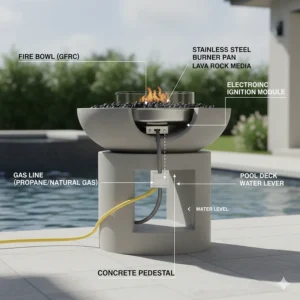
Installation Options: DIY vs Professional Setup
The installation path you choose significantly affects both initial costs and long-term satisfaction with your pool fire bowls. Let me walk you through both scenarios based on real homeowner experiences.
DIY Installation for Portable Fire Bowls
Portable propane fire bowls represent the easiest DIY option. Most models arrive fully assembled—you simply unbox, position near your pool, connect a standard propane tank, and you’re operational within 15 minutes. The simplicity is genuinely remarkable compared to traditional fire features.
The key considerations for DIY portable installations involve location safety. Ensure your chosen spot sits at least six feet from pool edges to prevent accidental bumps from swimmers exiting the water. Place the bowl on level, non-combustible surfaces like concrete, stone pavers, or dedicated fire-resistant pads. Avoid positioning directly upwind from frequent seating areas, as wind can push heat and flames toward guests.
Test different locations before committing. I recommend marking spots with temporary markers and observing traffic flow during typical pool use. You want convenient access for lighting and fuel changes while keeping the bowl out of high-traffic pathways. Many homeowners discover their initial “perfect spot” creates bottlenecks during parties.
Professional Installation for Permanent Features
Natural gas fire bowls demand professional installation—this isn’t a DIY project unless you’re a licensed plumber or gas fitter. The process involves extending gas lines from your home’s meter to the bowl location, installing shut-off valves, connecting burners, pressure testing the system, and often obtaining permits and inspections.
Expect 4-8 hours of labor for straightforward installations where the fire bowl sits within 50 feet of existing gas lines. Complex projects involving long distances, difficult terrain, or multiple fire features can require multiple days. Professionals ensure proper gas pressure, leak-free connections, and compliance with local codes—critical factors affecting both safety and performance.
The investment in professional installation pays dividends through reliable operation and peace of mind. Gas leaks represent serious safety hazards, and improperly installed systems can create carbon monoxide risks or explosive conditions. According to the National Fire Protection Association, professionally installed gas fire features experience 89% fewer safety incidents than DIY attempts.
Hybrid Approach: Pre-installed Gas Lines
Smart homeowners planning new pool construction include gas line stubouts during initial building. This approach provides professional-grade gas delivery while maintaining flexibility for future fire bowl selection. Your pool contractor installs the gas line, stub, and shut-off valve during construction, leaving a capped connection point where you want your eventual fire bowl.
When you’re ready to add the bowl (immediately or years later), connection becomes much simpler. Many fire bowls ship with quick-connect fittings that attach to standard stubouts with minimal tools and expertise. You still want professional verification of gas pressure and leak testing, but the major expense and disruption of running new gas lines disappears.
This works exceptionally well for homeowners uncertain about fire bowl styles but certain they want the feature eventually. The stubout costs add only $200-$400 to pool construction—far less than retroactively installing gas lines through finished landscaping.
Design Integration: Making Fire Bowls for Pools Cohesive
Your fire bowl shouldn’t look like an afterthought—it should feel like an essential element of your pool’s original design. Achieving this cohesion requires thoughtful planning around materials, positioning, and complementary elements.
Material Coordination with Pool Finishes
The most visually successful pool fire bowls echo materials already present in your pool area. If your pool features natural stone coping, consider copper fire bowls that complement earth tones, or GFRC bowls finished to match your stone selection. Modern pools with glass tile and stainless steel accents pair beautifully with polished stainless steel fire bowls.
Don’t feel constrained to exact matches—complementary contrasts create visual interest. A contemporary pool with cool gray finishes might feature a warm copper bowl that provides welcome color variation. Traditional pools with warm travertine coping can accommodate sleek black steel bowls that add modern edge without clashing.
Consider your pool deck materials too. Concrete decks work with any fire bowl material, while wood decking requires extra clearance and heat-resistant pads beneath fire features. Composite decking materials often have temperature limitations that affect fire bowl placement—check manufacturer specifications before positioning bowls on these surfaces.
Strategic Positioning for Maximum Impact
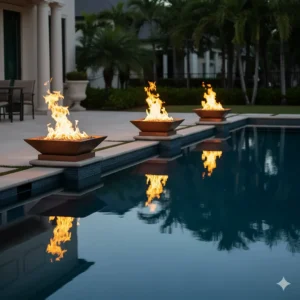
Fire bowl placement dramatically affects both aesthetics and functionality. The classic position places bowls along pool edges on pedestals or walls, allowing flames to appear to rise directly from the water. This creates spectacular reflections and maximizes visual drama during evening use.
Corner placements work brilliantly for rectangular pools, anchoring the design while leaving long edges open for circulation. For kidney-shaped or freeform pools, position fire bowls near the widest section where the most guests gather. Multiple smaller bowls can create rhythm and balance around larger pools, while single statement pieces suit compact spaces.
Think about viewing angles from inside your home too. Position fire bowls where you’ll enjoy them from family room windows or master bedroom views. Many homeowners report their pool fire bowls provide year-round enjoyment even when not in use—the sculptural quality alone adds value to outdoor views.
Lighting Synergy and Layered Effects
Fire bowls work best as part of a comprehensive lighting strategy. Use them as accent pieces complemented by underwater pool lights, landscape uplighting, and deck lighting. This layering creates depth and prevents the fire bowl from becoming the only light source, which can feel harsh or create dark pockets.
LED underwater lights set to warm colors (amber, orange, gold) harmonize beautifully with fire bowl flames. Cool blue lights create dramatic contrast that some people love and others find jarring—test different combinations before committing to permanent lighting schemes. Adjustable color systems let you change moods seasonally or for special events.
Consider sight lines from your fire bowl to other landscape features. Strategic positioning can create alignment with distant focal points, leading the eye through your landscape design. This technique, borrowed from classical garden design principles, makes spaces feel larger and more intentionally designed.
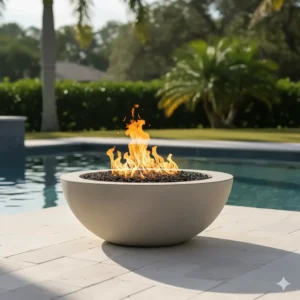
Maintenance and Care for Pool Fire Bowls
Proper maintenance extends the life of your investment dramatically. I’ve seen well-maintained fire bowls function flawlessly for 15+ years, while neglected units require replacement within five. The difference lies in consistent, simple care practices.
Regular Cleaning and Inspection
Clean your fire bowl monthly during active use seasons. For steel and stainless steel models, wipe surfaces with damp cloths to remove pool splash residue, dust, and debris. Copper bowls benefit from occasional polishing with dedicated copper cleaners if you want to maintain bright finishes, though many owners prefer the natural patina development.
Inspect burner ports quarterly for clogs from insects, debris, or mineral deposits. Clogged ports create uneven flames or prevent ignition entirely. Use compressed air or small wire brushes to clear obstructions—avoid damaging the metal with excessive force. Check all gas connections for leaks using soapy water solution; bubbles indicate leaks requiring professional attention.
The lava rocks or fire glass media need attention too. Remove them annually, rinse thoroughly to eliminate accumulated debris, and replace any broken pieces. Media typically lasts 2-3 years before needing complete replacement. Clean media burns more efficiently and looks better, making this simple task worthwhile.
Seasonal Protection and Storage
If you experience freezing winters, drain any water from fire and water combination bowls to prevent cracking. Cover fire bowls during extended non-use periods using weather-resistant covers designed for your specific model. Generic covers work in a pinch but purpose-made versions fit better and include ventilation that prevents moisture accumulation.
Portable fire bowls benefit from winter storage in garages or sheds if space allows. This prevents accelerated aging from snow, ice, and winter winds. If storing isn’t practical, at minimum disconnect propane tanks and store them separately in well-ventilated areas—never store propane tanks indoors or in enclosed spaces.
For permanent installations, annual professional inspections ensure gas lines, connections, and burners remain safe and functional. Schedule these during late winter or early spring before heavy use seasons begin. Technicians can spot developing issues before they cause failures during important gatherings.
Troubleshooting Common Issues
Problem: Weak or yellow flames
Yellow flames indicate incomplete combustion, usually from clogged burner ports or incorrect gas pressure. Clean the burner thoroughly, check that air shutters are properly adjusted, and verify gas pressure matches manufacturer specifications. If problems persist, professional adjustment may be necessary.
Problem: Flames won’t stay lit
This often results from low gas pressure, damaged thermocouples in models with pilot lights, or extreme wind conditions. Check that propane tanks are sufficiently full (valves can frost when tanks drop below 20% capacity). For natural gas systems, verify the main valve is fully open. Wind guards or glass surrounds can solve weather-related issues.
Problem: Uneven flame distribution
Usually caused by partially clogged burner ports or improperly arranged fire media. Remove and clean the burner, ensuring all ports are clear. Arrange lava rocks or fire glass evenly around the burner without covering ports. Media should sit around flames, not directly over burners.
Safety Considerations for Pool Fire Bowls
Safety isn’t exciting, but it’s absolutely essential when combining fire and water features. I’ve developed these guidelines through years of professional experience and studying incident reports to understand what actually causes problems.
Proper Clearances and Positioning
Maintain minimum clearance distances religiously—they exist for good reasons. Keep fire bowls at least six feet from pool edges to prevent swimmers from accidentally contacting hot surfaces when exiting the water. Maintain 10-15 feet from structures, combustible materials, and overhanging vegetation depending on local code requirements.
Consider traffic patterns around your pool. Fire bowls shouldn’t sit in pathways where people frequently walk, especially at night when flames can create visibility challenges. Position them where they’re visible from all angles so guests know they’re present and hot. Subtle pathway lighting helps people navigate safely around fire features.
Never position fire bowls where combustible materials might fall onto them—beneath trees that drop leaves or near fabric awnings that could catch fire. Even seemingly safe situations become hazardous when unexpected elements combine. I once saw a party decoration blow onto a fire bowl, creating a brief scare that could have turned tragic.
Child and Pet Safety Measures
Pools and fire naturally attract children and pets, creating supervision challenges. Establish clear rules about fire bowl boundaries, ideally creating physical barriers when young children attend gatherings. Decorative fencing or strategically placed planters can create subtle boundaries without compromising aesthetics.
Teach children that fire bowls remain hot long after flames extinguish. The bowl itself, media, and surrounding surfaces can retain heat for 30+ minutes after shutoff. Supervision is paramount—never leave fire bowls operating unattended when children are near the pool, even for brief periods.
For households with curious pets, elevated fire bowl installations work better than ground-level options. Dogs and cats typically avoid flames instinctively, but tails and excited movements can brush against hot surfaces. Pet-safe perimeter marking using landscaping or low barriers helps establish zones your pets learn to respect.
Emergency Preparedness and Equipment
Every pool area with fire features needs accessible emergency equipment. Keep a fire extinguisher rated for gas fires (Class B minimum) within 25 feet of your fire bowl. Mount it in a visible, consistently accessible location—not buried in a storage cabinet requiring keys or navigation through clutter.
Know how to shut off gas supply quickly. For natural gas installations, the shut-off valve should be clearly labeled and accessible without reaching over or near the fire bowl itself. Propane systems need quick tank shutoff access—practice closing it so you can do it confidently in emergencies without fumbling.
Create an emergency action plan for your household. Everyone should know how to shut off the gas, where the fire extinguisher lives, and when to call 911 versus handle situations independently. Run through scenarios annually—muscle memory matters when stress hits and seconds count.
Weather Considerations and Wind Management
Wind poses the most common safety challenge for pool fire bowls. Strong gusts can push flames toward unexpected directions, blow embers onto combustible materials, or even extinguish flames while leaving gas flowing. Most fire bowls operate safely in winds up to 15 mph, but stronger conditions warrant shutting systems down.
Many manufacturers offer wind guards—tempered glass panels that surround fire bowls while allowing heat and light to escape. These dramatically improve performance in breezy conditions and add contemporary visual appeal. They’re particularly valuable for coastal locations or properties on hilltops where wind is constant.
During storms, shut down fire bowls and cover them if possible. Lightning poses obvious risks, but even heavy rain can affect gas system components over time. Moisture infiltration into gas lines or control mechanisms creates corrosion that leads to malfunctions. A few minutes of preventive shutdown beats hours of repair work later.
Cost Analysis: Investment vs Value
Let’s talk money—specifically, what you actually get for different investment levels and how fire bowls for pools affect property values and lifestyle quality.
Budget-Friendly Options ($100-$300)
Entry-level portable propane fire bowls deliver remarkable value for homeowners testing the concept before major commitments. The EcoNook and Outland Living models I mentioned earlier fall into this range, providing legitimate ambiance and warmth without breaking budgets. You’ll sacrifice some aesthetic refinement and feature complexity, but core functionality remains solid.
These options work brilliantly for renters or homeowners planning to move within a few years. The portability means your investment moves with you rather than staying with the property. You can also use them away from the pool—on patios, at the beach, or while camping—maximizing value through versatility.
Expect 3-5 years of service with proper care. Budget models use thinner materials and simpler burner designs that eventually wear out, but replacement remains affordable enough that periodic upgrades feel manageable rather than painful. Think of this tier as exploring whether fire bowls for pools fit your lifestyle before committing to permanent installations.
Mid-Range Selections ($600-$1,200)
This sweet spot offers dramatically improved aesthetics and durability without reaching luxury pricing. The Real Flame Morrison exemplifies this category—you get premium appearances, weather-resistant materials, and features like electronic ignition that permanent installations demand. Build quality jumps significantly, translating to 8-12 year lifespans with minimal maintenance.
Mid-range fire bowls typically include better burner systems producing more attractive flame patterns. The media quality improves too—lava rocks are graded for consistency, or you might get fire glass that creates stunning reflections. These details elevate the overall experience from “nice fire bowl” to “stunning focal point.”
Installation costs for permanent mid-range bowls add $500-$1,500 depending on complexity. Factor this into budgeting—the bowl itself might cost $800, but professional gas line installation could double your total investment. Still, you’re creating a feature that significantly enhances property appeal and personal enjoyment for under $2,000 total.
Premium Installations ($1,500-$3,000+)
High-end options like the Cazo Copper and Solana Fire & Water Bowl deliver heirloom-quality craftsmanship that justifies premium pricing through beauty, performance, and longevity. These pieces function as outdoor sculpture when not operating and create unforgettable ambiance when lit. They’re conversation starters that guests remember and photograph extensively.
Premium fire bowls use the finest materials—solid copper that develops gorgeous patinas, marine-grade stainless steel that never corrodes, or custom GFRC finished to your exact specifications. Burner systems produce perfect flame patterns, electronic controls offer precise adjustments, and every detail reflects meticulous engineering. Expect 15-20+ years of flawless service.
Installation for premium features often involves landscape architects or specialized technicians ensuring perfect integration with your overall design. Total project costs including the bowl, installation, and complementary landscaping adjustments can reach $5,000-$8,000. This investment level makes sense when you’re creating showcase properties or plan to enjoy the feature for decades.
Return on Investment and Property Value
Here’s where things get interesting from a financial perspective. According to real estate data, well-designed outdoor fire features increase property values by approximately 4-6% on average. For a $500,000 home, that translates to $20,000-$30,000 in added value—significantly more than most fire bowl installations cost.
The appeal is broader than numbers suggest though. Properties with distinctive outdoor amenities sell faster and attract more buyers. I’ve watched homes with stunning pool fire bowls receive multiple offers while comparable properties without this feature lingered on the market. Buyers emotionally connect with lifestyle features they can immediately visualize enjoying.
From a pure enjoyment perspective, fire bowls extend your pool season dramatically. Instead of closing down in September, you’re hosting gatherings through November or even year-round in temperate climates. That’s 2-3 additional months of value from your pool investment annually—harder to quantify financially but hugely significant for quality of life.
Energy Efficiency and Operating Costs
Understanding ongoing costs helps set realistic expectations and prevent buyer’s remorse. Fire bowls for pools consume fuel, and those costs add up over seasons of regular use.
Natural Gas vs Propane Cost Comparison
Natural gas enjoys significant cost advantages in most regions. Average pricing sits around $1.00-$1.50 per hour of operation for a 60,000 BTU fire bowl. Propane typically costs $2.00-$3.50 per hour for equivalent output depending on local propane prices and seasonal fluctuations. Over 100 hours of annual use (roughly twice weekly during warm months), natural gas costs $100-$150 versus $200-$350 for propane.
These differences compound over years. A five-year ownership period sees natural gas costing $500-$750 total while propane reaches $1,000-$1,750. If professional installation for natural gas runs $1,500 and propane systems cost $200, you reach cost parity around year three—everything after that favors natural gas financially.
However, propane prices vary regionally more than natural gas. Some rural areas have competitive propane pricing while natural gas availability is limited or expensive. Research your local market—call propane suppliers for pricing and check your natural gas bill to calculate per-therm costs before deciding.
Maximizing Efficiency and Reducing Waste
Several strategies minimize fuel consumption without sacrificing enjoyment. First, use programmable timers or smart controls that automatically shut off fire bowls after preset periods. It’s embarrassingly easy to forget an operating fire bowl when heading inside, burning fuel unnecessarily for hours.
Adjust flame height appropriately for conditions. You don’t need maximum output on mild evenings—lower settings still provide ambiance while cutting fuel consumption by 30-50%. Most electronic ignition systems include variable controls making adjustments effortless. Find your sweet spot between “too subtle to notice” and “uncomfortably hot.”
Wind guards significantly improve efficiency by protecting flames from breezes that waste heat. Without guards, much of your fire bowl’s heat dissipates immediately into the air. Guards direct warmth toward seating areas while reducing fuel needed to maintain desired flame heights. They pay for themselves within a season or two through fuel savings.
Cover fire bowls when not in use. This prevents debris accumulation that clogs burners and reduces efficiency. It also protects media and components from weather exposure that accelerates wear. Covers take 30 seconds to apply and can extend your fire bowl’s lifespan by years.
Environmental Considerations
Natural gas and propane both burn cleaner than wood, producing minimal particulate matter and virtually no smoke. This matters for air quality, especially in urban areas with existing pollution concerns. Your neighbors won’t complain about smoke drifting into their yards, and swimmers won’t inhale irritants.
From a carbon perspective, natural gas produces about 117 pounds of CO2 per million BTU, while propane generates roughly 139 pounds. Wood fires produce significantly more due to incomplete combustion. If environmental impact concerns you, natural gas edges ahead, though neither option is carbon-neutral.
Some homeowners explore bio-ethanol gel fuel for fire bowls, which burns extremely clean and qualifies as renewable since it’s plant-derived. However, gel fuel produces less heat than gas options and costs more per hour of operation. It works best for purely decorative applications where heat isn’t the primary goal.
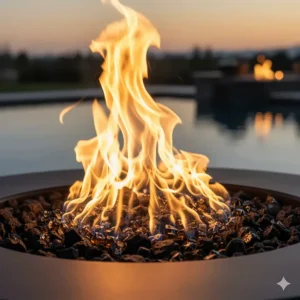
Enhancing Ambiance: Fire Bowl Styling Tips
The right accessories and complementary elements transform good fire bowls into spectacular focal points. Let me share professional secrets for maximizing visual impact.
Fire Glass vs Lava Rock Selection
Your media choice dramatically affects appearance and functionality. Traditional lava rock creates rustic, organic aesthetics and costs less ($30-$50 for sufficient coverage). The porous nature provides excellent heat distribution, and the natural colors work with virtually any design scheme. Lava rock suits traditional pools and natural landscapes beautifully.
Fire glass offers contemporary glamour with reflective surfaces that catch and amplify firelight. Available in dozens of colors from clear crystal to cobalt blue to copper tones, it creates stunning effects when flames dance across the surface. Quality fire glass costs $80-$150 for typical fire bowls but lasts indefinitely with minimal maintenance. The reflective qualities make flames appear larger and more dynamic.
Consider mixing media for custom effects. A base layer of lava rock for heat distribution topped with fire glass creates the best of both worlds—efficient heating with beautiful aesthetics. You can also match fire glass colors to your pool tile or create complementary contrasts that tie outdoor color schemes together.
Surrounding Landscaping and Hardscaping
Proper landscaping frames your fire bowl and integrates it into the broader design. Use heat-tolerant plants around fire features—succulents, ornamental grasses, and Mediterranean species handle the additional warmth without stress. Avoid delicate flowers or shade-loving plants that suffer from heat exposure and bright light.
Create visual balance through strategic hardscaping. Low walls, raised planters, or decorative boulders arranged around fire bowls establish boundaries while adding dimensional interest. These elements also provide subtle safety buffers, discouraging people from approaching too closely during operation.
Consider vertical elements too. Tall grasses or architectural plants behind fire bowls create beautiful backlit effects when flames illuminate foliage from behind. This layering adds depth to nighttime scenes and makes fire bowls appear integrated rather than simply placed on the deck.
Furniture Arrangement for Optimal Enjoyment
Position seating to maximize fire bowl enjoyment without crowding. Arrange chairs in semicircles 6-8 feet from the bowl—close enough for warmth and visual enjoyment but far enough for comfort and safety. Avoid complete circles that isolate people with their backs to the pool or views.
Use varied seating heights for visual interest and flexibility. Combine standard patio chairs with higher bar stools or lower lounge chairs. This creates casual gathering spaces where people naturally migrate between seating types throughout evenings, keeping parties dynamic rather than static.
Portable seating works wonderfully with fire bowls since you can reconfigure for different occasions. Small gatherings might use four chairs in an intimate cluster, while larger parties expand to encompass wider areas. This flexibility helps justify fire bowl investments by maximizing their utility across various entertainment scenarios.
Frequently Asked Questions
❓ What's the minimum distance required between fire bowls for pools and the pool edge?
❓ Can I use fire bowls for pools in areas with fire restrictions or burn bans?
❓ How long does a standard propane tank last with pool fire bowls?
❓ Do fire bowls for pools require special maintenance in coastal environments?
❓ Can fire bowls for pools be operated safely during light rain?
Conclusion: Transforming Your Pool Into a Year-Round Destination
Fire bowls for pools represent one of the most impactful upgrades you can make to your outdoor living space. They extend usability into cooler months, create unforgettable ambiance for entertaining, and add genuine value to your property—all while requiring minimal maintenance and operating costs. Whether you choose a budget-friendly portable option or invest in a premium permanent installation, the enhanced enjoyment justifies the investment many times over.
The key is matching your fire bowl selection to your specific needs, budget, and design preferences. Don’t rush the decision—measure your space carefully, research local codes, and consider how you’ll actually use the feature. The perfect fire bowl exists for every situation; it just requires patience to identify it among the dozens of options available.
Remember that fire bowls for pools aren’t just about the fire itself—they’re about creating gathering spaces where memories form. They’re the catalyst for lingering conversations after dinner, the backdrop for proposal photos, the reason guests request return invitations. That intangible value exceeds any dollar amount you’ll invest in the hardware.
🔥 Ready to Ignite Your Pool Paradise?
Browse the fire bowls I’ve reviewed above and find the one that speaks to your vision. Your backyard transformation starts with a single decision—make it today and enjoy countless evenings of warmth, beauty, and connection around your stunning new fire feature! ✨🏊♂️🔥
Recommended for You
- Cuddy Cooler: 7 Best Floating Options 2025 – Beat The Heat!
- Floating Cooler Guide 2025: 7 Top Picks & Expert Tips
- Swimming Pool Chiller: 7 Best Units Cool Pools Fast
Disclaimer: This article contains affiliate links. If you purchase products through these links, we may earn a small commission at no additional cost to you.
✨ Found this helpful? Share it with your friends! 💬🤗
