
In This Article
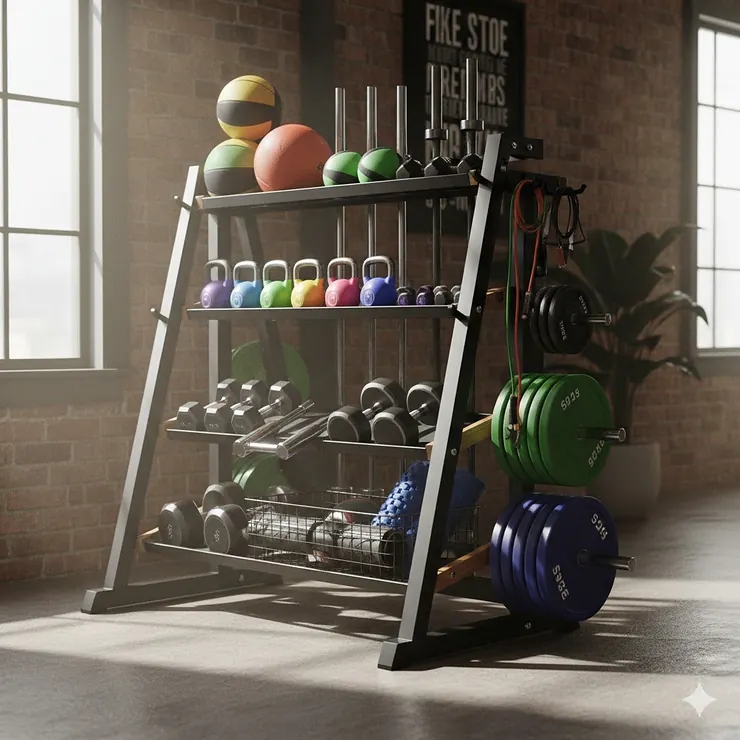
Walking into a cluttered home gym? Tripping over dumbbells scattered across the floor? You’re not alone. Most home gym enthusiasts face the same frustrating challenge—where to store all that equipment safely and efficiently.
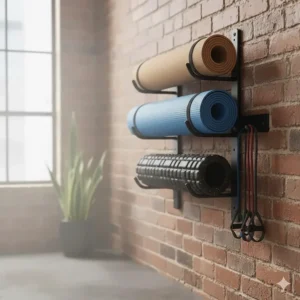
A quality fitness equipment rack isn’t just about aesthetics (though your Instagram-worthy gym will thank you). It’s about safety, equipment longevity, and creating a workout space that actually motivates you to show up. Think about it: when your weights, resistance bands, and yoga mats all have their designated spot, you spend less time organizing and more time crushing those fitness goals.
The fitness equipment storage market has exploded in 2025, with options ranging from compact A-frame dumbbell holders to full-scale multi-tier storage systems that can handle everything from kettlebells to foam rollers. Whether you’re working with a dedicated room, garage corner, or apartment living room, there’s a rack designed specifically for your space and budget.
Quick Comparison Table: Top Fitness Equipment Rack Options
| Product | Capacity | Dimensions | Price Range | Best For |
|---|---|---|---|---|
| AKYEN A-Frame Dumbbell Rack | 480-800 lbs | 15″L x 13″W x 27.6″H | $45-65 | Compact spaces, small weights |
| PLKOW Multi-Tier Storage Rack | 350 lbs | Full-size with wheels | $90-120 | Multi-equipment storage |
| REP Fitness Dumbbell Rack | 1,000 lbs | 48″L x 21.7″W x 34.6″H | $210-250 | Premium quality seekers |
| Titan X-3 Power Rack | 1,650 lbs | 50″W x 48″D x 82″H | $599-899 | Serious lifters |
| CAP Barbell 3-Tier Rack | 1,000-2,000 lbs | 51″L (3-tier design) | $145-230 | Budget-conscious buyers |
| FUTASSI 3-Tier Organizer | 350 lbs | Multi-tier with wheels | $80-110 | Yoga & cardio enthusiasts |
| YOLEO Adjustable Rack | 1,100 lbs | Adjustable 3-tier | $120-160 | Versatile needs |
💬 Just one click – help others make better buying decisions too! 😊
Top 7 Fitness Equipment Rack – Expert Analysis
1. AKYEN A-Frame Dumbbell Rack – Best for Compact Spaces
If you’re working with limited square footage, the AKYEN A-Frame Dumbbell Rack deserves serious consideration. This triangular design marvel proves that good things come in small packages—literally measuring just 15 inches by 13 inches at the base.
What sets this rack apart is its progressive slot spacing design, accommodating dumbbells from 1 to 35 pounds without the finger-pinching nightmares cheaper racks inflict. The commercial-grade steel construction (0.5mm thicker than competitors) supports up to 480-800 pounds depending on the model you choose. High-quality rubber sleeves protect both your weights and fingers, while anti-slip foot covers keep everything stable during those intense grab-and-go moments.
Customer feedback consistently praises the four-minute assembly time and the rubber-covered feet that prevent floor damage. One reviewer mentioned finally reclaiming their living room corner without sacrificing their workout routine.
Key Specs: 480-800 lb capacity, 15″L x 13″W x 27.6″H, 13 lbs weight
Price Range: $45-65
✅ Pros:
- Ultra-compact footprint perfect for apartments
- No finger-pinching design
- Quick 4-minute assembly
❌ Cons:
- Limited to smaller dumbbells (1-35 lbs)
- 480 lb version not suitable for Peloton dumbbells
2. PLKOW Multi-Functional Workout Storage Rack – Best All-in-One Solution
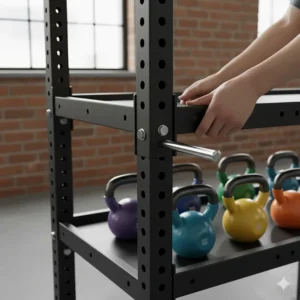
The PLKOW Dumbbell Rack tackles the “where do I put everything?” problem head-on. This isn’t just a dumbbell holder—it’s a comprehensive organization system that handles kettlebells, yoga mats, resistance bands, balls, and more in one sleek package.
This three-layer powerhouse features dedicated dumbbell storage racks, a side basket for yoga mats and foam rollers, multiple hanging hooks for resistance bands, and a bottom storage area for balls and blocks. The powder-coated steel construction supports up to 350 pounds, and here’s the game-changer: four multi-directional wheels (two lockable) let you reconfigure your space whenever the mood strikes.
Users rave about finally consolidating scattered equipment into one organized station. The wheels make cleaning underneath a breeze—no more discovering lost socks and forgotten water bottles.
Key Specs: 350 lb capacity, 3-tier design with wheels and hooks
Price Range: $90-120
✅ Pros:
- Stores multiple equipment types
- Mobile with locking wheels
- Excellent value for features
❌ Cons:
- 350 lb capacity lower than single-purpose racks
- Requires more floor space than A-frame designs
3. REP Fitness Dumbbell Storage Rack – Best Premium Quality
When you’re ready to invest in equipment that’ll outlast your fitness journey, the REP Fitness Dumbbell Storage Rack stands in a league of its own. This three-tier beast uses 11-gauge steel—the same grade you’ll find in commercial gyms—and supports a whopping 1,000 pounds.
The rack’s relatively compact footprint (48″ x 21.7″ x 34.6″) belies its storage capacity, easily accommodating a full set of 5-50 lb dumbbells in 5 lb increments. The one-inch lip on each shelf prevents weights from rolling off during enthusiastic re-racking, and the zinc-coated steel ensures longevity even in non-climate-controlled garages.
Customer testimonials frequently mention the premium feel and rock-solid stability. One buyer noted that after two years of daily use, the rack still looks showroom fresh. The $210 price tag might seem steep, but compare it to $1,000+ commercial alternatives.
Key Specs: 1,000 lb capacity, 11-gauge steel, 48″L x 21.7″W x 34.6″H
Price Range: $210-250
✅ Pros:
- Commercial-grade 11-gauge steel
- Compact design despite high capacity
- Available in multiple colors
❌ Cons:
- Higher price point than budget options
- Weighs 75 lbs (requires two-person assembly)
4. Titan Fitness X-3 Power Rack – Best for Serious Lifters
The Titan Fitness X-3 Series Power Rack transforms your garage into a legitimate strength training facility. Built from 3″ x 3″ 11-gauge steel uprights, this rack handles an astounding 1,650-pound rackable capacity—more than enough for even elite powerlifters.
This full-featured power rack includes dual pull-up bars (1.25″ skinny and 2″ fat grip varieties), reinforced J-hooks, and Westside hole spacing through critical zones. The flat-foot design eliminates the need for floor bolting while maintaining exceptional stability. Multiple height options (80″ and 90″) and customizable powder-coat finishes let you match your space and style preferences.
Reviewers consistently highlight the value proposition—getting commercial-grade quality at a fraction of Rogue Fitness prices. One CrossFit enthusiast mentioned handling kipping pull-ups and heavy squats without any wobble.
Key Specs: 1,650 lb capacity, 3″ x 3″ 11-gauge steel, 50″W x 48″D
Price Range: $599-899 (currently 25% off: $599)
✅ Pros:
- Highest weight capacity in category
- Extensive accessory compatibility
- No floor bolting required with flat-foot design
❌ Cons:
- Large footprint (50″ x 48″)
- One-year warranty vs. lifetime options from competitors
5. CAP Barbell 3-Tier Dumbbell Rack – Best Budget Option
Proving you don’t need to empty your wallet for quality storage, the CAP Barbell 3-Tier Dumbbell Rack delivers remarkable value. This 51-inch rack features three angled levels for easy weight access while supporting 1,000-2,000 pounds depending on configuration.
The heavy-duty steel construction holds various dumbbell styles including hex cast iron, rubber-coated hex, chrome, and pro-style weights. The angled lower levels make lifting and returning weights ergonomic, reducing strain on your back during setup. The powder-coated black finish resists scratches and corrosion.
Budget-conscious buyers appreciate getting essential features without premium pricing. Multiple customers report holding 10-50 lb weight sets without issues, though some note slight lateral movement with maximum loading (which doesn’t affect safety).
Key Specs: 1,000-2,000 lb capacity, 51″L three-tier design, heavy-gauge steel
Price Range: $145-230
✅ Pros:
- Excellent price-to-capacity ratio
- Angled shelves for ergonomic access
- Accommodates multiple dumbbell styles
❌ Cons:
- Some lateral movement at max capacity
- Assembly requires careful bolt tightening sequence
6. FUTASSI 3-Tier Workout Equipment Organizer – Best for Yoga & Cardio
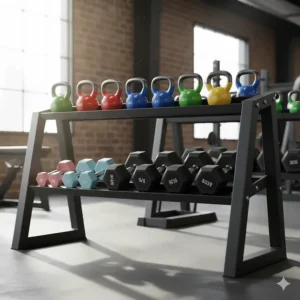
The FUTASSI Home Gym Storage specifically targets yoga practitioners and cardio enthusiasts who need organized storage without the industrial warehouse vibe. This three-tier system handles yoga mats, foam rollers, dumbbells, kettlebells, and resistance bands with style.
The wheeled design makes rearranging your workout space effortless, while integrated hooks keep resistance bands and straps accessible. Unlike pure dumbbell racks, this organizer prioritizes versatility over raw weight capacity—perfect for HIIT workouts, Pilates, and functional fitness routines.
Users love the aesthetic appeal combined with functionality. One yoga instructor mentioned how the side basket keeps mats dust-free and easily accessible for quick morning sessions.
Key Specs: 350 lb capacity, 3-tier with wheels, hooks for accessories
Price Range: $80-110
✅ Pros:
- Perfect for yoga/Pilates equipment
- Attractive design for visible spaces
- Mobile with wheel system
❌ Cons:
- Lower weight capacity than specialized racks
- Wheels may leave marks on certain flooring
7. YOLEO Adjustable 3-Tier Weight Rack – Best Versatile Option
The YOLEO 1100LBS Dumbbell Rack brings adjustability to the forefront with its customizable shelf configuration. Supporting up to 1,100 pounds, this heavy-duty storage solution adapts to changing equipment needs over time.
The three-tier adjustable design lets you modify shelf heights to accommodate different weight sizes, kettlebells, and even weight plates. This flexibility proves invaluable as your fitness collection grows and changes. The durable powder-coated finish resists rust and scratches.
Long-term users appreciate how the rack evolves with their fitness journey. One customer mentioned starting with light dumbbells and gradually adjusting shelves to accommodate heavier weights without purchasing new storage.
Key Specs: 1,100 lb capacity, adjustable 3-tier design, heavy-duty construction
Price Range: $120-160
✅ Pros:
- Adjustable shelves for customization
- High capacity at mid-range price
- Accommodates various equipment types
❌ Cons:
- Adjustment process requires tools
- Slightly more complex assembly
Understanding Different Types of Fitness Equipment Rack
A-Frame Dumbbell Racks
These triangular wonders maximize vertical space while maintaining a small footprint. Perfect for home gyms where floor space is premium real estate. The staggered design allows easy weight selection without disturbing other dumbbells.
Multi-Tier Storage Systems
Think of these as the Swiss Army knives of gym storage. Multiple shelves handle different equipment types, often with wheels for mobility and hooks for accessories. Ideal for diverse workout routines spanning yoga, strength training, and cardio.
Power Racks with Integrated Storage
The ultimate space-saver for serious lifters. These combine squat rack functionality with weight storage horns, plate holders, and accessory mounting points. While larger and pricier, they consolidate multiple needs into one footprint.
Wall-Mounted Solutions
When floor space is absolutely non-negotiable, wall-mounted racks utilize vertical surfaces. From simple dumbbell holders to comprehensive pegboard systems, these keep equipment accessible while freeing valuable workout space.
Key Features to Consider in a Fitness Equipment Rack
Weight Capacity
Don’t just consider your current equipment—think ahead. That 200 lb capacity rack seems fine today, but what happens when you upgrade to heavier dumbbells? Aim for at least 50% more capacity than your current needs.
Construction Material and Durability
Look for 11-gauge steel or thicker in load-bearing areas. Powder-coated finishes resist rust in humid garages. Check weld quality—sloppy welding indicates cutting corners elsewhere.
Footprint and Space Efficiency
Measure twice, buy once. Consider both storage dimensions and workout clearance. That perfect rack loses appeal when you can’t actually use your equipment comfortably around it.
Mobility and Adjustability
Wheels transform static storage into flexible space management. Locking casters prevent unwanted movement during use. Adjustable shelves future-proof your investment as equipment collections change.
Safety Features
Rubber-lined cradles protect equipment finishes. Anti-slip feet prevent tipping. Rounded edges save shins from painful encounters during intense workouts.
Benefits of Proper Fitness Equipment Storage
Equipment Longevity and Protection
Scattered weights develop flat spots, rust forms on damp floors, and rubber coatings crack from temperature extremes. Proper storage extends equipment lifespan by decades, protecting your investment. According to research on gym equipment maintenance, organized storage can reduce equipment replacement costs by up to 40%.
Safety and Injury Prevention
Trip hazards disappear when equipment has designated homes. The National Safety Council emphasizes that home gym organization significantly reduces injury risks. No more stubbed toes on rogue kettlebells at 5 AM.
Workout Efficiency
Studies show organized spaces improve workout adherence. When you spend 30 seconds grabbing weights instead of three minutes hunting them down, you maintain workout intensity and actually enjoy your gym time.
Space Optimization
Vertical storage reclaims floor space for actual exercise. That extra square footage means room for a yoga mat, jumping rope, or agility ladder work. Smart storage transforms cramped corners into functional fitness spaces.
Mental Clarity and Motivation
Cluttered spaces create mental clutter. Walking into an organized gym triggers motivation rather than overwhelming dread. The psychological impact of organized spaces on fitness motivation is well-documented in behavioral science research.
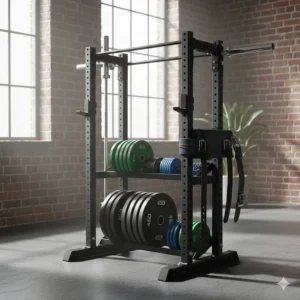
Material and Build Quality Considerations
Steel Gauge Explained
Lower gauge numbers indicate thicker, stronger steel. Commercial-grade equipment typically uses 11-gauge steel (approximately 0.12 inches thick). Budget racks often use 14-gauge (0.075 inches)—fine for lighter weights but questionable for serious collections.
Powder Coating vs. Chrome
Powder coating offers superior rust resistance and durability, especially in temperature-variable garages. Chrome looks sleek but chips more easily and shows fingerprints. For longevity, powder coating wins.
Weight Distribution Design
Quality racks distribute weight evenly across frames and floor contact points. Look for wide bases, reinforced joints, and center-of-gravity considerations. Cheaper racks concentrate stress on weak points that eventually fail.
Weld Quality and Joint Reinforcement
Inspect welds carefully. Smooth, consistent beading indicates professional manufacturing. Gaps, spatter, or uneven welds suggest quality control issues that compromise structural integrity.
Size and Space Planning for Your Home Gym
Measuring Your Available Space
Account for workout clearance, not just storage dimensions. You need space to actually use the stored equipment. Add 3-4 feet around racks for comfortable weight selection and movement.
Ceiling Height Considerations
Power racks require 8-9 feet of clearance for pull-ups and overhead presses. Measure carefully—that 90-inch rack needs 100+ inches accounting for pull-up bar grip clearance.
Door and Hallway Navigation
Can you actually get the rack into your gym space? Measure doorways, turns, and stairwells. Some racks ship disassembled specifically to navigate tight spaces.
Future Expansion Planning
Buy slightly larger than current needs. Adding equipment is easier than replacing inadequate storage. Consider modular systems that expand vertically or horizontally.
Maintenance and Care Tips
Regular Inspection Schedule
Monthly quick-checks catch problems early. Tighten loose bolts, inspect welds for cracks, and check floor protection pads. Five minutes monthly prevents expensive failures.
Cleaning and Rust Prevention
Wipe down weekly with mild detergent and water. Dry thoroughly to prevent rust, especially in humid environments. Annual applications of rust preventative spray add years of life.
Weight Distribution Best Practices
Load heavier weights on lower tiers for stability. Distribute weight evenly across shelves. Avoid overloading single sections that stress structural components.
Addressing Wear and Tear
Replace worn rubber linings promptly. Damaged protective surfaces accelerate equipment wear. Touch up powder coating chips immediately to prevent rust spread.
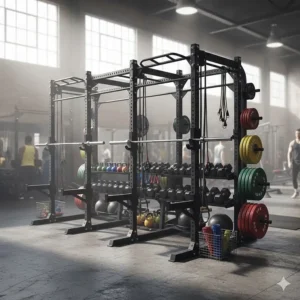
Budget-Friendly vs. Premium Options
Entry-Level Solutions ($50-$150)
Perfect for beginners or light equipment collections. CAP Barbell and AKYEN offer solid quality without premium pricing. Expect decent durability with lighter weight capacities.
Mid-Range Choices ($150-$400)
Sweet spot for most home gyms. YOLEO, PLKOW, and similar brands deliver commercial-grade construction at reasonable prices. Good warranties and customer support.
Premium Investments ($400+)
REP Fitness, Rogue, and Titan represent top-tier quality. Lifetime warranties, exceptional build quality, and extensive accessory ecosystems justify higher costs for serious enthusiasts.
Cost Per Use Analysis
A $250 rack used daily for 10 years costs 7 cents per use. That $50 rack lasting two years? 14 cents per use. Quality often proves cheaper long-term.
Installation and Assembly Guide
Tools Required
Most racks need basic tools: adjustable wrenches, Allen keys (often included), level, and measuring tape. Power drills simplify assembly but aren’t mandatory.
Step-by-Step Assembly Tips
- Unpack all components and verify parts against instructions
- Assemble on flat, level surfaces
- Hand-tighten all bolts before final tightening
- Use thread-locking compound on critical connections
- Double-check level before final tightening
Wall-Mounting Considerations
Locate wall studs using a stud finder. Use appropriate lag bolts (typically 3/8″ diameter minimum). Distribute load across multiple studs. Consider professional installation for wall-mounted power racks.
Professional vs. DIY Installation
Wall-mounted systems often warrant professional installation, especially power racks supporting 1,000+ pounds. Floor-standing racks are typically DIY-friendly with two people.
Common Mistakes to Avoid
Underestimating Space Requirements
Buying a rack that physically fits but leaves no workout space creates expensive decoration. Account for movement clearance, not just storage dimensions.
Ignoring Weight Capacity
“Close enough” doesn’t work with weight limits. Exceed capacity ratings and you risk catastrophic failure during use—dangerous and expensive.
Skipping Quality for Price
That $30 rack might seem like a bargain until it collapses six months later. Balance budget constraints with quality requirements for equipment value you own.
Improper Assembly
Skipped steps and hand-tightened bolts cause 90% of rack failures. Follow instructions precisely, use proper tools, and verify stability before loading.
Neglecting Future Needs
Buying for today’s exact needs leaves no growth room. Plan for reasonable expansion as fitness journeys typically expand equipment collections.
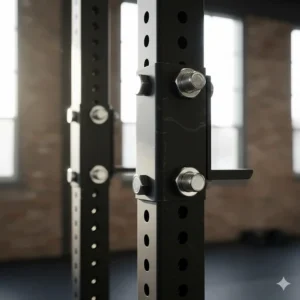
Comparison: Fitness Equipment Rack vs. Traditional Storage
| Feature | Dedicated Fitness Rack | General Shelving | No Organization |
|---|---|---|---|
| Equipment Protection | ✅ Excellent | ⚠️ Moderate | ❌ Poor |
| Space Efficiency | ✅ Optimized | ⚠️ Variable | ❌ Wasteful |
| Safety | ✅ Designed for weights | ⚠️ Not specialized | ❌ Hazardous |
| Accessibility | ✅ Quick access | ⚠️ Moderate | ❌ Time-consuming |
| Cost | $$-$$$ | $-$$ | Free (short-term) |
| Professional Appearance | ✅ Gym-quality | ⚠️ Utilitarian | ❌ Cluttered |
How to Choose the Right Fitness Equipment Rack: 7-Step Guide
Step 1: Assess Your Current Equipment Collection
Inventory everything needing storage. Count dumbbells, measure kettlebell sizes, note mat quantities. This baseline determines minimum capacity requirements.
Step 2: Project Future Equipment Additions
Planning to add weights? Expanding into Olympic lifting? Buy storage accommodating planned growth over the next 2-3 years.
Step 3: Measure Your Space Accurately
Record length, width, and height of available space. Note ceiling height, door widths, and any obstacles affecting placement or access.
Step 4: Determine Your Budget Range
Set realistic budgets accounting for quality vs. longevity. Remember: buy once, cry once often proves cheaper than buying twice.
Step 5: Prioritize Essential Features
List must-haves (capacity, footprint) vs. nice-to-haves (wheels, color options). This clarifies which compromises you’re willing to make.
Step 6: Research and Compare Options
Read reviews from actual users, watch assembly videos, and compare specifications across brands. Look for recurring praise or complaints.
Step 7: Verify Return Policies and Warranties
Understand return windows, warranty coverage, and customer service reputation. Quality companies stand behind products with solid guarantees.
✨ Don’t Miss These Exclusive Deals!
🔍 Take your home gym organization to the next level with these carefully selected products. Click on any highlighted item to check current pricing and availability. These storage solutions will help you create an efficient workout space that maximizes every square foot!
Real User Experiences and Reviews
Success Stories
“The REP Fitness rack transformed my cluttered garage into a legitimate training space. Six months in, and I’m still impressed by the build quality.” – Mike T., California
“Skeptical about the AKYEN compact rack fitting my apartment needs, but it’s perfect. Holds my entire dumbbell collection in less space than my coffee table.” – Sarah L., New York
“Titan X-3 was the best investment for my garage gym. Handles everything I throw at it, literally. Heavy squats, pull-ups, the works.” – James K., Texas
Common User Concerns Addressed
Q: Will it damage my floors? A: Quality racks include rubber feet specifically preventing floor damage. Additional rubber mats provide extra protection for softer flooring.
Q: How noisy is weight placement? A: Rubber-lined cradles virtually eliminate noise. Metal-on-metal racks can be loud—look for UHMW plastic or rubber linings.
Q: Can I move it once assembled? A: Wheeled models move easily. Non-wheeled racks can be relocated but require disassembly or furniture sliders.
Top Accessories to Enhance Your Storage System
Weight Plate Storage Additions
Plate trees, horn attachments, and wall-mounted holders keep plates organized and accessible. Many power racks offer add-on plate storage integrating seamlessly.
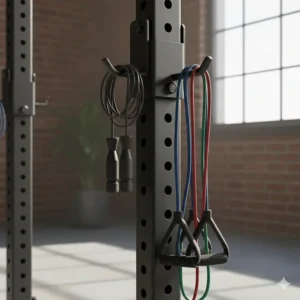
Resistance Band Organizers
Hooks, pegboards, and dedicated band holders prevent the tangled mess that makes you avoid band work entirely. Wall-mounted or rack-attached options available.
Mat and Foam Roller Holders
Side baskets, hanging loops, or dedicated compartments keep mats rolled and ready. Foam roller storage prevents them becoming makeshift pet toys.
Labeling and Organization Systems
Label makers, color coding, and weight markers help family members maintain organization. Small investments yielding big convenience returns.
Environmental and Sustainability Considerations
Eco-Friendly Materials
Some manufacturers use recycled steel and eco-friendly powder coating. While slightly pricier, these options reduce environmental impact.
Longevity vs. Disposal
Quality racks lasting 20+ years generate less waste than replacing budget options every 2-3 years. Durability is environmental responsibility.
Local vs. International Shipping
Domestically manufactured racks (like PRx Performance) reduce shipping carbon footprints. International shipping adds environmental costs worth considering.
FAQs
❓ What weight capacity do I actually need in a fitness equipment rack?
❓ Can I install a fitness equipment rack on carpet or do I need hard flooring?
❓ How do I prevent my fitness equipment rack from tipping over during use?
❓ What is the difference between A-frame and multi-tier fitness equipment rack designs?
❓ Should I choose a wheeled or stationary fitness equipment rack for my home gym?
Conclusion: Investing in the Right Fitness Equipment Rack
Choosing the right fitness equipment rack represents more than just buying storage—you’re investing in workout efficiency, safety, and long-term equipment protection. The perfect rack transforms chaotic corners into motivating training spaces that actually get used.
Budget-conscious beginners will find excellent value in CAP Barbell or AKYEN options providing essential functionality without premium pricing. Mid-tier buyers seeking versatility should consider PLKOW or YOLEO systems offering adjustability and multi-equipment storage. Serious lifters ready to invest long-term can’t go wrong with REP Fitness or Titan products delivering commercial-grade quality.
Remember that the best fitness equipment rack balances your current needs, future growth, available space, and budget realities. A $200 rack used daily for a decade outperforms a $50 rack replaced three times. Quality compounds over time.
Your organized home gym awaits. Stop tripping over dumbbells, wasting time hunting equipment, and risking damage to expensive weights. Choose storage that matches your fitness commitment level, install it properly, and watch how organization transforms workout motivation.
The journey to your fitness goals starts with showing up—and showing up becomes easier when your equipment invites you rather than intimidates you. Invest in organization today, and every future workout thanks you.
Recommended for You
- 7 Best Fitness Equipment Storage Solutions (2025 Guide)
- 7 Best Travel Fitness Equipment 2025 – Portable Workout Gear
- 7 Best Bodyweight Fitness Equipment 2025: Transform Your Home Gym
Disclaimer: This article contains affiliate links. If you purchase products through these links, we may earn a small commission at no additional cost to you.
✨ Found this helpful? Share it with your friends! 💬🤗
