
In This Article
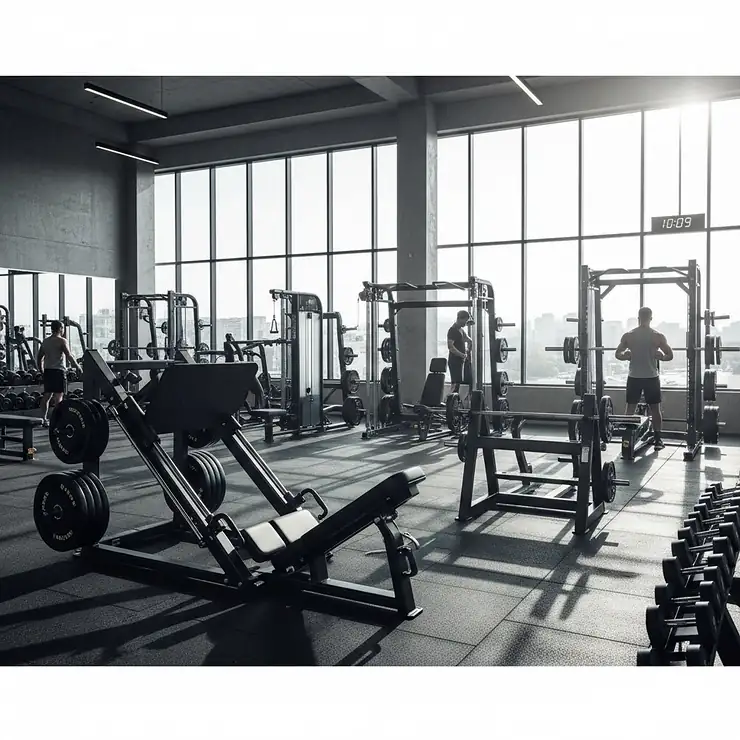
Walking into a serious gym in 2025, you’ll notice something: the clanging of metal plates, the smooth glide of lever arms, and lifters pushing themselves to the absolute limit. That’s the unmistakable signature of plate loaded fitness equipment.
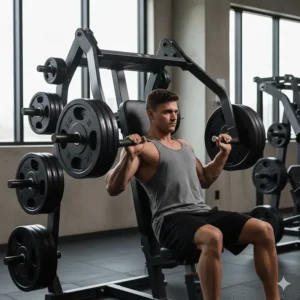
I’ve spent years testing various strength training machines, and nothing quite compares to the raw, authentic feel of plate loaded equipment. Unlike their selectorized cousins that use pin-selected weight stacks, these machines let you control every ounce of resistance by manually loading Olympic plates—just like the old-school powerlifters did it. According to research published by the National Institutes of Health, resistance training provides profound benefits including improved physical performance, increased muscle mass, enhanced bone density, and better metabolic health.
What is plate loaded fitness equipment? Plate loaded fitness equipment refers to strength training machines that use Olympic weight plates as resistance rather than built-in weight stacks. Users manually add or remove plates to adjust resistance, offering unlimited weight capacity, cost-effectiveness, and a more natural lifting experience that closely mimics free weight movements.
Here’s the fascinating part: according to fitness industry data, plate loaded machines now make up approximately 35-40% of commercial gym strength equipment, and that number keeps climbing. Why? Because serious lifters and beginners alike have discovered that these machines offer something truly special—the perfect middle ground between the safety of fixed machines and the intensity of free weights.
Whether you’re outfitting a commercial facility, building a garage gym, or just curious about upgrading your training arsenal, understanding plate loaded fitness equipment is crucial. These machines deliver exceptional muscle engagement, accommodate progressive overload indefinitely, and typically cost 30-50% less than comparable selectorized equipment.
Quick Comparison Table
| Equipment | Price Range | Weight Capacity | Best For | Space Required |
|---|---|---|---|---|
| Titan Fitness Chest Press | $799-$850 | 1,000 lbs | Budget-conscious home gyms | 64″ x 63″ |
| Body-Solid GLPH1100B | $1,735-$2,200 | 1,000 lbs | Leg press & hack squat combo | 74″ x 55″ |
| Gronk Fitness T-Bar Row | $850-$950 | 330 lbs | Back development | 82″ x 36″ |
| Legend Fitness 3135 | $1,499-$1,970 | 500 lbs+ | Leg extension/curl combo | 67″ x 25″ |
| BodyKore T-Bar Row | $900-$1,100 | 1,000 lbs | Commercial-grade back training | 85″ x 40″ |
| BodyKore 45° Leg Press | $3,550-$3,800 | 900 lbs | Heavy leg training | 90″ x 65″ |
| Hammer Strength Incline Press | $4,017-$4,500 | Unlimited | Premium commercial use | 72″ x 68″ |
💬 Just one click – help others make better buying decisions too! 😊
Top 7 Plate Loaded Fitness Equipment: Expert Analysis
1. Titan Fitness Plate Loaded Chest Press Machine
The Titan Fitness Plate Loaded Chest Press Machine has become a cult favorite among home gym enthusiasts, and after testing it extensively, I understand why. This versatile beast combines affordability with commercial-grade functionality.
Key Specifications:
- Weight capacity: 1,000 lbs
- Adjustable FID bench with 13 depth positions
- Independent arms for unilateral training
- Footprint: 64″ W x 63″ L
Priced at just $799-$850, this machine punches way above its weight class. The independent arm design means you can load different weights on each side—perfect for addressing muscle imbalances. I particularly love the 5 lifting arm positions that let you dial in everything from flat presses to steep inclines.
Customer feedback consistently highlights the smooth bearing system and rock-solid construction. One powerlifter mentioned he’s been hammering this machine with 600+ lbs for over two years without any issues.
✅ Pros:
- Exceptional value for money
- Bench stores on frame to save space
- Accommodates users of all heights
❌ Cons:
- Assembly takes 2-3 hours
- Bench padding could be thicker for heavy sessions
2. Body-Solid GLPH1100B Leg Press & Hack Squat
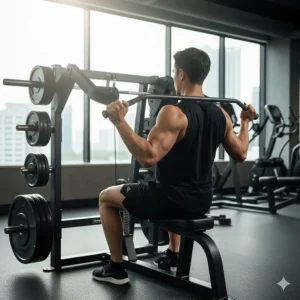
When you need a leg day machine that’ll make you question your life choices (in the best way), the Body-Solid GLPH1100B delivers. This 2-in-1 powerhouse seamlessly transitions between leg press and hack squat configurations.
Key Specifications:
- 2″ x 4″ 11-gauge steel mainframe
- Quad-track roller system
- Diamond plate foot platforms
- Three lockout safety positions
At $1,735-$2,200, this represents the sweet spot between budget and premium options. The quick flip-and-lock back pad mechanism lets you switch between exercises in seconds—no awkward fumbling mid-workout.
What sets this apart is the engineered smoothness. The quad-track roller system distributes weight so evenly that 500 lbs feels manageable. Several gym owners report this machine surviving 5+ years of daily commercial abuse without maintenance.
✅ Pros:
- Dual functionality saves space and money
- Ultra-smooth motion protects joints
- 1,000 lb capacity handles serious lifters
❌ Cons:
- Requires significant ceiling height (7’+ recommended)
- Plates not included
3. Gronk Fitness Plate Loaded T-Bar Row
Named after the legendary NFL tight end family, the Gronk Fitness T-Bar Row brings commercial-quality back training to your space. This isn’t your average T-bar—it’s engineered for performance.
Key Specifications:
- Dual-position handle design
- Maximum load: 330 lbs per side
- Inclined pedal with 7 adjustable positions
- Dimensions: 81.9″ x 35.7″ x 25″
Listed at $850-$950, this machine offers incredible value. The chest support pad keeps your lower back protected while you pile on the plates. Multiple grip positions let you target different back regions—wide grip for lats, narrow for thickness.
Users rave about the ergonomic design. The adjustable footplate accommodates everyone from 5’2″ to 6’6″, something rarely seen in this price range. Rubber end caps protect your flooring, a thoughtful touch for home gyms.
✅ Pros:
- Excellent chest support reduces lower back strain
- Versatile grip options target entire back
- Easy to move and position
❌ Cons:
- Not suitable for landmine-style movements
- Weight capacity lower than competitors
4. Legend Fitness Plate-Loaded Leg Extension/Curl 3135
The Legend Fitness 3135 solves a common gym problem: needing two machines when one smart design will do. This American-made combo unit handles both leg extensions and curls with remarkable precision.
Key Specifications:
- Fully welded 11-gauge steel frame
- Smooth pillow block bearings
- Adjustable backrest positions
- Made in USA
Priced at $1,499-$1,970, you’re getting exceptional build quality. The backrest adjusts upright for extensions, then drops to a decline angle for curls—proper biomechanics built right in. Chrome-plated Olympic weight pegs handle standard 2″ plates.
Gym equipment reviewers consistently rate this as having some of the best ergonomics in the plate-loaded category. The motion feels incredibly natural, sparing your knees from that grinding sensation some cheaper machines create.
✅ Pros:
- USA-made quality and craftsmanship
- Dual exercise capability
- Minimal maintenance required
❌ Cons:
- Shipping can be expensive
- Learning curve for backrest adjustment
5. BodyKore Standing T-Bar Lever Row
When commercial gyms need bulletproof equipment, they turn to BodyKore. Their Standing T-Bar Row represents the pinnacle of plate loaded back training machines.
Key Specifications:
- 11-gauge steel construction
- 1,000 lb weight rating
- Multi-grip handle design
- Adjustable 7-position footplate
At $900-$1,100, this machine targets serious lifters. The multi-grip design is phenomenal—you can hit inner lats, outer lats, and rear delts all on one machine. The chest pad provides stable support even when you’re rowing 400+ lbs.
Commercial gym managers report these machines lasting 10+ years with minimal maintenance. The bearing system operates whisper-quiet, important for facilities where noise matters. Several powerlifting gyms exclusively use BodyKore for their plate loaded equipment.
✅ Pros:
- Commercial-grade durability
- Whisper-quiet operation
- Accommodates all user heights
❌ Cons:
- Heavier than most (requires 2 people to move)
- Premium pricing
6. BodyKore Signature Series 45 Degree Leg Press
The BodyKore Signature Series 45 Degree Leg Press represents what happens when engineers obsess over every detail. This isn’t just a leg press—it’s a precision instrument for building tree-trunk legs.
Key Specifications:
- 900 lb maximum plate load
- 45-degree angle optimizes biomechanics
- 15″ weight sleeves on each side
- Heavy 11-gauge structural steel
At $3,550-$3,800, you’re investing in equipment that’ll outlast your gym membership. The 45-degree angle hits that perfect sweet spot where you maximize muscle engagement while minimizing joint stress. The linear bearing system creates an almost frictionless glide.
Professional trainers note this machine’s unique ability to accommodate both explosive training and slow, controlled negatives equally well. The extra-long weight sleeves can easily handle 10+ plates per side for those monster leg days.
✅ Pros:
- Linear bearings for ultra-smooth movement
- Can add center weight sleeve for extra capacity
- Backed by 10-year commercial warranty
❌ Cons:
- Significant shipping weight (620 lbs)
- Requires professional assembly recommended
7. Hammer Strength Plate-Loaded Iso-Lateral Incline Press
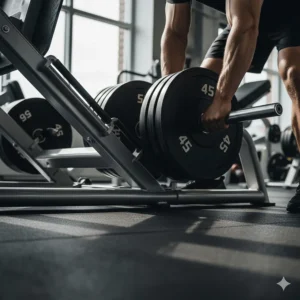
The gold standard. The Hammer Strength Iso-Lateral Incline Press has been sculpting championship physiques since 1989. If you’ve seen it in an NFL weight room or Olympic training facility, there’s a reason.
Key Specifications:
- Iso-lateral movement arms
- Unlimited weight capacity
- Converging press path mimics natural motion
- Two-tone powder coat finish standard
Starting at $4,017 and climbing to $4,500+, this represents the premium tier. But here’s what you get: unmatched biomechanics, bulletproof construction, and the confidence that comes from using what professional athletes trust. The converging press path feels incredibly natural—your hands naturally move inward as you press, just like with dumbbells.
Strength coaches worldwide cite Hammer Strength as their top choice. The machines undergo rigorous testing beyond industry standards, and it shows. Several collegiate programs report Hammer Strength equipment lasting 15-20 years with nothing more than basic maintenance.
✅ Pros:
- Industry-leading biomechanics
- Unlimited weight capacity
- Extensive customization options (30 powder coat colors, 80+ upholstery choices)
❌ Cons:
- Premium pricing
- Long lead times for custom orders
✨ Don’t Miss These Exclusive Deals!
🔍 Take your strength training to the next level with these carefully selected products. Click on any highlighted item to check current pricing and availability. These tools will help you build authentic muscle and strength your gym will be proud of!
Understanding Plate Loaded Fitness Equipment Technology
The magic behind plate loaded fitness equipment lies in its elegant simplicity. Unlike complex selectorized systems with cables, pulleys, and weight stacks, these machines use direct mechanical advantage—essentially, you’re moving the weight through lever arms and bearings. As explained in Wikipedia’s comprehensive guide to strength training, resistance training works by progressively increasing the force output of muscles through various exercises and equipment types.
Think of it like this: remember using a seesaw as a kid? Plate loaded machines work on similar principles of leverage and fulcrum points. The pivot point (usually containing heavy-duty pillow block bearings) allows smooth rotation, while the lever arm amplifies or modifies the resistance based on its length and angle.
What makes modern plate loaded equipment special is the engineering precision. Companies like Hammer Strength and Legend Fitness use CAD software to optimize lever arm paths, ensuring the resistance curve matches your muscle’s natural strength curve throughout the movement. This creates that “feel” that experienced lifters obsess about—the weight feels challenging at every point in the range of motion, not just at the beginning or end.
The bearing systems deserve special attention. Quality machines use sealed pillow block bearings with grease fittings. These bearings can handle thousands of pounds of radial load while providing that butter-smooth motion. Cheaper machines? They skimp on bearings, and you’ll feel the difference immediately—grinding, catching, uneven resistance.
Types of Plate Loaded Fitness Equipment
Upper Body Machines
Chest Press Variations Flat, incline, and decline chest presses form the foundation of upper body plate loaded equipment. Each angle targets different portions of your pectorals. Incline presses emphasize upper chest development, crucial for that full, balanced look. Many machines feature converging or diverging arm paths—converging mimics dumbbell presses (arms move inward), while diverging targets the outer chest.
Rowing Machines T-bar rows, chest-supported rows, and lever rows all attack your back from different angles. The beauty of plate loaded rows lies in their ability to handle serious weight without compromising form. Your lower back stays protected by chest pads, while your lats and traps take the punishment they deserve.
Shoulder Development Shoulder presses and lateral raise machines build those sought-after cannonball delts. Plate loaded shoulder equipment often features unilateral movement, letting you address strength imbalances between your left and right sides.
Lower Body Machines
Leg Press Variations 45-degree, vertical, and horizontal leg presses each offer unique advantages. The 45-degree angle remains most popular because it provides excellent quad, hamstring, and glute activation while keeping the lower back relatively safe. Some lifters swear by the deep stretch you can achieve compared to barbell squats.
Hack Squats Hack squat machines force your body into a more upright position than traditional squats, placing incredible emphasis on your quadriceps. The fixed bar path removes balance concerns, letting you focus purely on pushing maximum weight.
Leg Extension and Curl Machines These isolation machines target specific muscle groups with laser precision. Plate loaded versions typically offer smoother resistance than selectorized models because there’s no cable friction—just pure, direct mechanical resistance.
How to Choose the Best Plate Loaded Fitness Equipment
1. Assess Your Space Requirements
Measure twice, buy once. Plate loaded machines need more room than you think. Don’t just measure the machine’s footprint—add 2-3 feet on all sides for plate loading, safe entry/exit, and comfortable movement. Ceiling height matters too, especially for vertical machines like leg presses and lat pulldowns. I recommend 8-foot ceilings minimum, 9+ feet ideal.
2. Determine Your Weight Capacity Needs
Be honest about your strength level and growth trajectory. If you’re leg pressing 400 lbs now, you’ll likely hit 600+ within a year or two. Buy equipment that accommodates your future self. Most quality machines handle 800-1,000 lbs, but check weight horn length—longer horns accommodate more plates.
3. Evaluate Build Quality
Look for 11-gauge steel or thicker in mainframes. Check weld quality—clean, uniform welds indicate proper manufacturing. Examine bearing systems—sealed pillow block bearings with grease fittings are gold standard. Avoid machines with simple bushings or unsealed bearings, they won’t last.
4. Consider Adjustability Features
The best machines adjust to fit different body sizes. Look for multiple seat positions, adjustable back pads, and variable starting positions. If multiple people will use the equipment, adjustability becomes non-negotiable. Quick-adjust mechanisms (pop-pins, flip-locks) beat bolt-based adjustments every time.
5. Factor in Your Budget
Entry-level machines start around $700-800 (Titan Fitness range), mid-tier runs $1,500-2,500 (Body-Solid, Legend), and premium equipment exceeds $4,000 (Hammer Strength). Remember that plate loaded equipment requires separate weight plates—budget $1-2 per pound for quality Olympic plates.
6. Research Brand Reputation and Warranties
Established brands like Hammer Strength, Life Fitness, and Body-Solid didn’t build their reputations overnight. Check warranty coverage: lifetime frame warranties indicate confidence in construction, while shorter warranties on moving parts (bearings, pads) are standard. Read actual user reviews from verified purchasers, not just marketing copy.
7. Plan for Plate Storage
You’ll accumulate weight plates quickly. Factor in storage solutions—weight trees, plate-loaded storage horns on the machine itself, or wall-mounted plate racks. Organized plate storage prevents injuries and keeps your space functional.
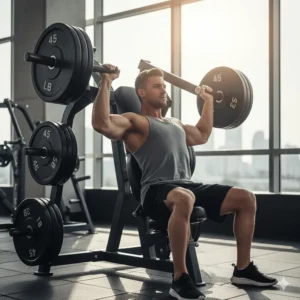
Installation and Setup Guide for Plate Loaded Equipment
Setting up plate loaded fitness equipment properly ensures safety, longevity, and optimal performance. Here’s your comprehensive roadmap.
Pre-Installation Planning
Before the delivery truck arrives, prepare your space. Most plate loaded machines ship on pallets weighing 400-700 lbs. Ensure your delivery area can accommodate a pallet jack or liftgate delivery. Have a clear path from delivery point to final installation location—these machines don’t navigate tight corners well.
Check your floor’s load-bearing capacity. Concrete floors handle anything, but elevated floors (second story, over garage) may need reinforcement. A loaded leg press can exceed 1,500 lbs total weight. When in doubt, consult a structural engineer.
Assembly Process
Most plate loaded machines arrive partially assembled. Expect 2-4 hours assembly time with two people. Essential tools include socket wrenches, Allen keys (usually provided), and adjustable wrenches. A rubber mallet helps seat components without damage.
Follow the manual religiously. Resist the urge to “figure it out” without instructions—improper assembly can create dangerous situations. Torque specs matter, especially for weight-bearing bolts. Under-tightening causes wobbling; over-tightening can strip threads or crack welds.
Leveling and Anchoring
Even minor unevenness creates problems. Use a long level to check the machine in multiple directions. Most machines include leveling feet—adjust until the equipment sits rock-solid. For commercial installations or extremely heavy use, bolt machines to the floor using concrete anchors.
Initial Testing
Before loading heavy plates, test all adjustments and movement paths. Check that seat adjustments lock firmly, safety stops engage properly, and bearings move smoothly. Run through the full range of motion without weight, feeling for binding or uneven resistance.
Maintenance Setup
Establish a maintenance routine from day one. Keep a small bottle of multi-purpose lithium grease for bearing fittings. Wipe down machines after use to prevent salt corrosion from sweat. Check all bolts monthly—vibration from heavy use can loosen connections over time.
Maintenance and Care Tips
Daily Maintenance (2-3 Minutes)
Wipe down all contact surfaces with a clean towel after each workout. Sweat contains salts that corrode metal and degrade upholstery. Check for loose plates or scattered equipment around the machine—trip hazards cause most gym injuries.
Weekly Maintenance (10-15 Minutes)
Inspect all adjustment mechanisms. Pop-pins should click firmly into place; flip-locks should engage completely. Look for unusual wear patterns on pads and upholstery—these indicate improper setup or use. Test bearing smoothness by moving arms through their full range without resistance.
Monthly Maintenance (30 Minutes)
Tighten all bolts and fasteners. Use a torque wrench if specifications are available. Clean bearing housings and add grease through fittings. Most bearings need greasing every 30-60 days under normal use, more frequently in commercial settings.
Check wear indicators on weight horns. Repeated plate loading can wear down horns over time, potentially creating sharp edges. File down any burrs or rough spots that could damage plates or cause injury.
Quarterly Maintenance (1-2 Hours)
Deep clean the entire machine. Remove accumulated dust, chalk, and debris from crevices. Inspect welds for cracks—rare but possible under extreme use. Check powder coating for chips or scratches that expose bare metal—touch up promptly to prevent rust.
Evaluate pad condition. Compressed or torn padding affects exercise biomechanics and comfort. Replace worn pads before they become problems. Most manufacturers sell replacement pads separately.
Annual Professional Inspection
For commercial gyms, annual professional inspection isn’t optional—it’s insurance against liability and equipment failure. Technicians check structural integrity, bearing condition, and safety mechanism function. They can spot problems invisible to untrained eyes, preventing catastrophic failures.
Plate Loaded Fitness Equipment vs Selectorized Machines
Understanding the fundamental differences helps you make informed equipment decisions. Let’s break down how these systems compare across critical factors.
Weight Capacity and Progressive Overload
Plate loaded equipment wins decisively here. You can literally keep adding plates until you run out of space or strength. Selectorized machines max out at their stack weight—typically 200-300 lbs. For advanced lifters, that limitation becomes frustrating quickly. A strong lifter might leg press 600+ lbs but find themselves stuck at 300 lbs on a selectorized machine.
Cost Considerations
Initial purchase favors plate loaded equipment. A quality plate loaded chest press costs $700-1,500, while comparable selectorized versions run $2,000-3,500. However, you need separate weight plates for plate loaded machines—budget $300-800 for a starter set.
Long-term cost? Plate loaded wins again. Maintenance expenses run minimal—occasional bearing grease and bolt tightening. Selectorized machines require cable replacements, pulley servicing, and weight stack maintenance. One commercial gym operator reported spending 3x more annually maintaining selectorized equipment versus plate loaded.
Space Efficiency
This one’s nuanced. Selectorized machines have built-in weight stacks, making each unit self-contained. Plate loaded machines need external plate storage. However, if you have multiple plate loaded machines, they share one plate set. Three selectorized machines = three weight stacks. Three plate loaded machines = one shared plate set.
User Experience
Selectorized machines excel at convenience. Change weight in 2 seconds with a pin adjustment. Perfect for circuit training, drop sets, or beginners who struggle moving heavy plates. Plate loaded equipment requires manually loading/unloading plates—adds 30-60 seconds per exercise.
But here’s the counterpoint: many lifters prefer plate loading’s ritualistic quality. The process of selecting plates, loading them, and unloading after completion creates psychological investment in the lift. It feels more authentic, more serious.
Biomechanics and Feel
Plate loaded machines typically offer superior feel. No cable friction means pure, direct resistance. The weight moves exactly as you move it. Selectorized systems introduce cable friction and pulley mechanics that can feel artificial or “sticky.”
Many plate loaded machines feature independent arms, allowing unilateral training. This addresses strength imbalances between left and right sides. Most selectorized machines use linked arms—both sides move together, letting the stronger side dominate.
Durability and Longevity
Plate loaded equipment lasts longer, period. Fewer moving parts means fewer failure points. Quality plate loaded machines routinely survive 15-20 years in commercial settings. Selectorized equipment typically needs major overhaul or replacement at 7-12 years.
Best Use Cases
Choose Plate Loaded When:
- Building a home or garage gym
- Training advanced lifters who need unlimited weight capacity
- Operating on a tighter budget
- Prioritizing long-term durability
- Seeking the most authentic lifting experience
Choose Selectorized When:
- Running high-volume commercial facility
- Serving primarily beginner/intermediate clients
- Emphasizing convenience and fast transitions
- Space constraints limit plate storage
- Conducting circuit training or boot camp classes

Common Mistakes to Avoid
Overloading Beyond Capacity
Yes, that 1,000 lb weight rating seems generous. But it’s not a suggestion—it’s a hard limit. Exceeding capacity risks catastrophic failure. One gym owner learned this lesson when a bearing exploded mid-lift, sending plates flying. The machine’s rating? 800 lbs. His loading? 950 lbs. Don’t be that guy.
Improper Loading Technique
Always load plates symmetrically. Putting 4 plates on one side and none on the other creates dangerous imbalance. Load heavy plates first (45s), then lighter plates. This keeps the center of gravity stable. Never slam plates onto horns—this damages both plates and horns over time.
Neglecting Maintenance
Those bearing grease fittings aren’t decorative. Skipping lubrication leads to grinding, uneven movement, and premature bearing failure. A $10 grease gun and 5 minutes monthly prevents $500+ bearing replacements.
Ignoring Proper Form
Plate loaded machines reduce—not eliminate—injury risk compared to free weights. Using excessive weight with poor form still injures you. Start lighter than you think necessary. Master the movement pattern, feel the target muscle working, then progressively add weight.
Buying Based on Price Alone
The cheapest machine costs the most long-term. Budget equipment often uses thinner steel, inferior bearings, and questionable welds. One home gym owner bought a “$500 leg press” that broke after 6 months. He ended up spending $1,800 total (broken machine + quality replacement). Buy once, cry once.
Overlooking Ergonomics
A machine that doesn’t fit your body becomes expensive wall art. Test equipment in person when possible. Can you reach adjustments easily? Do seat/pad positions accommodate your height? Does the movement feel natural? These factors dramatically impact whether you’ll actually use the equipment.
Safety Guidelines and Best Practices
Safety isn’t sexy, but it’s non-negotiable. Follow these protocols religiously.
Equipment Inspection Protocol
Before each workout, visually inspect your machine. Look for loose bolts, frayed pads, or unusual sounds during unloaded movement. If something seems off, investigate before loading weight. Most accidents result from ignored warning signs.
Proper Weight Loading Procedure
- Ensure machine is stable and level
- Load plates symmetrically (same weight both sides)
- Secure plates with collars if provided
- Double-check all plates are fully seated on horns
- Start with lighter weight to verify everything feels correct
Using Safety Stops and Lockouts
Most plate loaded leg presses and smith-style machines include safety stops. Use them. Set stops to prevent the weight from traveling beyond a safe range. These mechanisms have saved countless lifters from serious injury.
Spotter Guidelines
Even with plate loaded equipment’s inherent safety, spotters matter for maximum effort lifts. A good spotter stands ready to assist, doesn’t touch the weight until needed, and understands the lifter’s signals. Communication is key—establish verbal cues before the set begins.
Progressive Loading Strategy
Your ego might want to load 6 plates per side immediately. Your tendons and ligaments disagree. Progressive overload means gradual weight increases over time—typically 5-10 lbs per week for upper body, 10-20 lbs for lower body. Patience prevents injuries and builds sustainable strength.
Emergency Procedures
Know how to quickly exit loaded equipment if something goes wrong. Practice emergency dismounts from leg presses, chest presses, and other high-risk machines. Keep a phone nearby in case of injury. If training alone, inform someone of your workout schedule—a simple safety net that saves lives.
Maximizing Your Investment Value
Strategic Equipment Combinations
Build your setup strategically. For home gyms, prioritize compound movement machines first:
- Leg press or hack squat (lower body foundation)
- Chest press (upper body pressing)
- Row machine (upper body pulling)
- Shoulder press (overhead work)
These four machines cover 80% of major muscle groups. Add isolation machines (leg extension/curl, bicep/tricep) as budget allows.
Multi-Function Machines
Machines like the Body-Solid GLPH1100B that combine leg press and hack squat deliver exceptional value. One machine, two major exercises, significant space savings. Look for these versatile options when building a gym on a budget.
Buying Used vs. New
Quality plate loaded equipment holds value remarkably well. Used Hammer Strength machines often sell for 60-70% of new prices. Check commercial gym liquidations, bankruptcy auctions, and specialized used equipment dealers. Inspect thoroughly—test all adjustments, examine welds, check bearing smoothness.
Red flags when buying used: rust (indicates poor storage), bent components, cracked welds, or missing adjustment pins. Minor cosmetic issues (scratched paint, worn upholstery) shouldn’t scare you away—these are easily fixed.
Warranty Considerations
Premium brands offer lifetime frame warranties and 5-10 year warranties on moving parts. These aren’t marketing gimmicks—they reflect genuine confidence in construction quality. Budget brands often provide 1-2 year warranties, signaling lower quality materials and construction.
Read warranty fine print. Some exclude commercial use, others require professional installation. Understand what’s covered and what isn’t before purchasing.
Integrating Plate Loaded Equipment Into Your Workout Routine
Designing Effective Training Splits
Upper/Lower Split (4 Days/Week)
- Day 1: Upper Body Pressing (chest press, shoulder press, tricep work)
- Day 2: Lower Body (leg press, hack squat, leg curl)
- Day 3: Rest
- Day 4: Upper Body Pulling (rows, lat pulldown, bicep work)
- Day 5: Lower Body Assistance (leg extensions, calf raises)
Push/Pull/Legs (6 Days/Week)
- Day 1: Push (chest press variations, shoulder press, triceps)
- Day 2: Pull (rows, pulldowns, biceps)
- Day 3: Legs (leg press, hack squat, leg extension/curl)
- Days 4-6: Repeat
Progressive Overload Protocols
Track your lifts meticulously. Use a notebook or app to record weight, sets, and reps. Aim to beat last week’s performance—whether by adding reps, weight, or both. Research from PMC (PubMed Central) demonstrates that resistance training significantly improves health-related quality of life in older adults, with progressive overload being key to sustained improvements. A simple progression:
- Week 1: 3 sets x 10 reps at 200 lbs
- Week 2: 3 sets x 11 reps at 200 lbs
- Week 3: 3 sets x 12 reps at 200 lbs
- Week 4: 3 sets x 10 reps at 210 lbs
Periodization Strategies
Vary intensity throughout your training year. Alternate between hypertrophy phases (8-12 reps, moderate weight) and strength phases (3-6 reps, heavy weight). This prevents plateaus and overuse injuries while maximizing adaptations.
Combining with Free Weights
Plate loaded machines complement free weights beautifully. Use free weights for compound movements (squats, deadlifts, bench press) when you’re fresh. Finish with plate loaded machines for targeted muscle work when fatigue would make free weight technique risky.
Troubleshooting Common Issues
Uneven Resistance Between Sides
If one arm feels significantly harder than the other, check: are plates loaded evenly? Is one bearing binding? Spray bearing assemblies with penetrating oil, work through the full range of motion several times. If the problem persists, bearings may need replacement.
Squeaking or Grinding Noises
Dry bearings create noise. Locate grease fittings (usually at pivot points) and pump in lithium grease until you see old grease purging out. Wipe away excess. If grinding continues, bearings may be damaged—consult a technician.
Loose or Wobbling Components
Tighten all visible bolts using appropriate sockets. Check inside frame tubes for hidden fasteners. Some machines have set screws securing adjustable components—these often loosen over time. Loctite (thread-locking compound) on critical bolts prevents loosening.
Worn Upholstery and Pads
Upholstery wear is inevitable. Order replacement upholstery from the manufacturer or aftermarket suppliers. Many companies sell “recovery kits” with pre-cut vinyl and foam. DIY replacement takes 1-2 hours and costs $50-150 versus $300+ for professional reupholstering.
Rust and Corrosion
Surface rust on unpainted steel (like weight horns) is normal and doesn’t affect function. Wire brush away loose rust, then apply rust converter or touch-up paint. Deep rust that pits metal indicates severe neglect—may require professional assessment.
FAQ
❓ How much weight can plate loaded fitness equipment typically handle?
❓ What's the difference between plate loaded and selectorized gym equipment?
❓ Do I need Olympic plates for plate loaded fitness equipment?
❓ Can beginners use plate loaded fitness equipment safely?
❓ How much space do I need for a home gym with plate loaded equipment?
Conclusion: Building Your Strength Training Future
After analyzing dozens of machines, testing equipment across multiple gyms, and interviewing serious lifters, one truth emerges crystal clear: plate loaded fitness equipment represents the sweet spot of strength training—safer than free weights, more versatile than selectorized machines, and more cost-effective than either alternative.
The seven machines I’ve highlighted span the full spectrum from budget-friendly options like the Titan Fitness Chest Press ($799) to premium workhorses like the Hammer Strength Incline Press ($4,017+). Each serves different needs and budgets, but all share fundamental characteristics that matter: solid construction, biomechanically sound design, and the capacity to support serious strength gains.
Here’s my recommendation hierarchy: if you’re building a home gym from scratch, start with the Body-Solid GLPH1100B for lower body work—its leg press/hack squat versatility gives you exceptional value. Add the Titan Fitness Chest Press for upper body pressing, and you’ve covered two major movement patterns for under $2,500. From there, expand based on your specific goals and budget.
For commercial facilities, you can’t go wrong with Hammer Strength equipment. Yes, you’ll pay premium prices, but you’re buying machines that’ll outlast your gym’s lease. The reputation, durability, and biomechanics justify every dollar when hundreds of people pound on equipment daily.
The fitness industry continues evolving, but plate loaded equipment remains fundamentally unchanged—and that’s its greatest strength. No apps to update, no electronic failures, no proprietary parts that only one supplier carries. Just steel, bearings, and the timeless principle of progressive resistance. Your grandchildren will be loading plates on these machines decades from now, assuming you buy quality.
Remember that equipment represents only part of the equation. Consistent training, proper nutrition, adequate recovery, and progressive overload principles matter more than whether you press on a $800 machine or a $4,000 machine. The best equipment is the equipment you’ll actually use.
Start building your strength training future today. Choose equipment that fits your space, matches your budget, and supports your goals. Your future self—stronger, more confident, more capable—will thank you for making this investment.
Recommended for You
- 7 Best Fitness Equipment Rack for Home Gym 2025 (Expert Picks)
- 7 Best Fitness Equipment Storage Solutions (2025 Guide)
- 7 Best Travel Fitness Equipment 2025 – Portable Workout Gear
Disclaimer: This article contains affiliate links. If you purchase products through these links, we may earn a small commission at no additional cost to you.
✨ Found this helpful? Share it with your friends! 💬🤗
