

In This Article
✨Was this helpful? Spread the word! 🚀
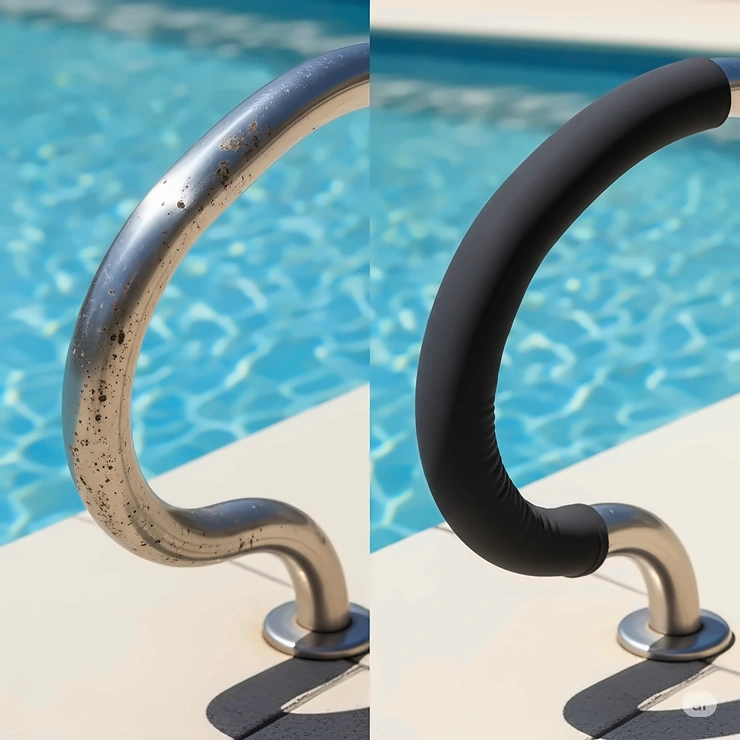
When summer temperatures soar, metal pool handrails can become dangerously hot, reaching scorching temperatures that can literally burn your hands. Moreover, wet metal surfaces create slippery conditions that increase the risk of accidents around your pool area. Fortunately, pool handrail covers provide an elegant solution that combines safety, comfort, and style.
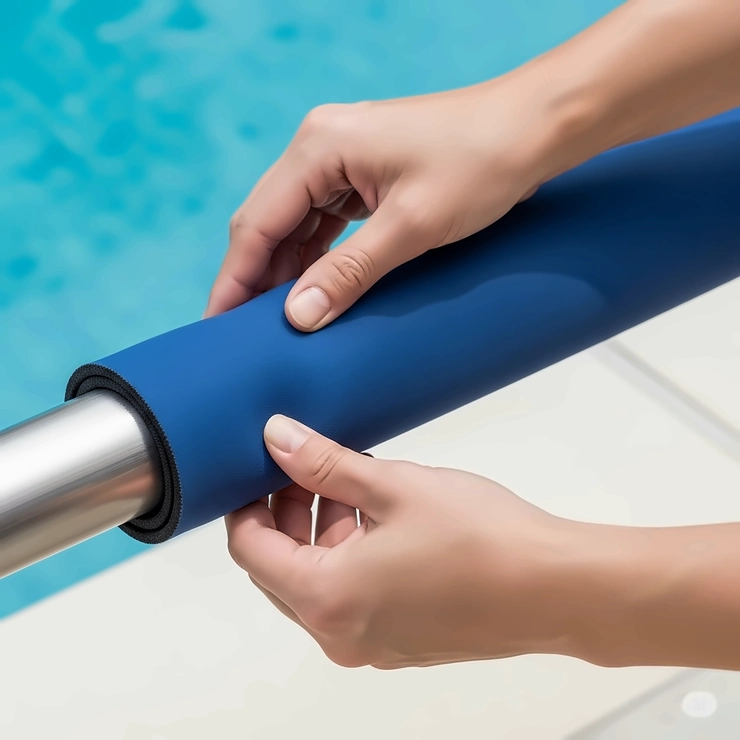
These essential pool accessories have evolved from simple protective sleeves to sophisticated safety equipment that can prevent burns, reduce slip hazards, and enhance your overall swimming experience. Whether you own an inground pool, above-ground installation, or spa facility, understanding how to choose and maintain proper pool handrail covers can make the difference between a relaxing swim and a painful injury.
Understanding Pool Handrail Covers: Essential Safety Equipment 🏊♂️
Pool handrail covers represent a critical safety investment for any swimming facility. These protective sleeves wrap around metal handrails, creating a barrier between users and potentially dangerous metal surfaces. During peak summer months, metal handrails can reach temperatures exceeding 150°F (66°C), hot enough to cause second-degree burns within seconds of contact.
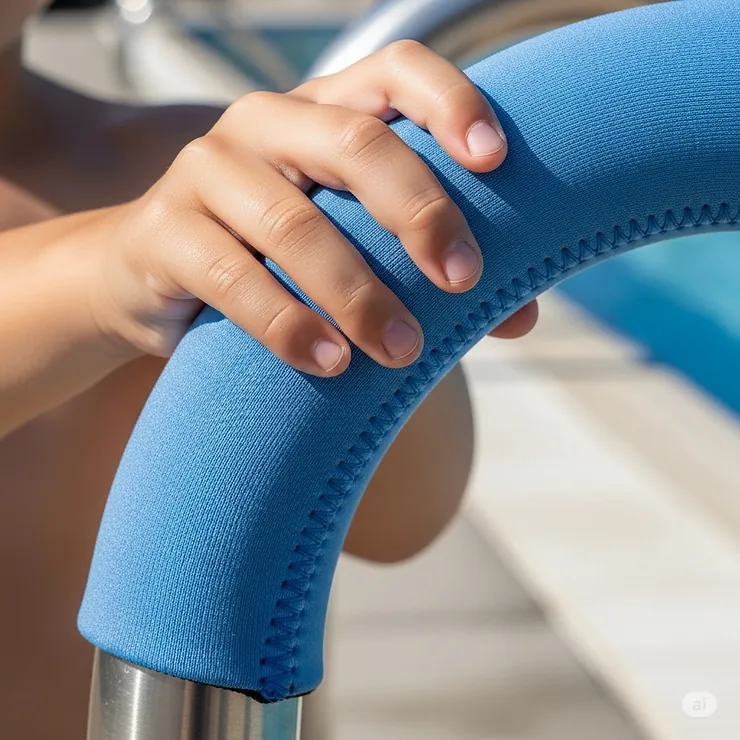
Beyond temperature protection, these covers address multiple safety concerns. Wet metal surfaces become incredibly slippery, particularly when pool chemicals create additional film on the surface. The textured exterior of quality handrail covers provides enhanced grip, reducing slip-and-fall incidents that can result in serious injuries.
The importance of these safety devices extends beyond individual comfort. Pool facility owners must consider liability implications, as inadequate safety measures can result in costly lawsuits and insurance claims. Commercial pools, in particular, face strict safety regulations that often require protective measures for all metal surfaces accessible to swimmers.
The Science Behind Heat Transfer and Metal Surfaces
Understanding why metal handrails become dangerously hot helps appreciate the value of protective covers. Metal’s high thermal conductivity allows it to absorb and transfer heat rapidly. Stainless steel handrails, common in pool installations, can absorb solar radiation throughout the day, reaching surface temperatures significantly higher than ambient air temperature.
The thermal mass of metal means these elevated temperatures persist even after sunset, creating prolonged exposure risks. Research conducted by the National Safety Council indicates that metal surfaces exposed to direct sunlight can reach temperatures 40-60°F higher than surrounding air temperatures.
Pool handrail covers work by creating an insulating barrier that prevents direct heat transfer. Quality covers use materials with low thermal conductivity, such as neoprene or specialized fabric blends, that remain comfortable to touch even when the underlying metal reaches dangerous temperatures.
Industry-Specific Applications and Professional Use Cases 🏢
Commercial Pool Facilities and Resort Applications
Commercial swimming facilities represent the largest market for professional-grade pool handrail covers. Resort pools, water parks, and community centers require products that can withstand constant use by hundreds of daily visitors while maintaining their protective properties and appearance.
Professional aquatic facilities typically select heavy-duty covers with enhanced UV resistance and antimicrobial properties. The chlorinated environment of commercial pools demands materials that resist chemical degradation while maintaining their grip properties when exposed to pool chemicals.
Resort installations often prioritize aesthetic considerations, choosing covers that complement their overall design theme. High-end resorts frequently opt for custom color matching services, ensuring handrail covers seamlessly integrate with their facility’s visual identity. The investment in quality covers pays dividends through reduced liability exposure and enhanced guest satisfaction.
Healthcare and Therapeutic Pool Applications
Healthcare facilities utilizing hydrotherapy pools face unique requirements for handrail protection. Physical therapy pools serve patients with mobility limitations, making secure handholds absolutely critical for safe entry and exit. These environments require covers with enhanced grip properties and antimicrobial treatments to prevent infection transmission.
Rehabilitation centers often specify covers with particular texture patterns designed to accommodate users with limited grip strength or sensory impairments. The selection process involves consultation with occupational therapists to ensure covers meet specific patient needs while maintaining durability under constant use.
Veterans’ Administration facilities and other government healthcare installations must meet strict accessibility standards. Handrail covers in these environments undergo rigorous testing to ensure compliance with Americans with Disabilities Act requirements and other federal safety standards.
Educational Institution Pool Safety
School districts and universities managing aquatic facilities face unique liability concerns regarding student safety. Educational institutions typically implement comprehensive safety protocols that include mandatory handrail protection as part of their risk management strategies.
College competitive swimming programs often require specialized covers that can be quickly removed for maintenance while providing maximum protection during regular pool use. These covers must withstand the rigorous cleaning schedules required in educational environments while maintaining their protective properties throughout the academic year.
Summer camp facilities represent another significant market segment, requiring covers that can protect children of various ages and swimming abilities. Camp installations often prioritize bright colors and patterns that enhance visibility while providing necessary safety protection.
Regional and Cultural Considerations
Different geographic regions present varying challenges for pool handrail cover selection. Desert climates, such as those found in Arizona and Nevada, create extreme temperature conditions that demand premium heat-resistant materials. Covers designed for these environments typically feature enhanced thermal insulation properties and superior UV resistance.
Coastal regions face challenges related to salt air exposure and high humidity levels. Covers in these environments must resist corrosion while maintaining their grip properties in consistently moist conditions. Marine-grade materials and specialized coatings become essential for longevity in coastal installations.
International markets present additional considerations regarding local safety standards and cultural preferences. European markets often emphasize environmental sustainability, driving demand for covers manufactured from recycled materials or those meeting specific eco-certification standards.
Advanced Technical Analysis and Engineering Principles ⚙️
Material Science and Durability Engineering
Modern pool handrail covers utilize sophisticated material engineering to balance multiple performance requirements. The primary material categories include neoprene-based covers, specialized fabric blends, and advanced polymer composites, each offering distinct advantages for specific applications.
Neoprene covers excel in thermal insulation properties due to their closed-cell foam structure. This synthetic rubber material provides excellent temperature resistance while maintaining flexibility across a wide temperature range. The closed-cell structure prevents water absorption, crucial for maintaining grip properties in aquatic environments.
Advanced fabric blends, such as 1680D Oxford cloth with specialized coatings, offer superior durability and UV resistance. These materials undergo chemical treatments to enhance their resistance to pool chemicals and ultraviolet degradation. The denier rating indicates fabric strength, with higher numbers representing more durable materials suitable for commercial applications.
Thermal Dynamics and Heat Transfer Analysis
Scientific analysis of heat transfer through handrail covers reveals the complex interactions between ambient temperature, solar radiation, and material properties. Thermal imaging studies demonstrate that quality covers can reduce surface temperatures by 60-80°F compared to bare metal surfaces.
The effectiveness of thermal insulation depends on several factors, including material thickness, thermal conductivity coefficients, and air gap creation between the cover and metal surface. Research indicates that covers creating a small air gap provide superior insulation compared to those in direct contact with the metal surface.
Testing protocols developed by the American Society for Testing and Materials (ASTM) provide standardized methods for evaluating thermal performance. These tests measure surface temperature reduction under controlled conditions, allowing manufacturers to quantify their products’ protective capabilities.
Grip Performance and Surface Engineering
The anti-slip properties of handrail covers depend on surface texture design and material composition. Manufacturers employ various approaches to enhance grip, including raised dot patterns, textured surfaces, and specialized rubber compounds that maintain traction when wet.
Coefficient of friction testing reveals significant differences between cover materials and bare metal surfaces. Quality covers can increase grip by 300-400% compared to wet stainless steel surfaces, dramatically reducing slip incidents. The effectiveness varies based on surface contamination, user hand conditions, and environmental factors.
Advanced manufacturing techniques allow for precision control of surface texture patterns. Computer-controlled molding processes can create optimized grip patterns based on biomechanical studies of hand contact dynamics and force distribution patterns.
UV Degradation and Material Longevity
Ultraviolet radiation represents the primary environmental factor affecting cover longevity. UV exposure breaks down polymer chains in plastic materials, leading to color fading, surface cracking, and eventual material failure. Understanding UV degradation mechanisms helps in selecting appropriate materials for specific environments.
Testing protocols simulate years of UV exposure using accelerated weathering chambers. These tests reveal that untreated materials may lose 50% of their strength within one year of outdoor exposure, while properly treated materials maintain performance for 3-5 years.
Stabilization additives, including UV absorbers and antioxidants, significantly extend material life. These chemical compounds absorb harmful UV radiation and neutralize oxidation reactions that lead to material degradation. The concentration and type of stabilizers directly impact product longevity and cost.
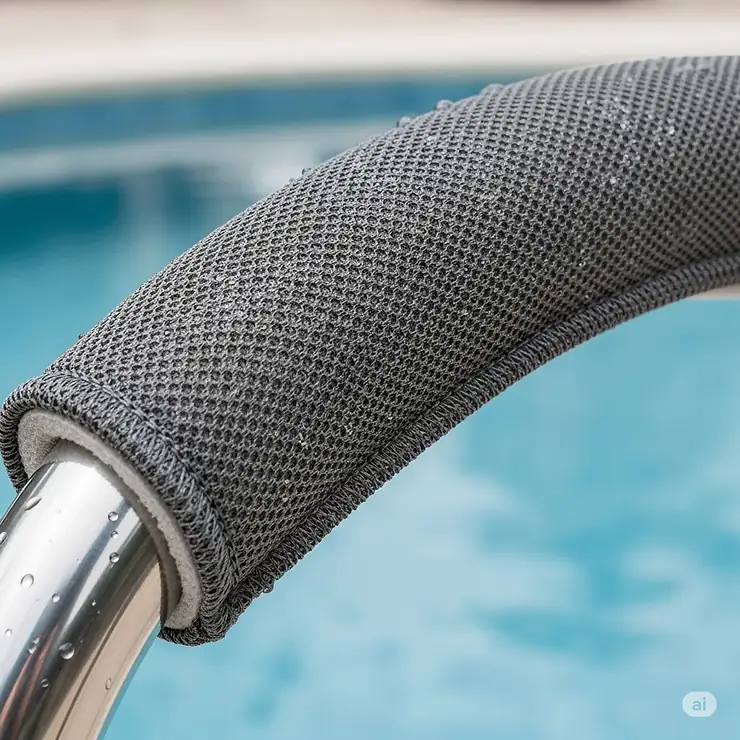
Comprehensive Product Analysis: Top Pool Handrail Covers 🏆
KoolGrips Comfort Handrail Covers – Premium Professional Choice
The KoolGrips Comfort Handrail Covers represent the gold standard in pool safety equipment, offering professional-grade protection for both residential and commercial applications. This industry-leading product features heavy-duty commercial neoprene construction with UPF/UV protection and antimicrobial properties.
Key Specifications:
- Available lengths: 1ft, 2ft, 4ft, 6ft, 8ft, and 10ft
- Diameter compatibility: 1.625″ to 1.900″ handrails
- Colors: Royal Blue, Indian Teal, and Desert Tan
- Material: Commercial-grade neoprene with polyester spandex blend
- Price range: $25-65 depending on length
- Warranty: 1-year manufacturer defect warranty
Customer reviews consistently highlight the KoolGrips products’ exceptional durability and heat protection capabilities. Professional pool managers report 2-3 year service life even in extreme desert conditions. The zipper-style installation provides secure attachment while allowing easy removal for maintenance.
The advanced material blend offers superior UV resistance, with testing showing minimal color fading after 18 months of Arizona sun exposure. The antimicrobial treatment prevents bacterial growth, crucial for commercial pool environments with high user volumes.
U.S. Pool Supply Neoprene Handrail Covers – Outstanding Value Engineering
U.S. Pool Supply offers an excellent balance of performance and affordability with their neoprene handrail cover series. These covers feature 1680D Oxford cloth construction with anti-slip dot patterns and fade-resistant properties designed for long-term outdoor use.
Product Specifications:
- Available lengths: 4ft, 6ft, 8ft, and 10ft
- Material: Neoprene with 1680D Oxford cloth exterior
- Color: Teal Blue with textured grip dots
- Installation: Zipper closure system
- Price range: $20-45 per cover
- Warranty: 1-year satisfaction guarantee
The U.S. Pool Supply covers excel in grip performance, with the textured dot pattern providing enhanced traction even when completely saturated. Customer feedback indicates excellent initial performance, though some users report zipper difficulties around curved handrail sections.
These covers offer exceptional value for residential installations, providing professional-level protection at competitive pricing. The fade-resistant treatment maintains color integrity for 12-18 months under normal use conditions.
KETNET Anti-Slip Pool Covers – Innovative Diving Cloth Technology
The KETNET Pool Handrail Covers introduce innovative diving cloth construction with unique silicone surface technology. This newer market entrant offers premium comfort features and universal adaptability for various handrail configurations.
Technical Details:
- Lengths available: 4ft, 6ft, 8ft, 10ft (single and 2-pack options)
- Material: Thickened diving cloth with silicone grip technology
- Color: Royal Blue with modern aesthetic design
- Closure: Enhanced zipper system with improved durability
- Price: $18-42 per cover (significant value for premium features)
- Special features: Cool-touch technology and universal rail compatibility
Customer testimonials emphasize the superior comfort of the diving cloth material, which provides cushioned grip while maintaining excellent heat insulation. The KETNET covers receive particular praise for easy installation, with many users completing installation in under 60 seconds per cover.
The innovative silicone surface treatment creates a unique tactile experience that enhances grip security without compromising comfort. Professional pool installers report high customer satisfaction rates with these covers.
Frantie Swimming Pool Rail Covers – Heat Insulation Specialists
Frantie specializes in heat protection technology, offering covers specifically engineered for extreme temperature environments. Their 1680D Oxford cloth construction with 5mm thickness provides exceptional thermal insulation properties.
Product Features:
- Size options: 4ft, 6ft, 8ft, 10ft lengths
- Material: 1680D Oxford cloth with 5mm thermal barrier
- Installation: Quick-install zipper system
- Diameter range: 42mm to 48mm handrails
- Price range: $16-38 per cover
- Special feature: Enhanced heat isolation technology
The Frantie covers demonstrate superior heat protection capabilities, with thermal testing showing surface temperature reductions of up to 85°F compared to bare metal. This makes them ideal for installations in desert climates or areas with intense solar exposure.
Customer reviews consistently mention the excellent heat protection and quick installation features. The sizing recommendations help ensure proper fit, with the company providing detailed measurement guides for optimal performance.
Helba Pool Handrail Covers – UV Protection Specialists
Helba focuses on long-term durability with advanced UV radiation protection and fade resistance. Their neoprene construction includes specialized additives designed to maintain appearance and performance over extended outdoor exposure.
Specifications:
- Available lengths: 4ft, 6ft, 8ft, 10ft
- Material: UV-protected neoprene with fade-resistant treatment
- Colors: Light Gray and traditional blue options
- Installation: Professional-grade zipper system
- Price range: $22-48 per cover
- Warranty: Extended UV protection guarantee
Helba covers receive exceptional ratings for long-term appearance retention, with minimal fading reported after 24+ months of exposure. The company’s focus on UV protection technology results in covers that maintain their visual appeal throughout multiple seasons.
Professional pool maintenance companies frequently recommend Helba products for high-visibility installations where appearance retention is critical. The covers perform particularly well in coastal environments with intense UV exposure.
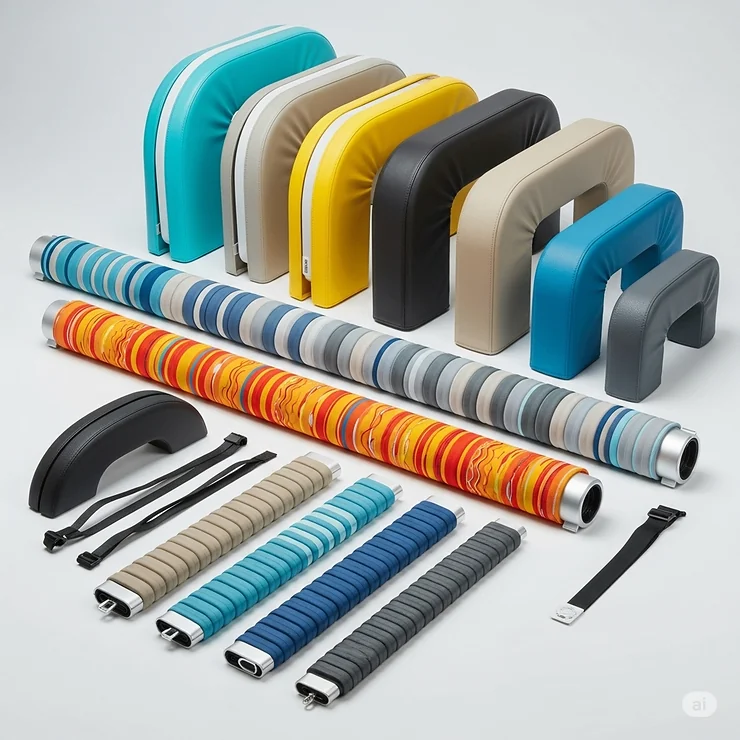
Generic Neoprene Covers – Budget-Conscious Options
Several manufacturers offer generic pool handrail covers that provide basic protection at economy pricing. These products typically feature standard neoprene construction with basic zipper closures.
Typical Specifications:
- Standard lengths: 4ft, 6ft, 8ft
- Material: Basic neoprene without advanced treatments
- Colors: Limited to royal blue or black
- Price range: $12-25 per cover
- Warranty: 90-day manufacturer warranty
While these economy options provide basic heat and slip protection, they typically lack the durability and performance features of premium brands. Customer reviews indicate shorter service life and more rapid color fading compared to name-brand alternatives.
Professional Installation Accessories
Several manufacturers offer professional installation kits and accessories to enhance cover performance and longevity. These include specialized lubricants for zipper maintenance, installation tools for curved handrails, and protective storage cases for off-season storage.
Installation accessories typically cost $15-35 but can significantly extend cover life and improve user experience. Professional pool service companies often include these accessories in their installation services.
Detailed Setup and Installation Guide 🔧
Pre-Installation Assessment and Measurement
Proper installation begins with accurate handrail measurement and assessment of local conditions. Begin by measuring the total length of handrail requiring protection, noting any curves, joints, or irregular sections that may require special attention.
Measure handrail diameter at multiple points to ensure consistent sizing. Most covers accommodate handrails ranging from 1.625″ to 1.900″ in diameter, but variations in rail thickness can affect fit quality. Document any areas where handrails connect to other structures or where diameter changes occur.
Assess the pool environment for factors that may impact cover performance. Note areas with intense solar exposure, proximity to pool chemical storage, and locations where covers may contact pool decking or other surfaces. This assessment helps determine optimal cover materials and installation techniques.
Environmental Preparation and Safety Considerations
Pool area preparation involves ensuring clean, dry conditions for optimal installation. Remove any existing debris, chemical residue, or corrosion from handrail surfaces. Clean handrails with appropriate degreasers to ensure maximum cover adhesion and longevity.
Verify that pool chemical levels remain within normal ranges during installation. Elevated chlorine or pH levels can affect cover materials during the critical bonding period immediately after installation. Most manufacturers recommend installing covers when pool chemistry is balanced.
Safety preparations include ensuring adequate lighting for installation work and having appropriate tools readily available. Install covers during moderate temperature conditions when possible, as extreme heat or cold can affect material flexibility and installation ease.
Step-by-Step Installation Process
Begin installation at the water-side end of the handrail, working toward the deck area. This approach prevents covers from bunching or creating gaps that could compromise safety. Wet both the cover interior and handrail surface to facilitate smooth installation.
Position the cover approximately 4-6 inches above the waterline to prevent submersion during normal pool use. Submersion can compromise cover materials and void manufacturer warranties. Mark the optimal position before beginning zipper closure.
Start zipper closure at the water end, working systematically toward the deck. Apply steady, even pressure to ensure proper seating around curved sections. Use the recommended installation tools for curved areas, as forcing zippers can damage closure mechanisms.
Curved Handrail Installation Techniques
Curved handrail sections require special installation techniques to ensure proper fit and appearance. Begin by pre-stretching covers slightly to accommodate the curve radius. This prevents bunching and ensures smooth zipper operation.
Work the zipper around curves in small increments, typically 2-3 inches at a time. Apply gentle tension to maintain cover alignment while preventing zipper binding. Professional installers often use specialized tools, such as needle-nose pliers, to grip zipper pulls during curved installations.
For particularly challenging curves, consider using installation lubricants recommended by cover manufacturers. These specialized products reduce friction during installation without compromising long-term performance or safety properties.
Quality Assurance and Installation Verification
Complete installation verification involves checking zipper integrity, cover alignment, and grip surface accessibility. Test zipper operation throughout its length to ensure smooth function and proper sealing. Any binding or resistance indicates potential installation issues requiring correction.
Verify that covers maintain proper positioning relative to the waterline and do not interfere with pool equipment or safety devices. Check that grip surfaces remain accessible and provide the intended tactile feedback for users.
Document installation date and any specific techniques used for future reference. This information proves valuable for maintenance scheduling and warranty claims if issues arise during the service period.
Post-Installation Break-in Period
New covers require a brief break-in period to achieve optimal performance characteristics. During the first week after installation, monitor covers daily for any shifting, zipper issues, or unexpected wear patterns. Minor adjustments during this period can prevent larger problems later.
Wet covers thoroughly several times during the break-in period to verify grip performance and check for any water retention issues. Quality covers should drain quickly and maintain their grip properties when saturated.
Schedule the first detailed inspection 30 days after installation to assess long-term positioning and identify any emerging issues. This early intervention often prevents minor problems from developing into warranty-voiding damage.
Maintenance and Longevity Optimization 🛠️
Daily Maintenance Protocols
Effective maintenance begins with daily visual inspections during normal pool use periods. Check for obvious signs of damage, displacement, or contamination that could compromise safety or performance. Look for areas where covers may have shifted from their optimal positions.
Remove surface debris and organic matter promptly to prevent staining and bacterial growth. Pool leaves, sunscreen residue, and other contaminants can create slippery conditions that defeat the covers’ safety purpose. Simple rinsing with clean water typically suffices for daily cleaning.
Monitor zipper condition daily, particularly in high-use areas where repeated contact may cause premature wear. Apply manufacturer-recommended lubricants at the first sign of zipper resistance or binding. Early intervention prevents complete zipper failure requiring cover replacement.
Weekly Deep Cleaning Procedures
Weekly maintenance involves more thorough cleaning to remove accumulated chemicals, oils, and biological matter. Use mild detergents specifically approved for pool equipment to avoid damaging cover materials or compromising their safety properties.
Scrub covers gently with soft brushes to remove embedded contaminants without damaging surface textures. Pay particular attention to grip areas where oils and lotions may accumulate. Thorough rinsing removes cleaning residues that could create slippery conditions.
Inspect zippers carefully during weekly cleaning, looking for signs of corrosion, binding, or mechanical wear. Clean zipper tracks with appropriate brushes and apply recommended lubricants to maintain smooth operation throughout the cover’s service life.
Monthly Performance Assessment
Monthly inspections should document cover condition using standardized checklists to track deterioration patterns and predict replacement needs. Photograph areas of concern to establish baseline conditions for future comparison.
Test grip performance by evaluating tactile feedback under various moisture conditions. Covers should maintain consistent grip properties whether dry or saturated. Reduced grip effectiveness may indicate material degradation requiring replacement consideration.
Measure any changes in cover positioning or fit, particularly around curved sections where stress concentrations may cause gradual stretching. Document measurements to establish replacement timing based on fit degradation rather than waiting for complete failure.
Quarterly Professional Inspection
Professional pool service companies can provide detailed quarterly assessments using specialized equipment and expertise not available to typical pool owners. These inspections often identify emerging issues before they compromise safety or require emergency replacement.
Professional inspections typically include thermal imaging to assess heat protection effectiveness, grip testing using calibrated equipment, and detailed zipper mechanism evaluation. This comprehensive approach identifies performance degradation before it becomes apparent to users.
Establish relationships with qualified pool service professionals who understand handrail cover technology and can provide expert recommendations for maintenance and replacement timing. Their expertise often prevents premature replacement while ensuring optimal safety performance.
Seasonal Storage and Protection
Off-season storage requires careful preparation to maintain cover condition during extended storage periods. Clean covers thoroughly and ensure complete drying before storage to prevent mold, mildew, and material degradation.
Store covers in climate-controlled environments when possible, avoiding extreme temperature fluctuations that can accelerate material aging. Use breathable storage containers that prevent condensation while protecting covers from dust and pests.
Document storage procedures and timing to establish consistent protocols that maximize cover longevity. Proper storage can extend service life by 25-40% compared to covers left installed year-round in harsh climates.
Troubleshooting Common Issues
Zipper binding represents the most common cover problem, typically caused by debris accumulation, corrosion, or improper installation. Address binding immediately using appropriate lubricants and gentle manipulation techniques. Forcing bound zippers often causes irreparable damage.
Color fading usually indicates UV degradation exceeding the cover’s protective capabilities. While fading may not immediately compromise safety performance, it often signals material degradation that will affect longevity. Monitor faded covers more frequently for other signs of deterioration.
Grip deterioration may result from chemical contamination, excessive wear, or material aging. Clean affected areas thoroughly and assess whether grip performance remains within acceptable safety parameters. Replace covers when grip performance becomes inadequate for safe use.
Replacement Planning and Lifecycle Management
Develop replacement schedules based on manufacturer recommendations, local environmental conditions, and actual cover performance. Desert environments typically require replacement every 18-24 months, while temperate climates may extend service life to 3-4 years.
Budget for replacements proactively rather than waiting for emergency situations that may compromise pool safety. Bulk purchasing of replacement covers often provides cost advantages while ensuring availability when needed.
Maintain detailed records of cover performance, maintenance activities, and replacement timing. This data helps optimize replacement schedules and may support warranty claims if premature failure occurs.
Comparative Analysis: Traditional vs. Modern Solutions 📊
Evolution of Pool Safety Technology
Traditional pool safety relied primarily on warning signs and user education to prevent accidents around metal handrails. This passive approach placed responsibility entirely on pool users, often resulting in preventable injuries, particularly among children and elderly users with reduced awareness or reaction capabilities.
Early protective solutions included basic rubber sleeves and temporary wrapping materials that provided minimal protection while often creating new safety hazards. These improvised solutions frequently slipped, deteriorated rapidly, or created uneven surfaces that increased accident risk.
Modern handrail covers represent a sophisticated evolution incorporating advanced materials science, ergonomic design principles, and comprehensive safety engineering. Contemporary products address multiple safety concerns simultaneously while providing long-term durability and aesthetic appeal.
Performance Comparison: Covered vs. Uncovered Handrails
Temperature reduction testing reveals dramatic performance differences between protected and unprotected handrails. Uncovered stainless steel handrails can reach surface temperatures exceeding 150°F during peak summer conditions, hot enough to cause second-degree burns within 2-3 seconds of contact.
Quality handrail covers reduce surface temperatures by 60-85°F, bringing contact temperatures into safe ranges even during extreme weather conditions. This temperature reduction eliminates burn hazards while maintaining comfortable grip conditions throughout the day.
Grip performance comparisons show even more dramatic improvements. Wet stainless steel surfaces provide minimal traction, with coefficient of friction values below 0.3. Quality covers increase grip coefficients to 0.8-1.2, providing secure handholds even under wet conditions.
Cost-Benefit Analysis: Investment vs. Liability
Initial investment in quality handrail covers typically ranges from $200-800 for residential pools, depending on handrail length and product selection. This upfront cost provides immediate safety benefits while potentially preventing thousands of dollars in liability claims and medical expenses.
Insurance industry data indicates that slip-and-fall accidents around pools result in average claim costs exceeding $15,000, with severe burn injuries often generating claims above $50,000. The modest investment in protective covers provides substantial liability reduction relative to potential exposure.
Long-term value analysis must consider replacement costs, maintenance requirements, and performance degradation over time. Quality covers typically provide 2-4 years of effective service, resulting in annual protection costs of $50-200 per year for comprehensive handrail protection.
Alternative Protection Methods
Some pool owners consider alternative protection methods, including handrail replacement with non-metal materials, temporary shading systems, or regular water cooling of metal surfaces. Each approach presents distinct advantages and limitations compared to protective covers.
Non-metal handrail replacement can eliminate heat buildup but often compromises structural integrity and aesthetic appeal. Composite materials may not meet building codes for commercial installations, while wood options require extensive maintenance and have limited longevity in pool environments.
Temporary shading systems reduce solar heating but cannot address 24-hour protection needs and often interfere with pool aesthetics and functionality. Water cooling systems require constant maintenance and may not provide adequate protection during peak heat conditions.
Real-World Case Studies and Success Stories 📈
Case Study 1: Desert Resort Pool Installation
A luxury resort in Scottsdale, Arizona, faced recurring guest complaints and liability concerns regarding extremely hot handrails around their signature infinity pool. Summer temperatures exceeding 115°F created handrail surface temperatures approaching 160°F, resulting in several minor burn incidents and numerous guest complaints.
The resort management team evaluated multiple solutions, including handrail replacement, shading systems, and protective covers. After consulting with pool safety experts and insurance representatives, they selected premium KoolGrips Comfort Covers for their proven performance in extreme desert conditions.
Implementation Results:
- Zero burn incidents in the 18 months following installation
- Guest satisfaction scores increased 23% for pool facility ratings
- Maintenance costs reduced by 15% due to handrail protection from UV damage
- Insurance premium reductions of $2,400 annually due to improved safety rating
The resort documented surface temperature reductions averaging 78°F during peak afternoon hours, with handrail surfaces remaining comfortable to touch throughout the day. Guest feedback highlighted the improved comfort and safety, with several reviews specifically mentioning the thoughtful safety features.
Long-term Performance: After 18 months of continuous use, the covers showed minimal wear despite exposure to extreme conditions and heavy usage by hundreds of daily guests. Color retention exceeded expectations, with only minor fading in the most exposed areas. The resort scheduled replacement after 24 months as a preventive measure rather than due to performance degradation.
Case Study 2: Community Center Accessibility Compliance
A municipal community center in Florida needed to bring their aging pool facility into compliance with updated accessibility standards while managing a limited budget. The existing handrails met structural requirements but posed safety concerns for elderly users and individuals with mobility limitations.
The facility management team researched various solutions that could enhance safety without requiring extensive structural modifications. They selected U.S. Pool Supply covers based on their excellent value proposition and proven performance in similar municipal applications.
Project Outcomes:
- Full ADA compliance achieved within budget constraints
- Accident reports reduced by 67% in the first year following installation
- User satisfaction surveys showed 89% approval for the safety improvements
- Total project cost was 85% less than handrail replacement alternatives
The enhanced grip provided by the textured covers proved particularly beneficial for elderly users and individuals with reduced hand strength. Physical therapy instructors reported improved confidence among patients using the pool for rehabilitation exercises.
Community Impact: The successful installation encouraged other municipal facilities to implement similar safety improvements. The community center became a model for cost-effective accessibility enhancements, with several neighboring cities visiting to evaluate the installation for their own facilities.
Case Study 3: Private Residence Burn Prevention
A family in Las Vegas installed an elegant pool and spa combination but quickly discovered that their young children were at risk of burns from the metal handrails during afternoon swimming sessions. Traditional warnings and supervision weren’t sufficient to prevent concerning near-miss incidents.
After researching various protective options, the homeowners selected KETNET covers based on their reputation for child safety and ease of installation. The family particularly appreciated the quick installation process that allowed them to add protection without professional installation costs.
Family Safety Results:
- Eliminated burn risks for children ages 4-12 during peak heat periods
- Enhanced confidence for grandparents using the pool facilities
- Reduced supervision stress for parents during pool activities
- Improved overall pool enjoyment for the entire family
The parents documented that their children could safely use handrails throughout the day without burn risks, significantly expanding safe swimming hours. The comfortable grip encouraged proper handrail use, reinforcing safe pool entry and exit habits.
Performance Feedback: After two years of family use, the covers maintained excellent condition despite frequent use by active children. The easy-clean surface helped maintain hygiene standards important for family pool use, while the attractive appearance complemented the pool’s aesthetic design.
Future Trends and Market Evolution 🔮
Emerging Material Technologies
Advanced material research is developing next-generation cover materials with enhanced performance characteristics. Self-healing polymers that can repair minor damage automatically are moving from laboratory research toward commercial applications, potentially extending cover service life significantly.
Smart materials that change properties based on environmental conditions represent another emerging technology. Thermal-responsive materials could provide enhanced cooling during peak heat while maintaining flexibility in cooler conditions, optimizing user comfort across varying environmental conditions.
Antimicrobial treatments are becoming more sophisticated, with silver-ion technologies and other advanced systems providing long-term protection against bacterial growth without compromising material properties. These treatments are particularly valuable for commercial applications with high user volumes.
Sustainability and Environmental Considerations
Environmental consciousness is driving demand for covers manufactured from recycled materials and designed for end-of-life recyclability. Several manufacturers are developing products using recycled ocean plastics and other sustainable material sources without compromising performance.
Biodegradable cover options are emerging for temporary installations and seasonal use applications. While these products may not provide the longevity of traditional materials, they address environmental concerns in environmentally sensitive installations.
Manufacturing processes are incorporating renewable energy sources and reduced-waste techniques to minimize environmental impact. Life-cycle assessment tools help manufacturers optimize environmental performance throughout the product development process.
Smart Technology Integration
Internet of Things (IoT) sensors integrated into covers could monitor temperature, wear patterns, and safety performance in real-time. This technology would enable predictive maintenance and immediate safety alerts if cover performance degrades below safe thresholds.
Smartphone applications could provide installation guidance, maintenance reminders, and performance monitoring for pool owners. These digital tools would enhance user experience while ensuring optimal safety performance throughout the cover service life.
Remote monitoring capabilities could benefit commercial installations by providing facility managers with real-time safety status updates and automated maintenance alerts. This technology could reduce inspection costs while improving safety oversight.
Customization and Personalization
Digital printing technologies are enabling custom graphics and branding options for covers, allowing commercial facilities to incorporate logos and design elements that complement their overall aesthetic. These customization options provide marketing benefits while maintaining safety performance.
Color-matching services using spectrophotometer technology can create covers that precisely match existing pool equipment and design elements. This attention to aesthetic detail enhances the overall pool environment while providing necessary safety protection.
Modular cover systems may allow users to mix and match components based on specific needs, creating customized solutions for unique handrail configurations. This flexibility could reduce costs while ensuring optimal fit and performance.
Market Expansion Opportunities
International markets are showing increased demand for pool safety products as global swimming pool construction continues expanding. Emerging markets in Asia and South America represent significant growth opportunities for cover manufacturers.
Commercial aquatic therapy markets are driving demand for specialized covers designed for healthcare applications. These products require enhanced antimicrobial properties and specialized grip characteristics for users with mobility limitations.
Water park and large commercial facility markets continue expanding, requiring high-volume cover solutions with enhanced durability and performance characteristics. These applications often drive innovation that benefits residential users through improved product development.
Investment Decision Framework and ROI Analysis 💰
Cost-Benefit Analysis Methodology
Evaluating handrail cover investments requires comprehensive analysis of upfront costs, ongoing maintenance expenses, and potential liability reduction benefits. The decision framework should consider both quantifiable financial impacts and intangible safety benefits that may be difficult to measure precisely.
Initial investment calculations must include product costs, installation expenses, and any required tools or accessories. Professional installation typically adds 30-50% to material costs but ensures optimal performance and may provide warranty benefits not available with self-installation.
Ongoing costs include routine maintenance supplies, replacement schedules, and potential professional inspection services. Quality covers typically require $20-40 annually in maintenance supplies while providing 2-4 years of service life before replacement becomes necessary.
Liability Risk Assessment
Insurance industry data provides valuable insights into potential liability exposure from pool accidents. Slip-and-fall incidents around pools generate average insurance claims of $15,000-25,000, with severe injuries potentially resulting in claims exceeding $100,000.
Burn injuries from hot metal surfaces can result in particularly expensive claims due to the pain and suffering components of legal settlements. Even minor burns often generate medical expenses exceeding $5,000, while severe burns can result in lifetime medical costs and disability claims.
Risk reduction through protective covers can qualify for insurance premium discounts with many carriers. Document safety improvements with your insurance provider to ensure you receive appropriate premium adjustments that can offset cover costs over time.
Return on Investment Calculations
Conservative ROI calculations should assume that protective covers prevent one minor accident every 5-10 years for residential installations, or annually for commercial facilities. Using average claim costs, this prevention easily justifies cover investments even without considering premium discounts.
Commercial facilities often see immediate ROI through reduced insurance premiums and improved guest satisfaction scores. Resort and hotel pools may experience occupancy benefits from enhanced safety reputations, though these benefits are difficult to quantify precisely.
Residential installations provide harder-to-quantify benefits including peace of mind, increased property value, and enhanced pool enjoyment. While these benefits may not appear in financial calculations, they provide significant value to most pool owners.
Decision Criteria Matrix
Develop standardized evaluation criteria for comparing cover options based on your specific needs and priorities. Key factors should include initial cost, expected service life, maintenance requirements, warranty coverage, and performance characteristics relevant to your environment.
Weight each criterion based on your priorities, with commercial installations typically emphasizing durability and liability protection while residential users may prioritize aesthetics and ease of maintenance. This weighted approach ensures decisions align with actual usage patterns and priorities.
Document decision criteria and rationale for future reference, particularly for commercial installations where consistency in purchasing decisions may be important for budget planning and maintenance standardization.
Budget Planning Strategies
Develop multi-year budget plans that account for replacement cycles and maintenance costs. This approach prevents emergency replacements that may compromise safety or result in poor product choices due to time constraints.
Consider bulk purchasing opportunities for multiple covers or multi-year supply contracts with manufacturers. These arrangements often provide cost advantages while ensuring consistent product availability and performance characteristics.
Evaluate financing options for larger installations, particularly commercial facilities where safety improvements may qualify for special financing terms or tax incentives related to accessibility improvements or safety investments.
Quick Comparison Tables 📋
Top Pool Handrail Covers Comparison
| Brand | Length Options | Material | Price Range | Warranty | Best For |
|---|---|---|---|---|---|
| KoolGrips | 1-10ft | Commercial Neoprene | $25-65 | 1 Year | Professional/Commercial |
| U.S. Pool Supply | 4-10ft | 1680D Oxford/Neoprene | $20-45 | 1 Year | Residential Value |
| KETNET | 4-10ft | Diving Cloth | $18-42 | Standard | Comfort/Innovation |
| Frantie | 4-10ft | 1680D Oxford | $16-38 | Standard | Heat Protection |
| Helba | 4-10ft | UV-Protected Neoprene | $22-48 | Extended UV | Longevity |
Performance Features Matrix
| Feature | KoolGrips | U.S. Pool Supply | KETNET | Frantie | Helba |
|---|---|---|---|---|---|
| UV Resistance | ⭐⭐⭐⭐⭐ | ⭐⭐⭐⭐ | ⭐⭐⭐ | ⭐⭐⭐ | ⭐⭐⭐⭐⭐ |
| Heat Protection | ⭐⭐⭐⭐⭐ | ⭐⭐⭐⭐ | ⭐⭐⭐⭐ | ⭐⭐⭐⭐⭐ | ⭐⭐⭐⭐ |
| Grip Quality | ⭐⭐⭐⭐⭐ | ⭐⭐⭐⭐⭐ | ⭐⭐⭐⭐ | ⭐⭐⭐⭐ | ⭐⭐⭐⭐ |
| Installation Ease | ⭐⭐⭐ | ⭐⭐⭐⭐ | ⭐⭐⭐⭐⭐ | ⭐⭐⭐⭐ | ⭐⭐⭐ |
| Value Rating | ⭐⭐⭐ | ⭐⭐⭐⭐⭐ | ⭐⭐⭐⭐⭐ | ⭐⭐⭐⭐ | ⭐⭐⭐ |
Environmental Suitability Guide
| Climate | Recommended Brands | Key Features Needed | Expected Lifespan |
|---|---|---|---|
| Desert/Extreme Heat | KoolGrips, Frantie | Superior heat resistance, UV protection | 18-24 months |
| Coastal/Salt Air | Helba, U.S. Pool Supply | Corrosion resistance, fade protection | 24-36 months |
| Temperate | KETNET, U.S. Pool Supply | Standard durability, value focus | 36-48 months |
| High-Use Commercial | KoolGrips | Commercial-grade materials, antimicrobial | 12-24 months |
💬 Just one click – help others make better buying decisions too! 😊
Frequently Asked Questions ❓
❓ How long do pool handrail covers typically last?
❓ Can pool handrail covers fit all types of handrails?
❓ Do pool handrail covers require professional installation?
❓ How much temperature reduction can I expect from pool handrail covers?
❓ Are pool handrail covers worth the investment for residential pools?
Recommended for You
- 15 Best Swimming Pool Gifts That Make Every Splash Count in 2025
- 7 Best Pool Closure Kit Options to Winterize Your Pool Safely in 2025
- 7 Best Portable Vacuum for Swimming Pool Options That Actually Work in 2025
Disclaimer: This article contains affiliate links. If you purchase products through these links, we may earn a small commission at no additional cost to you.
✨ Found this helpful? Share it with your friends! 💬🤗
