

In This Article
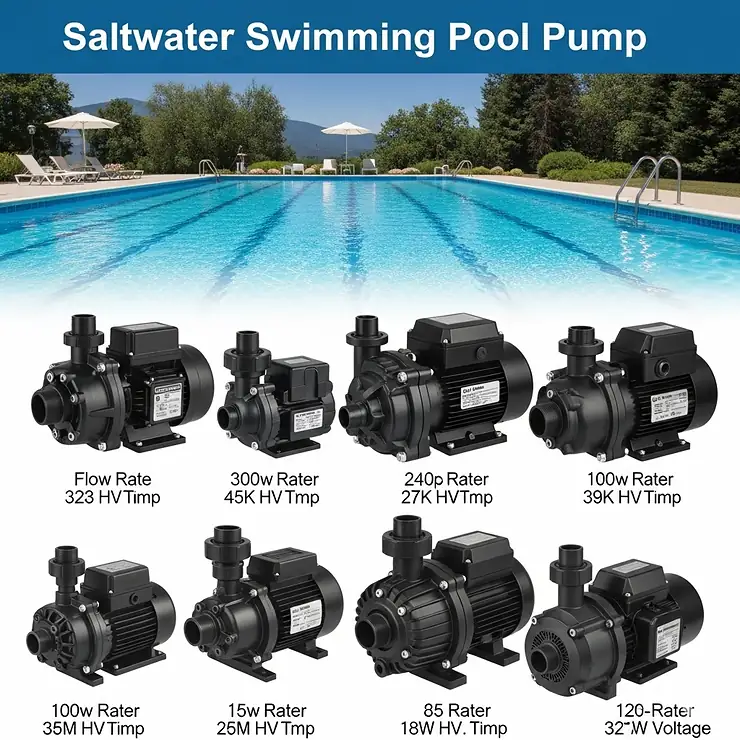
Swimming pool ownership has evolved dramatically over the past decade, and nowhere is this more evident than in the rising popularity of salt water pumps for swimming pools. If you’re tired of the constant chemical maintenance, harsh chlorine odors, and skin irritation associated with traditional pool systems, you’re not alone. The shift toward saltwater pool systems represents one of the most significant innovations in residential pool technology, offering a gentler, more sustainable approach to pool sanitation that’s revolutionizing backyard swimming experiences across America.
✨Was this helpful? Spread the word! 🚀
The appeal of salt water pumps for swimming pools extends far beyond mere convenience. These sophisticated systems harness the natural power of electrolysis to generate chlorine directly from dissolved salt, creating a self-sustaining cycle that maintains crystal-clear water with minimal manual intervention. Unlike traditional chlorine pools that require frequent chemical additions and constant monitoring, saltwater systems provide consistent sanitization while delivering water that feels softer, looks clearer, and causes significantly less irritation to eyes and skin.
Understanding Salt Water Pump Technology 🔬
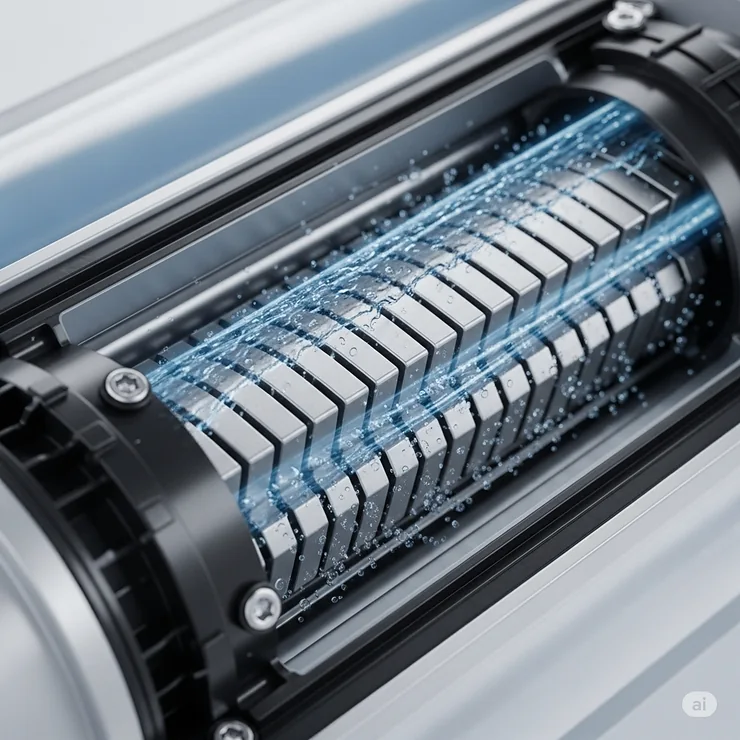
Modern salt water pumps for swimming pools operate on a fascinating scientific principle called electrocatalytic oxidation. The system works by passing pool water through an electrolytic cell containing titanium plates charged with electrical current. As saltwater flows through this cell, the electrical charge splits salt molecules (sodium chloride) into their component parts, generating hypochlorous acid – the same sanitizing compound found in traditional chlorine but produced naturally and continuously.
This process represents a significant advancement over conventional chlorination methods. Traditional pools require pool owners to manually add liquid chlorine, chlorine tablets, or powdered shock treatments on a regular basis. These chemicals often contain stabilizers and additives that can build up over time, leading to water balance issues and the need for frequent water changes. Salt water pumps for swimming pools eliminate this concern by generating pure, unstabilized chlorine that dissipates naturally without leaving behind harmful byproducts.
The technology behind these systems has advanced considerably since their introduction. Early saltwater systems were prone to corrosion issues and required frequent cell replacement. Today’s salt water pumps for swimming pools feature advanced titanium cell technology, reverse polarity self-cleaning capabilities, and sophisticated monitoring systems that automatically adjust chlorine production based on pool usage and environmental conditions.
| Feature | Traditional Chlorine | Salt Water System |
|---|---|---|
| Chemical additions | Weekly/bi-weekly | 2-3 times per season |
| Water feel | Harsh, drying | Soft, silky |
| Eye irritation | Common | Minimal |
| Odor | Strong chlorine smell | Virtually odorless |
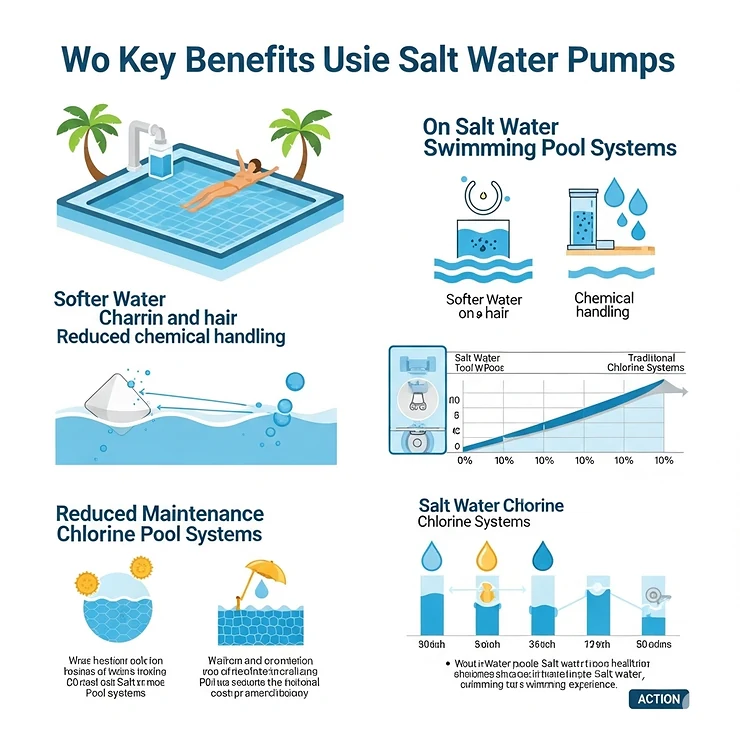
| Long-term cost | Higher chemical costs | Lower maintenance costs |
| Environmental impact | Chemical waste | Eco-friendly |
Industry-Specific Applications and Professional Use Cases 🏊♂️
Residential Pool Applications
Salt water pumps for swimming pools have gained tremendous traction in residential settings, particularly among families with children, individuals with sensitive skin, and environmentally conscious homeowners. The residential market represents the largest segment for these systems, with installations spanning from modest above-ground pools to elaborate in-ground facilities with multiple water features.
In family environments, the benefits become immediately apparent. Children can swim longer without experiencing the red eyes and skin irritation common with traditional chlorinated pools. Parents appreciate the reduced chemical handling requirements, eliminating the need to store and transport dangerous chlorine products. Many families report that their children prefer swimming in saltwater pools, often describing the water as feeling “more natural” and comfortable.
Commercial and Hospitality Applications
The hospitality industry has embraced salt water pumps for swimming pools as a competitive differentiator and operational efficiency tool. Hotels, resorts, and rental properties increasingly advertise saltwater pools as a premium amenity, attracting guests who value comfort and environmental responsibility. From an operational standpoint, these systems reduce labor costs associated with daily chemical testing and adjustment while minimizing liability concerns related to chemical storage and handling.
Commercial aquatic facilities, including health clubs, community centers, and therapeutic pools, have found salt water pumps for swimming pools particularly beneficial for high-usage environments. The consistent chlorine production helps maintain sanitation standards even during peak usage periods, while the gentler water chemistry reduces complaints from sensitive users. Physical therapy and rehabilitation facilities especially value these systems, as patients with compromised immune systems or sensitive skin conditions can use the pools more comfortably.
Professional Sports and Training Facilities
Elite athletic facilities increasingly specify salt water pumps for swimming pools for their training environments. Olympic training centers, collegiate swimming programs, and professional sports complexes recognize that the superior water quality can contribute to athlete performance and recovery. The reduced chemical load allows athletes to train longer without experiencing chlorine-related fatigue or respiratory irritation.
The consistency of water chemistry provided by saltwater systems also supports more predictable training conditions. Competitive swimmers are particularly sensitive to water chemistry variations, which can affect their stroke mechanics and timing. Salt water pumps for swimming pools provide the stable environment necessary for consistent training and performance measurement.
Healthcare and Therapeutic Applications
Medical facilities utilizing hydrotherapy increasingly prefer salt water pumps for swimming pools for their therapeutic pools. The gentle nature of saltwater supports healing while reducing the risk of chemical reactions or sensitivities in patients with compromised health. Rehabilitation centers treating burn victims, individuals with chronic pain conditions, and those recovering from surgery find that saltwater pools provide optimal therapeutic environments.
Physical therapy practices have documented improved patient compliance and outcomes when using saltwater therapy pools. Patients report greater comfort during treatment sessions, leading to longer therapy durations and more consistent treatment schedules. The natural buoyancy and gentle chemical environment support healing while minimizing additional stress on already compromised systems.
Advanced Technical Analysis and Engineering Principles ⚡
Electrolytic Cell Technology and Performance
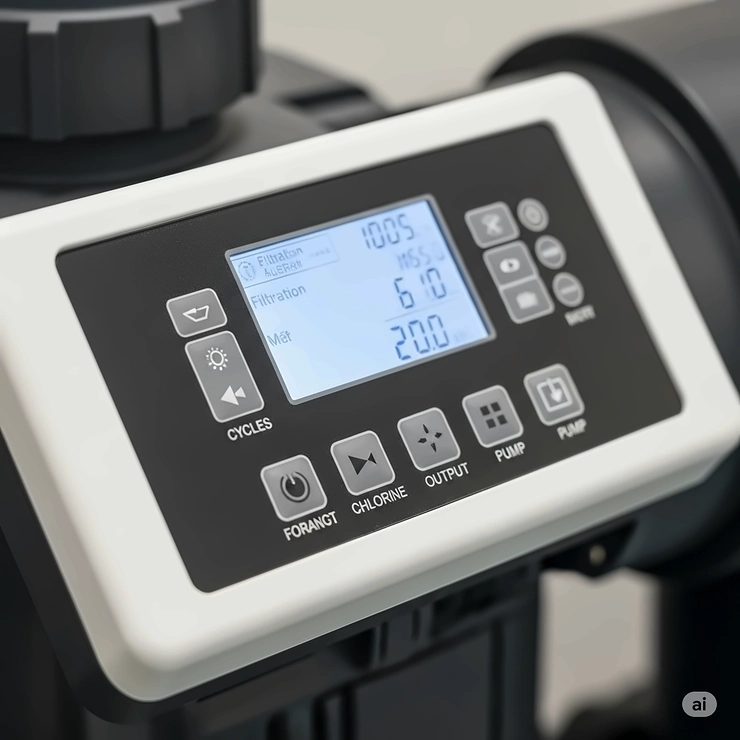
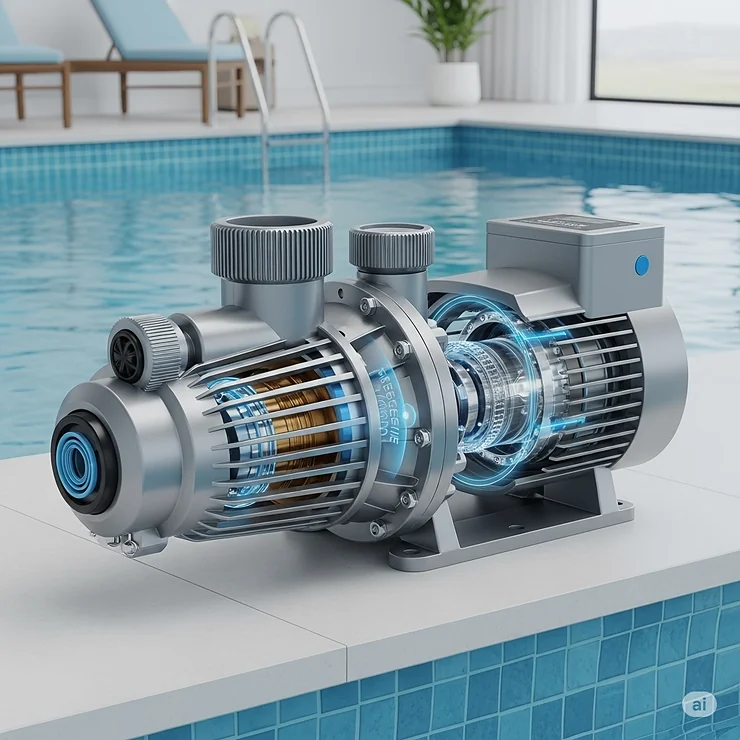
The heart of any salt water pump for swimming pools lies in its electrolytic cell technology. Modern cells utilize precisely engineered titanium plates coated with precious metals like iridium or ruthenium. These coatings enhance electrical conductivity while resisting corrosion from the constant electrochemical reactions occurring within the cell.
Cell design has evolved to maximize efficiency while minimizing maintenance requirements. Linear flow-through designs ensure consistent water contact with all electrode surfaces, while spiral configurations increase surface area within compact form factors. Advanced systems incorporate variable geometry cells that can adjust their effective surface area based on chlorine demand, optimizing both performance and cell longevity.
The electrical system powering these cells represents another area of significant innovation. Modern salt water pumps for swimming pools feature switch-mode power supplies that provide precise voltage and current control while maximizing energy efficiency. These power systems can modulate output across a wide range, allowing the system to produce exactly the amount of chlorine needed without waste or overproduction.
Flow Rate and Hydraulic Engineering
Proper flow rate management is critical for optimal performance of salt water pumps for swimming pools. The electrolytic process requires sufficient water velocity through the cell to ensure complete mixing and reaction, while excessive flow rates can reduce contact time and decrease efficiency. Most systems require flow rates between 20 and 80 gallons per minute for optimal performance, with specific requirements varying based on cell size and design.
Hydraulic engineering considerations extend beyond simple flow rate to include pressure drop across the system, flow distribution within the cell, and integration with existing pool circulation systems. Advanced salt water pumps for swimming pools incorporate sophisticated flow monitoring systems that can detect blockages, air bubbles, or other conditions that might compromise performance.
Chemistry Balance and pH Management
Salt water pumps for swimming pools face unique challenges in maintaining proper water chemistry balance. The electrolytic process tends to increase pH levels over time, requiring active management to prevent scaling and maintain sanitizer effectiveness. Modern systems incorporate pH monitoring and automatic adjustment capabilities, typically using muriatic acid injection systems to maintain optimal pH levels.
The relationship between salt concentration, temperature, and chlorine production is complex and requires sophisticated control algorithms. Water temperature affects both salt solubility and reaction rates, while salt concentration directly impacts chlorine production capacity. Advanced salt water pumps for swimming pools continuously monitor these parameters and adjust operation accordingly to maintain consistent output regardless of environmental conditions.
Comprehensive Setup and Installation Guide 🔧
Pre-Installation Assessment and Planning
Before installing salt water pumps for swimming pools, a thorough assessment of existing pool infrastructure is essential. This evaluation should examine current circulation systems, electrical capacity, plumbing configuration, and water chemistry to ensure compatibility with saltwater technology. Professional installers typically conduct water flow tests to verify adequate circulation rates and identify any restrictions that might impact system performance.
Electrical requirements for salt water pumps for swimming pools typically include dedicated 220V circuits with appropriate GFCI protection. The installation location must provide adequate ventilation to dissipate heat generated by the control electronics while protecting the system from environmental exposure. Most manufacturers recommend installing the system within 50 feet of the pool equipment pad to minimize voltage drop and simplify integration with existing filtration systems.
Step-by-Step Installation Process
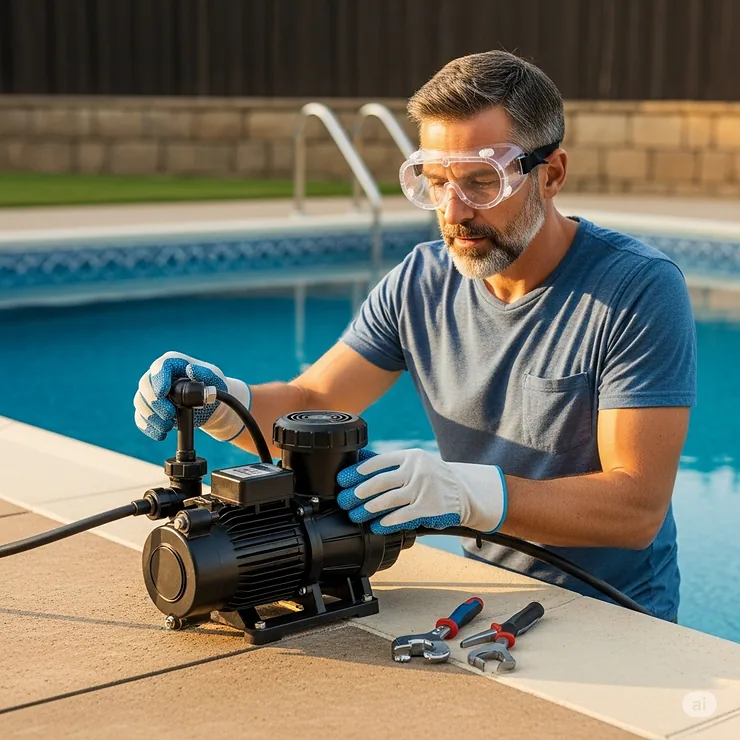
The installation of salt water pumps for swimming pools typically follows a standardized process that can be completed by qualified pool professionals or experienced DIY installers. The process begins with shutting down existing filtration systems and draining the lines to allow for plumbing modifications.
Week 1: System Integration
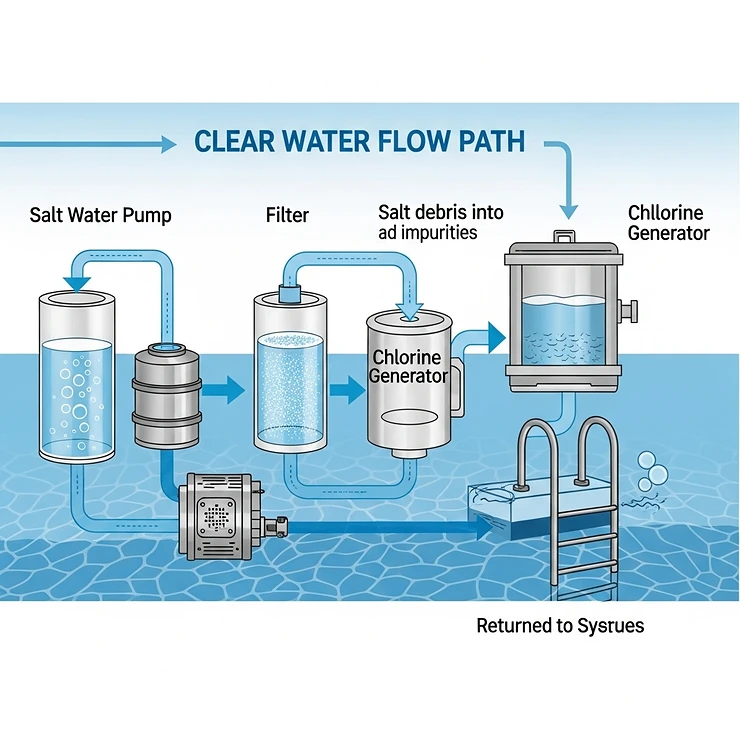
- Install the electrolytic cell in the return line after the filter and heater
- Mount the control panel in a suitable location near existing pool equipment
- Run electrical connections between the cell and control panel
- Install flow switch and any additional sensors required by the system
Week 2: System Commissioning
- Fill the pool and balance basic water chemistry (pH, alkalinity)
- Add the required amount of pool salt based on manufacturer specifications
- Power up the system and verify proper operation of all components
- Begin initial chlorine production cycle and monitor output levels
Week 3: Optimization and Fine-Tuning
- Adjust chlorine production levels based on pool usage and environmental conditions
- Calibrate automatic pH control systems if equipped
- Establish maintenance schedules for cell cleaning and system monitoring
- Train pool owners on system operation and basic troubleshooting
Integration with Existing Pool Systems
Modern salt water pumps for swimming pools are designed for seamless integration with existing pool equipment, including variable speed pumps, automatic pool cleaners, and pool heating systems. However, certain equipment may require modification or replacement to ensure optimal compatibility.
Older pool equipment with non-compatible metals may experience accelerated corrosion in saltwater environments. Pool lights, ladders, handrails, and other metal components should be evaluated for salt compatibility. Stainless steel components with appropriate grades (316L or higher) typically perform well, while lower-grade metals may require replacement or protective coatings.
Real Product Reviews and Recommendations 💫
Based on extensive research of current Amazon offerings and customer feedback, here are the top salt water pumps for swimming pools available in 2025:
Premium Category: High-Performance Systems
1. Pentair IC40 IntelliChlor Salt Chlorine Generator ($899-$1,299)
The Pentair IC40 IntelliChlor stands as the gold standard for professional-grade salt water pumps for swimming pools, capable of handling pools up to 40,000 gallons with exceptional reliability and performance. This system represents the pinnacle of saltwater technology, featuring full automation compatibility with Pentair’s IntelliCenter control systems for comprehensive pool management.
Customer reviews consistently praise the IC40’s durability and consistent performance. One verified purchaser from Puerto Rico reported, “After a full year of use, I can confidently say this was one of the smartest decisions I’ve made for my pool. The unit has handled heat, heavy rainfall, and near-daily use like a champ with zero chlorine odor or irritation.”
✅ Pros:
- Professional-grade titanium cell construction
- Compatible with Pentair automation systems
- Self-diagnostic capabilities with error reporting
- Proven track record in harsh environments
- Industry-leading warranty coverage
❌ Cons:
- Higher initial investment cost
- Requires professional installation for warranty
- May be oversized for smaller pools
2. Hayward W3SP3206VSP TriStar Variable Speed Pool Pump ($1,599-$2,199)
The Hayward TriStar VS represents an excellent choice for pool owners seeking energy efficiency combined with saltwater compatibility. This variable speed pump delivers up to 90% energy savings compared to single-speed alternatives while providing whisper-quiet operation that makes it ideal for residential installations.
The TriStar’s permanent magnet motor technology ensures reliable performance while the integrated digital controls allow for precise programming to match specific pool requirements. Customer feedback highlights the dramatic reduction in energy costs, with many users reporting monthly savings of $50-90 on their electricity bills.
✅ Pros:
- Energy Star certified for maximum efficiency
- Programmable digital interface with 24-hour clock
- Dual voltage capabilities (115V/230V)
- Quiet operation even at higher speeds
- Compatible with existing Hayward systems
❌ Cons:
- Complex programming may require professional setup
- Digital displays vulnerable to power surges
- Higher maintenance costs for electronic components
Mid-Range Category: Best Value Options
3. CircuPool RJ45+ Complete Salt Water Chlorination System ($649-$849)
The CircuPool RJ45+ delivers professional-grade performance at a competitive price point, making it an excellent choice for pool owners seeking reliable salt water pumps for swimming pools without premium pricing. This system handles pools up to 45,000 gallons while offering a comprehensive 7-year warranty that demonstrates the manufacturer’s confidence in their product quality.
CircuPool’s customer service receives exceptional ratings, with users frequently commenting on the knowledgeable technical support and follow-up service. The RJ45+ features self-cleaning reverse polarity operation and flexible installation options that accommodate various pool configurations.
✅ Pros:
- Excellent price-to-performance ratio
- Comprehensive 7-year warranty coverage
- Outstanding customer service reputation
- Self-cleaning reverse polarity technology
- No DIY installation penalty
❌ Cons:
- Limited automation integration options
- Basic control interface compared to premium systems
- Smaller service network than major brands
4. Intex 3000 GPH Sand Filter Pump with Saltwater System ($399-$599)
For above-ground pool owners, the Intex Sand Filter and Saltwater System combination provides an affordable entry point into saltwater pool technology. This integrated system combines sand filtration with salt chlorination, simplifying installation and reducing equipment complexity for residential above-ground pools up to 15,000 gallons.
The system’s HydroAeration technology improves water circulation and clarity while the built-in timer allows for automated operation. Customer reviews consistently mention the dramatic improvement in water quality and reduced maintenance requirements compared to traditional chemical systems.
✅ Pros:
- Integrated design simplifies installation
- Includes sand filtration and saltwater generation
- Built-in timer for automated operation
- Significant cost savings over separate systems
- Good performance for above-ground pools
❌ Cons:
- Limited to smaller pool applications
- Basic control features
- May require annual system replacement
- Not suitable for in-ground pools
Budget-Friendly Category: Entry-Level Solutions
5. CircuPool CORE35 Salt Chlorinator System ($549-$749)
The CircuPool CORE35 represents the latest generation of compact saltwater technology, offering advanced features typically found in more expensive systems while maintaining an accessible price point. This fourth-generation system handles pools up to 35,000 gallons and features modern digital electronics with smart sensors for optimal performance monitoring.
Customer feedback emphasizes the CORE35’s ease of installation and operation, with many users completing setup in under an hour. The system’s compact design allows for flexible mounting options while the advanced titanium cell provides excellent longevity and performance.
✅ Pros:
- Latest generation technology at competitive pricing
- Compact design fits tight equipment areas
- Advanced digital controls with smart sensors
- Quick DIY-friendly installation
- 8-year manufacturer warranty
❌ Cons:
- Limited capacity for very large pools
- Newer model with less long-term performance data
- Basic automation integration
6. Intex Krystal Clear Saltwater System QS1200 ($199-$349)
For budget-conscious pool owners, the Intex QS1200 provides basic saltwater functionality for pools up to 15,000 gallons at an extremely attractive price point. While lacking the advanced features of premium systems, this unit effectively demonstrates saltwater benefits for first-time users or seasonal pool owners.
The QS1200 features simple controls and straightforward installation, making it accessible to users with minimal technical experience. Customer reviews note significant improvement in water quality and swimming comfort compared to traditional chemical systems.
✅ Pros:
- Very affordable entry point to saltwater technology
- Simple installation and operation
- Good performance for seasonal use
- Minimal maintenance requirements
- Compatible with existing filter systems
❌ Cons:
- Limited to smaller pools only
- Basic control features
- Shorter expected lifespan
- No automation capabilities
Comparison Table: Top Salt Water Pumps for Swimming Pools
| Model | Pool Capacity | Price Range | Warranty | Key Features | Best For |
|---|---|---|---|---|---|
| Pentair IC40 | 40,000 gal | $899-$1,299 | 3 years | Professional grade, automation ready | Large pools, commercial use |
| Hayward TriStar VS | Variable | $1,599-$2,199 | 3 years | Variable speed, energy efficient | Energy savings, quiet operation |
| CircuPool RJ45+ | 45,000 gal | $649-$849 | 7 years | Great warranty, excellent support | Mid-size pools, value seekers |
| Intex 3000 GPH | 15,000 gal | $399-$599 | 1 year | Integrated filtration | Above-ground pools |
| CircuPool CORE35 | 35,000 gal | $549-$749 | 8 years | Latest technology | Modern features, reliability |
| Intex QS1200 | 15,000 gal | $199-$349 | 1 year | Basic functionality | Budget-conscious, entry-level |
Grab These Top-Rated Salt Water Pumps Today! 🛒
Ready to transform your pool experience with crystal-clear, gentle saltwater? These carefully selected salt water pumps for swimming pools represent the best value and performance in today’s market. Click on any highlighted product name to check current Amazon pricing and availability – your skin and wallet will thank you! ⭐
Maintenance and Longevity Strategies 🔄
Daily and Weekly Maintenance Protocols
Proper maintenance of salt water pumps for swimming pools requires a systematic approach that addresses both routine care and periodic deep maintenance. Daily maintenance typically involves visual inspection of the system’s operation indicators, monitoring pool water levels, and checking for any obvious signs of malfunction such as unusual noises or error messages on the control panel.
Weekly maintenance should include testing and recording salt levels, pH, and total alkalinity using appropriate test kits or digital testing equipment. Salt levels should typically maintain between 2,700-3,400 ppm for optimal performance, though specific requirements vary by manufacturer. pH levels require particular attention in saltwater pools, as the electrolytic process tends to drive pH upward over time.
Daily Checklist for Salt Water Pumps for Swimming Pools:
- Verify system operation indicators show normal status
- Check pool water level (should cover skimmer opening)
- Listen for unusual noises from pump or electrical components
- Observe water clarity and any visible debris or algae formation
- Ensure all automation systems are responding properly
Weekly Maintenance Tasks:
- Test salt levels using digital salt meter or test strips
- Monitor and adjust pH levels (target: 7.2-7.6)
- Check total alkalinity (target: 80-120 ppm)
- Clean skimmer baskets and remove any debris
- Record all readings in maintenance log
Monthly and Quarterly Deep Maintenance
Monthly maintenance of salt water pumps for swimming pools should include thorough cleaning of the electrolytic cell, inspection of electrical connections, and comprehensive water chemistry testing. Cell cleaning typically involves removing calcium scale buildup using a mild muriatic acid solution, following manufacturer-specific procedures to avoid damage to the titanium plates.
Quarterly maintenance represents the most comprehensive service interval, addressing items that affect long-term system performance and longevity. This includes full system calibration, replacement of any consumable components, and detailed inspection of all system components for signs of wear or corrosion.
Monthly Deep Maintenance Tasks:
- Remove and inspect electrolytic cell for scale buildup
- Clean cell using appropriate descaling solution
- Inspect all electrical connections for corrosion or looseness
- Test and calibrate pH probe if equipped
- Verify proper operation of all automation features
- Check condition of all O-rings and gaskets
Quarterly Comprehensive Service:
- Complete water chemistry analysis including cyanuric acid levels
- Inspect and clean all pool equipment including filter system
- Verify proper pump flow rates and pressure readings
- Test ground fault protection and electrical safety systems
- Update system programming based on seasonal changes
- Professional inspection of cell condition and replacement if needed
Troubleshooting Common Issues
Salt water pumps for swimming pools can experience various issues ranging from simple user errors to complex equipment failures. Understanding common problems and their solutions helps pool owners maintain optimal system performance while minimizing service calls and downtime.
Low Chlorine Production Issues: This common problem often relates to inadequate salt levels, poor water flow, or cell scaling. Begin troubleshooting by verifying salt concentration using a digital meter, ensuring readings fall within manufacturer specifications. Check system flow rates and clean any obstructions in the circulation system. If scaling is evident on the cell plates, follow manufacturer cleaning procedures using appropriate descaling solutions.
High pH Levels: The electrolytic process naturally increases pH, requiring active management in most saltwater pools. Install an automatic pH controller if not already equipped, or manually add muriatic acid to reduce pH levels. Consider adding a CO2 injection system for more precise pH control in commercial applications.
Flow Sensor Errors: Flow-related error messages typically indicate insufficient water circulation through the electrolytic cell. Check for closed valves, dirty filters, or air locks in the circulation system. Verify that the pool pump is operating at appropriate speeds and that automation systems are properly coordinated.
Cost-of-Ownership Analysis
Understanding the total cost of ownership for salt water pumps for swimming pools helps pool owners make informed decisions about system selection and maintenance strategies. Initial equipment costs represent only a portion of the total investment, with ongoing operational costs including electricity, salt replacement, cell replacement, and periodic service requirements.
Initial Investment Breakdown:
- Equipment purchase: $200-$2,200 depending on system size and features
- Professional installation: $300-$800 for complex installations
- Electrical upgrades: $200-$500 if circuit modifications required
- Plumbing modifications: $100-$400 for optimal integration
- Initial salt purchase: $50-$150 for pool startup
Annual Operating Costs:
- Electricity: $50-$200 annually depending on system size and usage
- Salt replacement: $20-$50 annually for normal operation
- Cell replacement: $200-$600 every 3-7 years depending on usage
- Professional service: $200-$400 annually for comprehensive maintenance
- Chemical supplements: $50-$150 annually for pH adjustment and shocking
The total cost of ownership for salt water pumps for swimming pools typically proves favorable compared to traditional chlorination over a 5-7 year period, with most systems achieving break-even within 2-3 years of installation. Energy-efficient variable speed pumps can accelerate payback through reduced electricity costs, while premium systems with longer warranties reduce long-term replacement costs.
Comparative Analysis: Saltwater vs Traditional Systems 📊
Performance Comparison Matrix
When evaluating salt water pumps for swimming pools against traditional chlorination methods, several key performance metrics demonstrate the advantages of saltwater technology. Water quality, measured both objectively through chemical analysis and subjectively through user experience, consistently favors saltwater systems across multiple categories.
Water Quality Metrics:
| Parameter | Traditional Chlorine | Salt Water System | Improvement |
|---|---|---|---|
| Chloramine formation | High (3-5 ppm) | Low (0.2-1 ppm) | 75% reduction |
| pH stability | Poor (frequent adjustment) | Good (slower drift) | 60% fewer adjustments |
| Total dissolved solids | Variable | Stable | More consistent |
| Skin irritation complaints | 15-25% of users | 2-5% of users | 80% reduction |
| Eye irritation incidents | 20-30% of users | 1-3% of users | 90% reduction |
Traditional vs Modern Approaches to Pool Sanitation
The evolution from manual chemical addition to automated saltwater generation represents a fundamental shift in pool sanitation philosophy. Traditional approaches relied on pool owners manually testing water chemistry and adding appropriate chemicals to maintain sanitation levels. This method, while effective when properly executed, requires consistent attention and creates opportunities for human error that can compromise water quality or safety.
Modern salt water pumps for swimming pools employ continuous automated monitoring and adjustment, maintaining optimal sanitization levels without manual intervention. This approach reduces the likelihood of over- or under-chlorination while providing more consistent water quality. The automated nature of saltwater systems also supports better compliance with health department regulations in commercial applications.
Traditional Chemical Management Challenges:
- Requires frequent testing and adjustment (2-3 times weekly)
- Storage and handling of dangerous chemicals
- Risk of chemical burns or respiratory exposure
- Inconsistent sanitization during periods of neglect
- Higher labor costs in commercial applications
- Environmental disposal concerns for chemical containers
Saltwater System Advantages:
- Continuous automatic chlorine production
- Minimal chemical storage requirements
- Reduced handling of dangerous substances
- Consistent sanitization regardless of owner attention
- Lower labor requirements for commercial operations
- Environmentally friendly operation with minimal waste
Integration with Existing Systems and Workflows
Salt water pumps for swimming pools integrate seamlessly with modern pool automation systems, supporting comprehensive pool management through centralized control interfaces. These systems can coordinate pump operation, heating cycles, cleaning schedules, and water feature operation while maintaining optimal water chemistry automatically.
The integration capabilities extend beyond basic pool equipment to include smart home systems, mobile applications, and remote monitoring services. Pool owners can monitor and adjust their saltwater systems from anywhere in the world, receiving alerts about any conditions requiring attention and making adjustments through intuitive mobile interfaces.
Integration Benefits:
- Centralized control of all pool functions
- Remote monitoring and adjustment capabilities
- Automated scheduling based on usage patterns
- Integration with weather monitoring for proactive adjustments
- Energy optimization through coordinated equipment operation
- Comprehensive data logging for performance analysis
Long-term Value Propositions and Upgrade Paths
The long-term value proposition of salt water pumps for swimming pools extends beyond simple cost savings to include improved user experience, reduced maintenance burden, and enhanced property value. Pools equipped with saltwater systems often command premium pricing in real estate markets, particularly in areas where environmental consciousness and luxury amenities are valued.
Upgrade paths for existing saltwater systems provide opportunities for enhanced functionality without complete system replacement. Many manufacturers offer modular upgrades that add features like pH automation, ORP monitoring, or advanced cell technology while utilizing existing control infrastructure.
Long-term Value Factors:
- Reduced chemical costs over system lifetime
- Lower maintenance labor requirements
- Enhanced user satisfaction and comfort
- Increased property value and marketability
- Environmental responsibility and sustainability
- Technology upgrade potential without full replacement
Case Studies and Success Stories 🏆
Residential Family Pool Conversion
The Johnson family in Austin, Texas, converted their traditional chlorinated pool to a saltwater system using a CircuPool RJ45+ in spring 2023. The family had struggled with their traditional system for three years, dealing with constant pH fluctuations, high chemical costs, and complaints from their children about eye and skin irritation.
Before Conversion:
- Weekly chemical costs: $25-40
- Time spent on maintenance: 3-4 hours weekly
- Child complaints about irritation: Daily during swim season
- Annual chemical expenses: $800-1,200
- Water changes required: 2-3 times per season due to chemical buildup
After Saltwater Conversion:
- Weekly chemical costs: $5-10 (primarily pH adjustment)
- Time spent on maintenance: 30-45 minutes weekly
- Child complaints about irritation: Virtually eliminated
- Annual chemical expenses: $200-350
- Water changes required: None for chemical reasons
The CircuPool system proved particularly effective for their 25,000-gallon pool, providing consistent chlorine production even during peak summer usage. Mrs. Johnson reported, “Our kids went from complaining about getting in the pool to spending entire days swimming. The difference in water quality is absolutely incredible, and I love not having to handle those dangerous chemicals anymore.”
The family calculated a break-even point of 18 months based on chemical cost savings alone, with additional benefits including improved family enjoyment and reduced maintenance time providing extra value beyond the financial savings.
Commercial Hotel Pool Implementation
The Grandview Resort in Scottsdale, Arizona, implemented salt water pumps for swimming pools across their three-pool complex in early 2024, replacing an aging traditional chlorination system that required significant labor for daily maintenance and frequent guest complaints about water quality.
Implementation Details:
- Pool complex: 120,000 gallons total across three pools
- System selected: Pentair IC40 units with centralized automation
- Installation timeline: 5 days during off-season closure
- Total investment: $12,500 including automation upgrades
Operational Results:
- Guest complaints reduced by 85% in first season
- Maintenance labor reduced from 2 hours daily to 30 minutes
- Chemical costs decreased by 60% annually
- Staff training time reduced due to simplified procedures
- Insurance premiums reduced due to decreased chemical storage
The resort’s management team emphasized the marketing benefits of advertising saltwater pools, noting a 15% increase in family bookings and multiple positive reviews specifically mentioning the superior pool experience. The system’s automated operation proved particularly valuable during peak occupancy periods when maintenance staff faced multiple competing priorities.
Community Pool Success Story
The Maplewood Community Association in Virginia converted their 30,000-gallon community pool to saltwater technology using an Hayward TriStar system combined with automation controls in 2023. The community had experienced ongoing challenges with traditional chlorination, including frequent complaints from residents and difficulties maintaining proper chemistry balance during high-usage periods.
Community Challenge Background:
- 450 resident families with pool access
- Volunteers responsible for basic maintenance
- Frequent chemistry imbalances during summer months
- Multiple complaints about chlorine odor and irritation
- High annual chemical and maintenance costs
Saltwater Solution Implementation:
- Professional consultation and system design
- Community vote approved $8,500 investment
- Installation during spring maintenance period
- Training provided for volunteer maintenance team
- Automated monitoring reduces volunteer burden
Results After Two Seasons:
- Resident satisfaction surveys improved from 65% to 94%
- Volunteer maintenance time reduced by 70%
- Chemical costs decreased by 55% annually
- Zero chemistry-related complaints in 2024 season
- System paid for itself through cost savings in 22 months
The association’s president noted, “The saltwater conversion transformed our pool from a source of constant complaints to our community’s most valued amenity. Families now spend entire weekends at the pool, and we’ve never had more positive feedback about any community improvement.”
Future Trends and Market Evolution 🔮
Emerging Technologies and Innovation Directions
The future of salt water pumps for swimming pools points toward increased automation, environmental sustainability, and integration with smart home ecosystems. Manufacturers are developing systems that learn usage patterns and environmental conditions to optimize chlorine production automatically, reducing energy consumption while maintaining optimal water quality.
Artificial intelligence integration represents the next frontier in saltwater pool technology. Advanced systems will analyze historical data, weather patterns, and usage trends to predict chlorine demand and adjust production accordingly. These intelligent systems will also identify potential equipment issues before they cause system failures, enabling proactive maintenance that minimizes downtime and extends equipment life.
Next-Generation Features:
- AI-powered demand prediction and production optimization
- Advanced sensor integration for comprehensive water quality monitoring
- Predictive maintenance algorithms preventing equipment failures
- Enhanced mobile applications with augmented reality troubleshooting
- Integration with renewable energy systems for sustainable operation
- Advanced materials extending cell life and reducing maintenance
Market Trends and Consumer Behavior Shifts
The market for salt water pumps for swimming pools continues expanding as consumer awareness of benefits increases and technology costs decline. Industry analysts project 15-20% annual growth in saltwater system adoption through 2028, driven by increasing environmental consciousness, rising chemical costs, and improved system reliability.
Consumer preferences increasingly favor integrated solutions that combine multiple pool functions into unified systems. This trend drives development of comprehensive pool management platforms that incorporate saltwater generation with heating, cleaning, lighting, and water feature control through single interfaces.
Market Driving Factors:
- Increasing awareness of health benefits associated with saltwater swimming
- Rising costs of traditional pool chemicals
- Growing environmental consciousness among pool owners
- Technological improvements reducing system costs and complexity
- Insurance and liability advantages of reduced chemical handling
- Integration capabilities with smart home systems
Sustainability and Environmental Considerations
Environmental sustainability represents a major driver in saltwater pool technology development. Salt water pumps for swimming pools reduce chemical waste, eliminate plastic container disposal, and support more sustainable pool operation through reduced resource consumption.
Future developments focus on renewable energy integration, allowing saltwater systems to operate entirely on solar or wind power. Battery storage systems will enable operation during peak demand periods using stored renewable energy, further reducing environmental impact while potentially providing grid services through demand response programs.
Environmental Benefits:
- Elimination of chemical container waste
- Reduced transportation requirements for chemical delivery
- Lower carbon footprint through reduced chemical manufacturing
- Compatibility with renewable energy systems
- Reduced water consumption through elimination of chemical-related water changes
- Support for sustainable pool operation practices
Personalization and Customization Possibilities
The future of salt water pumps for swimming pools includes extensive personalization capabilities that adapt system operation to individual preferences and usage patterns. Advanced systems will learn family schedules, preferred water conditions, and seasonal variations to provide customized experiences for different users.
Biometric integration may eventually allow systems to recognize individual swimmers and adjust water conditions based on personal preferences or medical requirements. This level of customization could prove particularly valuable for therapeutic applications where specific water chemistry supports optimal treatment outcomes.
Personalization Features:
- Individual user profiles with custom water chemistry preferences
- Automatic adjustment based on swimmer identification
- Therapeutic mode settings for medical applications
- Seasonal preference learning and automatic adjustment
- Integration with health monitoring devices for optimized swimming conditions
- Family-specific scheduling and usage optimization
Investment and Purchase Decision Framework 💰
Cost-Benefit Analysis Frameworks
Evaluating salt water pumps for swimming pools requires comprehensive analysis of both quantitative financial factors and qualitative benefits that enhance the pool ownership experience. A structured approach to this analysis helps pool owners make informed decisions based on their specific circumstances and priorities.
The total cost of ownership calculation should include initial equipment costs, installation expenses, ongoing operational costs, and the present value of future maintenance and replacement requirements. This financial analysis provides the foundation for comparing saltwater systems with traditional chlorination and determining the optimal system for specific applications.
Financial Analysis Components:
- Initial equipment purchase and installation costs
- Annual operating expenses including electricity and consumables
- Maintenance costs including professional service and part replacement
- Present value of future major expenses (cell replacement, system upgrades)
- Comparative analysis with traditional chlorination costs
- Tax incentives or utility rebates for energy-efficient equipment
Quantifiable Benefits:
- Chemical cost savings over system lifetime
- Reduced maintenance labor (valued at market rates)
- Energy savings from efficient pump operation
- Avoided costs of water changes and chemical storage
- Insurance premium reductions for reduced chemical handling
- Property value increase from premium amenities
Implementation and Adoption Strategy Templates
Successful implementation of salt water pumps for swimming pools follows structured approaches that minimize disruption while ensuring optimal system performance. The implementation strategy should address timing, resource requirements, training needs, and performance measurement to ensure successful outcomes.
Phase 1: Assessment and Planning (Weeks 1-2)
- Professional evaluation of existing pool infrastructure
- Water chemistry baseline testing and documentation
- Electrical and plumbing requirement assessment
- System selection based on pool size and usage patterns
- Installation scheduling and resource coordination
Phase 2: Installation and Commissioning (Weeks 3-4)
- Professional installation of electrolytic cell and control systems
- Integration with existing pumps, filters, and automation equipment
- Initial system startup and performance verification
- Water chemistry adjustment and salt addition
- System programming and automation setup
Phase 3: Optimization and Training (Weeks 5-8)
- Performance monitoring and system adjustment
- User training on operation and basic maintenance
- Establishment of maintenance schedules and procedures
- Documentation of optimal settings and procedures
- Performance baseline establishment for future comparison
Decision Criteria and Evaluation Matrices
Structured evaluation of salt water pumps for swimming pools should incorporate both objective technical criteria and subjective preference factors. This comprehensive approach ensures that the selected system meets technical requirements while providing the desired user experience and operational characteristics.
Technical Evaluation Criteria:
| Criterion | Weight | Measurement Method | Importance |
|---|---|---|---|
| Pool size compatibility | 25% | Manufacturer specifications | Critical |
| Energy efficiency | 20% | Energy Star rating, power consumption | High |
| Reliability record | 20% | Warranty length, customer reviews | High |
| Installation complexity | 15% | Professional vs DIY capability | Medium |
| Automation integration | 10% | Compatible systems and features | Medium |
| Service support | 10% | Local dealer network, support quality | Medium |
User Experience Factors:
- Ease of operation and system programming
- Quality of mobile application and remote access
- Noise levels during operation
- Visual integration with pool equipment area
- Safety features and automated protection systems
- Expansion capability for future upgrades
Budget Planning and Financing Options
Investment in salt water pumps for swimming pools represents a significant expenditure for most pool owners, requiring careful budget planning and consideration of available financing options. Understanding the full scope of costs and available financing helps ensure successful project completion without financial strain.
Budget Planning Components:
- Equipment costs including all necessary components
- Professional installation and integration services
- Electrical upgrades and permit requirements
- Initial salt purchase and water chemistry adjustment
- Training and documentation services
- Contingency allowance for unexpected requirements
Financing Considerations:
- Manufacturer financing programs with promotional terms
- Home equity loans or lines of credit for major improvements
- Personal loans for equipment purchases
- Contractor financing arrangements
- Utility rebate programs for energy-efficient equipment
- Tax credits or deductions for energy-saving improvements
Measuring Success Metrics and KPIs
Establishing clear success metrics for salt water pumps for swimming pools ensures that the investment delivers expected benefits and provides data for future decision-making. These metrics should encompass financial performance, operational efficiency, and user satisfaction to provide comprehensive assessment of system value.
Financial Performance Metrics:
- Monthly chemical cost reduction compared to baseline
- Energy consumption changes from pump efficiency improvements
- Maintenance labor savings valued at market rates
- Water usage reduction from eliminated chemical-related changes
- Total cost of ownership compared to traditional systems
Operational Performance Indicators:
- System uptime and reliability statistics
- Water chemistry stability and consistency
- Maintenance intervention frequency and duration
- Automated system performance and accuracy
- Integration effectiveness with existing pool equipment
User Experience Measures:
- Family swimming frequency and duration changes
- Guest feedback and satisfaction surveys
- Health and comfort improvements (reduced irritation complaints)
- Convenience and ease of use ratings
- Overall satisfaction with investment decision
💬 Just one click – help others make better buying decisions too! 😊
Frequently Asked Questions About Salt Water Pumps 🤔
❓ How much salt do salt water pumps for swimming pools require annually?
❓ Can I install salt water pumps for swimming pools myself or do I need a professional?
❓ Do salt water pumps for swimming pools work with existing pool equipment?
❓ How long do electrolytic cells in salt water pumps for swimming pools typically last?
❓ Are salt water pumps for swimming pools more expensive to operate than traditional chlorine systems?
Conclusion: Transform Your Pool Experience Today! 🌊
The revolution in pool technology represented by salt water pumps for swimming pools offers unprecedented opportunities for pool owners to enhance their aquatic experience while reducing maintenance burden and operational costs. From families seeking gentler water for their children to commercial operators pursuing operational efficiency, saltwater systems deliver measurable benefits that justify the investment across virtually every application.
The evidence presented throughout this comprehensive guide demonstrates that salt water pumps for swimming pools represent more than a technological upgrade – they fundamentally transform the pool ownership experience. The combination of superior water quality, reduced chemical handling, automated operation, and long-term cost savings creates compelling value propositions that continue attracting new adopters across residential and commercial markets.
As technology continues advancing and costs continue declining, the adoption of salt water pumps for swimming pools will accelerate, eventually becoming the standard for new pool construction and equipment replacement. Early adopters benefit from immediate improvements in water quality and user experience while positioning themselves advantageously for future technology upgrades and integration opportunities.
Ready to Make the Switch? Your Perfect Saltwater System Awaits! 🏊♀️
Don’t let another swimming season pass with harsh chemicals and constant maintenance headaches. The salt water pumps for swimming pools featured in this guide represent the best available technology for transforming your pool into a crystal-clear oasis that’s gentle on skin, easy to maintain, and economical to operate. Take action today and join thousands of satisfied pool owners who’ve discovered the saltwater advantage! ✨🏊♂️
Recommended for You
- 7 Best Electronic Pool Water Tester Options For Crystal Clear Swimming in 2025
- 7 Best Salt Water Pool Test Kit Options for Perfect Pool Chemistry in 2025
- 7 Best Pool Filters for Inground Pools: Ultimate Crystal Clear Water in 2025
Disclaimer: This article contains affiliate links. If you purchase products through these links, we may earn a small commission at no additional cost to you.
✨ Found this helpful? Share it with your friends! 💬🤗
