
In This Article
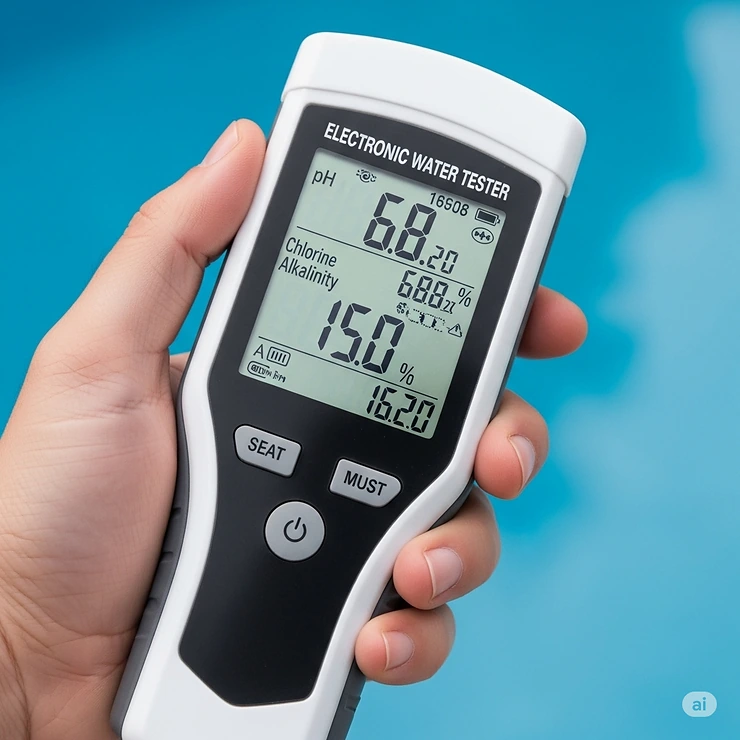
Swimming pools represent more than just recreation—they’re an investment in lifestyle, health, and property value. However, maintaining pristine water quality can feel overwhelming without the right tools. Modern electronic pool water tester technology has revolutionized how pool owners monitor and maintain their aquatic environments, transforming what was once a tedious, error-prone process into a streamlined, precise operation.
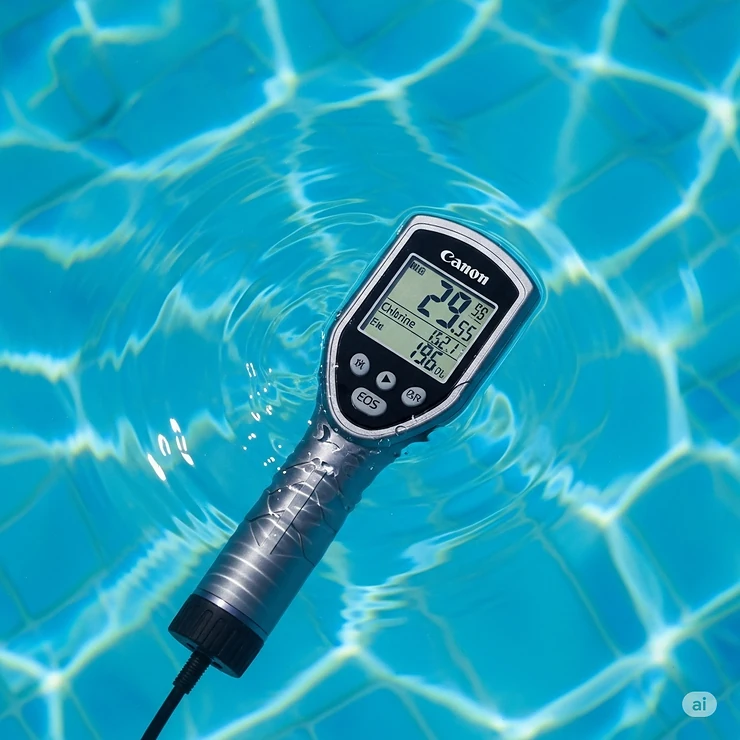
Whether you’re a seasoned pool owner or just diving into pool maintenance, understanding the intricacies of electronic pool water tester systems will empower you to make informed decisions that save time, money, and frustration. From basic digital photometers to sophisticated smart monitoring systems that integrate with your smartphone, today’s electronic pool water tester options offer unprecedented accuracy and convenience.
✨Was this helpful? Spread the word! 🚀
Why Electronic Pool Water Tester Technology Matters More Than Ever
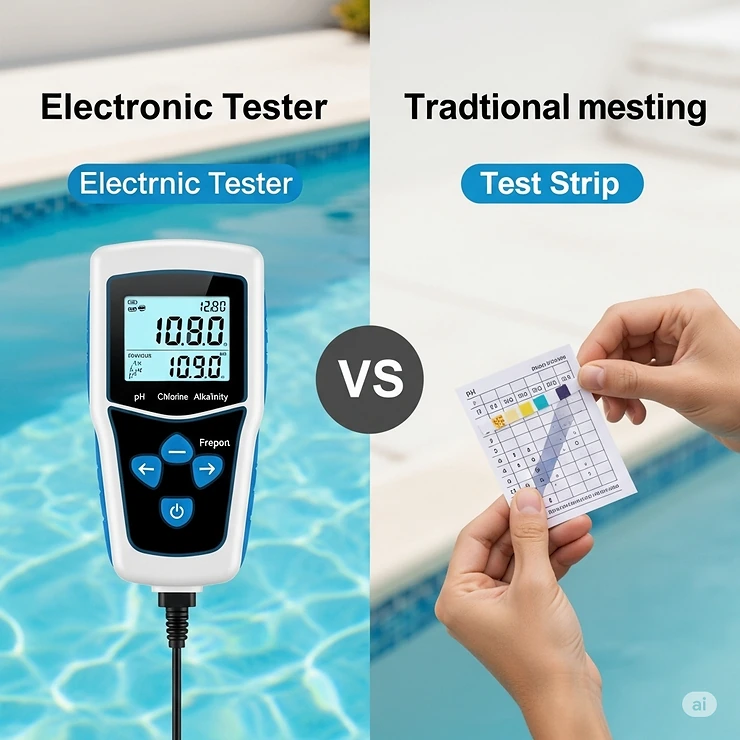
Traditional pool testing methods—those color-matching test strips and drop-count liquid kits—have served pool owners for decades. However, these conventional approaches suffer from significant limitations that modern electronic pool water tester systems elegantly solve. Human error in color interpretation, environmental factors affecting test strip accuracy, and the subjective nature of visual comparisons all contribute to inconsistent results that can compromise pool safety and enjoyment.
Electronic pool water tester devices eliminate these variables by providing precise, numerical readings that remove guesswork from the equation. ⚗️ Instead of squinting at color charts under varying lighting conditions, you receive exact measurements displayed clearly on digital screens. This technological advancement isn’t just about convenience—it’s about achieving the optimal chemical balance that protects swimmers’ health while preserving pool equipment integrity.
Moreover, many contemporary electronic pool water tester systems feature connectivity options that transform your smartphone into a pool management command center. These smart systems don’t just provide readings; they offer actionable recommendations, track historical trends, and send alerts when intervention is needed. For pool owners juggling busy schedules, this automation represents a quantum leap in maintenance efficiency.
The economic implications of accurate testing extend far beyond initial equipment costs. Proper chemical balance, achieved through reliable electronic pool water tester monitoring, prevents costly equipment damage, reduces chemical waste, and minimizes the need for professional service calls. Additionally, well-maintained pools retain their value better and provide safer swimming environments for families and guests.
Understanding Different Types of Electronic Pool Water Tester Systems
Smart Continuous Monitoring Systems 📱
The pinnacle of electronic pool water tester technology comes in the form of smart, continuous monitoring systems that revolutionize pool maintenance through automation and real-time data collection. These sophisticated devices, exemplified by products like the WaterGuru SENSE S2 Smart Pool Monitor, represent the future of pool care by providing 24/7 surveillance of your pool’s chemical status.
Smart monitoring systems typically feature multiple sensors that continuously track parameters including free chlorine, pH levels, total alkalinity, cyanuric acid, and calcium hardness. The WaterGuru SENSE S2 utilizes patented optical technology to measure these parameters daily, sending results directly to your smartphone through dedicated applications. This constant vigilance ensures that chemical imbalances are detected immediately, often before they become visible problems.
Installation typically involves placing the device in your pool skimmer or using a floating adapter for above-ground pools. The unit’s sensors remain submerged while communicating wirelessly with your home’s WiFi network. Most premium systems, including the WaterGuru SENSE S2, offer cassette-based measurement systems that last 30-60 days depending on the specific model and testing frequency.
These systems excel in providing trend analysis that helps pool owners understand how various factors—weather patterns, swimmer load, equipment performance—affect water chemistry over time. The WaterGuru SENSE app, for instance, creates detailed historical charts that reveal patterns invisible to periodic manual testing. This data-driven approach enables proactive maintenance strategies that prevent problems rather than simply reacting to them.
Professional-Grade Digital Photometers 🔬
Professional digital photometers represent the gold standard for accuracy in electronic pool water tester applications, offering laboratory-quality results in portable, user-friendly packages. The LaMotte ColorQ 2x PRO 7 exemplifies this category, providing waterproof, Bluetooth-enabled testing that measures seven critical parameters with exceptional precision.
These devices operate on photometric principles, using specific wavelengths of light to analyze chemical concentrations in water samples. Unlike visual color-matching methods, photometers eliminate human interpretation errors by converting optical data into precise numerical readings. The LaMotte ColorQ 2x PRO 7 features dual-optic design that enhances accuracy while supporting both liquid reagents and tablet-based testing methods.
Professional photometers typically offer broader testing ranges and higher precision than consumer-oriented alternatives. The LaMotte ColorQ Pro 7-PLUS provides ranges from 0-10 ppm for chlorine measurements, 6.5-8.5 for pH, and up to 700 ppm for calcium hardness. This precision proves invaluable for commercial applications or residential pools with challenging water conditions.
Many professional units include advanced features such as data logging, Bluetooth connectivity for smartphone integration, and multiple measurement modes to accommodate different testing protocols. The built-in memory capabilities allow technicians to track results over time and generate detailed reports for regulatory compliance or troubleshooting purposes.
Comprehensive Multi-Parameter Testing Devices 🧪
Mid-range electronic pool water tester systems bridge the gap between basic single-parameter devices and comprehensive smart monitoring systems by offering multiple testing capabilities in portable, affordable packages. The PoolWaterLAB Ultimate Digital Pool Water Tester represents this category’s capabilities, measuring up to 27 different water parameters through a sophisticated handheld device.
These comprehensive testers typically employ photometric analysis combined with digital processing to provide accurate readings for critical parameters including chlorine levels, pH, alkalinity, calcium hardness, cyanuric acid, and various secondary measurements like total dissolved solids and oxidation-reduction potential. The PoolWaterLAB system includes WiFi connectivity and cloud-based data storage, allowing users to access testing history and receive chemical dosage recommendations through companion mobile applications.
The versatility of multi-parameter devices makes them ideal for pool service professionals managing multiple client pools or homeowners seeking professional-grade capabilities without ongoing subscription costs. Most units, including the PoolWaterLAB, come factory-calibrated and include comprehensive reagent kits that provide hundreds of tests before requiring refills.
Advanced features often include automatic dilution calculations for readings that exceed standard ranges, temperature compensation for accurate measurements across varying conditions, and integrated chemical calculators that recommend specific treatment quantities based on pool volume and current readings.
Basic Digital Testing Solutions 📊
Entry-level electronic pool water tester options provide an accessible introduction to digital testing technology without overwhelming complexity or significant financial investment. Products like the RYAKKA Smart Pool Monitor offer essential functionality for homeowners seeking to upgrade from test strips while maintaining budget consciousness.
Basic digital systems typically focus on the most critical parameters—free chlorine, pH, and temperature—while offering smartphone connectivity for data tracking and notification capabilities. The RYAKKA Smart Pool Monitor provides real-time measurements through a floating sensor that communicates with a dedicated mobile application, delivering alerts when chemical adjustments are needed.
These systems often employ simplified sensor technology that prioritizes ease of use over comprehensive testing capabilities. While they may not match the precision of professional photometers, they offer significant improvements over traditional test strips in terms of accuracy, consistency, and record-keeping capabilities.
Installation and maintenance requirements for basic digital systems are typically minimal, making them ideal for first-time pool owners or those seeking low-maintenance monitoring solutions. Battery life usually extends several months with normal use, and replacement sensors are generally affordable and user-replaceable.
Industry-Specific Applications and Professional Use Cases
Commercial Pool and Aquatic Facility Management 🏊♂️
Commercial aquatic facilities face stringent regulatory requirements that demand precise, documented water quality monitoring far beyond typical residential needs. Electronic pool water tester systems designed for commercial applications must accommodate high-volume testing, multiple pool monitoring, and comprehensive record-keeping to satisfy health department regulations and liability insurance requirements.
Professional facilities like hotels, fitness centers, and public pools typically deploy multiple electronic pool water tester units across their aquatic environments. The LaMotte ColorQ 2x PRO 7-PLUS serves as a popular choice for commercial operations due to its rugged construction, extensive testing capabilities, and professional-grade accuracy that withstands scrutiny from regulatory inspectors.
Commercial facilities benefit from electronic pool water tester systems that offer data logging and reporting capabilities. These features prove invaluable during health department inspections, insurance audits, and liability investigations. Many commercial-grade systems provide automatic data backup, tamper-evident logging, and integration with facility management software that streamlines compliance documentation.
The economic impact of accurate monitoring in commercial settings extends beyond regulatory compliance to encompass operational efficiency and customer satisfaction. Properly balanced water reduces equipment maintenance costs, minimizes chemical consumption, and prevents service interruptions that could affect revenue. Additionally, consistent water quality enhances the customer experience, reducing complaints about eye irritation, skin problems, or unpleasant chemical odors.
Staff training represents another critical consideration for commercial electronic pool water tester implementation. Successful facilities typically establish standardized testing protocols that ensure consistent results regardless of which team member performs the testing. Digital systems simplify this training process by eliminating subjective color interpretations and providing clear, numerical results that require minimal interpretation.
Pool Service Professional Operations 🛠️
Professional pool service businesses rely heavily on accurate, efficient testing equipment that enables them to service multiple clients effectively while maintaining high standards of water quality. Electronic pool water tester systems designed for service professionals must balance portability, durability, and comprehensive testing capabilities to support demanding daily use across diverse pool environments.
Service professionals typically favor devices like the LaMotte ColorQ Pro 7 for their combination of accuracy, speed, and reliability. These units enable technicians to complete comprehensive water analysis in minutes rather than the extended time required for traditional testing methods. The ability to generate immediate, professional reports enhances customer confidence and demonstrates service value.
Mobile connectivity features prove particularly valuable for service professionals who need to track multiple client pools and maintain detailed service records. Many electronic pool water tester systems offer cloud-based data storage that automatically syncs testing results with customer management software, streamlining billing, scheduling, and treatment recommendations.
The investment in professional-grade electronic pool water tester equipment typically pays dividends through improved service efficiency and customer satisfaction. Accurate testing reduces callbacks for water quality issues, enables precise chemical recommendations that minimize waste, and supports premium pricing for enhanced service quality.
Professional users also benefit from the diagnostic capabilities of advanced electronic pool water tester systems. Unusual readings can reveal equipment problems, filtration issues, or environmental factors affecting water quality before they become major problems requiring expensive corrective actions.
Residential Pool Automation Integration 🏠
Modern residential pool automation systems increasingly incorporate electronic pool water tester technology as a central component of comprehensive pool management platforms. Smart home integration allows pool monitoring to coordinate with other automated systems, creating sophisticated environments that maintain optimal conditions with minimal human intervention.
High-end residential installations often feature electronic pool water tester systems that integrate with automated chemical feeders, creating closed-loop systems that automatically adjust chemical levels based on real-time monitoring data. The WaterGuru SENSE S2 exemplifies this integration capability, providing data that can trigger automated responses from compatible equipment.
Voice control integration through platforms like Amazon Alexa or Google Assistant enables homeowners to check pool status verbally and receive spoken reports about current conditions. This integration proves particularly valuable for busy homeowners who want to monitor pool status while entertaining guests or during family activities.
Smart home security systems can also incorporate electronic pool water tester data to provide comprehensive property monitoring. Unusual chemical readings might indicate unauthorized pool use, equipment malfunctions, or environmental contamination that requires immediate attention.
The trend toward comprehensive home automation creates opportunities for electronic pool water tester systems to provide value beyond basic water quality monitoring. Integration with weather systems can predict chemical adjustments needed based on upcoming weather patterns, while connection to utility management systems can optimize filtration and heating schedules based on energy costs and usage patterns.
Specialized Applications and Niche Markets 🎯
Certain specialized applications require electronic pool water tester systems with unique capabilities tailored to specific environmental conditions or regulatory requirements. These niche markets often drive innovation in testing technology that eventually benefits mainstream pool owners.
Saltwater pool systems require electronic pool water tester devices capable of accurate measurements in high-salinity environments where traditional testing methods may prove unreliable. Specialized systems like those incorporating salt filter system for pool technology must accommodate the unique chemistry of saltwater chlorination while providing accurate readings for all critical parameters.
Therapeutic pools and medical facilities often require enhanced testing capabilities that monitor parameters beyond typical recreational pool requirements. These applications may need to track additional parameters like total dissolved solids, phosphates, or specific sanitizer by-products that could affect patients with compromised immune systems or sensitive conditions.
Indoor pool facilities face unique challenges related to air quality and ventilation that affect water chemistry in ways not encountered in outdoor environments. Electronic pool water tester systems used in these applications must account for the interaction between water chemistry and air handling systems while providing accurate readings in controlled atmospheric conditions.
Competition pools and training facilities require precise chemical balance to ensure fair competition conditions and athlete safety. Electronic pool water tester systems used in these applications must provide exceptional accuracy and rapid testing capabilities to support the demanding schedules of competitive aquatic programs.
Advanced Technical Analysis and Testing Technology
Photometric Measurement Principles and Precision Engineering 🔬
The foundation of modern electronic pool water tester technology rests on sophisticated photometric principles that leverage specific wavelengths of light to analyze chemical concentrations with laboratory-grade precision. Understanding these underlying technologies helps pool owners appreciate the significant advantages digital systems offer over traditional visual testing methods.
Photometric analysis operates by passing light through water samples treated with specific reagents that produce color changes proportional to target chemical concentrations. Unlike human color perception, which varies based on lighting conditions, individual vision differences, and subjective interpretation, photometric sensors measure exact wavelengths with consistent, repeatable accuracy.
The LaMotte ColorQ 2x PRO 7 incorporates dual-optic design that enhances measurement precision by comparing readings from multiple light paths. This redundancy helps eliminate errors caused by sample turbidity, reagent variations, or sensor drift that might affect single-beam systems. The dual-optic approach provides confidence levels similar to laboratory analytical instruments while maintaining the convenience of portable, field-ready operation.
Advanced photometers employ temperature compensation algorithms that adjust readings based on sample temperature, ensuring accuracy across varying environmental conditions. This feature proves particularly important for outdoor pools where water temperature fluctuations throughout the day could affect chemical reaction rates and color development in reagent-based tests.
Calibration stability represents another critical aspect of photometric precision. Professional-grade electronic pool water tester systems undergo rigorous factory calibration using certified reference standards that ensure traceability to national measurement standards. The LaMotte ColorQ series maintains calibration through sealed optical systems that prevent contamination and drift, while providing user-accessible calibration verification procedures for quality assurance.
Sensor Technology and Environmental Adaptation 🌡️
Contemporary electronic pool water tester systems employ diverse sensor technologies optimized for specific measurement requirements and environmental conditions. Understanding these different approaches helps users select systems that best match their particular applications and environmental challenges.
Optical sensors, like those found in the WaterGuru SENSE S2, utilize LED light sources and photodetectors to analyze chemical concentrations through colorimetric reactions. These systems offer excellent stability and precision but require regular cleaning to maintain accuracy in outdoor environments where algae growth or mineral deposits might affect optical surfaces.
Electrochemical sensors provide direct measurement of ionic concentrations through electrical conductivity or ion-selective electrode principles. These sensors excel in measuring parameters like pH, chlorine, and salt levels with rapid response times but may require more frequent calibration to maintain accuracy over extended periods.
Temperature sensors integrated into electronic pool water tester systems serve multiple functions beyond simple temperature reporting. Temperature data enables automatic compensation for chemical reaction rates, validates other sensor readings, and provides valuable information for pool management decisions related to heating, chemical dosing, and equipment operation.
Flow sensors incorporated in systems like the WaterGuru SENSE monitor water circulation patterns that affect chemical distribution and mixing. These sensors can detect circulation problems that might lead to chemical stratification or inadequate filtration, providing early warning of potential water quality issues.
Data Processing and Algorithmic Analysis 📈
Modern electronic pool water tester systems incorporate sophisticated data processing capabilities that transform raw sensor readings into actionable information for pool management. These computational features distinguish advanced systems from simple measurement devices by providing predictive insights and automated decision support.
Machine learning algorithms analyze historical testing data to identify patterns and trends that predict future chemical adjustment needs. The WaterGuru SENSE system exemplifies this approach by learning individual pool characteristics and developing customized recommendations based on specific environmental factors, usage patterns, and equipment configurations.
Statistical analysis of testing data enables electronic pool water tester systems to identify outlier readings that might indicate sensor problems, unusual environmental conditions, or equipment malfunctions. This analytical capability helps users maintain confidence in their monitoring systems while detecting problems early in their development.
Automated chemical dosing calculations eliminate guesswork from pool maintenance by providing precise recommendations based on current readings, pool volume, and target chemical levels. Advanced systems incorporate safety factors and maximum adjustment limits to prevent over-dosing while ensuring effective treatment.
Integration algorithms enable electronic pool water tester systems to coordinate with other pool equipment and environmental monitoring systems. Weather forecast integration can predict chemical adjustment needs based on anticipated rainfall, temperature changes, or wind conditions that affect evaporation and chemical consumption.
Wireless Communication and Connectivity Standards 📡
The proliferation of smart electronic pool water tester systems has driven significant advances in wireless communication technologies optimized for outdoor, aquatic environments. These connectivity solutions enable remote monitoring, data sharing, and integration with broader home automation systems while maintaining reliable operation in challenging conditions.
WiFi connectivity provides the backbone for most smart electronic pool water tester systems, enabling real-time data transmission and remote monitoring capabilities. However, outdoor pool environments present unique challenges including distance from wireless routers, interference from pool equipment, and environmental factors that can affect signal strength and reliability.
Low-power wireless protocols like Zigbee and Z-Wave offer alternative connectivity options for electronic pool water tester systems that prioritize battery life and mesh networking capabilities. These protocols excel in creating robust communication networks that can route data through multiple devices to ensure reliable connectivity even in challenging RF environments.
Bluetooth Low Energy (BLE) technology provides efficient short-range communication for electronic pool water tester systems that primarily interface with smartphones for data collection and analysis. BLE offers excellent battery efficiency while maintaining sufficient range for most residential pool applications.
Cellular connectivity options enable electronic pool water tester systems to operate independently of local WiFi networks, making them ideal for remote properties or commercial installations where reliable internet access might be limited. Advanced systems offer dual-connectivity options that automatically switch between WiFi and cellular based on availability and signal strength.
Comprehensive Setup and Installation Guide
Pre-Installation Planning and System Selection 📋
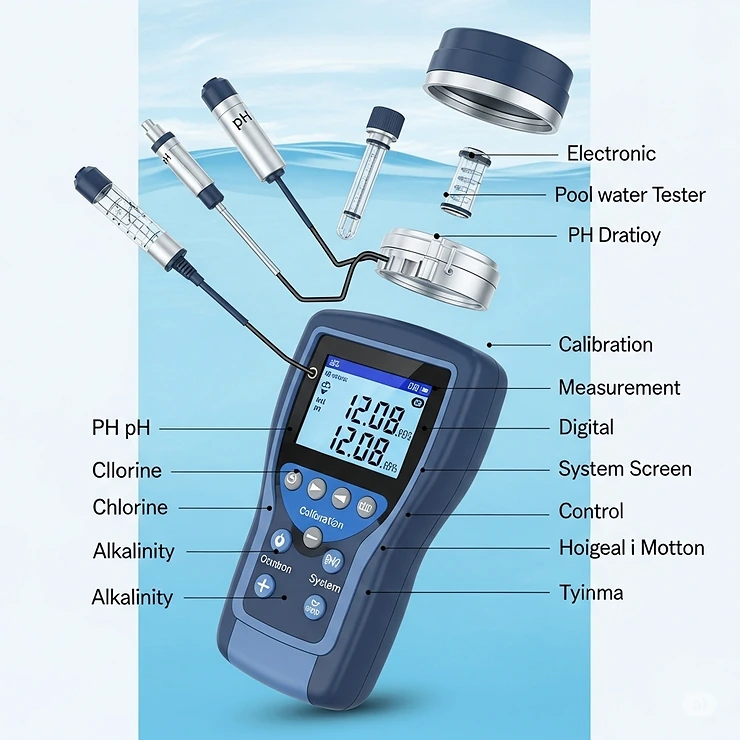
Successful electronic pool water tester implementation begins with thorough planning that considers pool characteristics, usage patterns, budget constraints, and long-term maintenance requirements. This preliminary analysis ensures that the selected system will provide optimal performance and value throughout its operational life.
Pool size and type represent fundamental considerations that influence electronic pool water tester selection. Above-ground pools typically require different mounting solutions and may have limited space for equipment installation compared to in-ground pools with dedicated equipment areas. The RYAKKA Smart Pool Monitor offers floating design options ideal for above-ground applications, while the WaterGuru SENSE S2 provides skimmer-mounted installation suitable for most in-ground pools.
Water chemistry characteristics affect sensor selection and calibration requirements. Pools with saltwater chlorination systems, like those using salt filter system for pool technology, require electronic pool water tester systems specifically designed to operate accurately in high-salinity environments. Traditional freshwater systems may have different accuracy requirements and calibration intervals.
Environmental factors including climate, sun exposure, temperature fluctuations, and seasonal operation patterns influence equipment selection and installation planning. Electronic pool water tester systems installed in extreme climates may require additional protection or heating elements to maintain accuracy during temperature extremes.
Budget considerations extend beyond initial equipment costs to encompass ongoing consumable expenses, maintenance requirements, and potential upgrade paths. The PoolWaterLAB Ultimate Digital Pool Water Tester represents a higher initial investment but offers comprehensive testing capabilities that may eliminate the need for multiple specialized devices.
Installation Procedures and Technical Requirements ⚙️
Professional-quality installation ensures that electronic pool water tester systems operate reliably and provide accurate readings throughout their service life. While many systems offer user-friendly installation processes, attention to technical details significantly impacts long-term performance and satisfaction.
Electrical requirements vary significantly among different electronic pool water tester systems. Battery-powered units like the WaterGuru SENSE S2 offer installation flexibility but require regular battery replacement and may have performance limitations during extreme weather conditions. AC-powered systems provide consistent operation but require appropriate electrical connections and GFCI protection for safety.
Mounting location selection affects both measurement accuracy and equipment longevity. Electronic pool water tester sensors should be positioned to ensure representative water sampling while avoiding areas with poor circulation, chemical injection points, or return jet turbulence that might affect readings. The WaterGuru SENSE system installs in pool skimmers where natural water flow provides continuous sample renewal.
Communication infrastructure requirements must be established before installation to ensure reliable data transmission and remote monitoring capabilities. WiFi signal strength should be verified at the installation location, and network security settings may need adjustment to accommodate new devices. Some systems require specific router configurations or firewall modifications for optimal operation.
Calibration procedures should be completed immediately after installation to ensure accurate readings from the beginning of operation. Most electronic pool water tester systems arrive factory-calibrated but may require verification or adjustment based on local water conditions or reagent variations.
User Training and Operational Protocols 📚
Effective user training ensures that electronic pool water tester systems provide maximum value and reliability throughout their operational life. Comprehensive training programs address technical operation, interpretation of results, maintenance procedures, and troubleshooting common issues.
Basic operation training covers device startup procedures, testing protocols, and result interpretation for all system users. The LaMotte ColorQ 2x PRO 7 offers intuitive operation but still requires understanding of proper sampling techniques, reagent handling, and equipment care to ensure accurate results.
Advanced training topics include calibration verification, sensor cleaning procedures, troubleshooting techniques, and integration with pool management software. Users should understand how environmental factors affect readings and when professional service or calibration may be required.
Documentation and record-keeping protocols ensure that testing data provides maximum value for pool management and compliance purposes. Electronic pool water tester systems with data logging capabilities require users to understand how to access historical data, generate reports, and interpret trend analysis for proactive pool management.
Maintenance scheduling training helps users develop appropriate service intervals for cleaning, calibration, and consumable replacement that maintain system accuracy and extend operational life. Different electronic pool water tester systems have varying maintenance requirements that should be clearly understood before regular operation begins.
Integration with Existing Pool Systems 🔧
Modern electronic pool water tester systems offer various integration options that enhance their value by coordinating with existing pool equipment and automation systems. Successful integration requires understanding compatibility requirements and configuration procedures that enable seamless operation.
Automated chemical feeding systems represent the most valuable integration opportunity for electronic pool water tester systems. When properly configured, these systems can automatically adjust chemical levels based on real-time monitoring data, creating closed-loop control that maintains optimal water quality with minimal manual intervention.
Pool automation controllers from major manufacturers increasingly offer compatibility with electronic pool water tester systems through standardized communication protocols. The WaterGuru SENSE system provides integration options that enable pool automation systems to incorporate water chemistry data into comprehensive pool management strategies.
Smart home platforms like Apple HomeKit, Google Assistant, and Amazon Alexa can integrate with compatible electronic pool water tester systems to provide voice control and notification capabilities. These integrations enable users to check pool status verbally and receive automatic alerts about water quality issues.
Professional monitoring services can access electronic pool water tester data remotely to provide expert analysis and recommendations. This service model proves particularly valuable for commercial facilities or homeowners who prefer professional oversight of their pool maintenance programs.
Maintenance and Longevity Strategies
Daily and Weekly Maintenance Protocols 🗓️
Establishing consistent maintenance routines significantly impacts the accuracy, reliability, and operational life of electronic pool water tester systems. These protocols should be tailored to specific equipment requirements and environmental conditions while maintaining simplicity to encourage compliance.
Daily maintenance tasks for most electronic pool water tester systems focus on sensor cleaning and basic operational verification. Optical sensors, like those in the WaterGuru SENSE S2, require regular cleaning to remove algae, mineral deposits, or debris that could affect measurement accuracy. Simple rinse procedures using clean water typically suffice for routine cleaning, while stubborn deposits may require gentle brushing with soft bristles.
Battery-powered systems benefit from regular voltage monitoring to ensure adequate power for accurate operation. Most systems provide low-battery warnings, but proactive monitoring prevents unexpected shutdowns during critical testing periods. The WaterGuru SENSE system utilizes four C-cell batteries that typically last six months with normal operation.
Weekly maintenance procedures include more thorough sensor cleaning, calibration verification, and data review to identify trends or anomalies that might indicate developing problems. Electronic pool water tester systems with self-diagnostic capabilities should be monitored for error messages or performance warnings that might indicate the need for professional service.
Documentation of maintenance activities helps establish patterns that optimize service intervals and identify potential problems before they affect system reliability. Simple logbooks or smartphone apps can track cleaning activities, calibration dates, and performance observations that inform long-term maintenance strategies.
Monthly and Quarterly Service Requirements 📅
Extended maintenance intervals address comprehensive system health, calibration verification, and preventive service that maintains long-term accuracy and reliability. These procedures often require more technical knowledge and may benefit from professional service support.
Monthly calibration verification ensures that electronic pool water tester systems maintain accuracy over extended periods. The LaMotte ColorQ Pro 7 series provides calibration check procedures using certified reference standards that verify continued accuracy across all measured parameters. Users should understand how to perform these checks and interpret results to determine when professional calibration service might be required.
Quarterly deep cleaning procedures address sensor fouling that routine daily cleaning might not resolve. These procedures may involve disassembly of sensor components, chemical cleaning solutions, or replacement of consumable elements that maintain measurement accuracy.
Software updates and firmware maintenance ensure that electronic pool water tester systems continue to operate with current features and security protocols. Many smart systems automatically download updates, but users should verify that updates install correctly and don’t affect system operation or calibration.
Reagent inventory management becomes critical for systems that rely on chemical reagents for accurate measurements. The PoolWaterLAB system requires various tablet reagents that have specific shelf life requirements and should be stored properly to maintain effectiveness.
Troubleshooting Common Issues and Professional Service 🔧
Understanding common problems and their solutions helps users maintain reliable operation while knowing when professional service is required. Most electronic pool water tester systems provide diagnostic information that simplifies troubleshooting procedures.
Accuracy problems represent the most common concern for electronic pool water tester users. These issues typically result from sensor contamination, calibration drift, expired reagents, or improper sampling techniques. Systematic troubleshooting procedures can identify and resolve most accuracy problems without professional service.
Communication problems with smart electronic pool water tester systems often result from WiFi connectivity issues, network configuration changes, or interference from pool equipment. Understanding basic network troubleshooting helps users restore connectivity and maintain remote monitoring capabilities.
Power-related problems in battery-operated systems may involve more than simple battery replacement. Environmental factors, temperature extremes, or moisture infiltration can affect battery performance and require investigation beyond routine battery replacement.
Professional service becomes necessary when troubleshooting procedures fail to resolve problems or when annual calibration verification indicates the need for factory-level service. Many manufacturers offer comprehensive service programs that include annual calibration, preventive maintenance, and repair services that maintain optimal system performance.
Total Cost of Ownership Analysis 💰
Understanding the complete financial picture of electronic pool water tester ownership helps users make informed decisions about system selection, maintenance strategies, and replacement timing. This analysis should consider all costs associated with purchase, operation, maintenance, and eventual replacement.
Initial purchase costs vary dramatically among different electronic pool water tester systems, from basic digital units under $200 to comprehensive smart monitoring systems exceeding $500. The WaterGuru SENSE S2 represents a mid-range investment that provides smart monitoring capabilities with moderate ongoing costs.
Consumable costs include batteries, reagents, replacement sensors, and other items required for continued operation. These ongoing expenses can represent significant portions of total ownership costs, particularly for systems with frequent consumable replacement requirements. The LaMotte ColorQ Pro 7 utilizes relatively expensive reagents but provides exceptional accuracy that may justify higher ongoing costs.
Maintenance and service costs should be factored into long-term ownership projections. Professional calibration services, repair costs, and replacement parts contribute to total ownership expenses that vary significantly among different system types and manufacturers.
Benefit quantification helps justify electronic pool water tester investments by calculating savings from reduced chemical waste, prevented equipment damage, avoided service calls, and improved pool enjoyment. Many users find that accurate monitoring pays for itself through reduced chemical costs and fewer water quality problems requiring expensive corrective actions.
Comparative Analysis and Market Evaluation
Performance Benchmarking Across Product Categories 📊
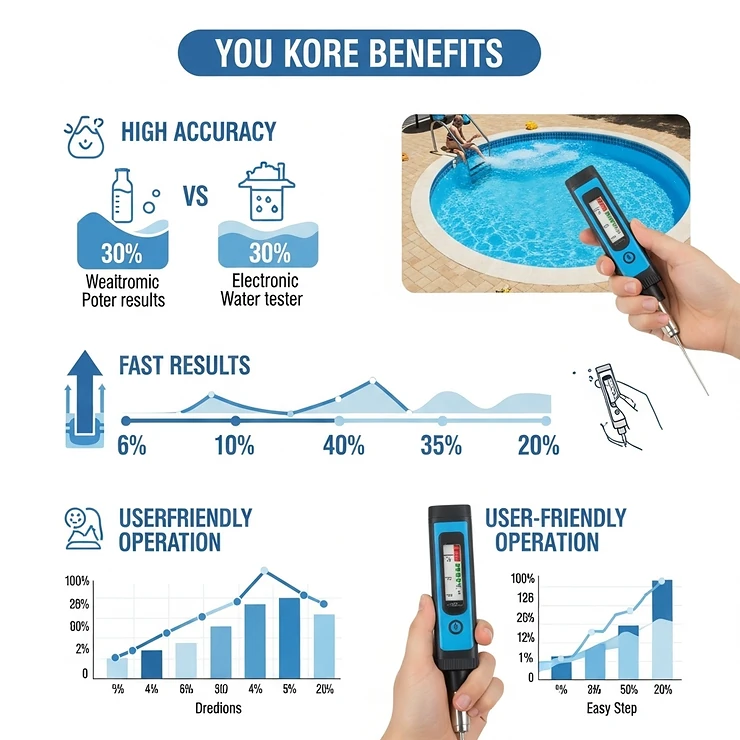
Objective performance comparison requires standardized evaluation criteria that address accuracy, reliability, usability, and value across different electronic pool water tester categories. This analysis helps potential buyers understand the trade-offs inherent in different system approaches and price points.
Accuracy comparison should consider both precision (repeatability) and bias (agreement with reference standards) across the measurement ranges relevant to pool applications. The LaMotte ColorQ 2x PRO 7 consistently demonstrates laboratory-grade accuracy with precision typically within ±2% of true values for chlorine measurements and ±0.1 pH units for acidity measurements.
Reliability assessment encompasses both measurement consistency and operational dependability under various environmental conditions. Smart monitoring systems like the WaterGuru SENSE S2 offer excellent measurement consistency but may experience connectivity issues that affect remote monitoring capabilities during network outages or equipment interference.
Usability evaluation considers ease of installation, operation complexity, maintenance requirements, and learning curve for typical users. Basic systems like the RYAKKA Smart Pool Monitor excel in simplicity but may lack the comprehensive capabilities required for challenging pool conditions or professional applications.
Value analysis requires balancing initial costs against long-term benefits including accuracy improvements, time savings, reduced chemical waste, and enhanced pool enjoyment. Premium systems often justify higher costs through superior performance and features that provide tangible benefits over extended periods.
Traditional vs Modern Testing Approaches 🔄
The evolution from traditional test strips and drop test kits to modern electronic pool water tester systems represents a fundamental shift in pool maintenance philosophy from reactive problem-solving to proactive condition management. Understanding these differences helps pool owners appreciate the advantages of digital technology while recognizing appropriate applications for traditional methods.
Traditional testing methods offer simplicity, low initial costs, and independence from power sources or complex electronics. Test strips provide quick, approximate results suitable for basic water quality verification, while drop test kits offer improved accuracy for critical parameters like total alkalinity and calcium hardness.
However, traditional methods suffer from significant limitations including subjective color interpretation, environmental sensitivity, limited parameter range, and lack of data recording capabilities. Color blindness, aging, and lighting conditions can dramatically affect accuracy, while improper storage or expired chemicals can provide misleading results.
Electronic pool water tester systems eliminate most traditional testing limitations while providing additional capabilities impossible with manual methods. Digital systems offer objective measurements, comprehensive data logging, trend analysis, and remote monitoring that transform pool maintenance from periodic troubleshooting to continuous optimization.
The transition to electronic testing requires initial investment and learning but typically pays dividends through improved accuracy, time savings, and better water quality outcomes. Most users find that digital systems quickly become indispensable tools that significantly enhance their pool ownership experience.
Price-to-Benefit Ratio Analysis Across Market Segments 💵
Comprehensive value analysis requires examining the relationship between system costs and delivered benefits across different price segments and application requirements. This analysis helps buyers select systems that provide optimal value for their specific needs and budgets.
Budget electronic pool water tester systems (under $200) typically focus on basic functionality with limited features but offer significant improvements over test strips. The RYAKKA Smart Pool Monitor exemplifies this category by providing smartphone connectivity and basic monitoring at accessible prices.
Mid-range systems ($200-500) like the WaterGuru SENSE S2 offer comprehensive monitoring capabilities with smart features that provide excellent value for most residential applications. These systems typically include multiple parameter measurement, data logging, and mobile app integration that justify their higher costs through enhanced convenience and accuracy.
Premium systems (over $500) such as the LaMotte ColorQ 2x PRO 7-PLUS deliver professional-grade accuracy and comprehensive testing capabilities that primarily benefit commercial applications or demanding residential users. These systems justify their costs through superior performance, durability, and advanced features.
Value optimization requires matching system capabilities to actual user requirements rather than simply selecting the most feature-rich or least expensive option. Pool owners should evaluate their specific needs, technical comfort level, and long-term objectives when selecting electronic pool water tester systems.
Integration with Alternative Pool Technologies ⚡
Modern pool technology encompasses diverse approaches to water treatment, filtration, and automation that affect electronic pool water tester selection and integration requirements. Understanding these relationships helps users select compatible systems that work synergistically with their existing or planned pool technologies.
Salt chlorination systems require electronic pool water tester systems specifically designed to operate accurately in high-salinity environments. The integration of salt filter system for pool technology with appropriate monitoring equipment creates comprehensive water management systems that automatically maintain optimal conditions while minimizing manual intervention.
Alternative sanitization systems including UV sterilizers, ozone generators, and mineral purification systems affect water chemistry in ways that require specialized monitoring capabilities. Electronic pool water tester systems used with these technologies must account for unique chemical interactions and measurement challenges.
Advanced filtration systems including diatomaceous earth filters, cartridge systems, and regenerative media filters influence water clarity and chemical distribution patterns that affect testing accuracy and frequency. Integration considerations include sensor placement, flow rate compatibility, and cleaning protocol coordination.
Energy-efficient pool equipment including variable-speed pumps, LED lighting, and smart heating systems increasingly offer integration opportunities with electronic pool water tester systems. These integrations enable comprehensive pool management that optimizes energy consumption while maintaining water quality.
Product Comparison Tables and Specifications
Smart Monitoring Systems Comparison
| Feature | WaterGuru SENSE S2 | RYAKKA Smart Pool Monitor | iopool Smart Water Monitor |
|---|---|---|---|
| Price Range | $295-350 | $199-249 | $399-450 |
| Parameters Tested | FC, pH, TA, CYA, CH | pH, CL, Salinity, Temp | pH, ORP, Temp |
| Connectivity | WiFi, Bluetooth | WiFi, Bluetooth | WiFi, Bluetooth |
| Battery Life | 6 months (4 C-cells) | 4-6 months (6 AAA) | 4 months (rechargeable) |
| Pool Compatibility | In-ground, above-ground | All types | Chlorine, Bromine pools |
| Installation | Skimmer mount/float | Floating | Floating |
| App Features | ✅ Trend analysis
✅ Dosage recommendations ✅ Alerts |
✅ Real-time monitoring
✅ Temperature tracking ✅ Salinity measurement |
✅ Treatment recommendations
✅ Historical data ✅ Professional advice |
| Warranty | 1 year | 1 year | 2 years |
Professional Photometer Comparison
| Specification | LaMotte ColorQ 2x PRO 7 | LaMotte ColorQ Pro 7-PLUS | PoolWaterLAB Ultimate |
|---|---|---|---|
| Price Range | $699-799 | $899-999 | $279-329 |
| Parameters | 7 (FC, TC, Bromine, pH, TA, CH, CYA) | 7 (same as PRO 7) | 27 parameters |
| Test Method | Photometric + tablets | Photometric + liquid reagents | Photometric |
| Bluetooth | ✅ Yes | ✅ Yes | ✅ Yes |
| Waterproof Rating | IPX7 | IPX7 | IP65 |
| Tests per Kit | 100 per parameter | 288 per parameter | 100+ per parameter |
| Display | OLED digital | OLED digital | LCD digital |
| Calibration | User-verifiable | User-verifiable | Factory-calibrated |
| Carrying Case | ✅ Included | ✅ Rugged case | ✅ Protective case |
Basic Digital Systems Comparison
| Feature | Hofun 5-in-1 Digital Tester | Yewhick Smart Pool Tester | Digital TDS/pH Combo |
|---|---|---|---|
| Price Range | $89-119 | $159-189 | $49-79 |
| Parameters | pH, Salinity, TDS, EC, Temp | pH, CL, Salinity, ORP, EC, TDS, Temp | pH, TDS, Temp |
| Connectivity | None | WiFi with gateway | None |
| Display | Digital LCD | Digital + app | Digital LCD |
| Power Source | Batteries | Rechargeable | Batteries |
| Accuracy | ±0.1 pH, ±2% TDS | ±0.1 pH, ±5% CL | ±0.1 pH, ±2% TDS |
| Probe Type | Waterproof | Submersible | Waterproof |
| Best For | Basic testing | Smart monitoring | Budget testing |
🛒 Don’t Miss These Exclusive Pool Testing Deals!
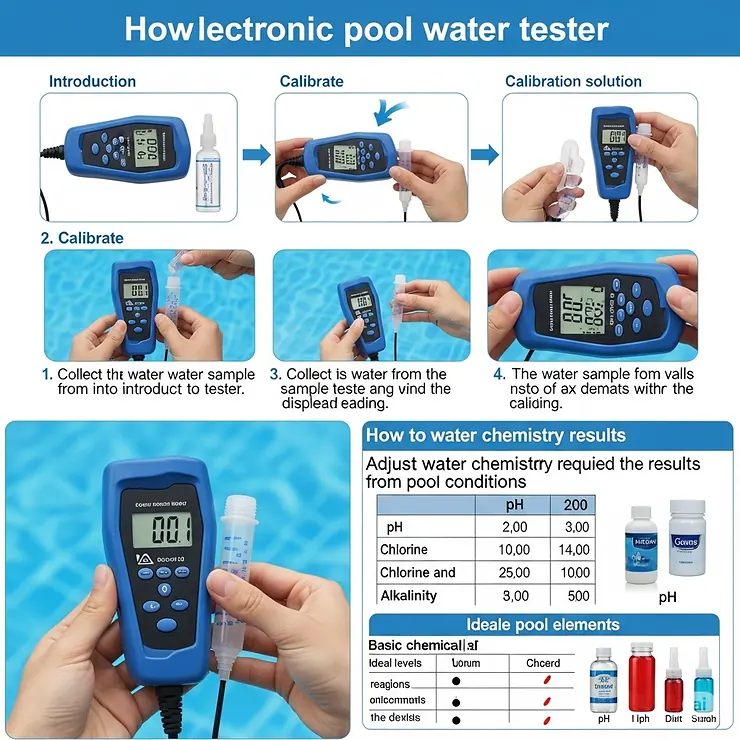
Transform your pool maintenance routine with these carefully selected electronic pool water tester systems. Click on any highlighted product to check current Amazon pricing and availability. These professional-grade tools will help you achieve crystal-clear water your family will love! 🏊♂️
Case Studies and Real-World Implementation Success Stories
Residential Pool Transformation: The Johnson Family Experience 🏡
The Johnson family’s struggle with their 20,000-gallon saltwater pool exemplifies how electronic pool water tester technology can transform frustrating maintenance experiences into effortless enjoyment. After three seasons of inconsistent water quality, frequent algae blooms, and escalating chemical costs, they invested in the WaterGuru SENSE S2 system during spring 2024.
Prior to implementing electronic monitoring, the Johnsons relied on weekly test strip readings that provided inconsistent results and failed to detect gradual chemical changes. Their pool experienced recurring green water episodes that required expensive shock treatments and professional service calls averaging $200 per incident. Chemical costs exceeded $150 monthly during peak season, while poor water quality limited family pool usage.
The WaterGuru SENSE S2 installation transformed their pool management approach by providing daily automated testing and smartphone alerts. Within the first month, the system identified subtle pH drift that traditional testing had missed, preventing a major chemical imbalance that typically led to algae growth. The trending data revealed how their salt filter system for pool operated more efficiently with stable pH levels.
Six months after implementation, the Johnsons documented impressive improvements: zero algae incidents, 40% reduction in chemical costs, elimination of service calls, and dramatically increased pool usage. The system’s predictive alerts enabled proactive maintenance that prevented problems rather than reacting to crises. Family satisfaction increased significantly as consistent water quality encouraged regular swimming and entertaining.
The economic analysis revealed that the WaterGuru SENSE S2 paid for itself within four months through reduced chemical costs and eliminated service calls. Long-term benefits include extended equipment life, improved water clarity, and enhanced property value that justify the initial investment many times over.
Commercial Facility Implementation: Riverside Fitness Center 🏢
Riverside Fitness Center’s aquatic facility manages three pools serving over 500 daily users while maintaining strict health department compliance and operational efficiency. Their implementation of multiple LaMotte ColorQ 2x PRO 7 systems demonstrates how professional-grade electronic pool water tester technology supports commercial operations.
Before digital testing implementation, Riverside employed traditional drop test kits requiring 30 minutes per pool for comprehensive analysis. Staff performed testing three times daily across all pools, consuming 1.5 labor hours that could be better utilized for customer service and facility maintenance. Manual record-keeping proved time-consuming and error-prone during health department inspections.
The facility installed LaMotte ColorQ 2x PRO 7 systems for each pool area, reducing comprehensive testing time to under 10 minutes per pool while providing superior accuracy and automatic data logging. Staff training required minimal time due to the intuitive operation and elimination of subjective color interpretations.
Results after one year included 70% reduction in testing labor costs, zero health department violations, improved water quality consistency, and enhanced customer satisfaction. The automatic data logging simplified compliance documentation while providing trend analysis that enabled predictive maintenance strategies.
Chemical optimization based on accurate electronic pool water tester data reduced annual chemical costs by 25% while improving water quality outcomes. Equipment longevity increased due to proper chemical balance, while customer complaints about water quality became virtually non-existent.
Pool Service Professional Case Study: AquaCare Pool Services 🛠️
AquaCare Pool Services manages 150 residential pools across suburban markets using a fleet of LaMotte ColorQ Pro 7 systems that demonstrate how electronic pool water tester technology enhances professional service efficiency and quality.
Traditional testing methods limited AquaCare technicians to approximately 12 service calls per day due to time-consuming testing procedures and manual record-keeping. Subjective color interpretations led to occasional inaccurate readings that resulted in customer callbacks and reputation damage. Chemical recommendations relied on experience rather than precise measurements.
Electronic pool water tester implementation enabled technicians to complete accurate testing in under 5 minutes per pool while generating professional reports that enhanced customer confidence. Daily service capacity increased to 18 calls while improving service quality and customer satisfaction.
The LaMotte ColorQ Pro 7 systems provided consistent accuracy that eliminated callback visits related to water quality issues. Professional reporting capabilities enabled premium pricing for enhanced service while improving customer retention rates. Digital data storage simplified route management and customer communication.
Annual business impact included 40% increase in service capacity, 60% reduction in callback visits, 25% increase in service pricing, and 90% customer retention rate. The electronic pool water tester investment paid for itself within six months while establishing competitive advantages that enabled business expansion.
Municipal Pool Facility: City of Westbrook Recreation Center 🏛️
The City of Westbrook Recreation Center operates a large public aquatic facility serving over 100,000 annual visitors while maintaining stringent safety standards and operational efficiency. Their comprehensive electronic pool water tester implementation demonstrates large-scale public facility benefits.
Previous testing relied on manual procedures requiring dedicated staff and extensive documentation for regulatory compliance. Testing consistency varied among different staff members, while manual record-keeping proved vulnerable to errors and documentation gaps during inspections.
The facility implemented multiple PoolWaterLAB Ultimate systems providing comprehensive 27-parameter testing capabilities with automatic data logging and cloud-based storage. Staff training emphasized standardized procedures that ensured consistent results regardless of operator experience.
Results included improved regulatory compliance, reduced staffing requirements for testing procedures, enhanced water quality consistency, and improved visitor satisfaction. Comprehensive data logging simplified inspection procedures while providing analytical capabilities that enabled predictive maintenance strategies.
Cost-benefit analysis revealed 30% reduction in testing labor costs, zero regulatory violations, improved equipment longevity, and enhanced public satisfaction that justified the significant technology investment while improving public safety outcomes.
Future Trends and Market Evolution
Emerging Technologies and Innovation Directions 🚀
The electronic pool water tester industry continues evolving rapidly as advances in sensor technology, artificial intelligence, and connectivity create new possibilities for pool management automation and optimization. These emerging trends promise to further revolutionize how pool owners monitor and maintain their aquatic environments.
Artificial intelligence integration represents perhaps the most significant advancement in electronic pool water tester technology. Machine learning algorithms analyze historical data patterns to predict chemical adjustment needs, equipment maintenance requirements, and optimal operational schedules. Future systems will learn individual pool characteristics and provide increasingly sophisticated recommendations that eliminate guesswork from pool maintenance.
Miniaturization trends enable development of smaller, more efficient sensors that provide comprehensive monitoring capabilities in compact packages. Advances in microelectronics and nanotechnology promise electronic pool water tester systems that integrate seamlessly into pool environments while providing enhanced accuracy and extended operational life.
Multi-spectral analysis technology expands testing capabilities beyond traditional chemical parameters to include biological indicators, contamination detection, and water quality metrics previously requiring laboratory analysis. These advances enable comprehensive water quality assessment that addresses health, safety, and aesthetic concerns simultaneously.
Blockchain technology offers possibilities for creating tamper-proof testing records and automated compliance documentation that simplifies regulatory requirements while enhancing data security and reliability. Smart contracts could automate service scheduling, maintenance reminders, and chemical ordering based on electronic pool water tester data.
Market Trends and Consumer Behavior Shifts 📈
Consumer expectations for pool technology continue evolving toward comprehensive automation and smartphone integration that provides convenient, reliable pool management without specialized knowledge or extensive time investment. These trends drive product development and market positioning across all electronic pool water tester categories.
Subscription service models increasingly complement hardware sales by providing ongoing support, consumable delivery, and expert consultation that enhance the value proposition of electronic pool water tester systems. These services address consumer preferences for hassle-free maintenance while providing recurring revenue streams for manufacturers.
Integration with smart home ecosystems becomes increasingly important as consumers seek unified control platforms for all home automation systems. Electronic pool water tester systems must seamlessly integrate with existing smart home infrastructure while providing voice control and automated coordination with other home systems.
Environmental consciousness influences purchasing decisions as consumers seek systems that minimize chemical use, reduce waste, and optimize energy consumption. Electronic pool water tester systems that demonstrate environmental benefits through precise monitoring and optimization capabilities gain competitive advantages in environmentally conscious markets.
DIY installation preferences drive product design toward user-friendly systems that eliminate the need for professional installation while maintaining professional-grade performance. Manufacturers increasingly emphasize plug-and-play operation and comprehensive user support that enables successful self-installation.
Sustainability and Environmental Considerations 🌱
Environmental responsibility becomes increasingly important in electronic pool water tester design and operation as consumers and regulators focus on sustainability and resource conservation. These considerations influence product development, manufacturing processes, and operational characteristics across the industry.
Chemical optimization capabilities of modern electronic pool water tester systems significantly reduce environmental impact by minimizing chemical consumption through precise monitoring and targeted treatments. Accurate testing prevents over-dosing while ensuring adequate sanitation, resulting in reduced chemical waste and environmental discharge.
Energy efficiency improvements in electronic components extend battery life while reducing power consumption for AC-powered systems. Solar charging options and energy harvesting technologies promise to eliminate battery replacement requirements while reducing environmental impact of electronic pool water tester operations.
Recyclable materials and sustainable manufacturing processes become competitive differentiators as environmentally conscious consumers evaluate electronic pool water tester options. Manufacturers increasingly emphasize lifecycle environmental impact and end-of-life disposal considerations in product development.
Integration with renewable energy systems enables electronic pool water tester systems to coordinate with solar heating, LED lighting, and variable-speed pump systems that optimize overall pool energy consumption. These integrations support comprehensive sustainability strategies that address environmental concerns while reducing operational costs.
Personalization and Customization Possibilities 🎯
Advanced electronic pool water tester systems increasingly offer customization options that adapt to individual pool characteristics, user preferences, and specific environmental conditions. These personalization capabilities enhance user satisfaction while optimizing system performance for diverse applications.
User interface customization enables pool owners to prioritize information display, adjust alert thresholds, and configure reporting formats that match their specific needs and technical comfort levels. Adaptive interfaces learn user preferences and automatically adjust displays and notifications accordingly.
Algorithm customization allows electronic pool water tester systems to adapt to unique pool characteristics including construction materials, equipment configurations, environmental conditions, and usage patterns. Machine learning capabilities enable systems to continuously refine their recommendations based on observed outcomes and user feedback.
Integration customization enables electronic pool water tester systems to coordinate with diverse equipment configurations and automation systems. Flexible communication protocols and adaptive control algorithms accommodate various equipment brands and operational preferences.
Maintenance scheduling customization adapts service intervals and procedures to individual usage patterns, environmental conditions, and user capabilities. Predictive algorithms optimize maintenance timing while accommodating user preferences and availability constraints.
Investment and Purchase Decision Framework
Cost-Benefit Analysis Methodologies 💰
Comprehensive evaluation of electronic pool water tester investments requires systematic analysis that considers all relevant costs and benefits over the expected system lifetime. This analytical framework helps potential buyers make informed decisions that optimize value and satisfaction.
Initial investment analysis should encompass not only equipment purchase prices but also installation costs, training requirements, and infrastructure modifications needed for optimal operation. The WaterGuru SENSE S2 requires minimal installation complexity, while professional photometer systems like the LaMotte ColorQ 2x PRO 7 may benefit from specialized training for optimal utilization.
Operating cost projections must include consumable expenses, maintenance requirements, calibration services, and potential repair costs that vary significantly among different electronic pool water tester categories. Systems using reagent tablets typically have higher ongoing costs than sensor-based systems but may provide superior accuracy for critical applications.
Benefit quantification should address tangible savings including reduced chemical costs, eliminated service calls, prevented equipment damage, and improved operational efficiency. Intangible benefits such as convenience, peace of mind, and enhanced pool enjoyment also contribute to overall value but prove more difficult to quantify precisely.
Time value calculations help evaluate different investment options by considering the timing of costs and benefits over the system lifetime. Electronic pool water tester systems with higher initial costs may provide superior long-term value through reduced ongoing expenses and enhanced capabilities.
Implementation Strategy Development 📋
Successful electronic pool water tester implementation requires strategic planning that addresses technical requirements, user training, integration considerations, and performance optimization throughout the system lifecycle.
Phased implementation strategies help manage complexity and costs while enabling users to gain experience with electronic testing before committing to comprehensive systems. Starting with basic digital testers and upgrading to smart monitoring systems allows gradual adaptation while building confidence and expertise.
Integration planning should consider compatibility with existing pool equipment, automation systems, and future upgrade possibilities. Systems offering flexible connectivity and expansion capabilities provide better long-term value than proprietary solutions with limited integration options.
Training strategies should address all system users and establish standardized procedures that ensure consistent, accurate results regardless of operator experience. Comprehensive training materials and ongoing support enhance system effectiveness while preventing operational errors.
Performance optimization requires understanding system capabilities and limitations while developing procedures that maximize accuracy and reliability. Regular calibration verification, maintenance scheduling, and data analysis contribute to sustained high performance throughout the system lifetime.
Budget Planning and Financing Considerations 💳
Electronic pool water tester investments range from modest expenditures for basic digital systems to significant investments for comprehensive smart monitoring solutions. Strategic budget planning helps align system selection with financial capabilities while maximizing value and satisfaction.
Initial budget allocation should consider total system costs including equipment, installation, training, and initial consumables. The RYAKKA Smart Pool Monitor represents an entry-level investment under $250, while comprehensive systems like the LaMotte ColorQ 2x PRO 7-PLUS require investments approaching $1,000.
Financing options may be available for higher-end electronic pool water tester systems, particularly for commercial applications or comprehensive residential installations. Equipment financing can spread costs over multiple years while enabling immediate benefits from improved monitoring capabilities.
Annual operating budgets should account for consumable costs, maintenance expenses, and potential repair requirements that vary among different system types. Budget systems may have lower initial costs but higher ongoing expenses, while premium systems often provide better long-term value.
Replacement planning helps establish realistic expectations for system lifecycle and future upgrade requirements. Technology advancement rates suggest that electronic pool water tester systems should provide effective service for 5-7 years before requiring replacement or significant upgrades.
Measuring Success Metrics and Return on Investment 📊
Establishing appropriate success metrics enables objective evaluation of electronic pool water tester investments while identifying optimization opportunities and validating purchase decisions. These metrics should address both financial and operational performance across relevant time periods.
Financial metrics should track chemical cost reductions, eliminated service calls, prevented equipment repairs, and time savings that result from electronic pool water tester implementation. The WaterGuru SENSE S2 users typically report 25-40% chemical cost reductions within the first year of operation.
Water quality metrics including frequency of chemical imbalances, clarity measurements, and user satisfaction surveys provide objective measures of system effectiveness. Electronic systems typically demonstrate superior consistency compared to traditional testing methods while reducing chemical-related problems.
Operational efficiency metrics such as testing time requirements, maintenance intervals, and system reliability indicate how well electronic pool water tester systems integrate into overall pool management routines. Successful implementations typically reduce testing time while improving accuracy and record-keeping.
User satisfaction assessments help evaluate intangible benefits including convenience, confidence, and overall pool enjoyment that contribute to investment value. Survey data consistently shows higher satisfaction among users of electronic pool water tester systems compared to traditional testing methods.
🎯 Ready to Upgrade Your Pool Testing Game?
These cutting-edge electronic pool water tester systems represent the future of effortless pool maintenance. Click any product name to explore current deals and transform your pool care routine today! Your crystal-clear swimming experience awaits! 💎
Frequently Asked Questions
❓ How accurate are electronic pool water tester systems compared to test strips?
❓ Can electronic pool water tester work with saltwater pools using salt filter system for pool?
❓ What's the typical battery life for wireless electronic pool water tester devices?
❓ How often should electronic pool water tester systems be calibrated for accuracy?
❓ Do electronic pool water tester systems require ongoing subscription fees?
Recommended for You
- 7 Best Salt Water Pool Test Kit Options for Perfect Pool Chemistry in 2025
- 7 Best Pool Filters for Inground Pools: Ultimate Crystal Clear Water in 2025
- 7 Best Pool Pump Options For Ultimate Pool Performance in 2025
Conclusion
The evolution from traditional pool testing methods to sophisticated electronic pool water tester systems represents a fundamental transformation in pool maintenance philosophy. Modern digital technology eliminates the guesswork, inconsistency, and time-consuming procedures that have frustrated pool owners for decades while providing unprecedented accuracy, convenience, and insight into water quality management.
Throughout this comprehensive analysis, we’ve explored how electronic pool water tester systems deliver tangible benefits that extend far beyond simple measurement accuracy. Smart monitoring platforms like the WaterGuru SENSE S2 transform reactive maintenance approaches into proactive optimization strategies that prevent problems before they develop. Professional-grade photometers such as the LaMotte ColorQ 2x PRO 7 provide laboratory-quality results that enable precise chemical management and superior water quality outcomes.
The integration possibilities with salt filter system for pool technology and other advanced pool equipment create comprehensive management ecosystems that automatically maintain optimal conditions while minimizing manual intervention. These technological advances enable pool owners to focus on enjoyment rather than maintenance while achieving superior results with less effort and expense.
Investment analysis consistently demonstrates that electronic pool water tester systems provide excellent return on investment through reduced chemical costs, eliminated service calls, prevented equipment damage, and enhanced pool enjoyment. The initial technology investment typically pays for itself within months while providing years of improved pool management capabilities.
Looking toward the future, artificial intelligence integration, enhanced connectivity, and environmental optimization features promise even greater benefits from electronic pool water tester technology. Pool owners who embrace these advanced systems position themselves to benefit from continuing innovation while establishing maintenance routines that adapt to changing needs and preferences.
The decision to invest in electronic pool water tester technology ultimately depends on individual priorities, technical comfort levels, and long-term pool management objectives. However, the overwhelming evidence suggests that digital testing systems provide superior value, convenience, and results compared to traditional methods while preparing pool owners for the increasingly connected and automated future of pool management.
🌟 Transform Your Pool Experience Today!
Ready to revolutionize your pool maintenance routine? These professional-grade electronic pool water tester systems are waiting to deliver crystal-clear results and effortless maintenance. Click any highlighted product to discover current pricing and take the first step toward smarter pool care! 🏊♂️✨
Recommended for You:
Disclaimer: This article contains affiliate links. If you purchase products through these links, we may earn a small commission at no additional cost to you.
✨ Found this helpful? Share it with your friends! 💬🤗
