
In This Article
You know that feeling when your favorite jeans fit just right? Or when you nail that deadlift PR you’ve been chasing for months? Yeah, that’s the glute magic I’m talking about. Building strong glutes isn’t just about aesthetics—though let’s be honest, a well-developed backside is definitely a confidence booster. It’s about power, stability, and keeping your body injury-free.
I’ve spent years testing different pieces of glute fitness equipment, from budget-friendly resistance bands to high-end plate-loaded machines, and I’m here to share what actually works. The glutes are your body’s largest muscle group, and they deserve attention. Whether you’re recovering from lower back pain, training for athletics, or simply want to feel stronger in your daily activities, the right equipment makes all the difference. According to the National Strength and Conditioning Association, properly developed glute muscles contribute significantly to overall athletic performance and injury prevention.
✨Was this helpful? Spread the word! 🚀
Let me walk you through everything you need to know about selecting and using glute fitness equipment. We’ll cover seven game-changing products that I’ve personally researched, complete with real pricing, specifications, and honest pros and cons. By the end of this guide, you’ll know exactly which pieces deserve a spot in your home gym.
Quick Comparison Table
| Equipment Type | Best For | Price Range | Space Required | Difficulty Level |
|---|---|---|---|---|
| Hip Thrust Machine | Maximum glute activation | $600-$1,200 | Large (70″ x 34″) | Beginner-Advanced |
| Resistance Bands | Warm-ups & activation | $10-$50 | Minimal | All Levels |
| Ankle Straps | Cable machine workouts | $15-$40 | None (attachment) | Intermediate |
| GHD Machine | Posterior chain development | $600-$1,500 | Large (65″ x 42″) | Advanced |
| Mini Loop Bands | Travel & activation | $10-$30 | Portable | Beginner-Intermediate |
| Hip Thrust Bench | Home workouts | $100-$300 | Medium (60″ x 30″) | Beginner-Advanced |
| Glute Bands Set | Full lower body | $15-$45 | Minimal | All Levels |
💬 Just one click – help others make better buying decisions too! 😊
Top 7 Glute Fitness Equipment: Expert Analysis
1. GMWD Hip Thrust Machine – The Commercial-Grade Champion
If you’re serious about building glutes, the GMWD Hip Thrust Machine (Model R230LB) is the gold standard for home gym owners. This plate-loaded beast supports up to 800 lbs and features a thoughtful design that eliminates the awkward setup of traditional barbell hip thrusts.
Key Specifications:
- Dimensions: 31″L x 71″W x 22″H
- Weight capacity: 800 lbs
- Adjustable footboard with 3 positions
- Commercial-grade pivot bearings
Price: $550-$700
This machine transformed my glute training completely. The 21.3-inch waist cushion provides exceptional comfort during heavy sets, and the safety limiter system means I can push to failure without fear. Customers consistently praise the smooth operation and sturdy construction made from 14-gauge steel.
✅ Pros:
- Eliminates barbell setup hassle
- Safety handles for control
- Accommodates standard and Olympic plates
❌ Cons:
- Large footprint requires dedicated space
- Assembly takes 1-2 hours
The GMWD machine is also versatile beyond hip thrusts—users report using it for Bulgarian split squats and calf raises thanks to the adjustable footplate angles.
2. BootySprout Hip Thrust Machine – Best for Progressive Resistance
The BootySprout Hip Thrust Machine brings innovation to resistance-band-based training. Unlike traditional hip thrust benches, this system uses heavy-duty resistance bands (45, 90, and 135 lbs configurations) for progressive overload without plates.
Key Specifications:
- Includes 3 resistance bands (45-135 lbs total)
- Supports up to 400 lbs body weight
- Compact, portable design
- Additional bands available separately
Price: $200-$280
What makes BootySprout special is its accessibility. You don’t need weight plates cluttering your space—the resistance bands provide challenging workouts while remaining travel-friendly. Customer feedback highlights how the resistance feels different from plates, creating constant tension throughout the movement. The brand stands behind quality, and the system isolates all three gluteal muscles effectively.
✅ Pros:
- No weight plates needed
- Portable and space-efficient
- Suitable for beginners to advanced
❌ Cons:
- Band replacement needed over time
- Different feel than traditional loading
3. Arena Strength Fabric Glute Bands – Premium Booty Band Set
Let’s talk about resistance bands that don’t roll, slip, or pinch. The Arena Strength Fabric Glute Bands feature premium fabric construction that stays put during lateral walks, glute bridges, and monster walks. This 3-pack includes light, medium, and hard resistance levels.
Key Specifications:
- Set of 3 fabric bands
- Non-slip design
- Includes workout guide and travel case
- 12-month warranty
Price: $18-$28
With over 50,000 satisfied customers, Arena Strength has refined their design based on extensive feedback. The bands fit perfectly above the knees without sizing issues, and the fabric construction prevents the skin-pinching that plagues elastic bands. A Crossfit coach-developed workout program comes included.
✅ Pros:
- Won’t roll or slip during use
- Travel-friendly with included case
- Comprehensive workout guide
❌ Cons:
- Limited to 3 resistance levels
- Not suitable for pull-up assistance
4. HPYGN Ankle Resistance Bands – Elite Cable Machine Companion
Transform your cable machine into a glute-building powerhouse with HPYGN Ankle Resistance Bands. These padded ankle cuffs feature reinforced stitching and stainless steel D-rings designed for heavy-duty kickbacks and leg extensions.
Key Specifications:
- 7mm neoprene padding
- Stainless steel double D-rings
- Adjustable velcro straps
- Compatible with all cable machines
Price: $16-$25 (pair)
I’ve cycled through probably a dozen ankle strap brands, and HPYGN stands out for durability. The neoprene padding distributes pressure evenly—no ankle pain even during high-volume training sessions. These straps excel at isolation exercises: cable kickbacks, hip abductions, and leg curls all feel smooth and controlled.
✅ Pros:
- Breathable, comfortable padding
- Heavy-duty construction
- Universal cable compatibility
❌ Cons:
- Requires cable machine access
- May feel too wide for smaller ankles
5. Titan Fitness Glute Ham Developer – Posterior Chain Powerhouse
The Titan Fitness Glute Ham Developer addresses one of strength training’s most challenging movements: the glute-ham raise. This adjustable machine supports up to 350 lbs and features 10 height adjustment settings for personalized positioning.
Key Specifications:
- Overall dimensions: 70″D x 45.5″W x 41″H
- Weight capacity: 350 lbs
- 10 adjustment settings
- Product weight: 190 lbs
Price: $550-$630 (currently on flash sale for 35% off)
What sets Titan Fitness apart is the attention to posterior chain development. The secure padded ankle rollers and HeftyGrip vinyl padding ensure comfort during grueling GHD sit-ups and Nordic curls. According to research published by the American Council on Exercise, glute-ham raises effectively strengthen the hamstrings and glutes while reducing ACL injury risk.
✅ Pros:
- Versatile for multiple exercises
- Wheels for easy storage
- Sturdy, commercial-quality construction
❌ Cons:
- Learning curve for proper form
- Significant space requirement
6. Shelter Fitness Premium Glute Bands – Budget-Friendly Excellence
Don’t let the affordable price fool you—the Shelter Fitness Premium Glute Bands deliver serious performance. This 3-pack features premium fabric construction with non-slip lining and multiple color options.
Key Specifications:
- 3 resistance levels (light, medium, heavy)
- Non-slip premium lining
- Lightweight fabric construction
- Multiple color choices
Price: $12-$20
Shelter Fitness proves you don’t need to spend big for quality. Reviewers switching from latex bands immediately notice the difference—no more constant adjusting mid-set. The bands provide nice resistance for glute activation, yoga, Pilates, and cardio training. They’re wide enough to prevent rolling but compact enough for any gym bag.
✅ Pros:
- Exceptional value for quality
- Comfortable against bare skin
- Portable for travel or gym use
❌ Cons:
- Not as heavy resistance as some prefer
- Fewer resistance options than premium sets
7. Gymreapers Ankle Straps – Professional-Grade Cable Attachment
The Gymreapers Ankle Straps represent the premium end of cable machine attachments. With breathable 7mm neoprene padding, reinforced stitching, and a lifetime replacement guarantee, these straps are built for serious lifters.
Key Specifications:
- Dimensions: 10″ length x 4″ width
- Stainless steel double D-rings
- Heavy-duty velcro hold
- Lifetime replacement guarantee
Price: $22-$30 (pair)
Gymreapers has earned a reputation for quality that lasts. Customers report using the same pair for years with minimal wear. The sweat-resistant neoprene stays fresh, and the reinforced steel D-rings handle heavy cable pulls without bending. Perfect for leg raises, cable kickbacks, glute bridges, hip abductions, and donkey kicks.
✅ Pros:
- Lifetime warranty coverage
- Superior padding quality
- Compatible with resistance bands too
❌ Cons:
- Higher price point
- Slightly difficult for wrist attachment
🛒 Ready to Upgrade Your Glute Training?
These hand-picked products represent the best value and performance in glute fitness equipment. Click any product name to check current Amazon pricing and customer reviews. Your glutes will thank you! 💪✨
Understanding Glute Fitness Equipment: What You Really Need
Here’s something most fitness influencers won’t tell you: you don’t need everything. The glute fitness equipment market is flooded with gimmicks and overpriced tools that promise miracles. After testing countless products, I’ve learned that effective glute training boils down to three principles: progressive overload, proper form, and consistency.
The equipment you choose should support these principles without breaking the bank or overwhelming your space. Whether you’re working out at home or supplementing commercial gym training, understanding each equipment category helps you make informed decisions.
Core Equipment Categories
Resistance-Based Tools
Resistance bands, glute bands, and ankle straps fall into this category. They’re affordable, portable, and perfect for activation work. Research from the Journal of Strength and Conditioning Research shows that band-resisted exercises effectively activate glute muscles while minimizing joint stress.
Plate-Loaded Machines
Hip thrust machines and GHD equipment dominate this space. They’re investment pieces that provide stability and progressive overload potential. The beauty of plate-loaded systems is their scalability—beginners can start light while advanced lifters can load hundreds of pounds.
Bodyweight Support Systems
Equipment like hip thrust benches and sissy squat stands provide positioning support without adding external resistance. These pieces bridge the gap between bodyweight training and loaded exercises.
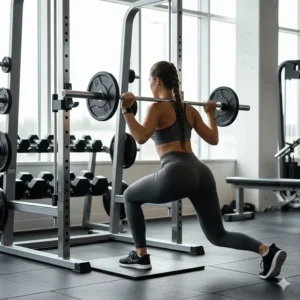
How to Choose Glute Fitness Equipment for Your Goals
Selecting the right equipment starts with honest self-assessment. I see this mistake constantly: people buying expensive machines they never use because they didn’t consider their actual training style, space, or commitment level.
Training Experience Level
Beginners should start with resistance bands and mini loop bands. These tools teach proper glute activation without overwhelming complexity. The Arena Strength Fabric Glute Bands or Shelter Fitness Premium Glute Bands provide excellent starting points at minimal investment.
Intermediate lifters benefit from adding ankle straps and hip thrust benches. You’ve mastered basic movements and understand form—now it’s time to increase loading capacity. The HPYGN Ankle Resistance Bands paired with a cable machine unlock dozens of isolation exercises.
Advanced athletes should consider investing in dedicated machines like the GMWD Hip Thrust Machine or Titan Fitness GHD. At this stage, your glute development demands specialized equipment that supports heavy loads with proper biomechanics.
Space and Budget Considerations
Your home gym reality matters more than equipment fantasies. That $1,200 hip thrust machine looks incredible until it dominates your bedroom for six months while gathering dust.
Minimal Space (Apartment/Studio):
Focus on resistance bands, ankle straps, and portable equipment. Total investment: $50-$150. Everything fits in a shoebox.
Medium Space (Spare Room/Garage):
Add a hip thrust bench or adjustable workout bench. You can progress to loaded hip thrusts with a barbell. Investment: $200-$500.
Dedicated Home Gym:
Go all-in with plate-loaded machines, GHD equipment, and complete band systems. Investment: $800-$2,000.
Training Style Preferences
Some people love the ritual of loading plates. Others prefer quick, resistance-band circuits. Neither approach is superior—effectiveness comes from consistency.
High-Intensity Enthusiasts: Resistance band sets with multiple resistance levels. Quick transitions between exercises without plate changes.
Strength-Focused Lifters: Plate-loaded hip thrust machines and GHD equipment. Progressive overload measured in pounds.
Hybrid Trainers: Combination of bands for activation plus machines for primary work. This describes most successful glute training programs.
Essential Features in Quality Glute Fitness Equipment
Not all equipment deserves your money. I’ve tested products that fell apart within weeks and others that survived years of punishment. Here’s what separates quality from junk.
Durability Markers
Material Quality
Look for 14-gauge steel frames on machines, industrial-grade fabric on bands, and reinforced stitching on straps. The GMWD Hip Thrust Machine uses commercial-grade steel that withstands 800 lbs—that’s durability you can measure.
Weight Capacity
Always choose equipment rated well above your current strength levels. Planning for progression prevents premature replacement. A 350-lb capacity machine works for most home users, but serious lifters should target 600+ lbs.
Wear Points
Examine pivot points, velcro attachments, and padding contact areas. These fail first on cheap equipment. Products with lifetime warranties like the Gymreapers Ankle Straps indicate manufacturer confidence.
Comfort and Adjustability
Equipment should adapt to your body, not vice versa. The Titan Fitness GHD features 10 adjustment settings precisely because one size never fits all. Padding thickness matters—cheap foam compresses permanently while quality vinyl-covered padding maintains shape.
Padding Standards:
- Minimum 1-inch thickness for contact points
- Neoprene or vinyl covering for durability
- Even pressure distribution across surface
Adjustment Range:
Good equipment accommodates users from 5’2″ to 6’4″ without compromising biomechanics. Check adjustment specifications before purchasing.
Benefits of Investing in Glute Fitness Equipment
The glutes do more heavy lifting (literally) than most people realize. Strong glutes improve everything from sprinting speed to lower back health. Let me break down the real benefits beyond the obvious aesthetic improvements.
Athletic Performance Enhancement
Powerful hip extension drives nearly every athletic movement. Sprinting, jumping, changing direction—all depend on glute strength. According to the National Academy of Sports Medicine, targeted glute training improves vertical jump height by up to 15% within 12 weeks.
The GMWD Hip Thrust Machine allows athletes to load hip extension movements beyond what bodyweight exercises permit. This specificity translates directly to sport performance.
Injury Prevention and Pain Relief
Here’s where glute training gets medical. Weak glutes contribute to anterior knee pain, IT band syndrome, and chronic lower back discomfort. The American College of Sports Medicine research demonstrates that strengthening glutes reduces these common issues.
I’ve personally experienced this. Years of sitting-dominant work left my glutes practically dormant. Incorporating the Titan Fitness GHD for posterior chain work eliminated the nagging lower back pain that plagued me for years. Strengthening glutes, hamstrings, and lower back created the stability my spine desperately needed.
Postural Improvements
Strong glutes maintain proper pelvic alignment and support healthy spinal curves. When glutes are weak, other muscles compensate—typically hip flexors tighten and lower back muscles overwork. This cascade causes the anterior pelvic tilt that creates that “duck butt” posture.
Regular training with glute fitness equipment corrects these imbalances. Resistance band work like the Arena Strength Fabric Glute Bands provides activates dormant glute muscles while stretching tight hip flexors.
Metabolic and Caloric Benefits
The glutes are your body’s largest muscle group. Training them burns significant calories both during and after workouts. High-intensity glute circuits with resistance bands can elevate metabolism for 24-48 hours post-workout—the famous “afterburn effect.”
Compound movements like hip thrusts and GHD exercises recruit multiple muscle groups simultaneously, maximizing metabolic demand. This efficiency makes glute training valuable for body composition goals.
Common Mistakes When Buying Glute Fitness Equipment
I’ve made nearly every equipment purchasing mistake possible, so you don’t have to. Learn from my expensive lessons.
The “More Is Better” Trap
Buying every piece of equipment doesn’t accelerate results. I once purchased five different glute machines within three months. Guess what? I only consistently used two. The others collected dust while draining my bank account.
Start minimal. Master the basics with resistance bands and ankle straps before investing in machines. Progressive overload with simple tools beats fancy equipment used sporadically.
Ignoring Space Requirements
That hip thrust machine looks compact online. Then delivery arrives and suddenly your “dedicated gym space” can barely accommodate the footprint. Always measure twice, buy once.
The GMWD Hip Thrust Machine measures 71 inches long—that’s nearly six feet. Add clearance for getting on/off safely, and you need eight feet of linear space minimum. Check dimensions against your actual available floor space before purchasing.
Skipping Reviews and Research
Marketing copy promises miracles. Real customer experiences reveal truth. I now spend hours reading verified purchase reviews before buying any equipment over $100.
Look for patterns in feedback:
- Multiple complaints about the same issue signal design flaws
- Overwhelmingly positive reviews from verified purchasers indicate quality
- Response from manufacturers to negative reviews shows customer service commitment
Chasing Trends Over Function
Social media fitness influencers promote whatever sponsors pay them. That doesn’t mean the equipment works optimally for your goals. The “booty band” craze produced hundreds of nearly identical products with wildly different quality levels.
Evaluate equipment based on biomechanics, durability, and progressive overload potential—not Instagram popularity.
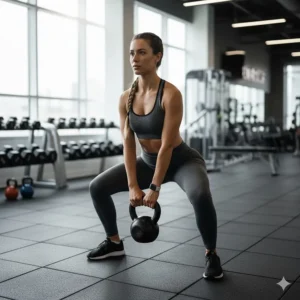
Comparing Traditional vs Modern Glute Training Equipment
Glute training has evolved dramatically over the past decade. Traditional methods still work, but modern equipment offers advantages worth understanding.
| Aspect | Traditional Equipment | Modern Glute Equipment |
|---|---|---|
| Primary Tools | Barbells, dumbbells, benches | Hip thrust machines, resistance bands |
| Setup Time | 5-10 minutes per exercise | 1-2 minutes |
| Learning Curve | Moderate to high | Low to moderate |
| Injury Risk | Higher (form-dependent) | Lower (guided movements) |
| Progressive Overload | Excellent (micro-loading) | Good (band/plate additions) |
| Cost | $200-$800 | $50-$1,200 |
| Space Required | Medium-Large | Small-Large (varies) |
Traditional Approach Advantages:
Barbells and dumbbells provide unlimited exercise variation. A single barbell supports squats, deadlifts, lunges, and hip thrusts. The equipment longevity is unmatched—a quality barbell lasts decades.
Modern Equipment Advantages:
Specialized glute machines like the GMWD Hip Thrust Machine optimize biomechanics for specific movements. The positioning eliminates variables, allowing pure focus on muscular contraction. Safety features like the GMWD safety limiter enable training to failure without spotters.
Resistance bands offer variable resistance impossible with free weights. The tension increases through the range of motion, maximizing glute activation at peak contraction.
My Recommendation:
Combine both approaches. Use resistance bands for warm-up and activation, then transition to loaded exercises with machines or free weights. This hybrid strategy delivers optimal results.
Setting Up Your Home Glute Training Station
Creating an effective home glute training area doesn’t require transforming your entire garage. Strategic equipment selection and space optimization make home training viable even in apartments.
Essential Setup for Under $200
Start with these fundamentals:
- Arena Strength Fabric Glute Bands ($25)
- HPYGN Ankle Resistance Bands ($20)
- Yoga mat for floor exercises ($30)
- Door anchor for resistance band work ($15)
- Adjustable dumbbells (15-25 lbs, $80)
This minimal setup supports dozens of effective exercises: banded squats, lateral walks, glute bridges, single-leg Romanian deadlifts, kickbacks, and fire hydrants. Total space required? About 6×6 feet during use, everything stores in a closet.
Intermediate Setup ($500-$800)
Add these progression pieces:
- Hip thrust bench or adjustable workout bench ($150-$300)
- Olympic barbell (45 lbs, $150)
- Bumper plates (pairs of 10, 25, 35 lbs, $300-$400)
Now you’re equipped for loaded hip thrusts, Bulgarian split squats, and weighted glute bridges. This setup rivals commercial gym capabilities for glute-specific training.
Advanced Home Gym ($1,500-$2,500)
The complete package includes:
- GMWD Hip Thrust Machine ($650)
- Titan Fitness GHD ($600)
- Complete resistance band system ($100)
- Power rack with pull-up bar ($500)
- Full Olympic weight plate set ($400)
This investment eliminates gym memberships while providing superior equipment access. Calculate the breakeven point: if your gym costs $50 monthly, this setup pays for itself within 2.5 years.
Space Optimization Tips
Vertical Storage: Wall-mounted plate racks and resistance band holders maximize floor space. The Shelter Fitness Premium Glute Bands include a travel case that hangs easily.
Multi-Purpose Furniture: Adjustable benches serve double duty for chest, shoulder, and glute exercises. A quality bench justifies its footprint.
Foldable Solutions: Some hip thrust benches fold for storage. Evaluate whether this convenience outweighs stability—foldable equipment sometimes lacks rigidity during heavy sets.
Maintenance and Care for Glute Fitness Equipment
Protecting your investment extends equipment lifespan and ensures safe operation. Different equipment types require specific maintenance approaches.
Resistance Bands and Straps
Cleaning Protocol:
Wipe down fabric bands after each use with mild soap and water. The Arena Strength fabric bands resist sweat better than latex but still benefit from regular cleaning. Air dry completely before storage to prevent mildew.
Inspection Routine:
Check for fraying along edges and stress points monthly. Replace bands showing signs of wear before they snap mid-exercise. Most quality brands like Shelter Fitness offer replacement guarantees.
Storage Best Practices:
Store in cool, dry locations away from direct sunlight. UV exposure degrades elastic materials over time. The included storage cases aren’t just convenient—they protect your investment.
Plate-Loaded Machines
Lubrication Schedule:
Apply silicone-based lubricant to pivot points and adjustment mechanisms every 3-6 months. The GMWD Hip Thrust Machine benefits particularly from maintaining its commercial-grade bearings. Avoid oil-based products that attract dust and grime.
Hardware Checks:
Tighten bolts and adjustment pins quarterly. Vibration from heavy lifts gradually loosens connections. A quick torque wrench check prevents catastrophic failures.
Pad Maintenance:
Vinyl padding resists most damage but benefits from occasional conditioning. Furniture vinyl cleaner maintains suppleness and prevents cracking. Address small tears immediately with vinyl repair kits.
Cable Machine Attachments
The HPYGN Ankle Resistance Bands and Gymreapers Ankle Straps require minimal maintenance but deserve attention to maximize longevity.
After Each Use:
Wipe neoprene padding with disinfectant wipes. Sweat accelerates material breakdown and creates bacterial growth.
Weekly Deep Clean:
Hand wash with mild detergent, rinse thoroughly, and air dry. Avoid machine washing—agitation damages reinforced stitching.
Monthly Inspection:
Check velcro strength and D-ring integrity. Replace attachments showing wear before safety becomes compromised.
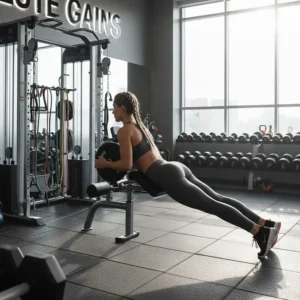
Advanced Training Techniques with Glute Fitness Equipment
Once you’ve mastered basic movements, these advanced techniques accelerate results while preventing plateaus.
Progressive Overload Strategies
Linear Progression:
Add 5-10 lbs to hip thrust machines weekly. The GMWD supports 800 lbs total, providing years of progression potential. Track every workout to ensure consistent advancement.
Band Resistance Escalation:
Graduate through resistance levels with systematic progression. The Arena Strength Fabric Glute Bands three-pack allows smooth transitions from light to heavy resistance.
Volume Manipulation:
Increase sets and repetitions before adding weight. Moving from 3×10 to 4×12 provides stimulus without heavier loading.
Tempo Training
Manipulating rep speed dramatically changes exercise difficulty. Try this hip thrust tempo sequence:
- 3-second eccentric (lowering)
- 2-second pause at bottom
- Explosive concentric (lifting)
- 1-second peak contraction squeeze
This 6-second rep transforms bodyweight movements into muscle-building stimuli. The BootySprout Hip Thrust Machine excels for tempo work—constant band tension challenges muscle control throughout.
Combination Exercises
Banded Hip Thrust + Abduction:
Place Shelter Fitness Premium Glute Bands above knees during hip thrusts. Push knees outward at peak contraction, engaging gluteus medius alongside maximus. This combination produces intense activation impossible with hip thrusts alone.
Cable Kickback Finishers:
After completing hip thrust working sets, attach Gymreapers Ankle Straps for high-rep cable kickbacks. The isolation work exhausts remaining muscle fibers, maximizing growth stimulus.
Unilateral Training Focus
Single-leg variations correct strength imbalances and improve stability. The Titan Fitness GHD supports single-leg glute-ham raises—brutally effective for hamstring and glute development.
Bulgarian split squats with the hip thrust bench provide exceptional single-leg work. Position your rear foot on the bench pad, then execute split squats holding dumbbells. The elevated rear foot increases range of motion and glute stretch.
Troubleshooting Common Equipment Issues
Even quality equipment encounters problems. Here’s how to diagnose and fix common issues.
Machine Stability Problems
Symptom: Hip thrust machine wobbles during heavy sets.
Causes: Uneven floor, loose bolts, or improper assembly.
Solutions: Place rubber gym mats underneath to compensate for uneven floors. Retighten all hardware using a torque wrench. Verify assembly followed manufacturer specifications—many stability issues trace to incorrect setup.
The GMWD Hip Thrust Machine weighs 192 lbs, providing inherent stability. If wobbling persists, consider anchoring to floor with provided mounting holes.
Band Slippage and Rolling
Symptom: Resistance bands roll up legs during lateral walks or squats.
Causes: Smooth leggings, incorrect positioning, or worn band grip.
Solutions: The Arena Strength Fabric Glute Bands feature non-slip lining specifically addressing this issue. Position bands directly above kneecap for optimal grip. Bare skin provides more friction than athletic wear.
Avoid applying lotion before training—oils reduce friction. If bands continue slipping, size down to tighter fit.
Ankle Strap Discomfort
Symptom: Cable kickbacks cause ankle pain or pressure points.
Causes: Insufficient padding, improper positioning, or too-tight straps.
Solutions: The HPYGN Ankle Resistance Bands feature 7mm neoprene padding addressing comfort concerns. Position strap slightly above ankle bones rather than directly on bony prominences.
Adjust tightness to secure without cutting circulation. If discomfort persists, add foam padding or upgrade to premium straps like the Gymreapers model with reinforced cushioning.
Pad Degradation
Symptom: Vinyl covering cracks or padding compresses flat.
Causes: Age, UV exposure, or chemical cleaners.
Solutions: Apply vinyl conditioner monthly to maintain suppleness. Replace pads when compression compromises comfort—most manufacturers sell replacement pads separately.
Protect equipment from direct sunlight when possible. Temperature extremes accelerate vinyl degradation.
Integrating Equipment with Complete Training Programs
Equipment alone doesn’t build glutes—systematic programming does. Here’s how to structure effective training using the equipment we’ve discussed.
Weekly Training Split
Day 1: Heavy Hip Extension (Monday)
- GMWD Hip Thrust Machine: 4 sets x 8-12 reps
- Single-leg Romanian deadlifts: 3 sets x 10 reps per leg
- Arena Strength band lateral walks: 3 sets x 20 steps each direction
Day 2: Auxiliary and Activation (Wednesday)
- HPYGN Ankle Strap cable kickbacks: 3 sets x 15 reps per leg
- Shelter Fitness band glute bridges: 4 sets x 20 reps
- Clamshells with mini bands: 3 sets x 25 reps per side
Day 3: Posterior Chain (Friday)
- Titan Fitness GHD glute-ham raises: 4 sets x 6-10 reps
- Stiff-leg deadlifts: 3 sets x 10-12 reps
- Gymreapers ankle strap hip abductions: 3 sets x 15 reps per side
This three-day split provides 48-72 hours recovery between sessions while hitting glutes from multiple angles. The variation prevents accommodation and addresses all three glute muscles.
Progressive Periodization
Weeks 1-4: Hypertrophy Phase
Focus on moderate weights with higher rep ranges (10-15 reps). Emphasize eccentric control and peak contraction. This phase builds muscle tissue and prepares connective tissue for heavier loads.
Weeks 5-8: Strength Phase
Increase weights while reducing reps (5-8 range). The GMWD Hip Thrust Machine shines here—load progressively heavier while maintaining proper form through machine guidance.
Weeks 9-10: Deload
Reduce training volume by 40% while maintaining intensity. Use lighter resistance bands for activation work. This recovery phase allows adaptation and prevents overtraining.
Weeks 11-14: Peaking Phase
Return to moderate rep ranges with accumulated strength gains. You’ll now handle significantly more weight than week one, demonstrating measurable progress.
Exercise Sequencing
Order matters enormously. Always follow this sequence:
- Activation (light bands)
- Compound movements (hip thrusts, GHD)
- Isolation exercises (cable work)
- Burnout finishers (high-rep bands)
This progression optimally fatigues muscles while maintaining form throughout the session.
🔥 Your Glutes Deserve the Best Equipment
Stop compromising on lower body training. Whether you’re building a complete home gym or supplementing commercial facility workouts, these equipment picks deliver real results. Click through to explore current pricing and transform your glute training today! 💯🎯
❓ Frequently Asked Questions
❓ What is the most effective glute fitness equipment for home use?
❓ How much should I spend on glute fitness equipment as a beginner?
❓ Can resistance bands build glutes as effectively as machines?
❓ How often should I replace my glute fitness equipment?
❓ What equipment works best for targeting gluteus medius specifically?
Conclusion: Building Your Glute Training Arsenal
We’ve covered a lot of ground here, from budget-friendly resistance bands to commercial-grade hip thrust machines. The takeaway? You don’t need everything, but you need something. The glutes respond to consistent, progressive challenge—whether that’s $20 fabric bands or a $700 plate-loaded machine matters less than your commitment to using them.
Start where you are. If you’re working out in a studio apartment, the Arena Strength Fabric Glute Bands and HPYGN Ankle Resistance Bands provide everything needed for effective training. Got a dedicated space and serious goals? The GMWD Hip Thrust Machine transforms home glute training to rival commercial gym capabilities.
Remember that equipment is simply a tool. Your consistency, progressive overload, and attention to form determine results. The best glute fitness equipment is the equipment you’ll actually use three times weekly for the next year. Choose based on your reality—space, budget, training style—not Instagram trends or marketing hype.
Strong glutes improve every aspect of physical performance while protecting your body from common injuries. That makes glute training equipment an investment in long-term health and function, not just aesthetics. Whether you’re an athlete chasing performance or someone wanting to feel stronger in daily life, the right equipment supports your journey.
Now stop researching and start training. Your glutes are waiting.
🎯 Transform Your Training Today
Ready to build stronger, more powerful glutes? These equipment recommendations come from real testing and research. Click any product to check current availability and start your transformation journey! 🚀💪
Recommended for You
- Forearm Fitness Equipment: 7 Best Tools for Grip Strength 2025
- Pool Safety Fence for Above Ground Pool: 7 Best 2025
- 7 Best Pressure Side Pool Cleaner Above Ground 2025
Disclaimer: This article contains affiliate links. If you purchase products through these links, we may earn a small commission at no additional cost to you.
✨ Found this helpful? Share it with your friends! 💬🤗
