
In This Article
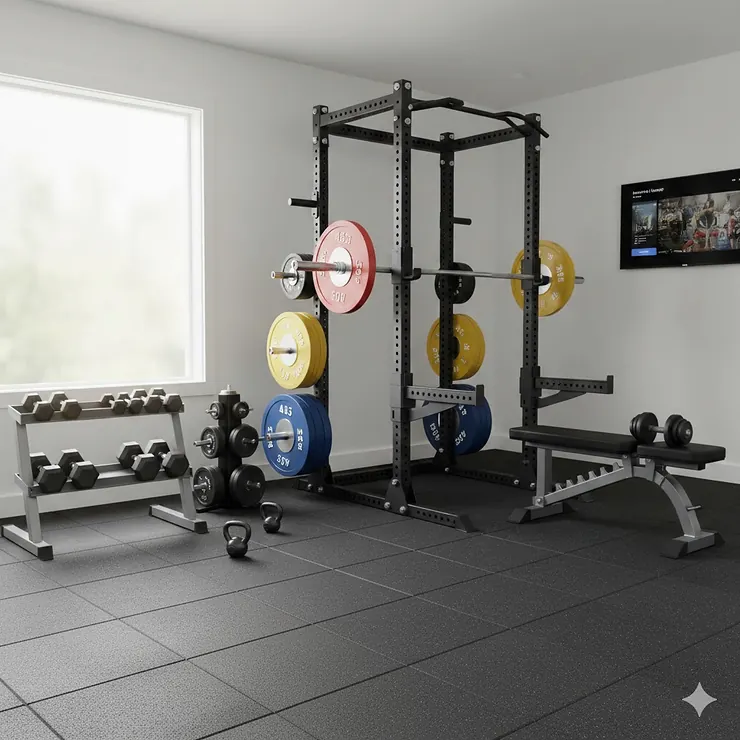
Building a home gym doesn’t mean you need a warehouse-sized space or a trust fund. With the right home gym weight set, you can transform even a modest corner of your living room into a legitimate training facility that rivals any commercial gym. I’ve been there—staring at expensive gym memberships while my workout motivation evaporated during the commute.
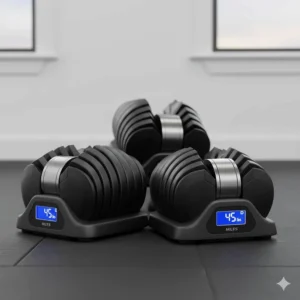
What exactly is a home gym weight set? It’s a comprehensive collection of weight training equipment designed to provide a complete strength training experience at home, typically including dumbbells, weight plates, barbells, and storage solutions. These sets eliminate the need for multiple purchases and ensure all your equipment works together seamlessly.
The home fitness market has absolutely exploded since 2020, and manufacturers have responded with innovative solutions that maximize results while minimizing space. Whether you’re a complete beginner taking your first steps into strength training or an experienced lifter looking to save time and money, there’s a weight set perfectly suited to your goals. According to the Centers for Disease Control and Prevention, adults need at least 2 days of muscle-strengthening activities per week that include all major muscle groups, making a quality home weight set an investment in your long-term health.
Today, I’m breaking down the seven best weight sets for home gym currently dominating Amazon in 2026, complete with honest pros and cons, price breakdowns, and everything you need to make an informed decision.
Quick Comparison Table
| Product | Weight Range | Type | Price Range | Best For | Rating |
|---|---|---|---|---|---|
| CAP Barbell 150 LB Set | 5-25 lbs (pairs) | Fixed Hex + Rack | $110-$230 | Budget beginners | 4.7/5 ⭐ |
| PowerBlock Elite EXP | 5-50 lbs per hand | Adjustable | $350-$400 | Space savers | 4.8/5 ⭐ |
| Bowflex SelectTech 552 | 5-52.5 lbs per hand | Adjustable Dial | $429-$479 | Quick changers | 4.6/5 ⭐ |
| PowerBlock Pro 50 | 5-50 lbs per hand | Adjustable Premium | $400-$450 | Serious lifters | 4.8/5 ⭐ |
| Yes4All 200 LB Set | 40-200 lbs options | Plate-Loaded | $80-$180 | Heavy lifters | 4.5/5 ⭐ |
| Amazon Basics Hex | 10-45 lbs | Fixed Rubber Hex | $30-$70/pair | Minimalists | 4.7/5 ⭐ |
| NordicTrack Select-A-Weight | 10-55 lbs per hand | Adjustable Dial | $450-$550 | Premium seekers | 4.5/5 ⭐ |
💬 Just one click – help others make better buying decisions too! 😊
✨ Don’t Miss These Exclusive Deals!
🔍 Take your strength training to the next level with these carefully selected products. Click on any highlighted item to check current pricing and availability. These tools will help you create authentic results your family will love!
Top 7 Home Gym Weight Sets: Expert Analysis
1. CAP Barbell 150 LB Rubber Hex Dumbbell Weight Set with Rack
If you’re looking for a straightforward, no-nonsense complete weight set with rack that won’t require a second mortgage, the CAP Barbell 150 LB Set deserves serious consideration. This is the weight set I recommend to friends who are just starting their fitness journey and want something reliable without breaking the bank.
Key Specifications:
- Includes pairs of 5, 10, 15, 20, and 25-pound hex dumbbells
- A-frame vertical storage rack with 200-lb capacity
- ASTM A48 Class 20 grey iron construction with rubber coating
- Chrome-finished handles with medium-depth knurling
The set ships in multiple boxes (CAP does this to prevent damage), and customers report that assembly takes about 20 minutes. The rubber coating is genuinely durable—not the cheap stuff that peels off after a few months. One reviewer mentioned dropping the 25-pounders accidentally, and they bounced without chipping. The hex design prevents rolling, which seems minor until you’ve chased a rogue dumbbell across your garage at 6 AM.
Price: Currently $110-$230 depending on color options and sales
Customer Feedback: Buyers consistently praise the value proposition and durability. The most common complaint? Wishing they’d bought heavier weights initially as they quickly outgrew the 25-lb maximum.
✅ Pros:
- Exceptional value for money
- Hex shape prevents rolling
- Durable rubber coating protects floors
❌ Cons:
- Maximum 25 lbs per dumbbell limits progression
- Requires significant floor space
2. PowerBlock Elite EXP Adjustable Dumbbells (5-50 lbs)
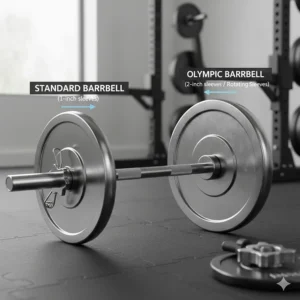
The PowerBlock Elite EXP represents what happens when engineers actually listen to lifters. Yes, they look weird at first glance—like something from a sci-fi movie—but that unconventional design is precisely what makes them brilliant for a compact weight set for home gym.
Key Specifications:
- Adjustable from 5 to 50 pounds per hand (expandable to 70 or 90 lbs)
- Replaces 16 pairs of traditional dumbbells
- Magnetic selector pin system
- Dimensions: 12″ L x 6″ W x 6″ H
What sets PowerBlocks apart is the selector pin mechanism. You slide a pin to select your weight, lift the handle, and the excess weights stay in the tray. It takes about 5 seconds once you get the hang of it. The compact footprint is genuinely impressive—these replace hundreds of pounds of traditional dumbbells while occupying less than two square feet.
Price: $350-$400 for the Stage 1 set (5-50 lbs)
Customer Feedback: Users rave about the space savings and build quality. A few note the learning curve for certain exercises like dumbbell flies, where the square shape feels different from traditional dumbbells.
✅ Pros:
- Industry-leading space efficiency
- Expandable system grows with you
- Lightning-fast weight changes
❌ Cons:
- Unconventional shape requires adaptation
- Higher initial investment
3. Bowflex SelectTech 552 Adjustable Dumbbells
Bowflex has been refining their all-in-one weight training set technology for over two decades, and the SelectTech 552 represents the culmination of that experience. These are the dumbbells your neighbors probably have in their garage.
Key Specifications:
- Range: 5 to 52.5 pounds per dumbbell
- 15 weight settings (2.5 lb increments up to 25 lbs, then 5 lb increments)
- Dial adjustment system
- Compatible with Bowflex JRNY app for workout tracking
The dial system is incredibly intuitive—turn the dial to your desired weight, lift straight up, and you’re ready to go. The SelectTech 552 uses a combination of metal plates and plastic molding, which keeps costs down while maintaining durability. They’re longer than traditional dumbbells (about 16.9 inches), which can limit range of motion on certain exercises like chest flies.
Price: $429-$479 with occasional sales
Customer Feedback: Over 20,000 Amazon reviews highlight the ease of use and value. Some users report the dial mechanism loosening slightly over time, though this rarely affects functionality.
✅ Pros:
- Most intuitive adjustment system
- Excellent customer support
- App integration for tracking progress
❌ Cons:
- Length can restrict movement on some exercises
- Plastic components may concern heavy users
4. PowerBlock Pro 50 Adjustable Dumbbells
The PowerBlock Pro 50 is what serious home gym enthusiasts graduate to when they realize they’re in this for the long haul. It’s essentially the commercial-grade version of the Elite model, built to withstand the kind of abuse you’d find in a professional training facility.
Key Specifications:
- Weight range: 5-50 pounds per hand
- Durable steel construction throughout
- Magnetic pin selector with 500 lb max load
- Comes with 5-year warranty
The Pro series uses thicker steel and more robust construction than the Elite line. The difference becomes apparent when you’re doing heavy compound movements—there’s zero flex or wobble. The handle ergonomics are slightly different too, with a rubber grip that provides excellent traction even with sweaty hands.
Price: $400-$450 per pair
Customer Feedback: Professional trainers and serious home gym owners consistently give this set five stars. The main critique is the premium price, though most acknowledge you get what you pay for.
✅ Pros:
- Commercial-grade durability
- Superior feel during heavy lifts
- Industry-best 5-year warranty
❌ Cons:
- Premium pricing
- Heavier than consumer models (even at minimum weight)
5. Yes4All Adjustable Dumbbell Set (40-200 LB Options)
For those who prefer the traditional barbell and dumbbell set approach with standard plates, Yes4All offers incredible value and versatility. This is old-school strength training at its finest—cast iron plates, threaded collars, and the satisfying clank of metal on metal.
Key Specifications:
- Available in 40, 50, 60, 105, and 200-pound sets
- Standard 1″ or 1.15″ diameter holes
- Includes dumbbell handles, weight plates, and collars
- Optional barbell connector included
The beauty of plate-loaded systems is their simplicity and upgradeability. Need more weight? Buy additional plates. Want to do barbell exercises? Connect the dumbbells with the included connector bar. The chrome-plated handles resist corrosion, and the star-lock collars secure weights more effectively than traditional spring clips.
Price: $80-$180 depending on weight configuration
Customer Feedback: Buyers love the classic design and value. The most common complaint involves the time needed to change weights compared to adjustable dial systems—though many view this as a reasonable trade-off for the price.
✅ Pros:
- Exceptional value per pound
- Converts to barbell with connector
- Infinitely expandable with additional plates
❌ Cons:
- Slower weight changes than dial systems
- Requires more storage space
6. Amazon Basics Rubber Hex Dumbbells
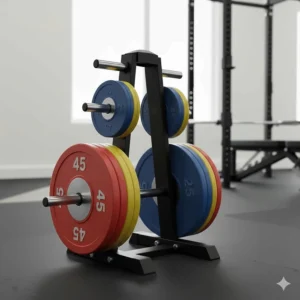
Sometimes simple is better. The Amazon Basics Rubber Hex Dumbbells prove you don’t need bells and whistles to build an effective weight plates set for your home gym. These are the dumbbells you buy when you want quality equipment without paying for a brand name.
Key Specifications:
- Available individually or in pairs (10-45 lbs)
- Solid cast iron with rubber encasing
- Contoured chrome handles
- Hex shape prevents rolling
Amazon Basics has mastered the art of identifying what actually matters in fitness equipment and delivering it at a fair price. The rubber coating is thick enough to protect floors, the handles are properly knurled for grip, and the hex design provides stable storage. They’re not fancy, but they’re built to last.
Price: $30-$70 per pair depending on weight
Customer Feedback: With nearly 50,000 reviews averaging 4.7 stars, users consistently highlight the quality-to-price ratio. Free Prime shipping makes these especially attractive for building a dumbbell collection gradually.
✅ Pros:
- Unbeatable price-to-quality ratio
- Free Prime shipping
- Straightforward, reliable design
❌ Cons:
- Need to purchase multiple pairs separately
- No included storage rack
7. NordicTrack 55 LB Select-A-Weight Adjustable Dumbbells
NordicTrack brings their treadmill and elliptical expertise to the dumbbell market with the Select-A-Weight 55 system, offering one of the most refined dial mechanisms available in any complete weight set with rack system today.
Key Specifications:
- Adjustable from 10 to 55 pounds per dumbbell
- 15 weight settings with fine 2.5-lb increments
- Dual adjustment system (dial + lever)
- Molded storage trays with weight markers
What makes NordicTrack unique is the dual adjustment system. You can make 10-pound jumps with the top lever or fine-tune with 2.5 and 5-pound adjustments using the internal dial. This level of precision is invaluable for progressive overload training. The dumbbells feel closer to traditional fixed weights than most adjustables, thanks to the weight distribution design.
Price: $450-$550 for the pair
Customer Feedback: Users appreciate the smooth adjustment mechanism and traditional feel. Some mention occasional issues with plates not seating perfectly in the tray, requiring a quick adjustment before lifting.
✅ Pros:
- Most weight settings of any adjustable system
- Hybrid adjustment for versatility
- Traditional dumbbell feel
❌ Cons:
- Premium price point
- Tray alignment can be finicky
Understanding Different Types of Home Gym Weight Sets
Fixed vs. Adjustable Weight Systems
When you’re building your home gym, you’ll face a fundamental choice between fixed weight dumbbells and adjustable systems. Each approach has distinct advantages that align with different training styles and space constraints.
Fixed Weight Dumbbells are exactly what they sound like—each dumbbell is a specific, unchangeable weight. The CAP Barbell and Amazon Basics options fall into this category. You grab the 20-pounder for shoulder presses, drop down to 15s for lateral raises, then pick up 25s for rows. The workout flow is seamless, but you’ll need a full set to cover your training needs. Research from Michigan State University Extension shows that weight training increases muscle strength, maintains bone integrity, and improves balance, coordination and mobility, making having a full range of weights valuable for comprehensive training.
Adjustable Systems like PowerBlock, Bowflex, and NordicTrack let you change resistance on a single pair of dumbbells. Space-wise, it’s a game-changer—two pieces of equipment replace an entire dumbbell rack. The trade-off? You’ll spend 5-15 seconds adjusting between exercises, which can interrupt workout flow during supersets or circuit training.
Space Requirements: What Really Fits
I learned this lesson the hard way when I bought a beautiful 5-50 lb dumbbell set that looked manageable online. In my actual living room? It dominated the space like a small planet.
Compact Options (PowerBlock Elite, Bowflex SelectTech):
- Footprint: 2-4 square feet
- Ideal for: Apartments, bedrooms, multi-purpose rooms
- Storage: Can slide under furniture or into closets
Medium Footprint (CAP Barbell 150 LB Set):
- Footprint: 4-6 square feet with rack
- Ideal for: Spare bedrooms, large closets, garage corners
- Storage: Dedicated floor space required
Full-Size Systems (Yes4All 200 LB Plate Sets):
- Footprint: 6-10 square feet including plates and bars
- Ideal for: Dedicated home gym spaces, garages
- Storage: Permanent setup recommended
Weight Ranges: Matching Your Fitness Level
Beginners (Starting Strength Training): Most people new to resistance training will work comfortably in the 5-25 pound range for the first 3-6 months. The CAP Barbell 150 LB set or lighter Amazon Basics pairs provide plenty of resistance for learning proper form and building foundational strength.
Intermediate Lifters (6-18 months experience): You’ll quickly outgrow lighter weights and need the 25-50 pound range for compound movements. PowerBlock Elite EXP or Bowflex SelectTech 552 offer this range with expansion potential.
Advanced Athletes (18+ months): Serious lifters need 50+ pounds for exercises like dumbbell bench press, rows, and squats. PowerBlock Pro 50 (expandable to 90 lbs) or Yes4All’s 200 LB configuration provides room for continuous progression.
Essential Features to Consider Before Buying
Handle Design and Grip Comfort
You’d be shocked how much difference handle design makes during a 45-minute workout. I’ve used dumbbells with handles so slippery I feared dropping them mid-rep, and others with knurling so aggressive they left my hands looking like I’d been rock climbing.
Ideal Handle Characteristics:
- Diameter: 1-1.25 inches for comfortable grip
- Knurling depth: Medium texture for secure hold without hand damage
- Length: 4-6 inches between plates for proper hand placement
- Coating: Chrome, rubber, or neoprene depending on preference
The CAP Barbell sets use medium-depth knurling on chrome handles—perfect for most users. PowerBlock opts for contoured handles that guide hand placement naturally. Amazon Basics strikes a balance with textured chrome that provides grip without aggression.
Durability and Build Quality
When you’re investing in equipment that might see 500+ workouts over the next few years, construction quality isn’t just a feature—it’s fundamental to value.
Red Flags to Avoid:
- Thin plastic housings that crack under stress
- Paint that chips easily exposing bare metal
- Loose connection points that rattle
- Collars that don’t lock securely
Quality Indicators:
- Rubber or urethane coatings at least 3-5mm thick
- Solid metal construction in load-bearing components
- Smooth, secure adjustment mechanisms
- Comprehensive warranty coverage (3+ years ideal)
Yes4All uses chrome-plated alloy steel that resists corrosion even in humid garages. PowerBlock’s commercial-grade models employ steel throughout. Even budget options like Amazon Basics use solid cast iron cores—the rubber coating protects your floors, while the iron provides lasting durability.
Floor Protection Considerations
Here’s something nobody tells you until you’ve already scratched your hardwood floors: weight training without proper protection is asking for trouble.
Flooring Solutions by Equipment Type:
For rubber-coated hex dumbbells (CAP Barbell, Amazon Basics), you can generally place them directly on most flooring without issue. The rubber absorbs shock and protects both equipment and floor. Even so, I recommend at least a yoga mat or rubber tile in your workout area.
Adjustable systems with plastic bases (Bowflex SelectTech) are more delicate. The trays sit on small feet, and forceful placement can crack plastic over time. A dedicated equipment mat distributes weight and prevents damage.
Heavy plate-loaded sets (Yes4All) absolutely require protection. I use horse stall mats—they’re 3/4 inch thick, cost about $40 per 4×6 foot mat, and can handle anything you throw at them. Literally.
Setting Up Your Home Weight Training Space
Organizing for Maximum Efficiency
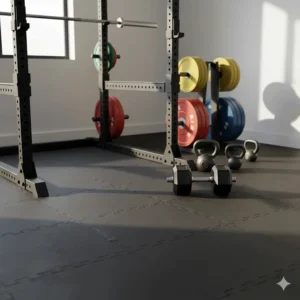
The difference between a functional home gym and a glorified storage closet often comes down to thoughtful organization. I’ve set up dozens of home gyms, and the layouts that work best share common principles.
The Triangle Layout Approach: Position your weights, workout bench, and cardio equipment (if applicable) in a triangle formation. This keeps everything within 2-3 steps, maintaining workout intensity while minimizing time spent walking between stations.
Vertical Storage Wins: Wall-mounted plate racks, vertical dumbbell stands, and hanging resistance band storage maximize usable floor space. The CAP Barbell’s A-frame design exemplifies this—it stores 150 pounds of weights in less space than a standard office desk.
The 6-Foot Rule: Ensure at least 6 feet of clear space in your primary lifting area. You need room for lunges, dumbbell rows with proper form, and standing overhead presses without hitting ceiling fans (trust me on this one).
Lighting and Mirror Placement
Proper lighting isn’t vanity—it’s safety. You need to see your form during compound movements to prevent injury and maximize effectiveness.
Optimal Lighting Setup:
- Primary overhead lighting: LED panels or high-lumen bulbs
- Angle lights to minimize shadows on the floor
- Consider natural light if available (basement gyms benefit from window wells)
Mirror Strategy: Position a full-length mirror to check form during standing exercises. Many lifters place mirrors on two perpendicular walls to check form from multiple angles. This becomes especially valuable when you’re learning new movement patterns with your barbell and dumbbell set.
Climate Control for Equipment Longevity
Temperature and humidity variations wreak havoc on fitness equipment. Metal components rust, rubber degrades, and plastic becomes brittle in extreme conditions.
Garage Gym Considerations: If you’re setting up in an uninsulated garage (like 60% of home gym builders), invest in a dehumidifier. Aim for 30-50% relative humidity to prevent corrosion on chrome handles and weight plates.
Basement Solutions: Basements often stay cool but can be damp. Again, dehumidification is your friend. I run a 50-pint dehumidifier in my basement gym year-round, and my equipment looks factory-fresh after three years.
Temperature Extremes: Avoid storing adjustable dumbbells in areas that freeze (if you live in cold climates). The plastic components in Bowflex and NordicTrack systems can become brittle below 40°F and crack during use.
Workout Programs for Different Weight Set Types
Beginner Full-Body Routine (Fixed Weight Sets)
When you’re working with fixed weights like the CAP Barbell or Amazon Basics sets, programming becomes beautifully straightforward. Here’s a three-day-per-week routine that builds total-body strength:
Monday/Wednesday/Friday:
- Goblet Squats: 3 sets × 12 reps (start with 10-15 lbs)
- Dumbbell Bench Press: 3 sets × 10 reps (15-20 lbs)
- Bent-Over Rows: 3 sets × 10 reps (15-20 lbs)
- Overhead Press: 3 sets × 10 reps (10-15 lbs)
- Bicep Curls: 2 sets × 12 reps (10-15 lbs)
- Tricep Extensions: 2 sets × 12 reps (10-15 lbs)
Progress by increasing reps first (work up to 15 reps), then increase weight and drop back to 10 reps. This linear progression works incredibly well for beginners and aligns perfectly with the fixed weight approach.
Advanced Split Training (Adjustable Systems)
Adjustable dumbbells like PowerBlock or SelectTech excel in advanced programming where you’re constantly changing weights between exercises. Here’s a four-day push/pull split:
Day 1 – Push (Chest/Shoulders/Triceps):
- Incline Dumbbell Press: 4 sets × 8-10 reps (40-50 lbs)
- Dumbbell Flyes: 3 sets × 12-15 reps (20-25 lbs)
- Overhead Press: 4 sets × 8-10 reps (30-35 lbs)
- Lateral Raises: 3 sets × 12-15 reps (15-20 lbs)
- Tricep Kickbacks: 3 sets × 12-15 reps (10-15 lbs)
Day 2 – Pull (Back/Biceps):
- Single-Arm Rows: 4 sets × 8-10 reps (45-50 lbs)
- Dumbbell Pullovers: 3 sets × 12-15 reps (30-35 lbs)
- Reverse Flyes: 3 sets × 12-15 reps (15-20 lbs)
- Hammer Curls: 4 sets × 10-12 reps (25-30 lbs)
- Concentration Curls: 3 sets × 12-15 reps (15-20 lbs)
The beauty of this approach with adjustable dumbbells? You can superset exercises with different weights—do heavy rows immediately followed by lighter reverse flyes—without waiting to swap plates.
Circuit Training for Fat Loss
If your primary goal is fat loss while maintaining muscle, circuit training with a home gym weight set delivers exceptional results. This approach works with any weight system but shines with adjustable dumbbells:
20-Minute Fat-Burning Circuit: Set your timer for 40 seconds work, 20 seconds rest. Complete all exercises before resting 90 seconds and repeating for 3-4 total rounds:
- Dumbbell Thrusters (25-30 lbs)
- Renegade Rows (20-25 lbs)
- Dumbbell Swings (30-35 lbs)
- Push-Up to Row (20-25 lbs)
- Goblet Squats (30-40 lbs)
- Overhead Walking Lunges (15-20 lbs per hand)
This protocol elevates your heart rate into the cardio zone while building strength—the perfect combination for body recomposition.
Maintenance and Care Guide
Cleaning Different Weight Types
Rubber-coated dumbbells (CAP Barbell, Amazon Basics) are low-maintenance champions. Wipe them down weekly with a damp cloth and mild soap. Avoid harsh chemicals—they can degrade rubber over time. For stubborn grime, a mixture of water and white vinegar works wonders.
Chrome and metal components need special attention. After sweaty workouts, salt and acids from your hands can cause corrosion. Wipe chrome handles immediately after use with a dry cloth, then clean monthly with chrome polish to maintain the protective coating.
Plastic components in adjustable systems (Bowflex, NordicTrack) benefit from gentle cleaning with electronics-safe wipes. Never spray liquids directly into adjustment mechanisms—moisture can cause dial systems to stick or fail.
Preventive Maintenance Schedule
Weekly Tasks:
- Wipe down all handles and grips
- Check collar tightness on plate-loaded dumbbells
- Verify selector pins move freely in adjustable systems
- Vacuum or sweep around weight storage area
Monthly Tasks:
- Deep clean all rubber surfaces
- Apply chrome polish to metal components
- Lubricate adjustment mechanisms with dry lubricant (never oil—it attracts dust)
- Inspect for loose bolts or connections
Quarterly Tasks:
- Check weight plates for cracks or damage
- Verify storage rack stability
- Test weight accuracy (if precision matters for your training)
- Tighten any loose connections
Troubleshooting Common Issues
Problem: Adjustable dumbbell selector pin sticks Solution: Remove excess weights and work the pin through its full range of motion. Apply a dry lubricant like graphite powder—never use WD-40 or oil-based lubricants that attract dust.
Problem: Rubber coating peeling Solution: This usually indicates low-quality manufacturing. For minor damage, use rubber cement to reattach small sections. Extensive peeling means it’s time to upgrade to better-quality weights.
Problem: Chrome handles showing rust spots Solution: Remove light rust with fine steel wool and naval jelly. Polish thoroughly and apply a thin coat of mineral oil. For significant corrosion, consider professional rechroming or replacement.
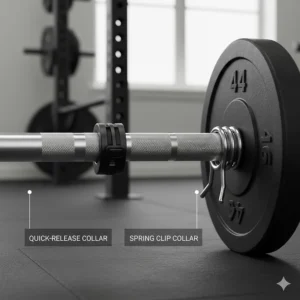
Problem: Weight plates loosening during exercise Solution: Replace worn star-lock collars or spring clips. Always tighten collars by hand initially, then use the handle for final tightening. Cross-threading can make them difficult to remove later.
Budget-Friendly Alternatives and Add-Ons
Building Your Collection Gradually
You don’t need a complete barbell and dumbbell set on day one. Smart buyers build their arsenals strategically based on actual needs rather than perceived requirements.
Phase 1 – Foundation (Months 1-3): Start with a single pair of medium-weight dumbbells (15-20 lbs for women, 20-30 lbs for men). Amazon Basics sells individual pairs for under $50, making this an accessible entry point. You can accomplish remarkably comprehensive workouts with just one weight if you adjust tempo and volume. The CDC’s Growing Stronger program demonstrates that even simple strength training routines with basic equipment can transform health and fitness.
Phase 2 – Expansion (Months 4-6): Add lighter weights (10-15 lbs) for isolation exercises and heavier weights (25-35 lbs) for compound movements. At this stage, you might have three pairs totaling $120-150 invested.
Phase 3 – Optimization (Months 7-12): Now you understand your actual training needs. This is when to either complete your fixed weight collection or upgrade to an adjustable system. The money you saved in phases 1-2 funds a premium set without financial stress.
Complementary Equipment Worth Buying
A weight plates set alone doesn’t complete your training toolkit. These additions multiply your exercise options:
Adjustable Bench ($150-300): Opens up incline presses, decline work, step-ups, and supported rows. The Rep Fitness AB-3100 offers commercial-grade construction at a home-gym price point.
Resistance Bands ($20-40): Perfect for warm-ups, mobility work, and adding variable resistance to dumbbell exercises. WODFitters bands provide quality comparable to expensive brands at a fraction of the cost.
Kettlebell ($30-80): While dumbbells handle most exercises, kettlebells excel at ballistic movements like swings and snatches. One 35-lb kettlebell covers most needs.
Pull-Up Bar ($25-60): Door-mounted or wall-mounted options add bodyweight pulling movements to complement your dumbbell pressing and rowing work.
DIY Storage Solutions
Commercial weight racks cost $100-300, but you can build excellent storage for $30-50 with basic tools:
Simple Dumbbell Shelf: Two pieces of 2×4 lumber and four brackets create a wall-mounted shelf for fixed-weight dumbbells. Paint or stain to match your space, and you’ve got storage that looks intentional rather than makeshift.
PVC Plate Tree: Four pieces of 3″ diameter PVC pipe, a plywood base, and construction adhesive create a functional plate tree for under $40. It won’t win design awards, but it keeps your weight plates set organized and accessible.
Repurposed Furniture: Old shoe racks, bookshelf units, and even sturdy coat stands can become weight storage with minimal modification. Just verify weight capacity before loading—furniture not designed for hundreds of pounds can fail spectacularly.
Comparison: Home Gym vs. Commercial Gym Membership
Cost Analysis Over 3 Years
Let’s run real numbers using average costs from major U.S. metropolitan areas:
Commercial Gym Option:
- Monthly membership: $50
- Initiation fee: $100
- Annual maintenance fee: $40
- Three-year total: $1,940
Home Gym Investment:
- PowerBlock Elite EXP: $400
- Adjustable bench: $250
- Resistance bands: $30
- Floor mats: $120
- Three-year total: $800
The home gym saves $1,140 over three years—and you own the equipment. Extend to five years, and the savings exceed $2,200. Factor in gasoline, time savings, and the ability to work out at 2 AM in your pajamas, and the value proposition becomes overwhelming.
Convenience and Time Savings
Time is money, especially when you calculate opportunity cost. The average commercial gym trip involves:
- Drive time: 15-20 minutes each way
- Waiting for equipment: 10-15 minutes
- Socializing/distractions: 10-20 minutes
- Total overhead: 45-75 minutes per workout
Your all-in-one weight training set eliminates this entirely. Walk to your home gym, start training immediately, finish your workout, and return to your day. A 60-minute workout at a commercial gym becomes 35-40 minutes at home—you’ve just gained 20-25 minutes per session.
Over a year with three weekly workouts, that’s 52-65 hours saved. What’s an extra 60 hours worth to you?
Privacy and Comfort Factors
Let’s acknowledge what nobody talks about: gym anxiety is real. I’ve worked with dozens of clients who avoided strength training entirely because they felt intimidated in commercial gym environments.
Your home gym provides:
- Zero judgment about weight selection or exercise form
- Ability to experiment with new movements without audience
- Complete control over music, temperature, and atmosphere
- Freedom to train shirtless, in costume, or however you prefer
- No waiting for equipment or negotiating for space
For many people, these psychological benefits outweigh any equipment advantages a commercial gym offers.
Safety Tips for Home Weight Training
Proper Form Fundamentals
Research published in Medicine & Science in Sports & Exercise shows that 30 minutes of weight training twice weekly leads to muscle gains, but only when performed with correct technique. Poor form doesn’t just reduce effectiveness—it invites injury.
Universal Form Principles:
- Maintain neutral spine positioning throughout movements
- Control both concentric (lifting) and eccentric (lowering) phases
- Breathe rhythmically—exhale during exertion, inhale during recovery
- Keep wrists straight and aligned with forearms
- Avoid momentum—if you’re swinging weights, reduce the load
Exercise-Specific Cues:
For overhead pressing (common with home gym weight set training), keep elbows slightly forward of the bar path, not flared wide. This protects shoulder joints while maximizing pressing strength.
During rowing movements, initiate from your lats and upper back—not your biceps. Think “elbows back” rather than “hands to chest.”
For goblet squats, hold the weight close to your sternum and keep elbows pointed down. This creates proper counterbalance and maintains upright torso position.
Creating a Safe Training Environment
Floor Surface Requirements: Concrete, tile, and hardwood floors need protective matting. Rubber horse stall mats (3/4″ thick) provide excellent shock absorption and cost $40-60 per 4×6 foot section. They’re heavy (100+ pounds per mat) but virtually indestructible.
Carpet works for lighter dumbbells but can hide structural floor issues. If you’re setting up on second floors or above living spaces, verify floor load ratings—weight equipment concentrated in small areas can exceed residential building codes.
Clearance Zones: Measure your exercise movements and add 12-18 inches on all sides. That overhead press needs clear space from ceiling fans, light fixtures, and low ceilings. I’ve seen more than one person punch a hole in drywall during enthusiastic lateral raises.
Emergency Protocols: Keep a phone within reach during training. If you’re lifting heavy alone (not recommended, but realistic for home training), understand how to bail safely from failed reps. Practice dropping dumbbells safely—on rubber mats, not your feet.
When to Seek Professional Guidance
Starting with a complete weight set with rack and zero experience? Invest in 2-3 sessions with a qualified personal trainer. They’ll teach proper form, program design basics, and how to progress safely. Virtual training through platforms like Trainerize costs $50-100 monthly—a small investment that prevents injuries that could cost thousands in medical bills.
Warning signs you need professional help:
- Joint pain during or after exercises (muscle soreness is normal; joint pain isn’t)
- Inability to complete movements with proper form
- Plateau in strength gains despite consistent training
- Fear or anxiety about certain exercises
FAQ
❓ What is the best home gym weight set for beginners?
❓ How much space do I really need for a home gym weight set?
❓ Are adjustable dumbbells worth the extra cost compared to fixed weights?
❓ How long do home gym weight sets typically last?
❓ Can I build significant muscle with just a home gym weight set?
Conclusion: Making Your Final Decision
After reviewing seven exceptional weight sets for home gym setups, the right choice ultimately depends on your specific situation. Space-constrained apartment dwellers thrive with PowerBlock Elite EXP or Bowflex SelectTech 552, while those with dedicated home gym spaces might prefer the straightforward reliability of CAP Barbell fixed weight sets.
Budget considerations matter, obviously. The beauty of home fitness equipment is its longevity—spread a $400 investment across five years of use, and you’re paying $80 annually for unlimited access to quality training tools. Compare that to gym memberships costing $600-1,000 yearly, and the math becomes compelling.
Your training experience level guides equipment selection too. Beginners benefit from simpler systems that encourage consistency without overwhelming options. Advanced lifters might need the weight capacity and expandability of PowerBlock Pro or Yes4All plate-loaded sets.
Remember that the best home gym weight set is the one you’ll actually use consistently. Fancy equipment gathering dust serves nobody. Start with what fits your space, budget, and current fitness level. You can always expand your collection as your strength and commitment grow.
The transformation that happens when you remove barriers between yourself and consistent training is remarkable. No more negotiating with yourself about driving to the gym. No more waiting for equipment. Just you, your weights, and the focused work that builds both physical strength and mental resilience.
Your home gym awaits. Time to build it.
Recommended for You
- 7 Best Adjustable Dumbbells for Home Gym 2026
- 7 Best Bench Press Setups for Home Gym in 2026
- Flat Bench vs Adjustable Bench: 7 Best Options for 2026 🏋️
Disclaimer: This article contains affiliate links. If you purchase products through these links, we may earn a small commission at no additional cost to you.
✨ Found this helpful? Share it with your friends! 💬🤗
