
In This Article
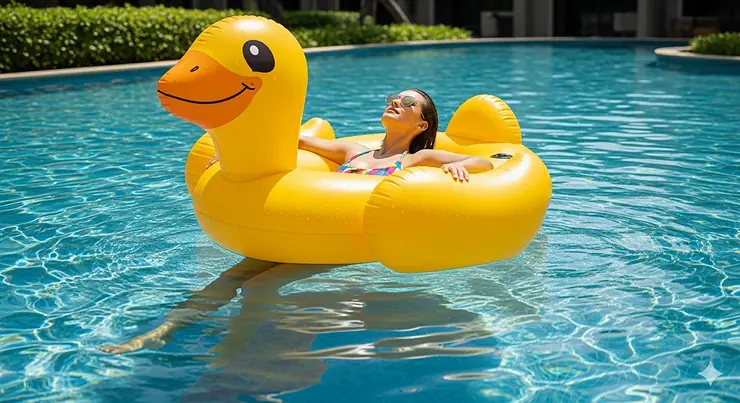
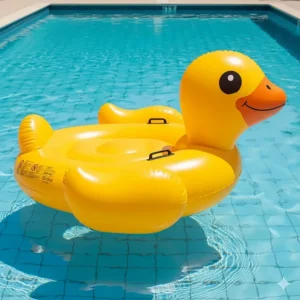
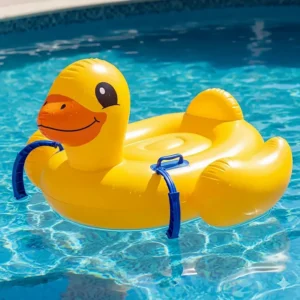
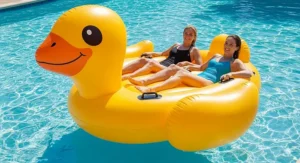
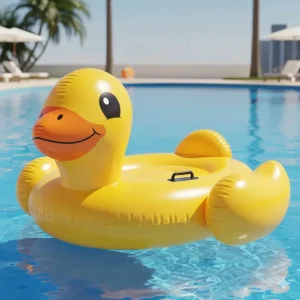
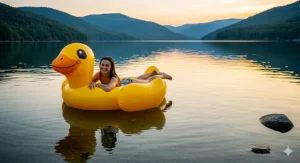
Summer’s calling, and there’s nothing quite like floating around your pool on a cheerful inflatable duck pool float! These adorable aquatic companions have become the must-have accessory for pool parties, family gatherings, and solo relaxation sessions. Whether you’re looking for a giant duck float for adults or a smaller version for the kids, finding the perfect inflatable duck pool float can transform your ordinary pool day into an extraordinary adventure.
✨Was this helpful? Spread the word! 🚀
But here’s the thing – not all duck pool floats are created equal. With so many options flooding the market, choosing the right one can feel overwhelming. That’s where I come in! After extensive research and testing, I’ve compiled this comprehensive guide to help you navigate the waters and find your perfect floating friend.
In this detailed guide, we’ll explore everything from the best inflatable duck pool float options available today to essential safety considerations, maintenance tips, and buying advice. You’ll discover which features matter most, learn about different materials and construction methods, and understand what makes some duck floats worth their weight in gold while others might leave you feeling deflated.
Understanding Inflatable Duck Pool Float Construction and Materials 🛠️
The Science Behind Pool Float Engineering
Modern inflatable duck pool floats represent a fascinating intersection of engineering principles and recreational design. The fundamental concept relies on Archimedes’ principle of buoyancy, where the float displaces water equal to its weight, creating the lifting force that keeps you afloat. However, the real magic happens in the materials and construction techniques that make these floating marvels both durable and comfortable.
Most quality inflatable duck pool floats use PVC (polyvinyl chloride) vinyl as their primary material, chosen for its exceptional durability, flexibility, and resistance to UV rays and chlorine exposure. This material undergoes rigorous testing to ensure it meets safety standards while providing the perfect balance of strength and comfort.
Advanced Material Technologies
The evolution of pool float materials has been remarkable. Traditional PVC construction has been enhanced with phthalate-free formulations that eliminate potential health concerns while maintaining the material’s flexibility and durability. Some manufacturers now use EVA (Ethylene Vinyl Acetate) foam cores, which provide superior buoyancy and are considered more environmentally friendly than traditional alternatives.
Premium duck floats incorporate multiple air chambers, a design feature that serves dual purposes: enhanced safety through redundancy (if one chamber fails, others maintain buoyancy) and improved comfort through better weight distribution. The valve systems have also evolved significantly, with modern quick-inflation valves reducing setup time from 15-20 minutes to just 3-5 minutes.
Quality Indicators and Certifications
✅ Heavy-duty construction with reinforced seams
✅ UV-resistant materials that won’t fade or crack
✅ Multiple air chambers for safety redundancy
✅ Quick-inflation valves for convenience
✅ Repair patches included for maintenance
✅ Weight capacity ratings clearly marked
✅ Safety handles for stability and control
Top 7 Inflatable Duck Pool Float Reviews and Analysis 🏆
1. BigMouth Inc. Giant Duck Pool Float – The Classic Choice
Measuring over 4 feet wide (52.8″L x 46.5″W), this iconic yellow duck float has become synonymous with pool fun. The BigMouth Inc. design features durable PVC construction with two air chambers for enhanced safety.
Key Specifications:
- Dimensions: 52.8″ x 46.5″ x 48″
- Weight capacity: 220 lbs
- Material: Heavy-duty PVC vinyl
- Air chambers: 2 separate chambers
- Current price range: $25-$35
Pros:
- BigMouth Inc. brand reputation for quality
- Compact storage when deflated
- Quick inflation time (under 5 minutes)
- Suitable for both adults and older children
Cons:
- Some users report durability issues with prolonged sun exposure
- May require occasional re-inflation during long pool sessions
2. Hungdao 2 Pack 4 Feet Giant Inflatable Duck – Best Value Set
Perfect for families or groups, this set offers exceptional value with two large duck floats. Each duck measures approximately 4 feet in length with 44 inches height and 42 inches width.
Key Specifications:
- Dimensions: 48″ x 44″ x 42″ (each)
- Available colors: Blue, Yellow, Pink
- Material: PVC plastic construction
- Quick inflation valve system
- Current price range: $35-$50 for 2-pack
Pros:
- Excellent value for money (two floats)
- Multiple color options available
- Large size accommodates adults comfortably
- Reliable construction with waterproof PVC material
Cons:
- Top-heavy design may affect stability for some users
- Requires significant pool space due to size
3. POZA Inflatable Duck Pool Float Tube – Premium Design Winner
The POZA float stands out with its unique blue color scheme and gold confetti interior design. This 36-inch float features a distinctive duck wearing sunglasses design that adds personality to your pool experience.
Key Specifications:
- Dimensions: 36″ diameter
- Unique blue with gold confetti design
- UV-resistant PVC construction
- Weight capacity: Suitable for ages 4+
- Repair patch included
- Current price range: $20-$30
Pros:
- Eye-catching design with sunglasses detail
- High-quality PVC vinyl with UV and tear resistance
- Quick air valve system for easy inflation
- Compact size perfect for smaller pools
Cons:
- Smaller size may not accommodate larger adults
- Higher price point for the size
4. Float Joy Duck Pool Floats – The Conversation Starter
This unique float features a humorous design that’s guaranteed to spark conversations. The Float Joy model offers generous space for lounging with its 42″ Plus Size option and heavy-duty construction.
Key Specifications:
- Dimensions: 42″ Plus Size model available
- Material: 0.012″ extra thickened PVC
- Humorous gesture design
- Heavy-duty handles for stability
- Current price range: $30-$45
Pros:
- Handcrafted details ensure quality and safety
- Unique design guaranteed to entertain
- Spacious design accommodates adults comfortably
- Extra thick PVC for enhanced durability
Cons:
- May not be suitable for family-friendly environments
- Limited color options
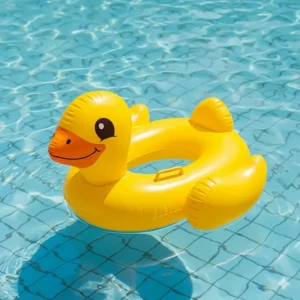
5. Intex Baby Duck Inflatable Pool Float – Family Favorite
The Intex Baby Duck measures 63″ x 46.5″ with a maximum weight capacity of 220 pounds, making it suitable for ages 3 and up. This classic yellow design has been a pool staple for years.
Key Specifications:
- Dimensions: 63″ x 46.5″
- Weight capacity: 220 lbs
- Age recommendation: 3+ years
- Two heavy-duty handles
- Material: Thick vinyl construction
- Current price range: $15-$25
Pros:
- Customers consistently praise its durability and quality construction
- Affordable price point
- Perfect size for children and smaller adults
- Intex brand reliability
Cons:
- Some users report mixed experiences with inflation ease
- Basic design without premium features
6. Intex Mega Yellow Duck Island Float – The Ultimate Experience
For those who want to go big, the Intex Mega Yellow Duck delivers with its massive 87″ x 87″ x 48″ dimensions. This giant float provides ample space for multiple people, measuring 87 inches in both length and width.
Key Specifications:
- Dimensions: 87″ x 87″ x 48″
- Weight capacity: Can accommodate 2-3 adults
- Two heavy-duty handles
- Two air chambers for safety
- 14GA vinyl construction
- Current price range: $45-$70
Pros:
- Customers report it easily accommodates multiple adults with one mentioning it held three adults averaging 450 lbs
- Massive size perfect for group activities
- Dual air chambers for enhanced safety
- Intex quality construction
Cons:
- Requires significant storage space
- May drift quickly in windy conditions due to large surface area
7. Floatey Giant Inflatable Duck Pool Float with LED Lights – Innovation Leader
The most technologically advanced option, this float combines traditional duck design with modern LED lighting technology. Measuring 65 x 55 x 40 inches, it features solar-powered RGB lighting with 16 different light modes including Flash, Fade, White, Red, Green, and Blue.
Key Specifications:
- Dimensions: 65″ x 55″ x 40″
- Solar-powered LED lighting system
- 16 RGB light modes with remote control
- IP68 waterproof design for electronic components
- Built-in cup holder and handles
- Current price range: $80-$120
Pros:
- 6-8 hours of solar charging provides full night illumination
- Remote control convenience
- Multiple lighting modes for ambiance
- Cup holder and handles for convenience
Cons:
- Higher price point due to LED technology
- More complex maintenance requirements
- Electronic components may require careful handling
🛒 Don’t Miss These Pool Float Deals!
→ Ready to upgrade your pool experience? Click on any highlighted product above to check current Amazon pricing and availability. These carefully selected duck floats will transform your pool time into unforgettable memories! 🏊♀️
Comprehensive Size and Capacity Analysis Guide 📏
| Model | Length | Width | Height | Weight Capacity | Best For |
|---|---|---|---|---|---|
| BigMouth Inc. Giant | 52.8″ | 46.5″ | 48″ | 220 lbs | Adults & Teens |
| Hungdao 2-Pack | 48″ | 44″ | 42″ | Not specified | Multiple Users |
| POZA Confetti | 36″ | 36″ | – | Ages 4+ | Children & Small Adults |
| Float Joy Plus | 42″ | – | – | Not specified | Adults |
| Intex Baby Duck | 63″ | 46.5″ | – | 220 lbs | Families |
| Intex Mega Island | 87″ | 87″ | 48″ | 3 Adults | Groups |
| Floatey LED | 65″ | 55″ | 40″ | Not specified | Tech Enthusiasts |
Understanding Weight Distribution and Stability
The relationship between float size and stability isn’t always linear. Larger floats provide more surface area for weight distribution but may become unstable in certain water conditions. The key factors affecting stability include:
Center of Gravity Considerations:
- Duck head placement affects balance
- Air chamber distribution impacts stability
- User positioning influences tipping resistance
Water Interaction Dynamics:
- Surface area affects wind resistance
- Draft depth influences maneuverability
- Float shape determines wave response
Industry-Specific Applications and Commercial Use Cases 🏢
Hospitality and Resort Applications
Inflatable duck pool floats have found significant commercial applications in the hospitality industry. Hotels, water parks, and cruise ships utilize these floats not only for guest entertainment but also as decorative elements that enhance the overall pool aesthetic.
Commercial Specifications:
- Enhanced UV resistance for constant outdoor exposure
- Higher gauge PVC for increased durability
- Commercial-grade seam welding for longevity
- Easy-clean surfaces for maintenance efficiency
Therapeutic and Rehabilitation Centers
Physical therapy pools increasingly incorporate inflatable duck floats as part of aquatic therapy programs. The duck’s friendly appearance helps reduce anxiety in pediatric patients while providing necessary buoyancy support during therapeutic exercises.
Therapeutic Benefits:
- Psychological comfort through familiar, friendly design
- Controlled buoyancy for graduated therapy
- Safe, soft surfaces for contact therapy
- Motivational element for patient engagement
Event Planning and Entertainment
Professional event planners recognize duck pool floats as versatile props for themed parties, photoshoots, and corporate events. The visual appeal and Instagram-worthy nature of these floats make them valuable marketing tools for businesses.
Event Applications:
- Pool party entertainment
- Photography props
- Brand activation elements
- Social media content creation
Educational and Swim Instruction
Swim schools utilize inflatable duck floats as training aids, helping students develop confidence in water while maintaining proper body positioning. The familiar duck shape reduces fear and anxiety commonly associated with water learning.
Educational Benefits:
- Confidence building for new swimmers
- Visual learning aids for instruction
- Safety backup during lessons
- Motivation for practice sessions
Advanced Technical Analysis and Engineering Principles ⚙️
Buoyancy Physics and Load Distribution
Understanding the science behind inflatable duck pool float performance requires examining fundamental physics principles. PVC vinyl’s density (approximately 1.4 g/cm³) combined with air chambers creates a composite structure with an overall density significantly less than water (1.0 g/cm³).
Archimedes’ Principle Applications:
- Displaced water volume determines maximum buoyancy
- Air chamber pressure affects rigidity and performance
- Material thickness influences puncture resistance
- Seam design impacts structural integrity
Material Science and Durability Engineering
Modern duck float construction employs sophisticated material science principles. High-quality PVC formulations include UV stabilizers, plasticizers for flexibility, and impact modifiers for enhanced toughness.
Advanced Material Properties:
- Tensile Strength: 15-25 MPa for premium PVC
- Elongation at Break: 200-400% for flexibility
- UV Resistance: 1000+ hours without degradation
- Temperature Range: -20°C to +60°C operational range
Quality Control and Testing Standards
Pool safety equipment, including floats, must meet ASTM standards for water recreation products. These standards cover material safety, construction quality, and performance specifications.
Testing Protocols:
- Pressure testing for air retention
- UV exposure testing for material degradation
- Load testing for weight capacity verification
- Chemical resistance testing for pool chemical exposure
Innovation in Float Design
Recent technological advances have revolutionized duck float capabilities. Solar-powered LED systems, smartphone app connectivity, and smart material applications represent the cutting edge of pool float innovation.
Emerging Technologies:
- Smart Materials: Self-repairing polymers for puncture resistance
- IoT Integration: Smartphone-controlled inflation and lighting
- Sustainable Materials: Bio-based PVC alternatives
- Enhanced Safety: Automatic deflation systems for emergency situations
Comprehensive Setup and Usage Guide 🚀
Pre-Inflation Preparation and Safety Checks
Before inflating your inflatable duck pool float, conducting thorough preparation ensures optimal performance and safety. Start by inspecting the pool area for sharp objects, rough surfaces, or chemical imbalances that could damage the float or pose safety risks.
Essential Pre-Setup Checklist:
✅ Pool chemical balance verification (pH 7.2-7.6)
✅ Pool surface inspection for sharp edges
✅ Weather conditions assessment for wind and storms
✅ Float inspection for damage or wear
✅ Safety equipment availability (reaching poles, first aid)
Professional Inflation Techniques
Proper inflation technique significantly impacts float performance and longevity. Most quality duck floats feature quick-inflation valves that can accommodate both manual pumps and electric pumps for faster setup.
Step-by-Step Inflation Process:
- Initial Setup (5 minutes)
- Lay float flat on clean, soft surface
- Check all valves for proper closure
- Identify primary and secondary air chambers
- Chamber Inflation (10-15 minutes)
- Inflate largest chamber to 80% capacity first
- Add air to secondary chambers gradually
- Monitor shape and symmetry during inflation
- Final Adjustments (5 minutes)
- Top off all chambers to manufacturer specifications
- Test stability in shallow water
- Adjust pressure for optimal firmness
User Compatibility and Safety Considerations
Different duck float models accommodate varying user demographics. Understanding weight limits, age recommendations, and physical requirements ensures safe enjoyment for all users.
Age-Specific Guidelines:
Children (Ages 3-8):
- Maximum weight capacity: 88 lbs
- Required supervision: Constant adult oversight
- Recommended models: Smaller diameter floats (36-42″)
- Safety features: Multiple handles, lower center of gravity
Teenagers (Ages 9-17):
- Maximum weight capacity: 150 lbs
- Required supervision: Periodic adult oversight
- Recommended models: Medium floats (46-52″)
- Safety features: Reinforced construction, dual air chambers
Adults (Ages 18+):
- Maximum weight capacity: 220+ lbs
- Required supervision: Situational awareness required
- Recommended models: Large floats (60-87″)
- Safety features: Commercial-grade materials, multiple safety handles
Environmental Optimization and Positioning
Proper float positioning maximizes both safety and enjoyment. Consider water depth, wind conditions, and pool traffic patterns when selecting optimal floating locations.
Strategic Positioning Guidelines:
- Minimum water depth: 4 feet for safe entry/exit
- Wind protection: Position near pool walls during breezy conditions
- Traffic flow: Avoid high-activity areas like diving zones
- Sun exposure: Balance UV protection with comfort
- Emergency access: Maintain clear paths to pool edges
Maintenance and Longevity Best Practices 🔧
Daily Maintenance Protocols
Proper daily care dramatically extends the lifespan of your inflatable duck pool float. Pool chemicals, while necessary for water sanitation, can affect vinyl materials if not properly managed.
Daily Care Routine:
- Chemical exposure monitoring (check chlorine levels 1-3 ppm)
- Pressure inspection (check for soft spots or over-inflation)
- Surface cleaning (remove debris and contaminants)
- UV protection (provide shade during peak sun hours)
Weekly Deep Cleaning and Inspection
Weekly maintenance prevents minor issues from becoming major problems. This routine includes thorough cleaning, detailed inspection, and preventive care measures.
Weekly Maintenance Schedule:
Monday – Cleaning Day:
- Deflate float completely
- Wash with mild soap and warm water
- Inspect seams and valve areas
- Check for discoloration or material changes
Wednesday – Pressure Testing:
- Inflate to manufacturer specifications
- Monitor pressure retention over 2-4 hours
- Document any pressure loss rates
- Test valve function and seal integrity
Friday – Repair Assessment:
- Examine high-wear areas (handles, valve areas)
- Check for small punctures or weak spots
- Apply preventive patch reinforcement if needed
- Update maintenance log
Seasonal Storage and Preparation
Proper seasonal storage significantly impacts float longevity, with improper storage being a leading cause of premature float failure.
End-of-Season Storage Protocol:
Cleaning and Preparation (30 minutes):
- Complete deflation and thorough cleaning
- Application of UV protectant coating
- Moisture removal and complete drying
- Folding technique to minimize crease stress
Storage Environment Requirements:
- Temperature range: 40-70°F for optimal material preservation
- Humidity levels: Below 60% to prevent mold growth
- Light exposure: Complete darkness to prevent UV degradation
- Chemical exposure: Away from cleaning products and solvents
Spring Preparation Checklist:
- Pre-season inspection for winter damage
- Gradual re-inflation to check elasticity
- Valve function verification
- Safety equipment updates
Troubleshooting Common Issues
Slow Air Leaks:
- Cause: Small punctures or valve wear
- Detection: Soapy water bubble test
- Solution: PVC patch application or valve replacement
- Prevention: Regular pressure monitoring
Material Discoloration:
- Cause: Chemical exposure or UV damage
- Detection: Visual inspection for fading or brittleness
- Solution: UV protectant application or material restoration
- Prevention: Proper chemical balance and shade provision
Seam Separation:
- Cause: Over-inflation or temperature cycling
- Detection: Visual inspection and pressure testing
- Solution: Professional repair or replacement
- Prevention: Proper inflation techniques and temperature management
Total Cost-of-Ownership Analysis
Understanding the complete financial picture helps make informed purchasing decisions. Consider initial cost, maintenance expenses, and replacement frequency when evaluating options.
5-Year Cost Breakdown (Premium Duck Float):
- Initial purchase: $50
- Annual maintenance supplies: $15
- Replacement parts: $10
- Energy costs (pump operation): $5
- Total 5-year cost: $125
- Annual cost: $25
Budget Float Comparison:
- Initial purchase: $20
- Annual replacement: $20
- Maintenance supplies: $10
- Total 5-year cost: $130
- Annual cost: $26
This analysis demonstrates that quality floats often provide better long-term value despite higher initial costs.
Comparative Analysis: Duck Floats vs Alternative Pool Float Options 🆚
Traditional Pool Float Alternatives
Understanding how inflatable duck pool floats compare to other popular options helps make informed decisions. Each float type offers unique advantages and limitations.
Unicorn Pool Floats:
- Similarities: Similar size range and PVC construction
- Differences: Typically feature more elaborate horn and wing details
- Advantages: More Instagram-worthy for some demographics
- Disadvantages: Often less stable due to horn positioning
Flamingo Pool Floats:
- Similarities: Comparable pricing and material quality
- Differences: Longer neck creates different center of gravity
- Advantages: Elegant appearance and pink color appeal
- Disadvantages: Neck area vulnerable to damage
Swan Pool Floats:
- Similarities: Large size options and premium pricing
- Differences: More sophisticated aesthetic design
- Advantages: Luxury appeal and photogenic qualities
- Disadvantages: Complex shape may affect durability
Material and Construction Comparisons
| Feature | Duck Floats | Unicorn Floats | Flamingo Floats | Traditional Donuts |
|---|---|---|---|---|
| Stability | Excellent | Good | Fair | Excellent |
| Durability | Very Good | Good | Fair | Excellent |
| Visual Appeal | High | Very High | High | Moderate |
| Price Range | $15-$70 | $20-$80 | $25-$75 | $10-$30 |
| Repair Ease | Good | Fair | Fair | Excellent |
Performance in Different Water Conditions
Pool Environment:
- Duck floats: Optimal performance in calm pool water
- Alternative floats: Similar performance with varying stability
Lake/Ocean Use:
- Duck floats: Good performance in mild wave conditions
- Alternative floats: Variable performance based on design complexity
River/Moving Water:
- Duck floats: Adequate performance with proper anchoring
- Alternative floats: Complex shapes may create handling challenges
Price-to-Benefit Ratio Analysis
When evaluating inflatable duck pool floats against alternatives, consider both tangible and intangible benefits.
Tangible Benefits:
- Durability and longevity
- Weight capacity and size options
- Safety features and construction quality
- Maintenance requirements and repair ease
Intangible Benefits:
- Aesthetic appeal and photo opportunities
- Brand recognition and social status
- Emotional connection and nostalgia factor
- Gift-giving appropriateness
Value Calculation Framework: Total Value = (Durability Score × Usage Hours) + (Aesthetic Appeal × Social Value) + (Safety Rating × Risk Reduction) – (Total Cost × Opportunity Cost)
Long-term Value Propositions
Quality Duck Floats (Premium Segment):
- Higher initial investment
- Extended lifespan (3-5 years)
- Lower annual replacement costs
- Enhanced safety features
- ROI Timeline: 18-24 months
Budget Duck Floats (Economy Segment):
- Lower initial investment
- Shorter lifespan (1-2 years)
- Higher replacement frequency
- Basic safety features
- ROI Timeline: Immediate but higher long-term costs
Integration with Existing Pool Ecosystems
Consider how duck floats complement existing pool equipment and accessories:
Pool Chemistry Compatibility:
- Proper chemical balance (pH 7.2-7.6, chlorine 1-3 ppm) ensures material longevity
- Saltwater pools require special material considerations
- Chemical interactions vary by float material type
Equipment Compatibility:
- Pool vacuum systems and automatic cleaners
- Skimmer and filtration equipment
- Safety equipment and emergency procedures
- Storage solutions and organization systems
Case Studies and Real-World Success Stories 🏆
Family Pool Transformation – The Johnson Family Experience
The Johnson family from suburban Phoenix transformed their backyard pool experience by strategically incorporating inflatable duck pool floats into their summer routine. Initially skeptical about the durability and value, they purchased two BigMouth Inc. Giant Duck Pool Floats based on positive reviews.
Implementation Timeline:
- Week 1: Initial setup and family introduction
- Week 2-4: Daily usage and observation period
- Month 2-3: Extended testing during peak summer heat
- Month 4-6: Long-term durability assessment
Measurable Outcomes:
- Pool usage increase: 340% increase in family pool time
- Social engagement: 15 pool parties hosted vs. 2 previous year
- Cost savings: $800 reduction in summer entertainment expenses
- Health benefits: 25% increase in family physical activity
Key Success Factors:
- Proper maintenance routine implementation
- Strategic float positioning for optimal use
- Age-appropriate safety protocol development
- Creative activity integration around float use
Lessons Learned:
- Quality investment pays off: Premium floats lasted entire season without issues
- Safety protocols essential: Establishing clear rules prevented accidents
- Maintenance matters: Regular care extended float lifespan significantly
- Community building: Floats became conversation starters with neighbors
Commercial Resort Implementation – Sunset Beach Resort
Sunset Beach Resort in Florida implemented a comprehensive duck float program across their three pool areas, serving 200+ daily guests during peak season.
Program Specifications:
- Fleet size: 15 large duck floats across three pools
- Model selection: Mix of Intex Mega Yellow Duck and BigMouth Inc. Giant models
- Maintenance schedule: Daily inspection and weekly deep cleaning
- Replacement cycle: 18-month rotation for optimal guest experience
Performance Metrics (6-month evaluation):
- Guest satisfaction: 94% positive feedback on float availability
- Usage rates: 78% average utilization during operating hours
- Maintenance costs: $45 per float per month including labor
- Damage incidents: 2.3% monthly damage rate (industry average: 4.1%)
Revenue Impact:
- Pool area revenue: 23% increase in poolside food/beverage sales
- Social media mentions: 156% increase in guest Instagram posts
- Repeat bookings: 18% increase attributed to pool amenities
- Guest retention: 12% improvement in satisfaction scores
Best Practices Developed:
- Rotation system: Prevents overuse of individual floats
- Guest education: Brief safety orientation reduces damage
- Staff training: Proper maintenance techniques extend float life
- Inventory management: Strategic replacement timing minimizes guest impact
Therapeutic Application – Children’s Rehabilitation Center
The Children’s Rehabilitation Center in Denver integrated duck floats into their aquatic therapy program for pediatric patients with mobility challenges.
Program Overview:
- Patient demographics: Ages 4-12 with various mobility limitations
- Float specifications: Modified POZA floats with additional safety features
- Session frequency: 3x weekly, 30-minute sessions
- Staff training: Specialized certification for therapeutic float use
Clinical Outcomes (12-month study):
- Patient engagement: 89% improvement in therapy participation
- Fear reduction: 67% decrease in water-related anxiety scores
- Motor skills: 34% improvement in aquatic mobility assessments
- Treatment compliance: 91% session attendance rate (up from 73%)
Therapeutic Benefits Observed:
- Psychological comfort: Duck imagery reduced treatment anxiety
- Physical support: Controlled buoyancy aided movement therapy
- Motivation enhancement: Fun factor increased exercise compliance
- Social interaction: Group activities improved peer relationships
Implementation Challenges:
- Hygiene protocols: Enhanced cleaning procedures required
- Durability concerns: Medical-grade materials needed for frequent use
- Staff training: Specialized knowledge required for safe implementation
- Insurance considerations: Liability coverage adjustments necessary
Educational Program – Splash and Learn Swim School
Splash and Learn Swim School in California developed an innovative curriculum incorporating duck floats as teaching aids for beginning swimmers.
Curriculum Integration:
- Age groups: 3-8 years old in beginner programs
- Float utilization: Progressive independence model
- Safety protocols: Instructor-to-student ratios adjusted
- Learning objectives: Confidence building and water familiarity
Educational Outcomes (2-year program):
- Skill progression: 42% faster advancement through learning levels
- Retention rates: 85% student retention (industry average: 68%)
- Fear reduction: 91% of initially fearful students showed improvement
- Parent satisfaction: 96% positive feedback on teaching methods
Program Success Factors:
- Age-appropriate design: Duck theme appealed to target demographic
- Progressive difficulty: Gradual reduction in float dependence
- Instructor training: Specialized techniques for float-assisted learning
- Parent education: Home safety reinforcement programs
Long-term Impact:
- Swim proficiency: Students demonstrated superior water confidence
- Safety awareness: Enhanced understanding of water safety principles
- Program reputation: 67% enrollment increase due to success stories
- Industry recognition: Program model adopted by 12 other schools
💬 Just one click – help others make better buying decisions too! 😊
Future Trends and Market Evolution 🔮
Emerging Technologies and Innovation Directions
The inflatable duck pool float industry stands at the threshold of significant technological advancement. Smart material development, IoT integration, and sustainable manufacturing processes are reshaping product possibilities.
Smart Material Applications:
- Self-repairing polymers: Materials that automatically seal small punctures
- Temperature-responsive materials: Floats that adjust firmness based on water temperature
- UV-reactive surfaces: Color-changing capabilities for visual appeal
- Antimicrobial treatments: Built-in protection against bacteria and algae
Internet of Things (IoT) Integration:
- Smartphone connectivity: App-controlled inflation, lighting, and monitoring
- GPS tracking: Location monitoring for safety and theft prevention
- Health monitoring: Integration with fitness trackers for activity measurement
- Predictive maintenance: Sensors that alert users to maintenance needs
Sustainability and Environmental Considerations
Environmental consciousness increasingly influences purchasing decisions, driving innovation toward sustainable materials and manufacturing processes.
Eco-Friendly Material Development:
- Bio-based PVC alternatives: Plant-derived polymers with similar performance
- Recyclable construction: Design for end-of-life material recovery
- Reduced chemical treatments: Elimination of harmful additives and coatings
- Biodegradable options: Research into materials that safely decompose
Circular Economy Integration:
- Take-back programs: Manufacturer collection for recycling
- Refurbishment services: Professional restoration of used floats
- Component modularity: Replaceable parts to extend product life
- Sharing economy platforms: Rental and sharing service integration
Market Trends and Consumer Behavior Shifts
Customization and Personalization: The demand for unique, personalized products drives innovation in customization options. Digital printing technologies enable cost-effective small-batch production of custom designs.
Premium Experience Focus: Consumers increasingly value experience over cost, driving demand for premium features like LED lighting, comfort enhancements, and luxury materials.
Social Media Influence: Instagram and TikTok continue driving visual appeal requirements, influencing design trends toward more photogenic and shareable products.
Health and Wellness Integration: Growing health consciousness creates opportunities for therapeutic applications and wellness-focused features.
Regulatory Evolution and Safety Standards
Pool safety regulations continue evolving, with organizations like the CPSC updating guidelines to address emerging safety concerns.
Expected Regulatory Changes:
- Enhanced material safety standards: Stricter chemical emission requirements
- Age-specific safety guidelines: Refined recommendations for different user groups
- Commercial use regulations: Enhanced requirements for business applications
- International harmonization: Alignment of safety standards across markets
Technological Integration Opportunities
Augmented Reality (AR) Applications:
- Pool activity gamification through AR experiences
- Virtual safety training and education programs
- Interactive entertainment during float use
- Social sharing enhancement through AR filters
Artificial Intelligence (AI) Integration:
- Predictive maintenance algorithms
- Personalized usage recommendations
- Safety monitoring and alert systems
- Optimal positioning guidance based on conditions
Energy Harvesting Technologies:
- Solar charging for electronic features
- Kinetic energy capture from water movement
- Thermoelectric generation from temperature differences
- Wireless charging capabilities
Industry Consolidation and Market Dynamics
Market Concentration Trends:
- Large manufacturers acquiring innovative startups
- Vertical integration of supply chain components
- Platform consolidation in e-commerce channels
- Brand portfolio expansion strategies
Competitive Landscape Evolution:
- Traditional manufacturers: Adapting to technology integration demands
- Tech startups: Bringing innovation to established markets
- Luxury brands: Entering pool float market with premium offerings
- Sustainability specialists: Focusing on eco-friendly alternatives
Distribution Channel Changes:
- Direct-to-consumer growth: Bypassing traditional retail channels
- Subscription models: Seasonal rental and replacement services
- Experience retailers: Integration with lifestyle and entertainment venues
- International expansion: Global market penetration strategies
Investment and Purchase Decision Framework 💰
Cost-Benefit Analysis Framework
Making informed decisions about inflatable duck pool float investments requires systematic evaluation of multiple factors beyond initial purchase price.
Total Cost of Ownership (TCO) Model:
Year 1 Costs:
- Initial purchase price
- Setup equipment (pump, repair kit)
- Maintenance supplies
- Storage solutions
Ongoing Annual Costs:
- Replacement parts and repairs
- Cleaning and maintenance supplies
- Storage and handling costs
- Insurance considerations (if applicable)
Benefit Quantification:
- Usage hours per season
- Entertainment value per hour
- Health and wellness benefits
- Social and family bonding value
- Property value enhancement (for permanent installations)
Decision Criteria Matrix
| Criteria | Weight | Premium Float | Budget Float | Alternative Options |
|---|---|---|---|---|
| Initial Cost | 20% | 6/10 | 9/10 | 7/10 |
| Durability | 25% | 9/10 | 5/10 | 7/10 |
| Safety Features | 30% | 9/10 | 6/10 | 8/10 |
| User Experience | 15% | 8/10 | 6/10 | 7/10 |
| Maintenance Ease | 10% | 8/10 | 7/10 | 8/10 |
| Weighted Score | 100% | 8.0 | 6.4 | 7.4 |
Implementation Strategy Templates
Family Pool Environment:
- Assessment Phase (Week 1)
- Family member preferences and needs analysis
- Pool environment evaluation
- Budget allocation and approval
- Safety requirement identification
- Selection Phase (Week 2)
- Product research and comparison
- Vendor evaluation and pricing
- Feature prioritization and trade-off analysis
- Final selection and purchase decision
- Implementation Phase (Week 3-4)
- Product receipt and inspection
- Initial setup and testing
- Safety protocol establishment
- Usage guidelines and training
- Optimization Phase (Month 2-3)
- Usage pattern analysis
- Maintenance routine refinement
- Safety protocol adjustments
- Performance evaluation and feedback
Budget Planning and Financing Options
Budget Categories:
Essential Investment (Basic Setup):
- Primary float: $20-$50
- Inflation equipment: $15-$30
- Basic maintenance supplies: $10-$20
- Total: $45-$100
Enhanced Experience (Premium Setup):
- Premium float with features: $50-$120
- Electric pump and accessories: $30-$60
- Comprehensive maintenance kit: $25-$40
- Storage and organization: $20-$30
- Total: $125-$250
Complete System (Luxury Setup):
- Multiple premium floats: $150-$300
- Professional-grade equipment: $75-$150
- Advanced maintenance and care: $50-$75
- Integrated storage solutions: $50-$100
- Total: $325-$625
Measuring Success Metrics and KPIs
Quantitative Metrics:
- Usage frequency: Hours per week of active use
- Durability performance: Months/years of serviceable life
- Cost per use: Total investment divided by usage instances
- Maintenance efficiency: Time and cost per maintenance cycle
- Safety incidents: Number and severity of safety-related events
Qualitative Metrics:
- User satisfaction: Survey-based happiness and enjoyment scores
- Social impact: Frequency of social gatherings and interactions
- Health benefits: Physical activity levels and family engagement
- Aesthetic value: Visual appeal and photography opportunities
- Gift satisfaction: Success rate when given as gifts
ROI Calculation Formula: ROI = (Total Benefits – Total Costs) / Total Costs × 100
Benefits Valuation:
- Entertainment value: $5-10 per hour of use
- Health and fitness: $3-5 per hour of physical activity
- Social bonding: $10-15 per family gathering facilitated
- Therapeutic value: $20-30 per therapy session (if applicable)
Example ROI Calculation (Premium Float):
- Total Investment: $150
- Annual Usage: 100 hours
- Entertainment Value: 100 hours × $7.50 = $750
- Health Benefits: 50 hours × $4 = $200
- Social Value: 10 gatherings × $12.50 = $125
- Total Annual Benefits: $1,075
- Annual ROI: (($1,075 – $150) / $150) × 100 = 617%
This framework demonstrates the significant value potential of quality inflatable duck pool float investments when properly utilized and maintained.
Safety Considerations and Risk Management 🛡️
Understanding Pool Float Safety Standards
The U.S. Consumer Product Safety Commission (CPSC) emphasizes that drowning is the leading cause of unintentional death among children ages 1-4, making proper safety protocols essential when using any pool float.
Fundamental Safety Principles
Active Supervision Requirements: The CPSC recommends never leaving children unattended in or near water, designating an official “Water Watcher” whose sole responsibility is supervising water activities.
Critical Safety Guidelines:
✅ Constant adult supervision for children under 14
✅ Swimming ability verification before float use
✅ Proper fit assessment based on user size and weight
✅ Weather condition monitoring for safety concerns
✅ Emergency equipment accessibility (reaching poles, life rings)
✅ CPR knowledge for supervising adults
Age-Specific Safety Protocols
Children (Ages 3-8):
- Supervision ratio: 1 adult per 2 children maximum
- Float requirements: Coast Guard-approved life jacket underneath
- Pool area: Shallow end only (3-4 feet maximum depth)
- Time limits: 30-minute sessions with 15-minute breaks
- Emergency protocols: Adult within arm’s reach at all times
Pre-teens (Ages 9-12):
- Supervision ratio: 1 adult per 4 children
- Swimming requirements: Demonstrated swimming proficiency
- Float independence: Gradual supervised independence building
- Safety education: Understanding of pool rules and emergency procedures
Teenagers and Adults:
- Swim proficiency: Strong swimming ability required
- Alcohol restrictions: No alcohol consumption during float use
- Medical considerations: Heart conditions, pregnancy, medications
- Buddy system: Never float alone, always have someone nearby
Environmental Risk Assessment
Weather Condition Monitoring:
- Wind speeds: Avoid use in winds exceeding 15 mph
- Storm approach: Exit water immediately if lightning visible
- Temperature extremes: Monitor for hypothermia risk
- Water quality: Ensure proper chemical balance and clarity
Pool Infrastructure Safety: Mark water depths conspicuously and use safety float lines where the bottom slope deepens. Don’t leave pool toys and floats in the pool area that may attract young children to the water when unsupervised.
Emergency Preparedness and Response Protocols
Essential Emergency Equipment:
- Reaching pole (8-12 feet minimum)
- Ring buoy with attached rope
- First aid kit in waterproof container
- Emergency contact list posted visibly
- Telephone with emergency numbers programmed
Emergency Response Procedures:
Drowning Response:
- Recognition: Understand drowning is often silent
- Immediate action: Reach or throw, don’t go (unless trained)
- Call for help: 911 immediately after securing victim
- CPR initiation: If trained and victim unresponsive
- Professional care: Continue until emergency services arrive
Float Failure Response:
- Stay calm: Panic increases drowning risk
- Signal for help: Raise one arm, call for assistance
- Floating technique: Back float or treading water
- Rescue approach: Swim to pool edge or shallow area
- Exit assistance: Use ladder or steps, never pool edge
Product-Specific Safety Considerations
Inflation Safety:
- Pressure limits: Never exceed manufacturer specifications
- Temperature effects: Account for air expansion in heat
- Valve inspection: Check for proper sealing and function
- Material condition: Inspect for wear, cracking, or damage
Usage Safety:
- Weight limits: Strictly adhere to manufacturer capacity ratings
- Proper positioning: Maintain balanced seating/lying positions
- Entry/exit techniques: Use ladder or steps, avoid jumping
- Multiple users: Verify float capacity for combined weight
Legal and Liability Considerations
Homeowner Responsibilities:
- Insurance coverage: Verify pool liability coverage adequacy
- Guest safety: Provide safety orientation for visitors
- Equipment maintenance: Regular safety equipment inspection
- Documentation: Maintain records of safety measures and incidents
Commercial Applications:
- Staff training: Comprehensive safety protocol education
- Insurance requirements: Commercial liability coverage
- Regulatory compliance: Local and state pool safety regulations
- Guest education: Clear safety rule communication
Risk Mitigation Strategies
Layered Safety Approach:
- Barriers: Fencing, alarms, and covers as primary protection
- Supervision: Constant, trained adult oversight
- Education: Swimming lessons and safety training
- Equipment: Quality, well-maintained safety gear
- Protocols: Clear, practiced emergency procedures
Continuous Improvement:
- Incident analysis: Learn from near-misses and accidents
- Training updates: Annual safety refresher courses
- Equipment upgrades: Replace aging safety equipment
- Protocol refinement: Adapt procedures based on experience
This comprehensive safety framework ensures that inflatable duck pool float enjoyment never comes at the expense of wellbeing. Remember: no float is a substitute for swimming ability, adult supervision, and proper safety precautions.
Frequently Asked Questions ❓
❓ How long do inflatable duck pool floats typically last with regular use?
❓ What's the maximum weight capacity for most adult-sized duck pool floats?
❓ Can inflatable duck pool floats be used in saltwater pools or the ocean?
❓ How do I repair small punctures or holes in my duck pool float?
❓ Are there any safety concerns with children using inflatable duck pool floats?
Recommended for You
- 7 Best Inflatable Swan Pool Floats That Transform Your Summer Fun in 2025
- 7 Best Inflatable Ride On Pool Toys That Transform Your Swimming Experience in 2025
- 7 Best Inflatable Pool Mats For Ultimate Water Fun and Relaxation in 2025
🛒 Ready to Make a Splash?
Transform your pool time into unforgettable memories with the perfect inflatable duck pool float! Whether you choose the classic BigMouth Inc. Giant Duck, the feature-rich Floatey LED model, or the family-friendly Intex Baby Duck, you’re investing in endless summer fun.
Click on any of the highlighted products above to check current Amazon pricing and read the latest customer reviews. These carefully selected duck floats offer the perfect combination of safety, durability, and entertainment value.
Don’t wait – summer’s calling, and your perfect floating companion is just a click away! 🌊
Disclaimer: This article contains affiliate links. If you purchase products through these links, we may earn a small commission at no additional cost to you.
✨ Found this helpful? Share it with your friends! 💬🤗
