
In This Article
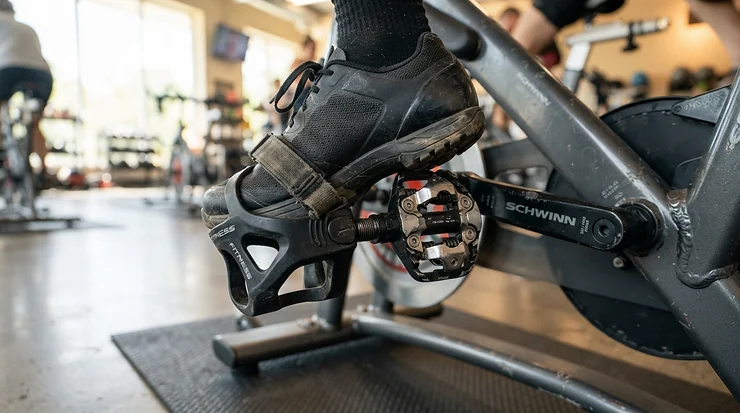
Picture the classic household standoff. One person owns stiff-soled cycling shoes and wants to clip in. Everyone else wears sneakers and just wants to go. One bike, two camps, and a pair of pedals that can please only one of them. Dual sided bike pedals exist to end that argument. You get a clip-in mechanism on one face and a flat platform or toe cage on the other, so a quick flip of the foot changes the whole personality of the ride. 🚴♂️
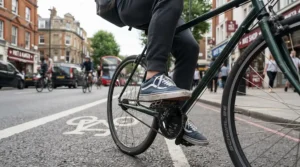
This isn’t only a gadget for gearheads. Commuters clip in for the open stretch, then flip to the flat side for stop-and-go city blocks. Home-gym riders share one spin bike between a cycling-shoe devotee and a flip-flop-wearing teenager. Hybrid bike pedals with a flat side let weekend riders pop out for coffee without clacking across the café floor like a tap dancer. That’s versatile pedal design earning its keep.
The catch is that spec sheets say very little about what any of this means in practice. So this guide compares seven real models by weight, platform feel, bearings, cleat compatibility and value, using published specs and the themes real reviewers keep repeating. I haven’t invented lab tests or fake owner stories. Prices appear as ranges only, so check current pricing before you buy.
Quick Comparison: Top 7 Dual Sided Bike Pedals at a Glance
| Pedal | Dual Design | Claimed Weight (Pair) | Price Range | Best For |
|---|---|---|---|---|
| Shimano PD-EH500 | SPD (light action) + flat | 383 g | $50-$75 | Commuters, indoor/outdoor crossover |
| Shimano PD-T8000 | SPD + pinned flat | 392 g | $90-$140 | Touring, trekking, big-platform fans |
| Shimano PD-M324 | SPD + flat | 533 g | $45-$70 | Durable, serviceable budget pick |
| BUCKLOS PD-M680 | SPD-compatible + flat | Not verified | Budget tier | Value-first hybrid riders |
| ROCKBROS Dual Function | SPD-compatible + flat | Not verified | Budget tier | Casual MTB and hybrid use |
| Wellgo WPD-E003 | SPD + toe cage | Not verified | Budget tier | Home spin bikes |
| BV Bike BV-PD8 | SPD/Look Delta cleats + removable cages | Not verified | Budget tier | Shared Peloton-style bikes |
Looking at the table, the three Shimano models are the only ones with published weights, and the spread is telling. The PD-EH500 and PD-T8000 sit within 10 g of each other, while the PD-M324 is about 150 g heavier per pair. The budget-tier pedals trade published specs for a lower price, which is fine if you accept less documentation. If you want the most refined flat side, the PD-T8000 is the standout. For shared spin bikes, the Wellgo WPD-E003 and BV Bike BV-PD8 are built for exactly that job.
💬 Just one click — help others make better buying decisions too!😊
What Are Dual Sided Bike Pedals?
Dual sided bike pedals are pedals with two different foot interfaces on opposite faces. Typically that means a two-bolt SPD clip-in mechanism on one side and a flat platform or toe cage on the other. They let you ride in cycling shoes or ordinary sneakers without swapping hardware, which suits commuting, indoor cycling, touring and shared household bikes.
The clip-in half comes from SPD, short for Shimano Pedaling Dynamics. According to Wikipedia’s SPD overview, Shimano released it in 1990, and its big idea was a small recessed cleat you can actually walk in. That walkability is why SPD became the default for the “ride, then wander” crowd. The same entry notes that Shimano’s road system, SPD-SL, uses a three-bolt cleat and is not compatible with SPD.
Two families matter for this guide:
- SPD plus flat platform: the classic hybrid bike pedals layout, suited to commuting, touring and casual trail riding.
- SPD and cage combination: built for exercise bikes, with a toe cage and strap on the sneaker side.
True double-sided SPD pedals, which clip in on both faces, are a different animal and don’t offer a platform at all.
Top 7 Dual Sided Bike Pedals: Expert Analysis
Every pick below is judged on what its specs mean in daily use, not just on what the manufacturer claims.
1. Shimano PD-EH500 — easy-entry “light action” clip-in
The headline feature is the light action SPD mechanism, which is meant to make engaging and releasing the cleat less effortful than a standard SPD, a gift if you’re still learning to trust your ankles.
Shimano’s published spec is 383 g per pair, with adjustable entry and release tension, a sealed cartridge axle unit, better flat-side grip than older designs, and SM-SH56 cleats in the box. In practice, that’s about 150 g lighter than the PD-M324, and a cartridge axle generally means less fiddling over the years.
Based on the spec comparison, it suits commuters and anyone moving between indoor cycling and the street. One caveat: a buyer Q&A on Amazon flags that the flat side can feel sketchy when you stand out of the saddle on a Peloton-style bike. A reviewer on a roundup site praised the smooth, solid clip-in feel but noted the flat side is smaller than standard MTB flats. Treat it as a “sit and spin” platform, not a stand-and-sprint one.
Pros:
- ✅ Light action engagement is beginner-friendly
- ✅ 383 g pair weight stays commuter-light
- ✅ Sealed cartridge axle keeps upkeep low
Cons:
- ❌ Flat side is modest for standing efforts
- ❌ Less pin grip than trekking-grade rivals
Expect a price in the $50-$75 range, which is strong value for a name-brand dual sided design.
2. Shimano PD-T8000 — the biggest, grippiest flat side
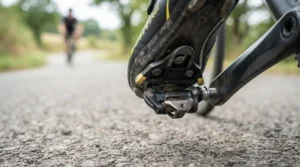
If the flat side matters to you as much as the clip-in side, the Deore XT trekking pedal is the one to look at first. Its platform is designed to be stood on, not merely tolerated.
Shimano lists 392 g per pair, though road.cc’s review put them at 425 g, still light enough for travel. The platform side has high-grip pins and concave cleat clearance, so your cleats don’t scrape the shoe sole when you ride flat. Add sealed cup-and-cone bearings that can be serviced, and an open, mud-shedding binding.
On paper that means a pedal built for long loaded tours and rainy commutes, where the flat side gets real use. Road.cc’s verdict called it versatile, well made and easy to maintain, and noted the pins let you customize the flat side’s grip. One eBay buyer described it as the largest dual sided pedal they could find from a genuine bike brand, which fits the spec story.
Pros:
- ✅ Large pinned platform for confident flat riding
- ✅ Serviceable sealed bearings extend lifespan
- ✅ Open binding sheds mud effectively
Cons:
- ❌ Costs noticeably more than budget combos
- ❌ Heavier than clip-only SPD pedals
At roughly $90-$140, it’s an investment, but a sensible one for riders who put weight on the flat side often.
3. Shimano PD-M324 — the old-school serviceable workhorse
This one is less glamorous and more dependable, a pedal that has been quietly bolted to commuter bikes for years.
Shimano lists 533 g per pair, a sealed mechanism, serviceable cup-and-cone bearings, adjustable tension and SM-SH56 cleats. Cycling News notes the platform side is steel. The extra weight is the price of that sturdier, rebuildable design.
Here’s what the spec sheet won’t tell you: for a commuter, touring or errand bike, 150 g of extra pedal weight is practically invisible, while the ability to service bearings for years is very visible. Weight-obsessed riders should skip it. Value-obsessed riders should look twice.
On reviews, I couldn’t verify a deep pool of recent, current-model owner feedback, so I won’t paraphrase sentiment I can’t source. What I can say is that the design lineage is long-established.
Pros:
- ✅ Serviceable cup-and-cone bearings last years
- ✅ Steel platform side feels robust
- ✅ Tension adjustment suits beginners to experts
Cons:
- ❌ 533 g pair weight is the heaviest here
- ❌ Dated look compared with newer designs
Expect roughly $45-$70, which is good value if durability is your priority.
4. BUCKLOS PD-M680 — the budget dual sided with a wide platform
Roundup sites repeatedly tag this one as the best-value pick, thanks to a CNC aluminum body and a wide, pinned flat side at a low price.
Listed features include sealed bearings, stainless anti-slip pins, and compatibility with Shimano SPD cleats. A wide platform means more foot support on the flat side, while sealed bearings keep water and grit out. I couldn’t find a published weight from reliable sources, so verify it on the listing before buying.
The honest analysis: this suits riders who want to try a dual sided setup without a Shimano-sized outlay. The trade-off is less documentation, and long-term durability comparisons against Shimano aren’t well established. I couldn’t verify a large sample of individual reviews either, so treat it as an affordable experiment, not a proven lifer.
Pros:
- ✅ Wide platform with pinned grip
- ✅ Sealed bearings at a budget price
- ✅ SPD cleat compatibility opens shoe options
Cons:
- ❌ Weight and tolerances not clearly published
- ❌ Long-term durability data is thin
It sits in the budget tier, roughly $25-$45 at the time of research, and the value verdict is “good if you accept some uncertainty.”
5. ROCKBROS Dual Function — gasket-sealed with generous pin coverage
Where the BUCKLOS PD-M680 leans on its platform, this pedal leans on grip hardware, with roughly eight non-slip pins per side of its flat face.
Roundups describe a broad contact area, gasket protection around the bearings, and an SPD-compatible clip side. Gasket protection matters because the most common pedal failure is water and grime getting into the bearings. More pins mean better sneaker bite, although too many sharp pins can chew up soft-soled shoes, a trade-off worth knowing.
Based on the spec comparison, it suits casual hybrid riders and light MTB use more than long-distance touring. Review data was limited, and roundup sites mostly echo manufacturer features, so I can’t responsibly summarize owner sentiment. Verify cleat inclusion on the listing before you order.
Pros:
- ✅ Pin-heavy flat side for sneaker grip
- ✅ Gasket protection guards the bearings
- ✅ SPD-compatible clip side is flexible
Cons:
- ❌ Sharp pins may scuff soft shoe soles
- ❌ Verified owner feedback is limited
Expect roughly $25-$45, and a fair value verdict for casual riding.
6. Wellgo WPD-E003 — simple SPD-plus-cage for home spin bikes
This is the no-nonsense two-sided spin bike pedal for people who just want to ride.
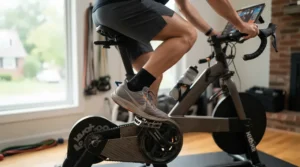
It offers an SPD clip-in on one side and a toe cage on the other, with a 9/16″ thread and SPD cleats included. A comparison guide notes Wellgo makes only this one model in this style and calls it the most affordable dual-sided SPD option. Cage and strap setups mean sneakers stay put, even if you’re no pedaling purist.
Analytically, this is the “set it and forget it” choice for a shared home bike. The 9/16″ thread fits standard adult cranks, but check your own bike first. I couldn’t find a large body of verified owner reviews, so sentiment here is limited to that roundup’s positioning.
Pros:
- ✅ Dual SPD and cage design shares easily
- ✅ SPD cleats are included in the box
- ✅ Budget-friendly for home gym setups
Cons:
- ❌ Basic finish compared with brand-name pedals
- ❌ Cage can feel snug on large shoes
Expect a price in the roughly $30-$50 range, which is solid value for a home spin bike.
7. BV Bike BV-PD8 — shared-bike flexibility with removable cages
BV’s headline feature is flexibility: the toe cages come off, and the maker says it works with both SPD and Look Delta cleats.
Per the maker’s listing, it uses an ED-painted aluminum body and nylon straps on a 9/16″ spindle, so it fits Peloton-style bikes. A review roundup lists SPD cleats, Look Delta cleats and a cage removal tool in the box. Confirm which side takes which cleat on the listing, because setups vary.
That removable cage is the interesting bit. Strapped in, it suits sneakers; off, it leaves a cleaner clip-in side. In a household with riders who each prefer something different, that can mean fewer hardware swaps. A roundup reviewer calls it a go-to dual option, but that’s one voice, so I’d weigh it modestly.
Pros:
- ✅ Removable cages adapt to different riders
- ✅ Works with SPD and Look Delta cleats
- ✅ Fits 9/16″ spindles on Peloton-style bikes
Cons:
- ❌ Cleat-to-side setup needs careful reading
- ❌ Limited independent review depth
Expect a budget-tier range of roughly $30-$55. It’s very good value for families sharing one bike.
Setup, Cleat Tension and Your First 30 Days
Your first month sets the habits that last, so treat it like a short training plan. 🔧
Install carefully. The right pedal threads on normally, while the left pedal has a reverse thread, so it tightens in the opposite direction. Grease the threads lightly and snug them firmly.
Set cleats and tension. Mount SPD cleats roughly under the ball of your foot, and set the tension screws to the loosest setting. If a pedal feels stiff, it usually just needs a gentle adjustment, which is how the Shimano range is designed.
Practice before you ride. Lean against a wall or sit on a stationary trainer, and clip in and out about 20 times per foot. Then try gentle flat-ground rides.
Weeks 2-4: Increase tension slightly if your foot pops out unexpectedly, check cleat bolts weekly, and wipe grit from the mechanism. A flat-side habit helps too: flip the pedal to the platform deliberately before long stops. The most common first-month mistake is panicking and pulling straight up instead of twisting out.
Real-World Scenarios: Which Dual Sided Bike Pedals Match Which Rider
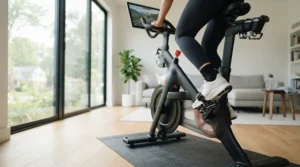
The 8-mile college commuter. Budget is tight and the route mixes campus walkways with city streets. The Shimano PD-EH500 fits here, with light action clip-in on open roads and a flat side for stop-heavy blocks. Frequency is daily, so the sealed cartridge axle matters.
The touring weekender. Loaded panniers, rainy campsites, and a bike that also gets ridden to the pub. The Shimano PD-T8000 is the sensible match, since the pinned platform and mud-shedding binding earn their premium. Frequency is a few long rides each month.
The shared home-gym household. One partner has cycling shoes, the teenager wears sneakers, and the bike lives in a spare room. The Wellgo WPD-E003 or BV Bike BV-PD8 suits this, since the cage side takes anyone in sneakers without a wrench. For a hybrid commuter on a tight budget, the BUCKLOS PD-M680 or ROCKBROS Dual Function are the value experiments.
Common Problems and Quick Fixes
“I keep landing on the wrong side.” Most dual sided pedals hang slightly heavy on one face. Nudge the pedal with your toe before you step on, or practice flipping it with your shoe on the stop.
“I can’t unclip.” Loosen the tension screws a quarter turn, and twist the heel sideways rather than pulling up.
“The pedal creaks.” Check cleat bolts and clean grit from the mechanism. A light lube on the spring contact points often fixes it.
“My sneakers slide on the flat side.” Try shoes with firmer, flatter soles, or choose a pinned platform such as the Shimano PD-T8000.
“The toe cage digs into my shoe.” On cage designs like the Wellgo WPD-E003, loosen the strap a notch, or remove the cage on the BV Bike BV-PD8.
How to Choose Dual Sided Bike Pedals
To choose dual sided bike pedals, match the pedal’s second side (platform or cage) to your daily shoes, confirm your crank thread size and cleat system, and set a budget. Then judge platform size, weight and bearing type against how you actually ride.
- Decide your second side. A flat platform suits roads and trails, while a cage suits exercise bikes and shared riders.
- Confirm thread size. Most adult bikes use 9/16″, but some one-piece cranks use 1/2″, so check before ordering.
- Match your cleat system. SPD is two-bolt and walkable, while SPD-SL road cleats are a different, incompatible three-bolt design.
- Judge platform size. If you’ll stand on the flat side often, favor bigger platforms like the Shimano PD-T8000.
- Check bearings. Serviceable cup-and-cone bearings, as on the Shimano PD-M324, outlast sealed-and-forget designs only if you actually service them.
- Weigh the weight. Light matters for performance riding, but barely registers for commuting.
- Set a realistic budget. Name-brand reliability costs more, while budget combos reward a tolerance for uncertainty.
Dual Sided Bike Pedals vs Single-Sided Clipless and Flat Pedals
| Pedal Type | Strength | Weakness | Best For |
|---|---|---|---|
| Dual sided (SPD + flat) | Flexible shoe choices | Heavier, flat side smaller | Commuters, shared bikes |
| Single-sided/clip-only SPD | Lightest, most efficient | Unusable in sneakers | Dedicated riders |
| Flat platform | Simple, any shoe | No clip-in efficiency | Casual and trail riders |
| SPD-SL road | Stiff, efficient | Poor walkability | Road racers |
The trade-off is plain: flexibility costs a little efficiency and a little weight. Per road.cc’s SPD versus SPD-SL guide, SPD uses a smaller recessed cleat that makes walking easier, which is exactly why it pairs well with a flat side. If you ride only one way, a specialist pedal wins. If your riding changes by the week, versatile pedal design beats the specialist.
Combo Pedals Exercise Bike: What to Expect on a Spin Bike
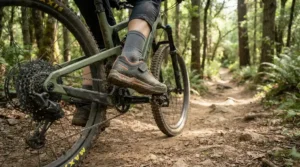
Combo pedals exercise bike setups solve a very specific headache. Many indoor bikes ship with a single cleat system, which locks out anyone who doesn’t own matching shoes. Two-sided spin bike pedals fix that by offering SPD on one side and a cage on the other.
On Peloton-style bikes, buyer Q&A notes the standard thread is 9/16″, so most dual models fit. Another source mentions hotel fitness rooms often use this exact SPD-plus-cage layout, so bringing your own SPD shoes works.
Real-world expectations: the cage side is for steady riding, not heavy out-of-saddle sprints, where a strap-and-cage can feel less secure than a clip. The BV Bike BV-PD8 and Wellgo WPD-E003 both suit this kind of use. Before ordering, confirm your bike’s thread size and cleat style, since Look Delta cleats appear on some indoor bikes and aren’t the same as SPD.
Family-Friendly Pedals: Sharing One Bike Across Skill Levels
Family-friendly pedals have to work for the confident rider and the reluctant one. The best SPD and cage combination setups let a beginner ride in sneakers on day one, while the experienced rider clips in on day two, with no tools between them.
The CDC’s adult activity guidance recommends at least 150 minutes of moderate-intensity activity weekly, and a bike that everyone can hop on without friction makes that goal easier. Removable cages, like those on the BV Bike BV-PD8, are a practical choice for households with mixed abilities. For outdoor shared bikes, the Shimano PD-EH500 keeps tension adjustable and the flat side approachable.
A safety note: kids and beginners should stick to the flat or cage side until they’ve practiced unclipping, and loosen tension for anyone new.
Long-Term Cost and Maintenance
| Tier | Upfront Range | Upkeep Pattern | Best For |
|---|---|---|---|
| Budget combos | $25-$55 | Replace when worn | Home bikes, trial runs |
| Mid Shimano (PD-EH500, PD-M324) | $45-$75 | Sealed or serviceable | Daily commuters |
| Premium (PD-T8000) | $90-$140 | Rebuildable bearings | Touring, heavy use |
A cheap pedal that dies in a year costs more per ride than a mid-range pedal that lasts five. Serviceable bearings, like those on the PD-M324 and PD-T8000, shift cost from replacement to maintenance, which only pays off if you actually do the maintenance. Remember cleats are a wear item too, so budget a small amount for replacements, and prices vary by retailer.
Common Mistakes When Buying Dual Sided Bike Pedals
The first mistake is ignoring thread size, where a 1/2″ crank and a 9/16″ pedal simply won’t match. The second is buying SPD-SL shoes and expecting them to work. The third is assuming every flat side is stand-on-able, since a small platform is fine for sitting but sketchy for climbing. The fourth is trusting weight alone, because reliability and bearings matter more over years. Finally, many riders skip tension adjustment, and a too-stiff pedal creates the exact fear people blame on clip-ins.
FAQ
❓ Can I use regular sneakers on dual sided bike pedals?
❓ Do combo pedals exercise bike models fit a Peloton?
❓ How much should I spend on hybrid bike pedals with a flat side?
❓ Are SPD and cage combination pedals safe for beginners?
❓ Do I need special shoes for two-sided spin bike pedals?
Conclusion
Dual sided bike pedals are the closest thing cycling has to a Swiss Army knife for your feet. They won’t beat a dedicated racing pedal at its own game, and they were never meant to. They exist for real life, where you commute on Monday, ride the spin bike on Tuesday and share the bike with family on Saturday.
Here’s the short version. For most commuters, the Shimano PD-EH500 is the best balance of weight, ease and price. For riders who want a bigger, grippier flat side, the Shimano PD-T8000 earns its premium. If durability and servicing matter most, the Shimano PD-M324 is the dependable classic. On a tight budget, the BUCKLOS PD-M680 and ROCKBROS Dual Function are affordable experiments, and for home gyms the Wellgo WPD-E003 and BV Bike BV-PD8 make sharing painless. Check your thread size, pick your second side, and set tension gently.
Recommended for You
- SPD Pedals For Spin Bike: 7 Ultimate Picks For 2026
- Exercise Bike Pedals With Straps: 7 Proven Picks For 2026
- Ergonomic Exercise Bike Seat: 7 Best Picks For Back Pain 2026
Disclaimer: This article contains affiliate links. As an Amazon Associate, I earn from qualifying purchases. If you purchase products through these links, we may earn a small commission at no additional cost to you.
✨ Found this helpful? Share it with your friends! 💬🤗
