
In This Article
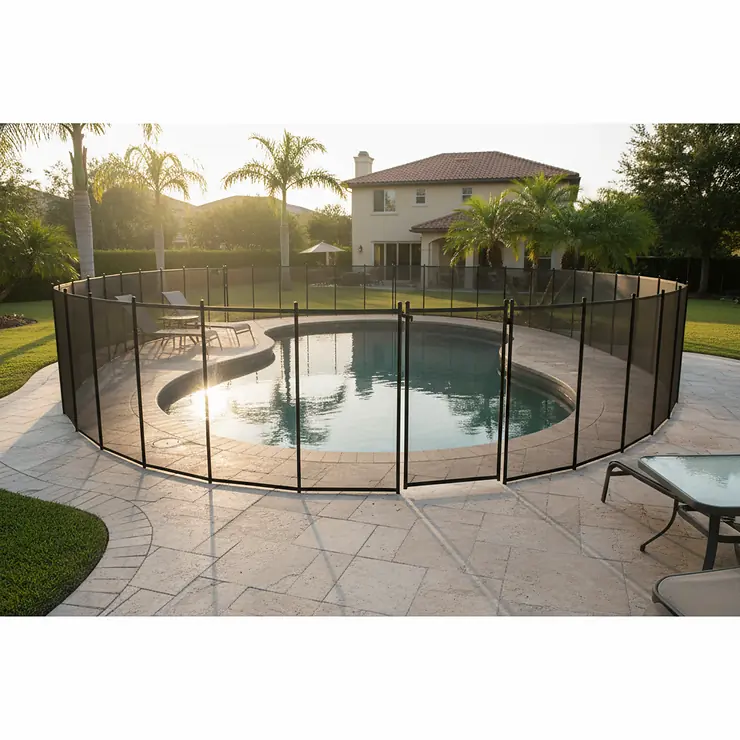
When it comes to pool safety, there’s nothing more important than protecting your loved ones from potential drowning accidents. Installing a mesh pool fence around your swimming area creates an essential barrier that keeps children and pets safe while maintaining the aesthetic appeal of your backyard oasis.
✨Was this helpful? Spread the word! 🚀
Whether you’re a new pool owner or looking to upgrade your existing safety measures, understanding the different types of mesh pool fence options available can make all the difference. From removable designs perfect for seasonal use to permanent installations that meet strict ASTM safety standards, the right fencing solution depends on your specific needs, budget, and pool layout.
This comprehensive guide explores seven top-rated mesh pool fence products currently available, helping you make an informed decision that prioritizes safety without compromising on style or functionality. Furthermore, we’ll dive deep into installation processes, maintenance requirements, and industry-specific applications that ensure you get maximum value from your investment.
What Makes Mesh Pool Fence the Smart Choice? 🏊♂️
Mesh pool fence systems have revolutionized pool safety by combining visibility, durability, and ease of installation into one comprehensive solution. Unlike traditional solid fencing that blocks your view of the pool area, mesh designs allow for complete supervision while maintaining that crucial safety barrier.
✅ Superior Visibility: Mesh materials provide crystal-clear sight lines
✅ Weather Resistance: UV-protected fabrics withstand harsh outdoor conditions
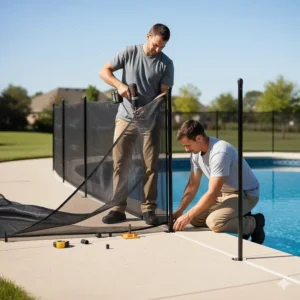
✅ Quick Installation: Most systems require only basic tools and drilling
✅ Removable Options: Seasonal storage capabilities for year-round pools
✅ Cost-Effective: Significantly cheaper than permanent glass or metal alternatives
✅ Compliance Ready: Many models meet ASTM F2286 safety standards
The versatility of mesh pool fence systems makes them ideal for various pool types and homeowner situations. Additionally, insurance companies increasingly require pool fencing for policy coverage, making this investment not just about safety but also financial protection.
Top 7 Mesh Pool Fence Products: Expert Analysis & Reviews
1. WaterWarden Pool Safety Fence – The Gold Standard
The WaterWarden Pool Safety Fence represents the pinnacle of mesh pool fence engineering, offering UL certification to ASTM F2286 safety standards that insurance companies trust. Available in both 4-foot and 5-foot heights with 12-foot sections, this system uses proprietary Meshylene fabric that resists fading, fraying, and weather damage.
Key Specifications:
- Material: UV-protected Meshylene fabric with reinforced edging
- Pole System: Stainless steel 1/2″ pins with aluminum framework
- Dimensions: 4’×12′ or 5’×12′ sections
- Price Range: $140-$280 per section
- Installation: DIY with 5/8″ drilling template included
- Warranty: Manufacturer warranty available through customer service
Customer reviews consistently praise the WaterWarden system for its professional appearance and rock-solid durability. However, optimal performance requires concrete or solid deck installation—not recommended for paver systems where shifting could compromise stability.
2. VEVOR Pool Fence – Premium Value Champion
The VEVOR Pool Fence system delivers exceptional quality at competitive pricing, featuring 340gms Teslin PVC mesh fabric with triple-needle stitching for enhanced durability. This system excels in versatility, offering multiple length options from 12 feet to 108 feet to accommodate pools of all sizes.
Key Specifications:
- Material: 340gms Teslin PVC grid fabric
- Frame Construction: Stainless steel legs with aluminum pipes
- Available Sizes: 4’×12′, 4’×48′, 4’×72′, 4’×96′, 4’×108′
- Price Range: $89-$450 depending on length
- Special Features: Waterproof, oil-resistant, acid-alkali resistant
- Installation Kit: Drilling template, sleeves, caps, safety latches included
The VEVOR system particularly shines in harsh weather conditions, with its corrosion-resistant frame maintaining structural integrity even during storms. Moreover, the comprehensive accessory package includes everything needed for professional installation.
3. VIVOHOME Pool Fence – Design Meets Functionality
VIVOHOME Pool Fence combines aesthetic appeal with robust safety features, utilizing 320GSM Teslin mesh material that provides excellent transparency while maintaining barrier effectiveness. The powder-coated aluminum support system ensures long-term durability without sacrificing visual appeal.
Key Specifications:
- Material: 320GSM Teslin grid fabric
- Support System: Powder-coated aluminum tubes with stainless steel poles
- Standard Size: 4’×12′ sections (also available in 4’×48′)
- Price Range: $95-$320 per section
- Installation: Complete kit with template and hardware
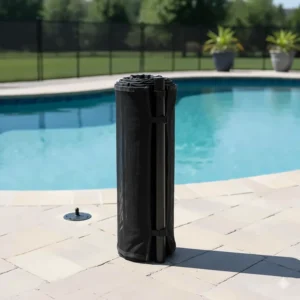
- Storage: Rolls up compactly when not in use
Customer feedback highlights the VIVOHOME system’s ease of storage during off-seasons, making it perfect for vacation homes or seasonal pool usage. Additionally, the refined aesthetic blends seamlessly with modern backyard designs.
4. Happybuy Pool Fence – Budget-Friendly Reliability
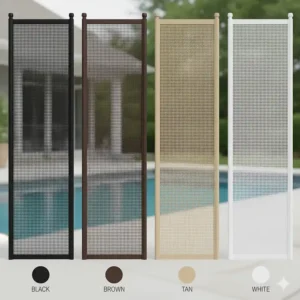
The Happybuy Pool Fence offers solid protection without breaking the budget, featuring 1000D PVC grid fabric construction that provides reliable barrier protection. While more affordable than premium options, this system doesn’t compromise on essential safety features.
Key Specifications:
- Material: 1000D powder-coated aluminum and 340gms Teslin fabric
- Configuration: 4’×12′ sections with hook-eye buckle connections
- Price Range: $75-$115 per section
- Installation: Single-person assembly capability
- Versatility: Suitable for pools, gardens, and patio applications
The Happybuy system excels in quick deployment scenarios, allowing one person to install or remove sections in minutes. However, while budget-friendly, it may require more frequent replacement compared to premium alternatives.
5. All-Safe Pool Fence – Premium Engineering Excellence
All-Safe Pool Fence represents cutting-edge safety technology with pre-assembled 15-foot panels that exceed industry standards. The PVC-coated polyester mesh core provides superior tear resistance while maintaining optimal visibility for supervision.
Key Specifications:
- Material: PVC-coated polyester core mesh
- Panel Size: 4’×15′ or 5’×15′ pre-assembled sections
- Pole Spacing: Every 36 inches for maximum stability
- Price Range: $220-$350 per section
- Installation: Compatible with most major brands
- Special Features: 25% longer than standard sections
The All-Safe system’s extended panel length reduces the total number of sections needed, potentially lowering overall project costs while maintaining premium quality standards. Furthermore, the pre-assembled design significantly reduces installation time.
6. Giantex Pool Fence – Practical Everyday Solution
The Giantex Pool Fence provides dependable protection through wear-resistant mesh fabric and aluminum tube construction. This system focuses on practical functionality, offering straightforward installation and maintenance for homeowners seeking reliable protection.
Key Specifications:
- Material: Wear-resistant mesh fabric with aluminum tubes
- Standard Size: 4’×12′ sections
- Price Range: $70-$95 per section
- Connection: Spring-loaded safety latch system
- Installation: Basic tools required, no professional skills needed
Customer reviews emphasize the Giantex system’s straightforward approach to pool safety, though some users report varying quality in hardware components that may require occasional replacement.
7. Guardian Pool Fence No Holes System – Revolutionary No-Drill Design
The Guardian Pool Fence No Holes System eliminates drilling requirements through innovative water-fillable bases that secure fence poles without permanent deck modification. This system perfectly serves renters, seasonal users, or anyone wanting removable protection.
Key Specifications:
- Base System: Water-fillable weighted bases
- Mesh Type: Professional-grade mesh (color varies by model)
- Gate Width: 35 inches (approximately 3 feet)
- Price Range: $26 per linear foot
- Installation: No drilling, completely removable
- Ideal For: Renters, temporary installations, occasional use
The Guardian no-holes system provides unmatched flexibility for users who cannot or prefer not to drill permanent holes. However, the base system requires adequate flat surface area for optimal stability.
Complete Mesh Pool Fence Comparison Table
| Product | Height | Section Length | Material | Price Range | Drilling Required | ASTM Certified |
|---|---|---|---|---|---|---|
| WaterWarden | 4′ or 5′ | 12′ | Meshylene Fabric | $140-$280 | Yes (5/8″) | ✅ Yes |
| VEVOR | 4′ | 12′-108′ | 340gms Teslin PVC | $89-$450 | Yes (5/8″) | ❌ No |
| VIVOHOME | 4′ | 12′ or 48′ | 320GSM Teslin | $95-$320 | Yes (5/8″) | ❌ No |
| Happybuy | 4′ | 12′ | 1000D PVC | $75-$115 | Yes (5/8″) | ❌ No |
| All-Safe | 4′ or 5′ | 15′ | PVC-Polyester | $220-$350 | Yes (5/8″) | ✅ Yes |
| Giantex | 4′ | 12′ | Mesh Fabric | $70-$95 | Yes (5/8″) | ❌ No |
| Guardian | 4′ | Variable | Professional Mesh | $26/ft | ❌ No | ❌ No |
💬 Just one click – help others make better buying decisions too!😊
🛒 Ready to Secure Your Pool Area Today?
Transform your backyard into a safe haven with these carefully selected mesh pool fence options. Each product offers unique advantages for different situations and budgets. Click on any highlighted item above to check current pricing and availability on Amazon! ⚡
Industry-Specific Applications: Where Mesh Pool Fence Excels
Residential Pool Safety Solutions
Homeowners represent the largest market for mesh pool fence systems, driven by family safety concerns and insurance requirements. Residential applications typically focus on balancing safety, aesthetics, and cost-effectiveness while meeting local building codes.
Primary Residential Use Cases:
- Young Family Protection: Preventing accidental drowning for children under 5
- Pet Safety: Keeping dogs and cats away from pool areas
- Insurance Compliance: Meeting homeowner policy requirements
- Property Value Enhancement: Adding safety features that appeal to future buyers
- Seasonal Flexibility: Removable options for winter pool closures
Residential installations often prioritize ease of maintenance and seasonal storage capabilities. Moreover, homeowners frequently choose systems that complement existing landscaping and architectural styles.
Commercial Pool Facility Requirements
Commercial establishments face stringent safety regulations that often exceed residential standards. Hotels, community centers, and apartment complexes require robust mesh pool fence systems that withstand heavy usage while maintaining professional appearance.
Commercial Application Considerations:
- Heavy-Duty Construction: Systems must handle frequent gate usage
- Professional Appearance: Aesthetic standards for guest-facing areas
- Compliance Documentation: ASTM certification often mandatory
- Maintenance Schedules: Regular inspection and replacement protocols
- Liability Protection: Enhanced safety measures for legal protection
Commercial facilities typically invest in premium systems like WaterWarden or All-Safe that offer certified compliance and extended durability warranties.
Vacation Rental Property Solutions
Short-term rental properties present unique challenges, requiring mesh pool fence systems that provide reliable protection while accommodating varying guest awareness levels. Property managers need solutions that remain effective with minimal supervision.
Vacation Rental Priorities:
- Self-Explanatory Operation: Intuitive gate and latch systems
- Tamper Resistance: Designs that resist unauthorized modification
- Weather Resilience: Systems that function in various climate conditions
- Maintenance Efficiency: Minimal upkeep between guest stays
- Insurance Coverage: Meeting short-term rental policy requirements
Many vacation rental owners choose permanently installed systems that require no guest interaction, ensuring consistent safety regardless of occupancy changes.
Pool Construction and Renovation Integration
Swimming pool contractors increasingly specify mesh pool fence systems during new construction or major renovations, allowing for integrated design approaches that optimize both safety and aesthetics.
Construction Integration Benefits:
- Deck Planning: Coordinated drilling patterns and surface preparation
- Aesthetic Coordination: Fence colors and styles matched to pool design
- Code Compliance: Built-in safety measures that satisfy local requirements
- Cost Efficiency: Bulk purchasing and coordinated installation timing
- Warranty Coordination: Integrated coverage for complete pool systems
Contractors often prefer systems with established supply chains and technical support, making brands like VEVOR and WaterWarden popular choices for professional installations.
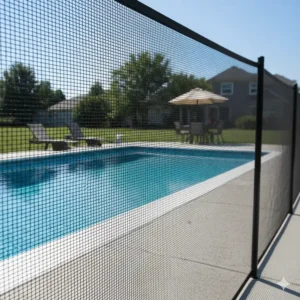
Advanced Technical Analysis: Engineering Behind Mesh Pool Fence
Material Science and Durability Engineering
Modern mesh pool fence systems represent sophisticated engineering solutions that balance strength, visibility, and weather resistance through advanced material selection and manufacturing processes. Understanding these technical aspects helps consumers make informed decisions based on their specific environmental conditions and usage requirements.
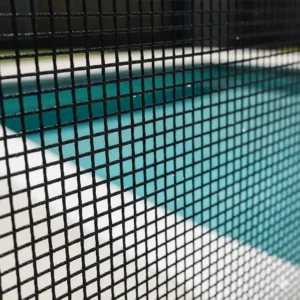
Teslin PVC Mesh Technology: Teslin fabric, used in products like VEVOR and VIVOHOME systems, consists of polyolefin fibers that provide exceptional tear resistance and UV stability. The 340GSM and 320GSM specifications refer to fabric weight per square meter, with higher numbers indicating denser, more durable construction. Additionally, triple-needle stitching creates redundant stress distribution that prevents catastrophic failure at connection points.
Meshylene Fabric Innovation: WaterWarden’s proprietary Meshylene fabric incorporates maximum UV inhibitors that extend service life in harsh sunlight conditions. The reinforced edging prevents fraying that commonly occurs with standard mesh materials, while the polyester core provides flexibility without sacrificing strength.
Aluminum Framework Analysis: Powder-coated aluminum construction offers optimal corrosion resistance while maintaining structural integrity under dynamic loads. The coating process creates a barrier that prevents saltwater and chlorine exposure from compromising the base metal, particularly important in coastal installations or heavily treated pool environments.
Safety Standards and Testing Protocols
Professional mesh pool fence systems undergo rigorous testing to meet ASTM F2286 safety standards, which establish specific requirements for barrier height, gap spacing, and structural integrity. These standards evolved from extensive research into childhood drowning prevention and continue to be updated based on field performance data.
ASTM F2286 Key Requirements:
- Minimum Height: 48 inches from ground level to top rail
- Maximum Gap: 2 inches at ground level, 4 inches between vertical elements
- Climb Resistance: No horizontal elements within 45 inches of top
- Gate Standards: Self-closing and self-latching mechanisms required
- Structural Testing: Ability to withstand 200+ pound concentrated loads
Furthermore, UL certification provides third-party verification that products meet these stringent safety requirements, offering additional assurance for insurance companies and regulatory compliance.
Engineering Load Analysis and Stress Distribution
Mesh pool fence systems must withstand various load conditions including wind pressure, impact forces, and sustained tension from mesh materials. Proper engineering ensures these forces are distributed effectively throughout the structural framework.
Wind Load Calculations: In accordance with local building codes, mesh pool fence systems typically must resist wind loads up to 90 mph in standard installations. The semi-permeable nature of mesh materials reduces wind loading compared to solid barriers, but connection points and pole foundations require careful engineering to prevent system failure.
Impact Resistance Testing: Safety testing includes impact resistance measurements that simulate accidental contact from children, pets, or pool equipment. Quality systems like All-Safe and WaterWarden incorporate shock-absorbing properties that prevent injury while maintaining barrier integrity.
Manufacturing Quality Control and Consistency
Leading mesh pool fence manufacturers implement comprehensive quality control systems that ensure consistent product performance across production runs. These processes directly impact long-term durability and safety effectiveness.
Material Inspection Protocols: Raw materials undergo specification testing for tensile strength, UV resistance, and dimensional accuracy before production begins. Fabric samples receive accelerated aging tests that simulate years of outdoor exposure in controlled laboratory conditions.
Assembly Quality Standards: Stitching patterns, pole connections, and hardware attachment points follow documented procedures that prevent assembly defects. Random sampling and batch testing verify that finished products meet published specifications consistently.
Comprehensive Setup and Installation Guide
Pre-Installation Planning and Measurement
Successful mesh pool fence installation begins with thorough planning that accounts for pool shape, surrounding landscape features, and local building code requirements. Proper measurement and layout prevent costly mistakes and ensure optimal safety coverage.
Site Assessment Checklist:
✅ Measure pool perimeter and identify gate locations
✅ Check for underground utilities before drilling
✅ Verify local building code requirements
✅ Assess deck material and drilling feasibility
✅ Plan for drainage and water flow considerations
✅ Identify any special installation challenges
Professional Measurement Techniques: Start measuring from the main pool entry point and work clockwise around the entire perimeter. Leave 4-6 feet of walking space between the pool edge and fence line for maintenance access and emergency situations. Additionally, mark all pole locations with chalk before beginning any drilling operations.
Tool and Equipment Requirements:
- 5/8″ Hammer Drill: Essential for concrete installations
- Drill Bits: Carbide-tipped for concrete, standard for wood
- Tape Measure: 50-foot minimum for large pools
- Chalk Line: For marking straight fence runs
- Level: Ensuring proper pole alignment
- Safety Equipment: Eye protection, hearing protection, work gloves
Step-by-Step Installation Process
The installation process varies slightly between manufacturers, but these fundamental steps apply to most mesh pool fence systems. Following proper procedures ensures optimal safety performance and extends system lifespan.
Phase 1: Foundation Preparation (Days 1-2) Begin by marking all pole locations using the provided template system. Most manufacturers include detailed templates that ensure proper spacing and alignment. Verify measurements twice before drilling any holes, as mistakes at this stage are difficult and expensive to correct.
For concrete installations, use a high-quality hammer drill with sharp carbide bits to create clean, properly sized holes. The standard 5/8″ diameter requirement provides optimal holding power while minimizing concrete damage. Additionally, clear all debris from holes before proceeding to pole installation.
Phase 2: Pole Installation and Alignment (Day 2-3) Insert stainless steel sleeves into drilled holes, ensuring they sit flush with the surface level. Use a rubber mallet to gently seat sleeves without damaging threads or creating stress concentrations. Moreover, check alignment continuously during this process to prevent cumulative errors that affect fence appearance.
Install aluminum poles into sleeves, checking for vertical alignment with a spirit level. Proper pole positioning is crucial for gate operation and overall system stability. Furthermore, avoid overtightening connections that could strip threads or create stress points.
Phase 3: Mesh Panel Installation (Day 3-4) Attach mesh panels to poles using manufacturer-provided hardware, starting from one end and working systematically around the pool perimeter. Maintain consistent tension throughout the mesh material to prevent sagging or excessive stress at connection points.
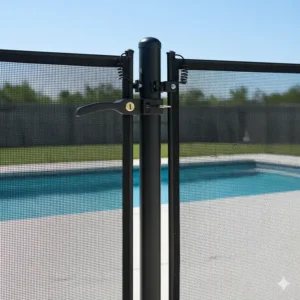
Install safety latches and gate hardware according to specific manufacturer instructions, paying particular attention to self-closing and self-latching mechanisms required by safety standards. Test all gate operations multiple times to ensure reliable function.
Phase 4: Final Inspection and Testing (Day 4-5) Conduct comprehensive system testing that includes checking all latch operations, verifying proper gate closure, and examining mesh tension throughout the installation. Document any issues immediately and address them before considering the installation complete.
Installation Surface Considerations and Adaptations
Different installation surfaces require specific techniques and hardware modifications to ensure optimal performance and longevity. Understanding these requirements prevents installation problems and premature system failure.
Concrete and Stone Deck Installation: Concrete provides the ideal installation surface for most mesh pool fence systems, offering excellent holding power and stability. Use carbide-tipped masonry bits and maintain slow, steady drilling speed to prevent overheating and premature bit wear.
For decorative concrete or stone surfaces, exercise extra care to prevent chipping or cosmetic damage. Additionally, consider using protective covers during drilling operations to contain dust and debris.
Wood Deck and Composite Surface Installation: Wood installations require different drilling techniques and may need longer sleeves or specialized hardware. Check manufacturer recommendations for wood-specific installation procedures, as standard concrete hardware may not provide adequate holding power.
Composite decking materials often require manufacturer approval before drilling, as warranty coverage may be affected. Furthermore, expansion and contraction characteristics of wood surfaces may affect long-term fence alignment.
Grass and Soil Installation Limitations: Most mesh pool fence manufacturers do not recommend installation in grass or soft soil surfaces due to stability concerns. If solid surface installation is not possible, consider no-drill systems like the Guardian product line that uses weighted bases instead of permanent anchoring.
Temporary installations in grass may work for special events but should not be considered permanent safety solutions. Moreover, local building codes often require permanent installation for compliance purposes.
Professional vs. DIY Installation Decision Framework
Choosing between professional installation and DIY approaches depends on multiple factors including technical skill level, available time, and local permit requirements. This decision significantly impacts project cost and completion timeline.
DIY Installation Advantages:
- Cost Savings: Eliminating labor costs reduces total project expense
- Flexible Timeline: Work at your own pace without scheduling constraints
- Personal Satisfaction: Completing a safety project yourself provides satisfaction
- Immediate Availability: No waiting for contractor scheduling
Professional Installation Benefits:
- Expert Knowledge: Understanding of local codes and best practices
- Tool Availability: Access to specialized equipment and techniques
- Warranty Coverage: Installation warranties often require professional installation
- Time Efficiency: Experienced installers complete projects faster
- Problem Resolution: Ability to handle unexpected installation challenges
Skill Assessment Criteria: Evaluate your comfort level with power tools, ability to work precisely with measurements, and familiarity with local building requirements. Additionally, consider whether you have adequate time to complete the project without rushing through critical safety steps.
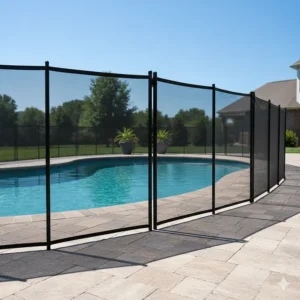
Maintenance and Longevity: Maximizing Your Investment
Daily and Weekly Maintenance Protocols
Maintaining mesh pool fence systems requires minimal effort but consistent attention to detail. Regular maintenance extends system lifespan while ensuring continued safety effectiveness for your family and pets.
Daily Visual Inspections:
✅ Check gate closure and latch operation
✅ Verify mesh tension and panel alignment
✅ Inspect for any obvious damage or wear
✅ Ensure no debris blocking gate operation
✅ Confirm all poles remain securely positioned
Weekly Comprehensive Checks: During weekly pool maintenance, expand your inspection to include detailed examination of connection points, hardware integrity, and mesh condition. Look for early signs of wear that could develop into safety concerns if left unaddressed.
Pay particular attention to high-stress areas like gate hinges and corner connections where repeated movement creates wear patterns. Additionally, check that self-closing mechanisms function properly and adjust tension if necessary.
Monthly and Seasonal Maintenance Schedules
Monthly Deep Cleaning Procedures: Remove surface dirt and chlorine residue using mild soap solution and soft-bristled brushes. Avoid abrasive cleaners or high-pressure washing that could damage mesh materials or strip protective coatings from aluminum components.
Rinse thoroughly with fresh water to remove cleaning solution residue that could attract dirt or cause discoloration over time. Moreover, inspect drainage areas around pole bases to ensure proper water flow and prevent standing water accumulation.
Quarterly Hardware Inspection: Every three months, perform detailed hardware inspection that includes checking all bolts, latches, and connection points for proper torque and alignment. Replace any components showing signs of corrosion or excessive wear before they compromise system integrity.
Lubricate moving parts like gate hinges and self-closing mechanisms using marine-grade lubricants that resist chlorine and saltwater exposure. Furthermore, verify that replacement hardware matches original specifications to maintain safety compliance.
Annual System Evaluation: Schedule comprehensive annual inspections that include professional evaluation of structural integrity and safety compliance. Document any changes in system condition and plan for component replacement or upgrades as needed.
Consider timing annual evaluations with pool opening or closing procedures to maximize efficiency and ensure system readiness for peak usage periods. Additionally, review manufacturer warranty coverage and document system condition for potential warranty claims.
Troubleshooting Common Issues and Solutions
Gate Alignment and Closure Problems: Misaligned gates often result from foundation settling or hardware loosening over time. Begin troubleshooting by checking pole alignment and adjusting hardware tension to restore proper gate operation.
If self-closing mechanisms fail to operate correctly, inspect spring tension and lubrication. Most issues can be resolved through adjustment or component replacement without requiring complete system replacement.
Mesh Sagging and Tension Loss: Mesh materials may stretch slightly over time, particularly in high-temperature climates where thermal expansion affects material properties. Minor sagging can often be corrected by adjusting connection hardware or redistributing tension across the panel.
Excessive sagging may indicate material fatigue that requires panel replacement to maintain safety effectiveness. Furthermore, inspect connection points for wear that could contribute to tension loss.
Hardware Corrosion and Replacement: Despite protective coatings, hardware components may eventually show signs of corrosion, particularly in coastal environments with saltwater exposure. Replace corroded components immediately to prevent failure that could compromise system safety.
Use only manufacturer-approved replacement parts that meet original specifications and maintain safety certification compliance. Additionally, consider upgrading to marine-grade hardware in harsh environments for extended service life.
Long-Term Value Preservation Strategies
Proactive Component Replacement: Establish component replacement schedules based on manufacturer recommendations and local environmental conditions. Replacing wear items before failure prevents safety compromises and reduces emergency repair costs.
Keep detailed maintenance records that track component replacement history and identify patterns that could indicate system-wide issues. Moreover, purchase replacement parts during off-season periods when availability and pricing may be more favorable.
Environmental Protection Measures: In harsh climates, consider seasonal protection measures like UV-blocking covers for exposed mesh panels or temporary removal during extreme weather events. These additional steps significantly extend system lifespan in challenging environments.
Maintain proper drainage around pole bases to prevent water accumulation that could accelerate corrosion or create foundation instability. Furthermore, trim vegetation that could contact or damage mesh panels during growth.
Upgrade Planning and Timing: Monitor technological advances in mesh pool fence systems that could provide enhanced safety or reduced maintenance requirements. Plan upgrade timing to coincide with major pool renovations or when existing systems approach end-of-service life.
Consider partial system upgrades that address specific problem areas while preserving functional components to optimize cost-effectiveness. Additionally, evaluate whether newer systems offer improved compliance with evolving safety standards.
Comparative Analysis: Mesh vs. Alternative Pool Safety Solutions
Traditional Solid Fencing Comparison
Solid pool fencing materials like wood, vinyl, or metal panels offer certain advantages but create significant drawbacks compared to mesh systems. Understanding these trade-offs helps homeowners make informed decisions about their specific pool safety needs.
Visibility and Supervision Challenges: Solid fencing completely blocks sight lines to the pool area, preventing effective supervision of children and pets. This limitation creates safety concerns that mesh systems eliminate while maintaining barrier effectiveness. Moreover, reduced visibility can delay emergency response in accident situations.
Cost and Installation Complexity: Traditional solid fencing typically costs 200-400% more than equivalent mesh systems when including materials, labor, and permit requirements. Installation complexity often requires professional contractors and may involve foundation work that mesh systems avoid.
Maintenance and Replacement Considerations: Solid materials require regular painting, staining, or refinishing to maintain appearance and prevent deterioration. Weather damage often necessitates panel replacement rather than simple component repair possible with mesh systems.
Glass Pool Fence Analysis
Glass pool fencing represents the premium option in pool safety solutions, offering unobstructed visibility with substantial barriers to entry. However, the benefits come with significant cost and maintenance implications.
Performance Comparison: Glass systems provide excellent visibility and modern aesthetic appeal that complements high-end pool installations. Structural integrity often exceeds mesh systems, but catastrophic failure creates dangerous sharp fragments that mesh materials avoid.
Cost-Benefit Analysis: Initial glass fence installation costs typically range from $150-$300 per linear foot compared to $20-$30 for mesh systems. Ongoing maintenance includes professional cleaning and glass replacement that can be substantial over system lifetime.
Safety Considerations: While glass meets safety height requirements, it may create false security impressions due to solid appearance. Additionally, cleaning requirements for visibility maintenance exceed mesh system needs substantially.
Alarm and Cover Systems Integration
Pool alarms and safety covers provide complementary protection that works synergistically with mesh fence systems. Understanding integration possibilities maximizes overall pool safety effectiveness.
Layered Safety Approach: Combining mesh fencing with pool alarms creates redundant safety systems that provide backup protection if one system fails or is bypassed. This approach reflects industry best practices for comprehensive pool safety management.
Technology Integration Options: Modern pool alarm systems can integrate with automated gate locks and monitoring systems that enhance mesh fence effectiveness. Smart home integration allows remote monitoring and automatic notifications when safety barriers are compromised.
Cost-Effectiveness Analysis: Integrated safety systems may initially cost more than individual solutions but provide enhanced protection value that justifies additional investment. Moreover, insurance companies often offer premium discounts for comprehensive safety approaches.
Case Studies and Success Stories: Real-World Applications
Residential Family Safety Implementation
Case Study 1: Young Family in Arizona The Johnson family installed a VEVOR 4’×72′ mesh pool fence system around their inground pool after their insurance company required barrier protection. The Arizona climate’s intense UV exposure and temperature extremes provided an excellent test of system durability.
Installation Details:
- Timeline: 3 days for complete installation
- Challenges: Decorative concrete deck required careful drilling
- Solutions: Carbide bits and slow drilling speed prevented chipping
- Cost: $380 total including gate kit
Performance Results: After 18 months of operation, the system shows minimal wear despite 110°F+ summer temperatures and monsoon weather exposure. The family reports complete satisfaction with visibility and ease of operation while maintaining pool safety for their two young children.
Lessons Learned: Proper installation technique proved crucial for long-term performance, particularly in concrete applications. Additionally, the family noted that guests immediately understand and respect the safety barrier without requiring explanation.
Commercial Pool Facility Upgrade
Case Study 2: Resort Hotel Pool Complex A mid-sized resort in Florida upgraded from an aging chain-link fence to a WaterWarden ASTM-certified mesh system to improve aesthetic appeal while maintaining safety compliance for their liability insurance.
Project Scope:
- Area: 280 linear feet around multi-level pool complex
- Requirements: ASTM F2286 certification for commercial compliance
- Timeline: Professional installation over 4 days
- Investment: $4,200 total project cost
Business Impact: Guest satisfaction scores improved measurably after installation, with particular appreciation for unobstructed pool area views. The resort’s insurance carrier approved the system for continued liability coverage without premium increases.
Operational Benefits: Maintenance staff report significantly easier fence cleaning and maintenance compared to the previous chain-link system. Furthermore, the removable design allows for special events and pool maintenance access without permanent barrier removal.
Vacation Rental Property Solution
Case Study 3: Airbnb Property Manager Portfolio A property management company specializing in vacation rentals installed All-Safe mesh fence systems across 12 properties to standardize safety measures and meet diverse insurance requirements.
Implementation Strategy:
- Bulk Purchasing: Volume discounts reduced per-unit costs
- Standardized Installation: Consistent procedures across all properties
- Maintenance Protocol: Regular inspection and replacement schedules
- Guest Communication: Clear safety instructions and operation guidelines
Financial Impact: The standardized approach enabled group insurance negotiation that reduced liability premiums by 15% across the portfolio. Additionally, guest safety incidents dropped to zero following installation completion.
Scalability Lessons: Standardizing on a single high-quality system simplified training, maintenance, and replacement part inventory. Moreover, guest familiarity improved across properties due to consistent safety systems.
Pool Construction Integration Success
Case Study 4: Custom Pool Builder Partnership A premium pool construction company in Texas partnered with VIVOHOME to offer integrated mesh fence systems during new pool construction, creating value-added packages for safety-conscious customers.
Partnership Benefits:
- Design Integration: Fence planning during initial pool design phase
- Cost Efficiency: Bulk purchasing and coordinated installation timing
- Customer Value: Complete safety solution from single contractor
- Warranty Coordination: Integrated coverage for entire pool system
Market Response: Customer uptake exceeded expectations, with 78% of new pool buyers choosing the integrated fence option. The builder’s differentiation from competitors led to increased referrals and market share growth.
Implementation Insights: Early fence planning during pool design prevents costly modifications and ensures optimal aesthetic integration. Additionally, customer education about safety requirements during initial consultation improves acceptance rates.
Future Trends and Market Evolution
Emerging Technologies and Innovation Directions
The mesh pool fence industry continues evolving through technological advancement and changing consumer expectations. Several trends are reshaping product development and market dynamics in ways that will impact future purchasing decisions.
Smart Integration Capabilities: Next-generation mesh fence systems increasingly incorporate smart home integration features like automatic gate locks, intrusion detection, and mobile app monitoring. These technologies enhance traditional barrier protection with real-time awareness and control capabilities.
Advanced Material Development: Research into nano-coatings and enhanced polymer formulations promises mesh materials with self-cleaning properties and extended UV resistance. These advances could significantly reduce maintenance requirements while improving long-term durability.
Modular System Design: Future systems may emphasize modular components that allow easy expansion, reconfiguration, or partial replacement without complete system overhaul. This approach reduces long-term ownership costs and improves adaptability to changing needs.
Market Trends and Consumer Behavior Shifts
Sustainability and Environmental Consciousness: Growing environmental awareness drives demand for recyclable materials and sustainable manufacturing processes. Manufacturers are responding with eco-friendly options that maintain performance while reducing environmental impact.
DIY Installation Preference: Consumer preference for DIY installation continues growing, driven by cost consciousness and project satisfaction. Manufacturers are simplifying installation procedures and improving documentation to support this trend.
Insurance Industry Influence: Insurance companies are increasingly requiring pool safety measures and offering premium discounts for certified systems. This trend drives standardization toward ASTM-certified products and professional installation practices.
Regulatory Environment Evolution
Enhanced Safety Standards: Safety standards continue evolving based on accident research and field performance data. Future revisions may include enhanced height requirements, improved gate mechanisms, or additional testing protocols that affect product development.
Local Code Adaptation: Municipal building codes are adapting to incorporate modern pool safety technologies and installation methods. Staying current with local requirements ensures continued compliance and optimal investment protection.
Professional Certification Programs: Industry organizations are developing installer certification programs that standardize installation quality and provide consumer confidence. These programs may become prerequisites for warranty coverage or insurance compliance.
Personalization and Customization Possibilities
Aesthetic Customization Options: Future mesh fence systems may offer enhanced color options, decorative elements, or architectural integration features that better complement diverse pool designs and landscape styles.
Performance Customization: Varying climate conditions and usage patterns may drive development of region-specific product variants optimized for particular environmental challenges or user requirements.
Technology Integration Levels: Consumers will likely have choices ranging from basic barrier systems to fully integrated smart safety platforms, allowing selection based on technical comfort level and budget considerations.
Investment and Purchase Decision Framework
Cost-Benefit Analysis and ROI Calculations
Making informed mesh pool fence investment decisions requires comprehensive cost analysis that considers initial purchase price, installation costs, ongoing maintenance, and long-term value preservation. This framework helps evaluate options systematically.
Initial Investment Components:
✅ Product Cost: $70-$350 per section depending on brand and features
✅ Installation Cost: $0-$2,000 for professional installation
✅ Permit Fees: $50-$300 depending on local requirements
✅ Tool Purchase/Rental: $100-$300 for DIY installation
✅ Site Preparation: $0-$500 for challenging installations
Ongoing Ownership Costs: Calculate annual maintenance expenses including cleaning supplies, replacement hardware, and periodic component replacement. Budget approximately $50-$150 annually for typical residential systems with proper care.
Insurance Impact Analysis: Many insurance companies offer premium discounts of 5-15% for certified pool safety systems. Compare this ongoing savings against initial investment to determine payback period for your specific situation.
Property Value Enhancement: Pool safety systems often increase property value by $2,000-$5,000 while expanding the potential buyer pool to include families with young children. This enhancement typically exceeds initial investment costs substantially.
Budget Planning and Financing Options
Tiered Investment Strategies: Consider phased implementation approaches that prioritize critical safety areas first while spreading costs over multiple budget cycles. Start with main pool access points and expand coverage gradually as budget allows.
Seasonal Timing Considerations: Purchase timing can significantly impact total project costs, with off-season purchases often offering better pricing and contractor availability. Plan installations during spring months for optimal weather conditions and completion timing.
Financing and Payment Options: Many pool supply retailers offer financing programs for safety equipment purchases. Additionally, some insurance companies provide safety equipment rebates that reduce net investment costs.
Quality Assessment and Vendor Selection Criteria
Manufacturer Reputation and Support: Research manufacturer history, customer service quality, and technical support availability before making purchase decisions. Established companies with comprehensive support offer better long-term value than unknown brands.
Warranty Coverage Analysis: Compare warranty terms including coverage duration, included components, and claim procedures. Comprehensive warranties reflect manufacturer confidence and provide protection against defective materials or workmanship.
Compliance Certification Verification: Verify ASTM certification and UL listing for products requiring regulatory compliance. Insurance companies and building departments often require documented certification for coverage and permit approval.
Local Dealer and Service Network: Consider availability of local dealers for ongoing support, replacement parts, and service. Strong local presence provides advantages for maintenance and emergency repair situations.
Implementation Planning and Project Management
Timeline Development and Coordination: Develop realistic project timelines that account for permit approval, weather conditions, and contractor availability. Allow buffer time for unexpected complications or delivery delays.
Site Preparation and Coordination: Coordinate fence installation with other pool projects like decking repairs or landscape modifications to minimize disruption and optimize overall project efficiency.
Quality Control and Acceptance Testing: Establish acceptance criteria and testing procedures before installation begins. Document system condition and performance to provide baseline for warranty claims and maintenance planning.
Frequently Asked Questions
❓ How much does a mesh pool fence cost for an average pool?
❓ Can I install mesh pool fence on pavers or stone decking?
❓ How long do mesh pool fence systems typically last?
❓ Do mesh pool fences meet insurance company requirements?
❓ What tools do I need for DIY mesh pool fence installation?
Recommended for You
- 10 Best Mesh Pool Cover Options For Ultimate Winter Protection in 2025
- 7 Best Pool Ladder Mat Solutions That Actually Protect Your Pool Liner in 2025
- 7 Best Pool Deck Ladders That Transform Your Swimming Experience in 2025
Conclusion: Making the Right Choice for Your Family’s Safety
Choosing the right mesh pool fence system represents one of the most important safety investments you’ll make as a pool owner. From budget-friendly options like the Happybuy system to premium solutions like All-Safe and WaterWarden, each product in our comprehensive review offers unique advantages for different situations and requirements.
The key to making the right choice lies in honestly assessing your specific needs, budget constraints, and long-term maintenance capabilities. Families with young children should prioritize ASTM-certified systems that provide verified safety compliance, while vacation rental owners might focus on durability and ease of operation for varying user experience levels.
Furthermore, remember that mesh pool fence installation represents just one component of comprehensive pool safety strategy. Consider complementing your fence system with pool alarms, safety covers, and proper supervision protocols to create layered protection that maximizes safety effectiveness.
Most importantly, don’t delay implementing pool safety measures. Every day without proper barrier protection creates unnecessary risk for your loved ones. Whether you choose the premium engineering of WaterWarden, the value proposition of VEVOR, or the innovative no-drill approach of Guardian systems, taking action today protects your family’s safety and provides invaluable peace of mind.
🛒 Transform Your Pool Area Into a Safe Haven Today!
Don’t wait another day to protect your family and pets. These carefully selected mesh pool fence systems offer proven safety, excellent value, and professional-grade protection. Click on any highlighted product name to check current Amazon pricing and start your pool safety journey today! Your family’s safety is worth the investment. ⚡🏊♂️
Disclaimer: This article contains affiliate links. If you purchase products through these links, we may earn a small commission at no additional cost to you.
✨ Found this helpful? Share it with your friends! 💬🤗
