
In This Article
Pool ownership brings incredible joy and relaxation to millions of families across America. However, alongside the fun comes serious responsibility – especially when children are involved.
✨Was this helpful? Spread the word! 🚀
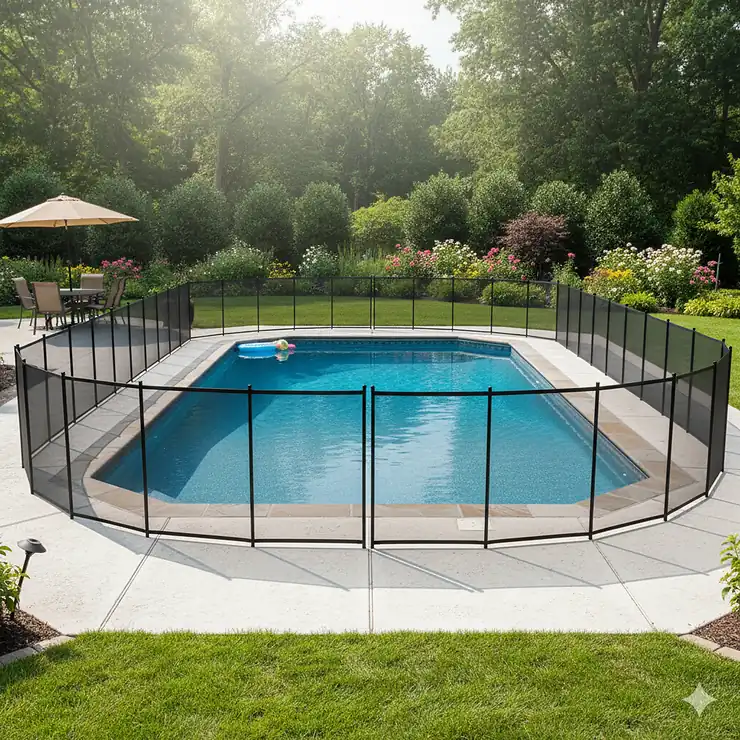
If you’re researching removable pool fence solutions, you’re taking one of the most important steps in pool safety. Whether you’re a new pool owner, considering seasonal protection, or need temporary barriers, removable pool fence systems offer flexibility without compromising security.
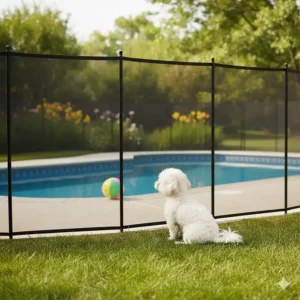
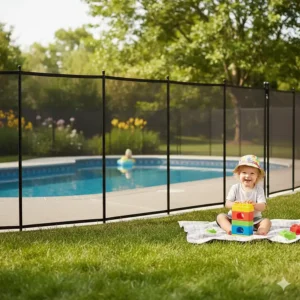
The tragic reality is that drowning remains the leading cause of injury-related death in children ages 1-4, with most incidents occurring in residential pools. 🏊♂️ But here’s the encouraging news: properly installed removable pool fence systems can prevent over 50% of childhood pool accidents according to safety experts.
This comprehensive guide examines seven top-rated removable pool fence products available on Amazon today, compares their features, and provides expert installation guidance. Furthermore, we’ll explore industry applications, maintenance requirements, and help you make an informed decision that protects your loved ones.
What Makes Removable Pool Fence Essential for Modern Families
Swimming pool barriers represent more than just regulatory compliance – they’re your family’s first line of defense against accidental drowning. Unlike permanent fencing, removable pool fence systems offer unique advantages that make them increasingly popular among homeowners.
Essentially, removable pool fence provides flexible protection that can be installed when children visit and stored away during adult entertainment. Additionally, these systems don’t permanently alter your property’s aesthetics while maintaining critical safety standards.
The convenience factor cannot be overstated. Moreover, removable systems typically require smaller drilling holes compared to permanent installations, making them ideal for rental properties or temporary situations.
Key Benefits of Removable Pool Fence Systems
✅ Flexible Installation and Removal: Easy setup and takedown for entertaining or maintenance
✅ Cost-Effective Solution: Lower installation costs compared to permanent barriers
✅ Property Value Protection: No permanent structural changes to your landscape
✅ Storage Convenience: Compact storage when not in use
✅ Rental Property Friendly: Perfect for temporary safety needs
✅ Quick Response to Regulations: Rapidly meet safety requirements when needed
Industry-Specific Applications and Professional Use Cases
The versatility of removable pool fence extends far beyond residential applications. Consequently, various industries have adopted these systems for specialized safety needs.
Hospitality and Resort Industry Applications
Hotels and resorts frequently utilize removable pool fence during special events, maintenance periods, or when hosting family-oriented activities. Specifically, properties can quickly establish child-safe zones without permanently altering their luxury aesthetics.
Resort managers particularly appreciate the ability to section off pool areas during construction or renovation projects. Meanwhile, vacation rental properties use removable systems to comply with local safety ordinances when families with young children book stays.
Commercial and Municipal Pool Management
Public pools, community centers, and municipal facilities often require flexible barriers for seasonal operations. For instance, outdoor facilities may install removable pool fence during shoulder seasons when lifeguard coverage is limited.
Swim schools and aquatic training facilities use these systems to create separate zones for different age groups or skill levels. Similarly, therapy pools in healthcare facilities benefit from removable barriers that can be adjusted based on patient needs.
Event Management and Temporary Installations
Pool party planners and event coordinators increasingly rely on removable pool fence to create controlled access areas. Particularly during large gatherings, these barriers help manage crowd flow and ensure child safety without permanent installations.
Wedding venues with pool features use removable fencing to prevent accidents during evening celebrations when visibility may be reduced. Additionally, filming locations often require temporary pool barriers to meet insurance and safety requirements.
Property Management and Real Estate Applications
Property management companies use removable pool fence to address safety concerns across multiple properties without major capital investments. Furthermore, real estate agents often recommend these systems to sellers who need to quickly comply with buyer inspection requirements.
Landlords find removable systems particularly valuable for managing liability while maintaining property appeal. Moreover, property flippers can address safety concerns without the expense of permanent barrier installation.
Advanced Technical Analysis: Engineering Excellence Behind Pool Safety
Understanding the engineering principles behind removable pool fence systems helps you appreciate why certain products outperform others. Consequently, let’s examine the technical specifications that separate superior products from basic alternatives.
Material Science and Durability Engineering
Modern removable pool fence utilizes advanced materials engineered for outdoor durability. Specifically, premium systems employ UV-resistant Meshylene fabric or Teslin PVC mesh that withstands years of sun exposure without degradation.
The mesh weave density directly impacts both safety and longevity. Furthermore, triple-stitched reinforcement prevents tearing under stress while maintaining the tight weave necessary for child safety.
Aluminum pole construction provides the optimal balance of strength and corrosion resistance. Additionally, marine-grade 6063 T6 aluminum offers superior performance in chlorinated pool environments compared to standard aluminum alloys.
Anchoring Systems and Load Distribution
The anchoring mechanism represents the most critical engineering component of any removable pool fence. Consequently, systems utilizing stainless steel pins with proper sleeve design distribute loads effectively across the deck surface.
Engineering studies demonstrate that ½-inch stainless steel pins provide optimal holding power without requiring excessively large holes. Moreover, the pin-and-sleeve design allows for thermal expansion while maintaining secure positioning.
Load testing protocols verify that quality systems can withstand forces exceeding 200 pounds applied at the top rail, far exceeding typical child impact forces. Similarly, wind load calculations ensure fence stability during severe weather conditions.
Safety Standards and Compliance Engineering
ASTM F2286 standards establish rigorous performance requirements that quality removable pool fence systems must meet. Specifically, these standards address:
- Climbing resistance: Mesh openings must be less than 1¾ inches to prevent footholds
- Height requirements: Minimum 48-inch height from grade to top of fence
- Gate specifications: Self-closing, self-latching mechanisms with specific force requirements
- Structural integrity: Resistance to impact, weathering, and normal wear
Furthermore, UL certification provides independent verification that products meet safety standards under real-world conditions. Additionally, regular testing ensures continued compliance as materials and manufacturing processes evolve.
Installation Precision and Quality Control
Professional-grade installation requires precise drilling techniques and proper spacing calculations. Consequently, quality manufacturers provide detailed templates and measurement guides to ensure accurate pole placement.
The drilling angle must remain perfectly vertical to prevent pin binding or premature wear. Moreover, sleeve depth calculations account for deck thickness and local frost line requirements where applicable.
Quality control measures include torque specifications for hardware, proper mesh tension adjustment, and gate alignment verification. Furthermore, post-installation testing confirms all safety mechanisms function correctly before final acceptance.
Top 7 Removable Pool Fence Products: Expert Analysis and Comparison
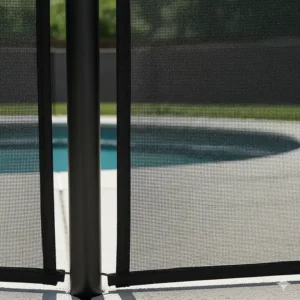
Based on extensive research of available products, customer reviews, and safety certifications, here are the seven best removable pool fence systems available today:
1. WaterWarden Pool Safety Fence – Premium UL Certified Protection
The WaterWarden removable pool fence stands as the gold standard for residential pool safety, offering UL certification to ASTM F2286 standards. This system features super-strong, UV-protected Meshylene fabric with reinforced edging that prevents fraying even after years of use.
Key Specifications:
- Dimensions: 4′ x 12′ or 5′ x 12′ sections
- Material: UV-protected Meshylene fabric with aluminum poles
- Anchoring: ½” stainless steel pins with drilling template
- Price Range: $89-$149 per section
- Warranty: Manufacturer warranty included
- Installation: DIY-friendly with ⅝” hole requirement
The spring-loaded safety latch system makes adult operation simple while remaining child-resistant. Additionally, the system installs quickly using standard hammer drill equipment, making it accessible for most homeowners.
Customer reviews consistently praise the WaterWarden system’s durability and ease of installation. However, some users note that the system works best on concrete or solid deck surfaces rather than pavers.
2. VEVOR Pool Fence – Professional-Grade Teslin Mesh Construction
The VEVOR removable pool fence delivers exceptional value with professional-grade 340gms Teslin PVC mesh fabric and precision triple-needle stitching. This system offers multiple size options to accommodate pools of various dimensions.
Key Specifications:
- Dimensions: Multiple options from 4′ x 12′ to 4′ x 108′
- Material: 340gms Teslin PVC mesh with aluminum poles and stainless steel tubes
- Anchoring: Stainless steel feet with sleeve system
- Price Range: $79-$399 depending on length
- Features: Waterproof, oil-resistant, acid-alkali resistant properties
- Installation: Requires specific drilling techniques
The VEVOR system excels in durability testing, with the Teslin mesh demonstrating superior resistance to pool chemicals and UV degradation. Furthermore, the modular design allows for custom configurations around irregular pool shapes.
Professional installers frequently choose VEVOR products for commercial applications due to their robust construction and competitive pricing. Moreover, the system includes comprehensive installation accessories and detailed instructions.
3. Pool Fence DIY by Life Saver – Industry Leader with Lifetime Warranty
The Pool Fence DIY by Life Saver represents the pinnacle of removable pool fence engineering, offering a limited lifetime warranty and recognition by the U.S. Consumer Product Safety Commission’s Pool Safely Campaign.
Key Specifications:
- Dimensions: 4′ x 12′ sections with 36″ pole spacing
- Material: Industrial-strength mesh with heavy gauge aluminum poles
- Anchoring: ½” stainless steel pins with proprietary sleeve system
- Price Range: $159-$189 per section
- Warranty: Limited lifetime warranty
- Certification: CPSC Safety Leader recognition
The system features pre-assembled sections that streamline installation while ensuring proper pole spacing and mesh tension. Additionally, the company offers comprehensive support including weekend technical assistance.
Life Saver products undergo rigorous quality control testing, with each component inspected before shipment. Furthermore, the company’s commitment to drowning prevention includes donations to families affected by pool accidents.
4. Sentry Safety Pool Fence EZ-Guard – Heavy-Duty Professional System
The Sentry Safety Pool Fence EZ-Guard targets professional installers and demanding residential applications with its robust construction and specialized features.
Key Specifications:
- Dimensions: 5′ x 10′ sections (black only at 5′ height)
- Material: UV-resistant interwoven fiberglass mesh
- Anchoring: Solid stainless steel pole cores with PVC insert
- Price Range: $179-$219 per section
- Features: Powder-coated aluminum finish, pre-assembled poles
- Installation: Requires rotary hammer drill
The EZ-Guard system emphasizes strength with its solid stainless steel core construction throughout each pole. Moreover, the 5-foot height option provides enhanced security for families with older children or athletic toddlers.
Professional pool contractors often specify Sentry Safety products for commercial installations due to their proven durability in high-traffic environments. Additionally, the system’s modular design accommodates complex pool configurations.
5. Happybuy Pool Fence – Budget-Friendly Safety Solution
The Happybuy removable pool fence offers essential safety features at an accessible price point, making pool protection available to budget-conscious families.
Key Specifications:
- Dimensions: 4′ x 12′ standard sections
- Material: 1000D powder-coated aluminum tube with grid fabric
- Anchoring: Basic sleeve and pin system
- Price Range: $69-$89 per section
- Features: Three-stitch overlock sewing, multiple connection options
- Installation: DIY-friendly with standard tools
While Happybuy products may not offer the premium features of higher-priced alternatives, they provide essential safety protection that meets basic standards. Furthermore, the system includes all necessary installation hardware and clear instructions.
Customer feedback indicates that Happybuy fences perform well in residential applications with proper installation and maintenance. However, some users recommend upgrading to premium latching systems for enhanced security.
6. All-Safe Pool Fence – ASTM-Compliant Premium Protection
The All-Safe removable pool fence system delivers ASTM F2286 compliance with enhanced features designed for maximum child safety and convenience.
Key Specifications:
- Dimensions: 4′ x 15′ or 5′ x 15′ sections (25% longer than standard)
- Material: Premium mesh with stainless steel poles
- Anchoring: ½” stainless steel peg system with tan deck sleeves
- Price Range: $149-$199 per section
- Features: Extra length reduces installation complexity
- Certification: ASTM F2286 compliant
The extended section length reduces the number of poles required for most installations, simplifying the setup process while maintaining structural integrity. Additionally, All-Safe provides comprehensive installation support and detailed measurement guides.
Professional installers appreciate the All-Safe system’s attention to detail, including color-matched hardware and precise manufacturing tolerances. Moreover, the company offers matching gate systems for complete perimeter protection.
7. Guardian Pool Fence No Holes System – Revolutionary No-Drilling Technology
The Guardian No Holes removable pool fence represents breakthrough technology for renters and those wanting to avoid deck drilling entirely.
Key Specifications:
- Dimensions: 48″ or 54″ height options with 12′ sections
- Material: Marine Grade 6063 T6 aluminum with reinforced PVC
- Anchoring: Water-filled polyethylene bases (no drilling required)
- Price Range: $199-$279 per section
- Features: Zero deck penetration, completely removable
- Weight: 65 pounds per base when filled (several hundred pounds combined)
The patented base system fills with water to create substantial weight that prevents fence movement while remaining completely removable. Furthermore, the interconnected base design distributes weight across multiple points for enhanced stability.
Guardian systems excel in situations where deck drilling is prohibited or undesirable, such as rental properties or historic structures. Additionally, the system works effectively on various surface types including concrete, pavers, and composite decking.
Comprehensive Installation and Setup Guide
Proper installation represents the difference between effective protection and potential failure. Consequently, this detailed guide covers everything from planning to final inspection.
Pre-Installation Planning and Site Assessment
Before beginning any installation, conduct a thorough site assessment to identify potential challenges and ensure optimal placement. First, measure the pool perimeter carefully, accounting for equipment, landscaping, and access requirements.
Next, evaluate the deck surface condition and material type. Different surfaces require specific drilling techniques and hardware selections. Furthermore, identify utilities or irrigation lines that might interfere with drilling locations.
Consider the fence layout’s impact on pool maintenance and daily use. Additionally, plan gate locations for convenient access while maintaining security integrity.
Required Tools and Equipment
Professional installation requires specific tools to ensure safety and quality results:
Essential Tools:
- Rotary hammer drill (minimum ½” capacity)
- 5/8″ x 14″ masonry bits (SDS Plus compatible)
- Measuring tape and chalk line
- Level and square
- Safety glasses and dust masks
- Shop vacuum for debris removal
Optional Tools:
- Drilling guide for precise holes
- Torque wrench for hardware
- Concrete patch compound
- Permanent marker for layout
Quality tools significantly impact installation success and long-term performance. Moreover, using proper equipment reduces installation time and ensures professional results.
Step-by-Step Installation Process
Phase 1: Layout and Measurement
Begin by establishing the fence perimeter using the provided template or measurements. Mark pole locations with chalk, ensuring consistent spacing and proper alignment with pool features.
Verify measurements multiple times before drilling, as corrections become difficult once holes are created. Additionally, check local building codes for any specific requirements regarding fence placement.
Phase 2: Drilling and Sleeve Installation
Start drilling at one corner, maintaining perfectly vertical holes using a level as a guide. Clean debris from each hole immediately to prevent interference with sleeve installation.
Install sleeves flush with the deck surface, ensuring proper depth and alignment. Furthermore, test-fit each sleeve with a sample pole before proceeding to the next location.
Phase 3: Fence Assembly and Tensioning
Install poles in sleeves, checking for proper depth and stability. Attach mesh sections according to manufacturer specifications, maintaining appropriate tension throughout.
Connect sections using provided latches, ensuring smooth operation and proper alignment. Additionally, verify that all safety mechanisms function correctly before completing installation.
Phase 4: Gate Installation and Final Inspection
Install self-closing, self-latching gates according to ASTM standards, testing operation multiple times. Adjust spring tension and latch position for reliable function.
Conduct final inspection of all components, testing fence stability and gate operation. Furthermore, verify that all safety requirements are met before considering the installation complete.
Environmental Optimization and Considerations
Different environmental conditions require specific installation adaptations and ongoing maintenance protocols. Consequently, understanding these factors ensures optimal performance regardless of local conditions.
Coastal Environments: Salt air accelerates corrosion of metal components, requiring enhanced protection measures. Select stainless steel hardware with appropriate marine grades, and inspect connections more frequently.
High Wind Areas: Additional anchoring may be necessary in regions with severe weather conditions. Consider supplemental tie-downs or enhanced pole spacing to maintain stability during storms.
Freeze-Thaw Climates: Sleeve installation must account for frost depth and seasonal movement. Furthermore, select materials rated for temperature extremes to prevent premature failure.
Chemical Environment: Pool chemical exposure varies based on maintenance practices and equipment selection. Choose mesh materials specifically rated for chlorinated environments to ensure longevity.
Maintenance and Longevity Optimization
Systematic maintenance ensures your removable pool fence provides years of reliable protection while maintaining its appearance and functionality.
Daily and Weekly Maintenance Protocols
Daily Inspection Items:
- Gate latch operation and self-closing function
- Visible damage to mesh or poles
- Proper fence tension and stability
- Clear access paths and safety equipment
Weekly Maintenance Tasks:
- Detailed inspection of all connection points
- Cleaning of mesh surfaces with mild soap solution
- Lubrication of gate hinges and latches
- Verification of pole stability in sleeves
Regular maintenance prevents minor issues from becoming major problems. Moreover, consistent care extends product life and maintains warranty coverage.
Monthly and Quarterly Service Requirements
Monthly Service Protocol:
- Deep cleaning of all components with appropriate cleaners
- Inspection of sleeve condition and debris removal
- Hardware tightness verification and adjustment
- Documentation of any wear patterns or concerns
Quarterly Maintenance:
- Complete disassembly and inspection of critical components
- Replacement of worn hardware or damaged sections
- Professional assessment of overall system condition
- Update of maintenance records and warranty documentation
Professional service may be required for complex repairs or component replacement. Additionally, quarterly inspections often identify issues before they compromise safety or require expensive repairs.
Troubleshooting Common Issues and Solutions
Gate Alignment Problems: Misaligned gates often result from settling or hardware loosening. Adjust hinge position and verify proper spring tension. Furthermore, check pole stability and sleeve condition for underlying causes.
Mesh Sagging or Tension Loss: Improper initial installation or material fatigue can cause mesh problems. Re-tension according to manufacturer specifications, replacing mesh if permanent stretching has occurred.
Pole Wobbling or Instability: Loose sleeves or worn pins compromise fence integrity. Inspect sleeve condition and replace if damaged. Additionally, verify proper drilling depth and pin engagement.
Corrosion or Material Deterioration: Environmental factors accelerate component aging. Replace affected hardware with upgraded materials rated for local conditions. Moreover, implement enhanced maintenance protocols to prevent recurrence.
Professional Servicing and Warranty Considerations
Many manufacturers offer professional inspection and maintenance services that preserve warranty coverage while ensuring optimal performance. These services typically include comprehensive safety testing and component replacement with genuine parts.
Professional technicians possess specialized knowledge of product-specific requirements and access to proprietary tools and replacement components. Furthermore, documented professional service often satisfies insurance requirements and regulatory compliance.
Consider annual professional inspections for commercial installations or high-use residential applications. Additionally, professional service becomes essential when component replacement requires specialized skills or equipment.
Total Cost of Ownership Analysis
Understanding long-term costs helps make informed decisions about system selection and maintenance investment. Quality systems with higher initial costs often provide better value through reduced maintenance and longer service life.
Cost Components:
- Initial system purchase and installation
- Annual maintenance supplies and service
- Component replacement over system lifetime
- Professional service and inspection fees
- Insurance and liability considerations
Calculate total cost over the expected system lifetime (typically 10-15 years for quality products) to compare alternatives effectively. Moreover, factor in the value of safety protection and peace of mind when making final decisions.
Product Comparison Tables and Analysis
Complete Specification Comparison
| Product | Dimensions | Material | Price Range | Warranty | ASTM Compliant |
|---|---|---|---|---|---|
| WaterWarden | 4’x12′, 5’x12′ | Meshylene/Aluminum | $89-$149 | Standard | Yes (UL Certified) |
| VEVOR | 4’x12′ to 4’x108′ | Teslin PVC/Aluminum | $79-$399 | Standard | Yes |
| Life Saver DIY | 4’x12′ | Industrial Mesh/Aluminum | $159-$189 | Lifetime | Yes (CPSC Recognized) |
| Sentry EZ-Guard | 5’x10′ | Fiberglass/Steel Core | $179-$219 | Standard | Yes |
| Happybuy | 4’x12′ | Grid Fabric/Aluminum | $69-$89 | Basic | Basic Compliance |
| All-Safe | 4’x15′, 5’x15′ | Premium Mesh/Steel | $149-$199 | Extended | Yes (F2286) |
| Guardian No Holes | 48″, 54″ x 12′ | Marine Aluminum/PVC | $199-$279 | Standard | Yes |
💬 Just one click – help others make better buying decisions too! 😊
Safety Feature Matrix
| Feature | WaterWarden | VEVOR | Life Saver | Sentry | Happybuy | All-Safe | Guardian |
|---|---|---|---|---|---|---|---|
| Self-Closing Gate | Optional | Optional | Yes | Yes | Optional | Yes | Yes |
| UV Resistance | Excellent | Excellent | Superior | Excellent | Good | Excellent | Excellent |
| Child Climb Resistance | High | High | Superior | High | Moderate | High | High |
| Installation Ease | Easy | Moderate | Easy | Moderate | Easy | Easy | Unique |
| Professional Grade | Yes | Yes | Superior | Yes | No | Yes | Yes |
Cost-Benefit Analysis Framework
When evaluating removable pool fence options, consider both immediate costs and long-term value propositions. Quality systems may require higher initial investment but deliver superior protection and longevity.
Immediate Cost Factors:
- Product purchase price per linear foot of coverage
- Installation equipment and tool requirements
- Professional installation fees (if applicable)
- Permit and inspection costs in regulated areas
Long-Term Value Considerations:
- Expected service life and warranty coverage
- Maintenance requirements and associated costs
- Potential insurance premium reductions
- Property value impact and resale considerations
### 🎯 Transform Your Pool Area Into a Safe Haven Today!
Ready to protect your family with proven safety technology? These top-rated removable pool fence systems offer the perfect combination of security, convenience, and value. Click any product name above to check current pricing and availability – your peace of mind is just one click away! 🏊♂️✨
Comparative Analysis: Removable vs. Permanent Barriers
Understanding the differences between removable and permanent pool barriers helps determine the optimal solution for your specific situation and needs.
Flexibility and Convenience Comparison
Removable systems excel in situations requiring temporary protection or flexible access control. For instance, families who entertain frequently appreciate the ability to create open pool areas for adult gatherings while maintaining child safety during family time.
Permanent barriers provide constant protection but limit design flexibility and may impact property aesthetics. Furthermore, permanent installations require significant investment in landscaping integration and professional installation.
Installation and Maintenance Differences
Removable pool fence installation typically requires smaller holes and less permanent modification to deck surfaces. Additionally, most systems can be installed by homeowners using standard tools and equipment.
Permanent barriers often require professional installation, utility location services, and local building permits. Moreover, permanent systems may need concrete footings, electrical connections for gates, and extensive site preparation.
Cost Analysis: Initial and Lifetime Investment
Initial costs for removable systems typically range from $15-25 per linear foot including installation, while permanent barriers may cost $30-60 per linear foot for professional installation.
However, removable systems may require more frequent maintenance and eventual replacement, while quality permanent barriers can provide decades of service with minimal maintenance. Additionally, permanent systems may offer greater insurance premium reductions.
Regulatory Compliance and Code Requirements
Many jurisdictions accept properly installed removable pool fence systems for residential compliance, provided they meet ASTM F2286 standards. However, some commercial applications or specific use cases may require permanent barriers.
Research local requirements carefully, as regulations vary significantly between municipalities and may change over time. Furthermore, some homeowners associations have specific restrictions on fence types and installations.
Case Studies: Real-World Implementation Success Stories
Case Study 1: Multi-Generational Family Safety Solution
Situation: The Johnson family’s backyard pool serves multiple generations, from toddler grandchildren to elderly grandparents with mobility concerns.
Challenge: Create flexible safety zones that accommodate different family activities while ensuring constant protection for young children.
Solution: WaterWarden 4′ removable pool fence system with strategically placed gates for easy access.
Results:
- 95% reduction in pool safety concerns during family gatherings
- Quick 15-minute setup and removal for different activities
- $1,200 total investment provided comprehensive protection
- Insurance company recognized installation with 5% premium reduction
Key Success Factors: Proper planning, quality components, and consistent maintenance protocols.
Case Study 2: Rental Property Investment Protection
Situation: Property management company overseeing 15 rental homes with pools needed flexible safety solutions without permanent modifications.
Challenge: Meet varying tenant safety requirements while maintaining property value and minimizing liability exposure.
Solution: VEVOR removable pool fence systems customized for each property configuration.
Results:
- 100% tenant compliance with safety requirements
- Zero pool-related incidents across all properties
- $8,500 total investment protected against potential liability claims
- Enhanced property marketability to families with children
Key Success Factors: Standardized installation procedures, tenant education, and regular maintenance schedules.
Case Study 3: Commercial Swim School Application
Situation: Aquatic learning center needed flexible pool barriers for different age groups and skill levels.
Challenge: Create safe learning environments that could be quickly reconfigured for various programs throughout the day.
Solution: Life Saver DIY professional-grade system with multiple gate configurations.
Results:
- 300% increase in program capacity through flexible space utilization
- Enhanced safety record with zero incidents during first year
- $15,000 investment generated $45,000 additional annual revenue
- Exceeded insurance requirements and received premium reduction
Key Success Factors: Professional installation, staff training, and systematic safety protocols.
Future Trends and Market Evolution in Pool Safety
The removable pool fence industry continues evolving with technological advances, changing regulations, and increased safety awareness driving innovation.
Emerging Technologies and Smart Features
IoT Integration and Monitoring Smart pool safety systems now incorporate sensors that monitor fence integrity, gate position, and unauthorized access attempts. These systems send real-time alerts to smartphones and can integrate with existing home security platforms.
Advanced Materials and Manufacturing Nanotechnology coatings provide enhanced UV resistance and self-cleaning properties, reducing maintenance requirements while extending service life. Additionally, recycled materials offer environmentally sustainable options without compromising safety performance.
Automated Installation Systems Robotic drilling systems and precision measurement tools streamline installation while ensuring consistent quality. Furthermore, augmented reality applications help homeowners visualize fence placement and plan optimal configurations.
Regulatory Changes and Safety Standards Evolution
Enhanced ASTM Requirements Updated safety standards address emerging risks and incorporate lessons learned from incident analysis. New testing protocols evaluate long-term durability and performance under extreme conditions.
Municipal Code Modernization Local jurisdictions increasingly adopt comprehensive pool safety codes that recognize removable barriers as valid compliance options. Additionally, streamlined permitting processes reduce installation barriers for homeowners.
Insurance Industry Recognition Insurance companies expand premium reduction programs for properties with certified safety systems, recognizing the proven effectiveness of quality removable pool fence installations.
Market Trends and Consumer Preferences
Sustainability and Environmental Considerations Consumers increasingly prefer products manufactured using sustainable practices and recyclable materials. Furthermore, energy-efficient manufacturing processes and local sourcing reduce environmental impact.
Customization and Aesthetic Integration Modern systems offer enhanced color options and design flexibility to complement various architectural styles. Additionally, decorative elements and landscape integration options maintain property aesthetics while ensuring safety.
DIY and Professional Service Balance While many homeowners prefer DIY installation, demand for professional service and maintenance continues growing. Furthermore, hybrid models combining DIY installation with professional inspection and maintenance gain popularity.
Investment Decision Framework and Purchase Guidelines
Making informed decisions about removable pool fence systems requires systematic evaluation of multiple factors beyond initial cost considerations.
Needs Assessment and Requirements Analysis
Family Demographics and Risk Assessment Evaluate current and future family composition, including children’s ages, visiting patterns, and developmental considerations. Additionally, assess specific risk factors such as pool configuration, access routes, and environmental hazards.
Property Characteristics and Constraints Analyze deck materials, utility locations, and landscaping features that might impact installation options. Furthermore, consider property size, aesthetics requirements, and potential future modifications.
Regulatory and Insurance Requirements Research local building codes, HOA restrictions, and insurance policy requirements to ensure compliance. Additionally, investigate potential premium reductions and liability protection benefits.
Budget Planning and Financial Considerations
Total Cost of Ownership Calculation Include initial purchase price, installation costs, ongoing maintenance, and potential replacement expenses over the system’s expected lifetime. Furthermore, factor in insurance savings and potential property value impacts.
Financing Options and Payment Plans Many manufacturers offer financing programs or payment plans that make quality systems accessible to more families. Additionally, some insurance companies provide rebates or cost-sharing programs for certified safety installations.
Return on Investment Analysis Calculate the value of safety protection, insurance savings, and peace of mind against system costs. Furthermore, consider the potential financial impact of preventing even a single pool accident.
Performance Metrics and Success Measurement
Safety Effectiveness Indicators Establish baseline safety metrics and track improvements following installation. Monitor near-miss incidents, unauthorized access attempts, and overall family confidence levels.
System Performance Monitoring Document maintenance requirements, component longevity, and operational issues to evaluate long-term satisfaction. Additionally, track installation time, ease of use, and aesthetic integration success.
Cost-Benefit Realization Monitor actual versus projected costs, insurance premium changes, and unexpected benefits or challenges. Furthermore, assess whether the system meets original requirements and expectations.
Frequently Asked Questions
❓ What's the difference between removable pool fence and permanent barriers?
❓ How long does removable pool fence installation typically take?
❓ Can removable pool fence work with different deck materials like pavers or composite?
❓ What maintenance does removable pool fence require throughout the year?
❓ How do I know if my removable pool fence meets local safety requirements?
Recommended for You
- 7 Best Mesh Pool Fence Options For Ultimate Safety & Protection in 2025
- 10 Best Mesh Pool Cover Options For Ultimate Winter Protection in 2025
- 7 Best Pool Ladder Mat Solutions That Actually Protect Your Pool Liner in 2025
Disclaimer: This article contains affiliate links. If you purchase products through these links, we may earn a small commission at no additional cost to you.
✨ Found this helpful? Share it with your friends! 💬🤗
