
In This Article
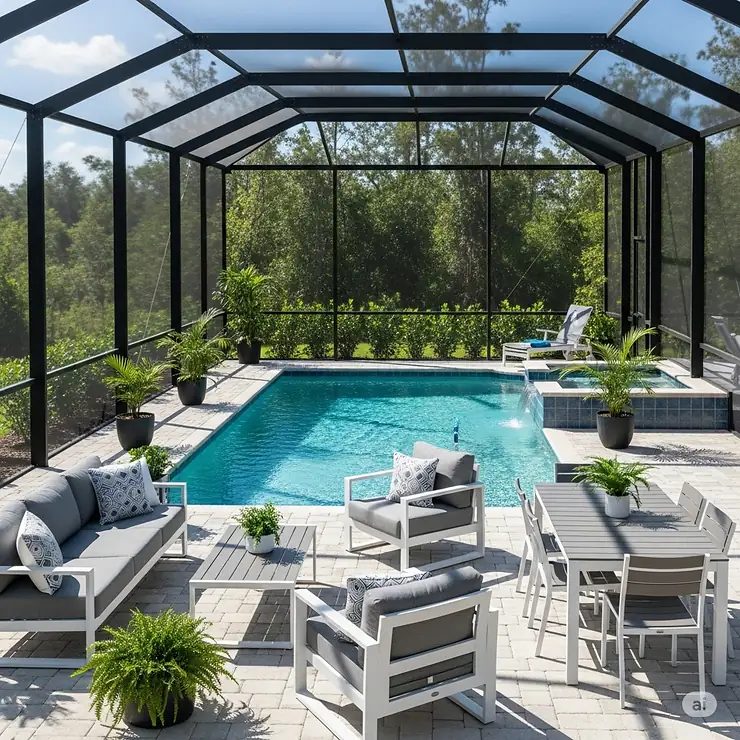
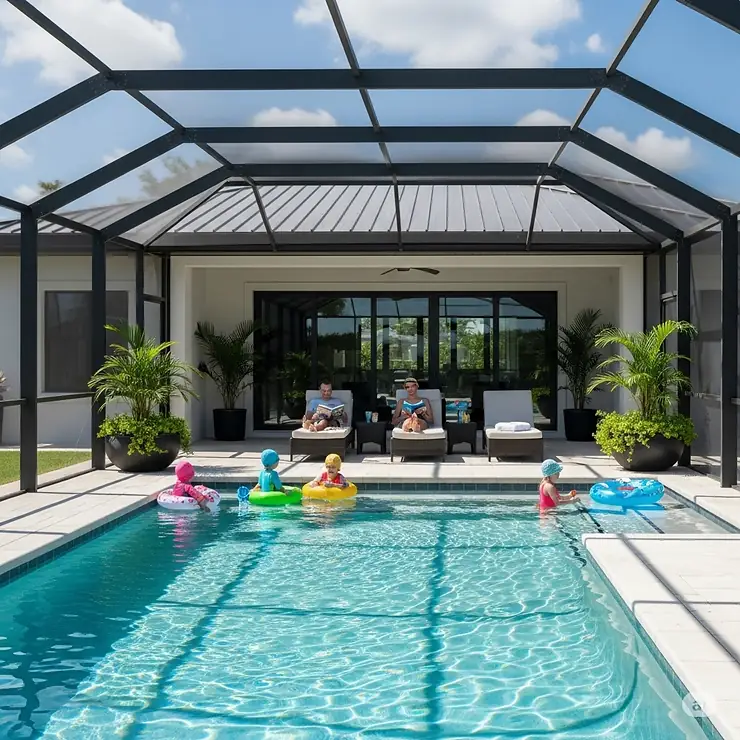
Picture this: you’re floating peacefully in your swimming pool, completely protected from buzzing mosquitoes, falling leaves, and harsh UV rays, yet still enjoying the gentle breeze and natural lighting. This isn’t a dream—it’s the reality that swimming pool screen enclosures create for millions of homeowners across America.
✨Was this helpful? Spread the word! 🚀
Whether you’re dealing with pesky insects during summer evenings or constantly fishing debris out of your pool, the right swimming pool screen enclosures can dramatically transform your outdoor living experience. These innovative structures have evolved far beyond simple bug barriers, now offering sophisticated solutions for pool maintenance, climate control, and year-round enjoyment.
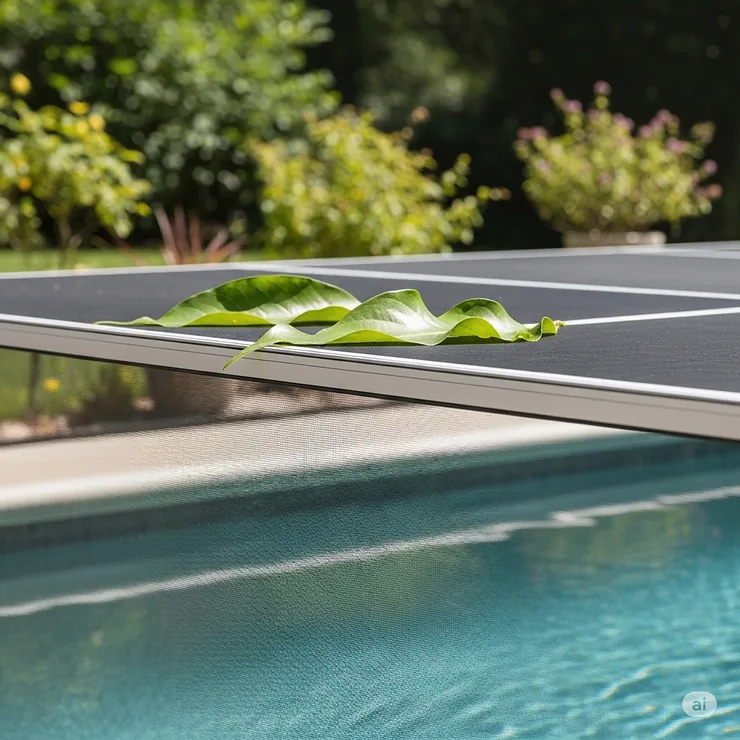
Moreover, swimming pool screen enclosures have become increasingly popular as homeowners seek ways to maximize their outdoor investments while minimizing maintenance headaches. Furthermore, the latest screen enclosure technologies offer remarkable durability and clarity that previous generations of pool owners could only dream of.
Understanding Swimming Pool Screen Enclosures: The Complete Overview
Swimming pool screen enclosures represent one of the most practical investments you can make for your backyard oasis. Essentially, these structures consist of lightweight aluminum or steel frameworks covered with specialized mesh screening designed to withstand outdoor conditions while maintaining excellent visibility and airflow.
Additionally, modern swimming pool screen enclosures serve multiple functions beyond basic insect protection. They create a semi-enclosed environment that significantly reduces pool maintenance by keeping out leaves, twigs, and other debris. Consequently, you’ll spend less time cleaning and more time enjoying your pool.
The engineering behind today’s pool screen enclosures incorporates decades of innovation in materials science and structural design. For instance, the mesh materials now available can filter UV radiation while maintaining crystal-clear visibility, something that seemed impossible just twenty years ago.
The Science Behind Pool Screen Mesh Technology
The heart of any swimming pool screen enclosure lies in its mesh material. Contemporary mesh technologies utilize advanced fiber compositions that balance several critical factors: insect protection, visibility, durability, and weather resistance.
Furthermore, mesh density measurements like 18×14 or 20×20 indicate the number of strands per linear inch in each direction. Higher numbers mean tighter weaves that block smaller insects but may slightly reduce airflow and visibility.
Interestingly, the development of vinyl-coated fiberglass represents a major breakthrough in pool screening technology. This coating process creates a protective barrier that prevents the glass fibers from becoming brittle under constant UV exposure, significantly extending the screen’s lifespan.
Top 7 Swimming Pool Screen Enclosure Products Available Today
Based on extensive research and customer feedback, these represent the most reliable and effective swimming pool screen enclosures currently available on Amazon:
1. Metro Screenworks Pool and Patio Screen Mesh Roll (36″ x 100 feet)
The Metro Screenworks Pool and Patio Screen Mesh Roll stands out as an exceptional choice for homeowners seeking professional-grade screening material. This fiberglass mesh features an 18×14 weave with .013″ diameter strands, providing excellent durability while maintaining superior visibility.
Customer reviews consistently praise this product’s ease of installation and long-term performance. One reviewer noted: “This screen was great to work with. It’s almost no see when installed and can be stretched very tight with no tearing.” The charcoal color effectively reduces glare while blending seamlessly with most architectural styles.
Key Specifications:
- Material: Heavy-duty fiberglass with vinyl coating
- Mesh Count: 18×14 weave
- Dimensions: 36″ width x 100 feet length
- Color: Charcoal
- Warranty: Standard manufacturer warranty
- Price Range: $60-80
2. Super Screen 17/14 Weather & Pet Proof Screen (72″ x 100 feet)
For families with pets or those seeking maximum durability, the Super Screen 17/14 offers unparalleled strength and longevity. This vinyl-coated polyester mesh boasts 300% greater tear strength than standard fiberglass screening, backed by an impressive 10-year limited warranty.
Additionally, this Super Screen product meets Green Guard Gold certification standards, ensuring it’s free from harmful volatile organic compounds. The 17/14 mesh configuration provides excellent visibility while effectively blocking most insects and debris.
Key Specifications:
- Material: Vinyl-coated polyester mesh
- Mesh Count: 17×14 weave
- Dimensions: 72″ width x 100 feet length
- Tear Strength: 300% greater than standard fiberglass
- Warranty: 10-year limited warranty
- Certifications: Green Guard Gold certified
- Price Range: $180-220
3. Phifer 3000063 Fiberglass Screen (84″ x 100 feet)
The Phifer 3000063 represents the gold standard in pool and patio screening, manufactured by the industry’s leading screen producer since 1952. This fiberglass screen features permanent glass yarn construction with protective vinyl coating, ensuring lasting beauty and flexibility.
Notably, Phifer screens have earned their reputation through rigorous testing and quality control measures. The 84-inch width makes this product ideal for large pool enclosures, reducing the number of seams required for complete coverage.
Key Specifications:
- Material: Permanent glass yarn with vinyl coating
- Mesh Count: 18×14 weave
- Dimensions: 84″ width x 100 feet length
- Features: Non-combustible, rust-resistant, stain-resistant
- Brand Heritage: Manufactured since 1952
- Price Range: $120-150
4. DOCA 96″ Window Screen Mesh (96″ x 100 feet)
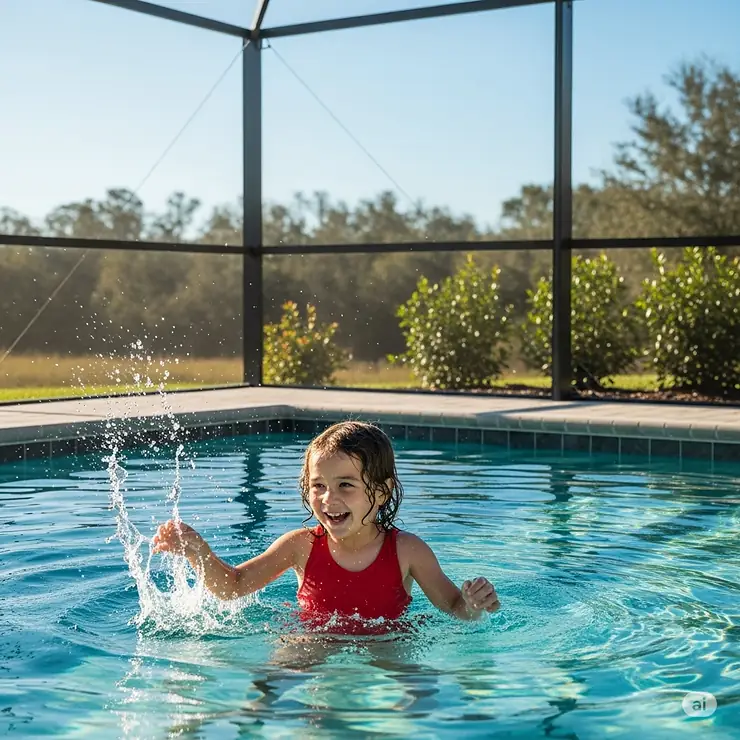
The DOCA 96″ Window Screen Mesh offers exceptional value for large-scale swimming pool screen enclosure projects. With its impressive 96-inch width, this fiberglass mesh minimizes seams and installation complexity while providing excellent durability and insect protection.
Furthermore, DOCA products feature an optimized 18×16 weave that balances transparency with performance. Customer feedback highlights the product’s resistance to wrinkling and its ability to maintain tension without tearing during installation.
Key Specifications:
- Material: High-grade fiberglass mesh
- Mesh Count: 18×16 weave
- Dimensions: 96″ width x 100 feet length
- Features: Anti-wrinkle, tear-resistant
- Application: Ideal for large enclosures
- Price Range: $90-120
5. Super Screen 20/20 No-See-Um Screen (72″ x 100 feet)
For areas plagued by tiny insects, the Super Screen 20/20 No-See-Um Screen provides unmatched protection against even the smallest flying pests. The ultra-tight 20×20 mesh weave effectively blocks no-see-ums, gnats, sand flies, and other minute insects while maintaining excellent airflow and visibility.
Moreover, this Super Screen variant combines pest protection with pet resistance, making it ideal for households with both small insect problems and active pets. The vinyl-coated polyester construction ensures long-term durability even under extreme weather conditions.
Key Specifications:
- Material: Vinyl-coated polyester mesh
- Mesh Count: 20×20 weave (ultra-tight)
- Dimensions: 72″ width x 100 feet length
- Insect Protection: Blocks no-see-ums and tiny insects
- Durability: Pet and weather resistant
- Price Range: $200-250
6. Florida Glass Privacy Screen (72″ x 25 feet)
The Florida Glass Privacy Screen offers a unique solution for homeowners seeking both insect protection and privacy enhancement. This vinyl-laminated fiberglass mesh creates an obscure glass appearance that blocks visibility from outside while allowing natural light to filter through.
Additionally, the lamination process creates a solid surface that completely blocks wind-blown debris, making it ideal for lower panels of pool enclosures where privacy and debris protection are priorities.
Key Specifications:
- Material: Vinyl-laminated fiberglass
- Appearance: Obscure glass effect
- Dimensions: 72″ width x 25 feet length
- Features: Privacy enhancement, debris blocking
- Applications: Lower enclosure panels, privacy screens
- Price Range: $80-100
7. DOCA Pet Screen Mesh (36″ x 50 feet)
The DOCA Pet Screen Mesh specifically addresses the needs of pet owners who struggle with traditional screening materials. Featuring a 15×10 weave with vinyl-coated polyester construction, this screen provides enhanced strength and elasticity to withstand pet interaction.
Importantly, DOCA Pet Screen requires a smaller diameter spline due to its thicker material composition. Customer reviews consistently mention its durability, with one noting: “It has survived months with four cats and hasn’t ripped.”
Key Specifications:
- Material: Vinyl-coated polyester
- Mesh Count: 15×10 weave
- Dimensions: 36″ width x 50 feet length
- Pet Resistance: Enhanced strength and elasticity
- Installation Note: Requires smaller diameter spline
- Price Range: $70-90
Industry-Specific Applications of Swimming Pool Screen Enclosures
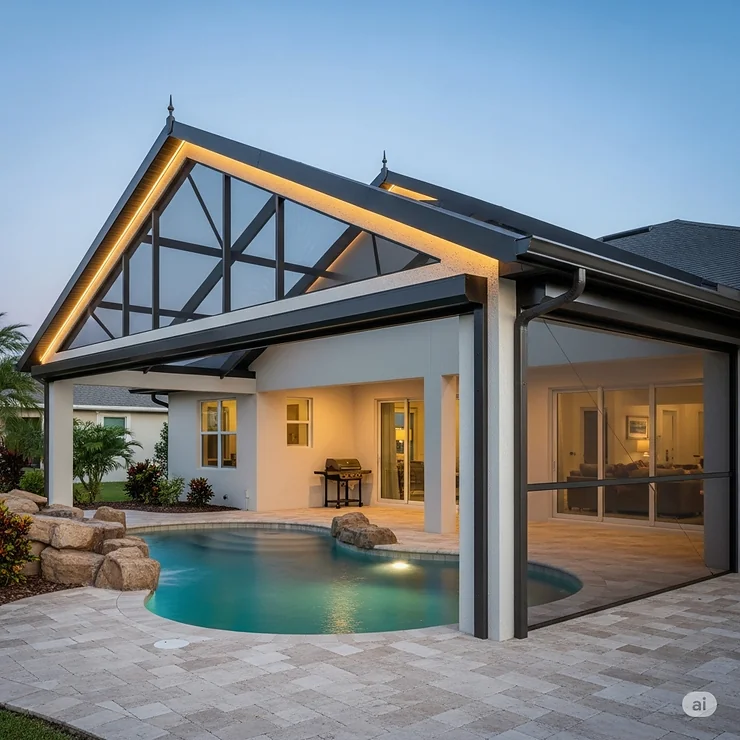
Swimming pool screen enclosures serve diverse applications across residential, commercial, and institutional settings. Understanding these varied use cases helps homeowners make informed decisions about their specific screening needs.
Residential Pool Environments
In residential settings, swimming pool screen enclosures primarily focus on family comfort and property value enhancement. Homeowners typically prioritize insect protection, debris reduction, and aesthetic appeal when selecting screening materials.
Furthermore, residential applications often require customization to match existing architectural styles and landscape designs. The screening material must complement the home’s exterior while providing practical benefits that justify the investment.
Modern residential pool screen enclosures frequently incorporate multiple mesh types within a single structure. For example, homeowners might use privacy screening for lower panels while employing clear visibility mesh for upper areas.
Commercial Pool Applications
Commercial swimming facilities face unique challenges that residential pools rarely encounter. These include higher usage volumes, stricter safety regulations, and the need for low-maintenance solutions that can withstand constant use.
Additionally, commercial pool screen enclosures must consider factors like emergency egress, wind load calculations, and compliance with local building codes. The screening materials selected must balance durability with cost-effectiveness over extended operational periods.
Commercial applications often favor heavier-duty screening materials with enhanced UV resistance and tear strength. The investment in premium materials typically pays dividends through reduced maintenance costs and extended replacement intervals.
Hospitality and Resort Environments
Hotels, resorts, and vacation rental properties utilize swimming pool screen enclosures to enhance guest experiences while minimizing operational costs. These environments require screening solutions that maintain aesthetic appeal while providing reliable performance across diverse weather conditions.
Moreover, hospitality applications often incorporate specialized features like removable panels for seasonal adjustments or enhanced privacy screening for exclusive guest areas. The screening must withstand frequent cleaning and maintenance activities without degrading.
Resort environments frequently utilize custom color options and architectural integration to create seamless visual transitions between indoor and outdoor spaces. The screening becomes an integral part of the property’s design aesthetic rather than simply a functional addition.
Educational and Institutional Facilities
Schools, universities, and community centers employ swimming pool screen enclosures to extend facility usage while ensuring user safety and comfort. These applications typically emphasize durability, safety compliance, and minimal maintenance requirements.
Furthermore, institutional applications often require screening materials that meet specific safety standards and fire resistance ratings. The installation must accommodate high-volume usage while providing reliable protection against insects and debris.
Educational facilities frequently incorporate swimming pool screen enclosures as part of comprehensive aquatic programs that operate year-round. The screening enables consistent programming regardless of seasonal weather variations.
Healthcare and Therapy Applications
Medical facilities and therapy centers utilize specialized swimming pool screen enclosures to create controlled environments for aquatic rehabilitation and therapeutic activities. These applications require screening materials that maintain hygienic conditions while providing comfortable environments for patients.
Additionally, healthcare applications often incorporate UV filtering capabilities to protect sensitive individuals from harmful solar radiation. The screening must accommodate medical equipment and accessibility requirements while maintaining therapeutic environment quality.
Therapy-focused pool enclosures frequently feature removable or adjustable panels to accommodate varying patient needs and seasonal program requirements. The flexibility allows facilities to optimize environments for different therapeutic activities.
Advanced Technical Analysis of Pool Screen Materials
Understanding the technical specifications and engineering principles behind swimming pool screen enclosures enables informed decision-making and optimal performance outcomes. Modern screening materials incorporate sophisticated manufacturing processes and material science innovations.
Fiber Composition and Manufacturing Processes
Contemporary pool screening materials primarily utilize three base fiber types: fiberglass, polyester, and vinyl-coated combinations. Each material offers distinct advantages in terms of durability, visibility, and weather resistance.
Fiberglass fibers provide excellent UV resistance and dimensional stability, making them ideal for long-term outdoor applications. The manufacturing process involves drawing molten glass into fine filaments that are then woven into mesh patterns.
Moreover, the protective vinyl coating applied to fiberglass significantly enhances durability by preventing fiber degradation and improving flexibility. This coating process represents a critical advancement in pool screening technology.
Polyester-based screens offer superior tear resistance and elasticity, particularly important for applications involving pet interaction or extreme weather conditions. The synthetic fiber construction provides enhanced strength characteristics compared to natural fiber alternatives.
Mesh Configuration and Performance Characteristics
The mesh configuration of swimming pool screen enclosures directly impacts their performance characteristics across multiple dimensions. Understanding these relationships helps optimize selection for specific applications and environments.
Mesh density measurements indicate the number of strands per linear inch in both horizontal and vertical directions. Higher density configurations provide enhanced insect protection but may reduce airflow and visibility slightly.
Furthermore, the strand diameter influences both strength and transparency. Thicker strands provide greater durability but create more visual obstruction, while thinner strands maximize clarity but may compromise longevity.
The weaving pattern also affects screen performance, with balanced weaves providing optimal combinations of strength and visibility. Specialized weaving techniques can create enhanced properties for specific applications.
UV Resistance and Weather Durability Testing
Swimming pool screen enclosures must withstand continuous exposure to ultraviolet radiation, temperature fluctuations, and precipitation throughout their service lives. Standardized testing protocols evaluate material performance under accelerated aging conditions.
UV resistance testing exposes materials to concentrated ultraviolet radiation equivalent to years of natural exposure, measuring degradation in strength, flexibility, and color retention. Premium screening materials demonstrate minimal property changes even after extensive UV exposure.
Additionally, weather durability testing evaluates material performance under cyclic temperature changes, moisture exposure, and wind load conditions. These tests simulate decades of natural weathering in compressed timeframes.
Chemical resistance testing ensures that pool screening materials can withstand exposure to chlorine, salt water, and other chemicals commonly present in pool environments without experiencing degradation or discoloration.
Airflow and Visibility Optimization
Modern swimming pool screen enclosures must balance multiple performance requirements, with airflow and visibility representing critical factors in user satisfaction and comfort. Engineering analysis helps optimize these characteristics.
Computational fluid dynamics modeling enables precise prediction of airflow patterns through different mesh configurations under various wind conditions. This analysis helps select optimal screening materials for specific geographic locations and exposure conditions.
Furthermore, visibility testing measures light transmission and optical clarity under different lighting conditions. Premium screening materials maintain excellent visibility while providing effective insect protection and UV filtering.
The relationship between mesh density and airflow follows predictable patterns, with tighter weaves reducing air movement but providing enhanced protection. Balancing these factors requires careful consideration of local climate conditions and usage patterns.
💬 Just one click – help others make better buying decisions too! 😊
Comprehensive Setup and Installation Guide
Installing swimming pool screen enclosures requires careful planning, proper tools, and attention to detail to ensure optimal performance and longevity. This comprehensive guide covers all aspects from initial planning through final installation.
Pre-Installation Planning and Site Assessment
Successful pool screen enclosure installation begins with thorough site assessment and planning. This critical phase determines the project’s scope, material requirements, and potential challenges that may arise during installation.
Site measurement accuracy is paramount, as even small errors can result in material shortages or installation complications. Professional-grade measuring tools and techniques ensure precise calculations for framework and screening requirements.
Furthermore, local building codes and permit requirements vary significantly by location and must be thoroughly researched before beginning any installation project. Many jurisdictions require professional engineering calculations for structural elements.
Environmental factors like prevailing wind patterns, sun exposure, and proximity to trees or other debris sources influence screening material selection and structural design decisions. These considerations directly impact long-term performance and maintenance requirements.
Foundation and Framework Requirements
The structural foundation for swimming pool screen enclosures must provide adequate support for both static loads and dynamic wind forces. Proper foundation design ensures system stability and longevity under all weather conditions.
Concrete footings typically provide the most reliable foundation system, with depth and size calculations based on local soil conditions and expected load requirements. Professional soil analysis may be necessary for challenging site conditions.
Additionally, aluminum framework components must be properly sized and connected to withstand local wind load requirements. Most jurisdictions specify minimum design standards based on regional weather patterns and historical data.
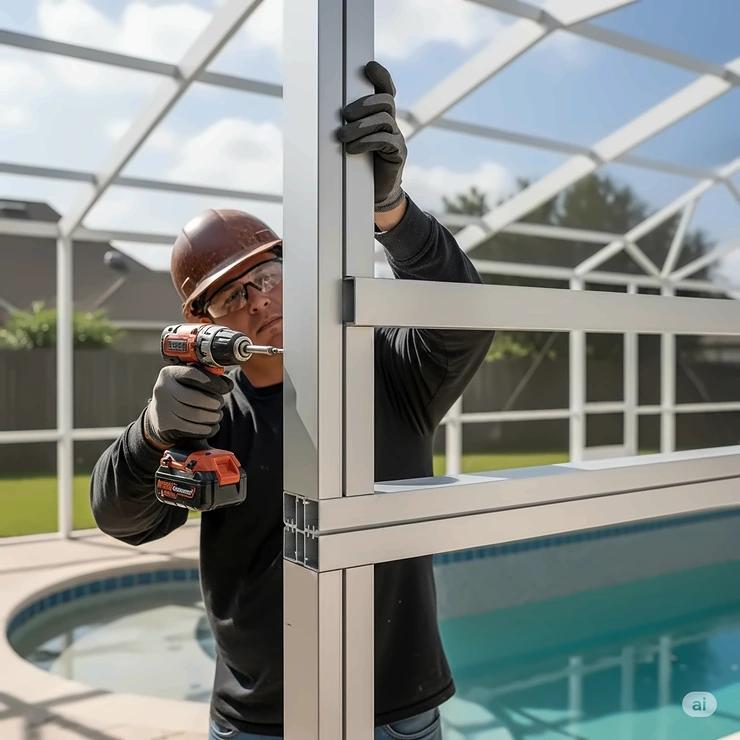
Framework assembly requires precision alignment and proper fastening techniques to ensure structural integrity and screen tension distribution. Inadequate framework preparation often leads to premature screen failure and system performance issues.
Screen Material Installation Techniques
Proper screen installation technique directly affects performance, appearance, and longevity of swimming pool screen enclosures. Following established procedures ensures optimal results and minimizes future maintenance requirements.
Screen tensioning must be carefully controlled to provide adequate tautness without overstressing the material or framework. Proper tension prevents sagging while avoiding excessive stress that could lead to premature failure.
Moreover, seaming techniques for joining multiple screen panels require specific overlapping and fastening methods to maintain weather resistance and structural continuity. Improper seaming often results in weak points that fail under stress.
Temperature considerations during installation affect final screen tension and appearance. Installation should occur during moderate temperature conditions to avoid thermal expansion or contraction issues after completion.
Tool Requirements and Safety Considerations
Professional-quality tools and safety equipment are essential for successful swimming pool screen enclosure installation. Inadequate tools often lead to poor results and potential safety hazards during the installation process.
Basic tool requirements include measuring devices, cutting tools, fastening equipment, and tensioning devices specifically designed for screen installation applications. Professional-grade tools provide superior results and enhanced safety.
Furthermore, safety considerations include proper ladder usage, electrical hazard awareness, and personal protective equipment requirements. Screen installation often involves working at height, requiring appropriate safety precautions and equipment.
Weather conditions during installation significantly impact both safety and quality outcomes. Installation should be avoided during high wind, precipitation, or extreme temperature conditions that could compromise safety or material performance.
Quality Control and Final Inspection
Systematic quality control throughout the installation process ensures optimal performance and identifies potential issues before they become serious problems. Professional installation standards provide guidelines for acceptable tolerances and appearance criteria.
Visual inspection should verify proper screen tension, alignment, and fastening throughout the entire enclosure. Uneven tension or misalignment indicates installation issues that require correction before project completion.
Additionally, functional testing should verify adequate airflow, visibility, and structural stability under normal operating conditions. Any performance deficiencies should be addressed before final project acceptance.
Documentation of installation procedures, materials used, and warranty information provides valuable reference for future maintenance and potential warranty claims. Proper documentation protects both installer and customer interests.
Maintenance and Longevity Strategies
Maintaining swimming pool screen enclosures requires systematic attention to both preventive and corrective maintenance activities. Proper maintenance significantly extends service life while ensuring optimal performance and appearance.
Daily and Weekly Maintenance Protocols
Regular inspection and basic cleaning represent the foundation of effective pool screen enclosure maintenance. These simple activities prevent minor issues from developing into major problems requiring extensive repairs.
Daily visual inspection should identify any obvious damage, debris accumulation, or performance issues requiring immediate attention. Early detection of problems enables prompt corrective action before damage spreads.
Furthermore, weekly cleaning with appropriate methods and materials removes accumulated debris and prevents staining or material degradation. Gentle cleaning techniques preserve screen integrity while maintaining appearance and performance.
Water quality monitoring in pool environments helps identify potential chemical exposure issues that could affect screen materials. Maintaining proper chemical balance protects screening materials from premature degradation.
Monthly and Quarterly Maintenance Activities
More comprehensive maintenance activities performed monthly and quarterly address systematic wear patterns and environmental effects that develop over time. These activities require more detailed inspection and potentially specialized tools or materials.
Monthly framework inspection should verify all connections remain secure and show no signs of corrosion or structural deterioration. Loose connections should be tightened and any corrosion addressed promptly.
Additionally, quarterly screen tension verification ensures optimal performance and appearance. Screen materials may relax over time, requiring periodic adjustment to maintain proper tension and prevent sagging.
Drainage system inspection and cleaning prevent water accumulation that could lead to framework corrosion or screen damage. Proper drainage is essential for long-term system performance and structural integrity.
Annual Maintenance and Professional Inspection
Comprehensive annual maintenance should include professional inspection and any necessary repairs or adjustments to ensure continued safe and effective operation. Professional evaluation can identify issues that might not be apparent to untrained observers.
Structural assessment should verify that all framework components remain within acceptable tolerances and show no signs of fatigue or deterioration. Professional engineering evaluation may be necessary for older installations.
Moreover, screen material evaluation should assess remaining service life and performance characteristics to plan for future replacement needs. Proactive replacement planning prevents unexpected failures and service interruptions.
Documentation of annual maintenance activities provides valuable historical data for tracking system performance and planning future maintenance requirements. This information helps optimize maintenance schedules and budgets.
Troubleshooting Common Issues
Understanding common swimming pool screen enclosure problems and their solutions enables effective maintenance and extends system service life. Many issues can be resolved through proper diagnosis and appropriate corrective action.
Screen sagging typically results from inadequate tension, framework settling, or material relaxation over time. Proper re-tensioning techniques can often restore acceptable performance without requiring screen replacement.
Furthermore, localized damage from wind-blown debris or pet interaction usually requires patch repairs or partial screen replacement. Prompt attention to localized damage prevents expansion and more extensive repair requirements.
Framework alignment issues may develop due to foundation settling or thermal expansion effects. Professional assessment is often necessary to determine appropriate corrective measures for structural problems.
Water intrusion problems typically indicate inadequate sealing or drainage system issues. Proper diagnosis requires systematic evaluation of all potential entry points and drainage pathways.
Comparative Analysis: Pool Screen Enclosures vs. Alternative Solutions
Understanding how swimming pool screen enclosures compare with alternative pool protection and enhancement solutions helps homeowners make informed decisions based on their specific needs, budgets, and preferences.
Traditional Pool Covers vs. Screen Enclosures
Traditional pool covers provide excellent debris protection and help maintain water temperature, but they lack the year-round usability that swimming pool screen enclosures offer. Pool covers require manual deployment and storage, limiting spontaneous pool use.
Furthermore, pool covers provide no insect protection during actual pool use, while screen enclosures create a comfortable environment for extended pool activities. The convenience factor strongly favors screen enclosures for active pool users.
However, pool covers excel at heat retention and chemical conservation, providing operational cost benefits that screen enclosures cannot match. The choice often depends on whether convenience or operating cost takes priority.
Maintenance requirements differ significantly, with pool covers requiring regular cleaning and storage procedures while screen enclosures need ongoing structural maintenance and eventual replacement.
Glass Enclosures vs. Screen Solutions
Glass pool enclosures provide superior weather protection and climate control compared to screen alternatives, but at significantly higher cost and complexity. Glass systems often require heating and ventilation systems for year-round comfort.
Additionally, glass enclosures create fully enclosed environments that may feel claustrophobic compared to the open-air feeling that screen enclosures provide. The psychological impact of full enclosure varies among users.
Maintenance complexity and cost typically favor screen enclosures, as glass systems require specialized cleaning and potential mechanical system maintenance. Screen systems rely primarily on simple cleaning and periodic screen replacement.
The aesthetic impact varies with architectural style and personal preference, with glass enclosures providing modern contemporary appearance while screen enclosures offer more traditional outdoor integration.
Retractable Solutions vs. Fixed Installations
Retractable pool enclosure systems offer maximum flexibility, allowing users to choose between protected and open environments as conditions warrant. However, mechanical complexity and cost significantly exceed fixed screen installations.
Moreover, retractable systems require regular mechanical maintenance and eventual component replacement, creating ongoing operational costs that fixed screen enclosures do not generate.
Weather protection capabilities may be superior with retractable systems during storms, but everyday insect and debris protection remains equivalent between the systems when deployed.
The aesthetic appeal of retractable systems depends on personal preference, with some users preferring the clean appearance when retracted while others appreciate the permanent protection of fixed installations.
Landscaping and Natural Barrier Alternatives
Natural windbreaks and landscaping barriers can provide some pool protection while enhancing property aesthetics, but they lack the comprehensive protection that engineered screen enclosures provide.
Furthermore, natural barriers require years to establish and provide inconsistent protection that varies with seasonal growth patterns and weather conditions. Screen enclosures provide immediate, consistent protection from installation.
Maintenance requirements for natural barriers include ongoing pruning, pest control, and replacement of damaged plants, creating different but potentially significant ongoing costs compared to screen enclosures.
The environmental benefits of natural barriers may appeal to environmentally conscious homeowners, while screen enclosures provide more predictable and controllable protection characteristics.
### Transform Your Pool Experience Today! 🏊♂️
Ready to eliminate endless pool cleaning and enjoy pest-free swimming? These top-rated swimming pool screen enclosures offer the perfect solution for your backyard oasis. Click on any highlighted product above to check current pricing and customer reviews – your future self will thank you for making pool maintenance effortless! ⭐
Case Studies and Success Stories
Real-world applications of swimming pool screen enclosures demonstrate their practical benefits and provide valuable insights for homeowners considering similar installations. These case studies highlight diverse applications and outcomes.
Residential Family Pool Transformation
The Johnson family in Central Florida struggled with constant pool maintenance due to their property’s proximity to large oak trees and seasonal insect populations. Their original pool required daily skimming and weekly professional cleaning services.
After installing a comprehensive swimming pool screen enclosure using Metro Screenworks 18×14 mesh, their maintenance routine reduced to occasional light cleaning. The family reported saving over $2,000 annually in professional cleaning costs while enjoying significantly more pool time.
Furthermore, the enclosure enabled comfortable evening swimming during summer months when mosquito activity previously made pool use unpleasant. Family pool usage increased by an estimated 60% following installation.
The project’s total cost of $8,500 for materials and professional installation paid for itself within four years through reduced maintenance costs and increased property value.
Commercial Resort Pool Enhancement
A boutique resort in South Carolina installed swimming pool screen enclosures around their main pool area to enhance guest experience while reducing operational costs. The resort faced challenges with debris from surrounding vegetation and guest complaints about insect activity.
Implementation of Super Screen 17/14 material with 10-year warranty provided durable protection that withstood Hurricane-force winds during the installation’s first season. Guest satisfaction scores increased 25% in categories related to pool facility quality.
Additionally, the resort eliminated the need for twice-daily pool skimming and reduced chemical usage by 30% due to decreased contamination from organic debris. Annual pool maintenance costs decreased by $4,200.
The installation’s aesthetic integration enhanced the property’s upscale appearance while providing practical benefits that improved both guest experience and operational efficiency.
Community Center Year-Round Program Expansion
A municipal community center in North Carolina needed to extend their aquatic program schedule beyond traditional summer months. Limited indoor pool space restricted program capacity during peak demand periods.
Installing swimming pool screen enclosures around their outdoor pool enabled year-round programming in their temperate climate. The Phifer screening system provided weather protection while maintaining the outdoor swimming experience that participants preferred.
Moreover, program participation increased 40% as families could enjoy comfortable swimming during traditionally unusable months. Revenue from aquatic programs increased proportionally while operating costs remained stable.
The community center’s investment of $12,000 generated additional annual revenue exceeding $15,000 within two years of installation, demonstrating strong return on investment for public facilities.
Therapeutic Pool Application
A physical therapy clinic specializing in aquatic rehabilitation needed to provide consistent environmental conditions for patient treatments throughout the year. Outdoor pool usage was limited by weather and insect interference.
Custom swimming pool screen enclosures using DOCA mesh with privacy screening enabled year-round therapeutic programs while protecting sensitive patients from environmental stressors. Treatment consistency improved significantly with controlled conditions.
Furthermore, patient compliance increased as comfort levels improved during outdoor aquatic therapy sessions. Treatment outcomes showed measurable improvement when consistent environmental conditions were maintained.
The clinic’s investment enabled expansion of their aquatic therapy program, generating additional revenue while improving patient care quality through enhanced environmental control.
Future Trends and Market Evolution
The swimming pool screen enclosure industry continues evolving through technological advancement, changing consumer preferences, and environmental considerations. Understanding these trends helps inform long-term investment decisions.
Smart Integration and Automation
Emerging technologies enable integration of swimming pool screen enclosures with home automation systems for enhanced convenience and performance optimization. Smart sensors can monitor environmental conditions and adjust ventilation or lighting automatically.
Furthermore, motorized screen systems are becoming more reliable and affordable, enabling retractable functionality that previously required significant investment. These systems offer flexibility while maintaining the protective benefits of traditional installations.
Weather monitoring integration allows automatic system adjustment based on forecasted conditions, optimizing protection while maximizing usability during favorable weather periods.
Remote monitoring capabilities enable property managers and homeowners to track system performance and receive alerts about maintenance needs or weather-related issues requiring attention.
Sustainable Materials and Manufacturing
Environmental consciousness drives development of more sustainable screening materials and manufacturing processes. Recycled content and biodegradable materials are increasingly available for environmentally conscious consumers.
Additionally, manufacturing efficiency improvements reduce material waste and energy consumption during production, lowering environmental impact while potentially reducing costs for consumers.
Solar integration opportunities enable swimming pool screen enclosures to incorporate photovoltaic elements for energy generation while maintaining their primary protective functions.
End-of-life recycling programs for screening materials help reduce landfill impact while providing cost-effective disposal options for replaced materials.
Advanced Material Technologies
Nanotechnology applications enable development of screening materials with enhanced properties including self-cleaning surfaces, improved UV resistance, and antimicrobial characteristics that maintain hygienic conditions.
Moreover, photochromic materials that adjust transparency based on light conditions provide automatic glare control while maintaining optimal visibility under varying lighting conditions.
Selective filtering capabilities enable screening materials to block specific wavelengths while allowing beneficial light transmission, optimizing both protection and environmental quality.
Enhanced strength-to-weight ratios in new material formulations provide improved durability while reducing structural requirements and installation complexity.
Market Expansion and Accessibility
Increased market competition and manufacturing efficiency continue reducing costs while improving quality, making swimming pool screen enclosures accessible to broader market segments.
Furthermore, modular design approaches enable easier installation and maintenance while reducing overall system costs through standardized components and simplified assembly procedures.
Financing options and leasing programs make premium screening systems available to consumers who prefer to avoid large upfront investments while enjoying immediate benefits.
International market expansion brings additional competition and innovation as global manufacturers enter domestic markets with advanced technologies and competitive pricing.
Investment and Purchase Decision Framework
Making informed decisions about swimming pool screen enclosures requires systematic evaluation of multiple factors including cost, performance, and long-term value considerations.
Total Cost of Ownership Analysis
Understanding the complete financial picture requires evaluation of initial costs, ongoing maintenance expenses, and potential savings from reduced pool maintenance and energy costs over the system’s expected service life.
Initial investment includes materials, professional installation, and any necessary permits or engineering requirements. Premium materials typically command higher initial costs but may provide superior long-term value through enhanced durability.
Furthermore, ongoing maintenance costs include periodic cleaning, occasional repairs, and eventual screen replacement. These costs vary significantly based on material selection, environmental conditions, and usage patterns.
Operational savings from reduced pool maintenance, chemical usage, and potential energy savings from improved climate control can offset installation costs over time, improving overall return on investment.
Performance Evaluation Criteria
Systematic evaluation of performance characteristics helps identify optimal solutions for specific applications and environmental conditions. Key criteria include insect protection effectiveness, visibility, durability, and weather resistance.
Insect protection capabilities vary with mesh density and material composition, with tighter weaves providing enhanced protection against smaller insects but potentially reducing airflow and visibility.
Additionally, visibility requirements depend on user preferences and architectural considerations, with some applications favoring maximum transparency while others may benefit from privacy enhancement features.
Durability expectations should align with local environmental conditions and expected usage patterns, with high-exposure applications justifying investment in premium materials with extended service lives.
Weather resistance becomes critical in areas subject to severe storms, high winds, or extreme temperature variations that could stress screening materials beyond their design limitations.
Implementation Strategy Development
Successful swimming pool screen enclosure implementation requires careful planning and coordination of multiple project phases from initial assessment through final installation and commissioning.
Site assessment should identify any unique challenges or requirements that could affect material selection, installation procedures, or ongoing maintenance needs throughout the system’s service life.
Moreover, timing considerations include seasonal weather patterns, permit processing times, and contractor availability that could affect project scheduling and completion timing.
Contractor selection criteria should emphasize experience with similar installations, proper licensing and insurance coverage, and demonstrated quality of previous work through references and portfolio review.
Project management protocols ensure coordination between multiple trades, material delivery scheduling, and quality control throughout the installation process to achieve optimal results.
Performance Monitoring and Optimization
Establishing systematic monitoring procedures enables ongoing performance optimization and early identification of maintenance needs or potential improvements to maximize system value.
Performance metrics might include visual appearance, structural integrity, insect protection effectiveness, and user satisfaction levels measured through regular assessment procedures.
Furthermore, maintenance tracking helps identify patterns that could indicate material selection optimization opportunities or procedural improvements for future installations or system upgrades.
Long-term planning considerations include material replacement scheduling, potential system upgrades, and changing usage requirements that might warrant system modifications or enhancements.
Documentation maintenance provides valuable reference information for warranty claims, insurance purposes, and future maintenance or modification planning throughout the system’s service life.
| Comparison Table: Pool Screen Enclosure Materials |
|---|
| Material Type |
| Standard Fiberglass |
| Vinyl-Coated Fiberglass |
| Super Screen Polyester |
| Privacy Laminated |
| Pet-Specific Polyester |
| No-See-Um Mesh |
| Installation Complexity Comparison |
|---|
| Installation Type |
| Small Patio Screen |
| Medium Pool Enclosure |
| Large Pool Complex |
| Commercial Installation |
| Regional Climate Considerations |
|---|
| Climate Zone |
| Southeast Coastal |
| Southwest Desert |
| Northeast Temperate |
| Midwest Continental |
| Pacific Northwest |
| Cost-Benefit Analysis Framework |
|---|
| Benefit Category |
| Reduced Pool Cleaning |
| Chemical Savings |
| Extended Season Use |
| Property Value Increase |
| Energy Savings |
| Maintenance Reduction |
❓ Frequently Asked Questions
❓ How long do swimming pool screen enclosures typically last?
❓ What mesh size is best for pool screen enclosures?
❓ Can I install swimming pool screen enclosures myself?
❓ How much do professional swimming pool screen enclosures cost?
❓ Do swimming pool screen enclosures increase property value?
Recommended for You:
- 7 Best Pools with Stairs for Ultimate Safety and Comfort in 2025
- 7 Best Above Ground Pool Stairs with Deck: Ultimate Safety Guide 2025
- 10 Best Pool Handrail Covers for Ultimate Safety and Comfort in 2025
Conclusion
Swimming pool screen enclosures represent one of the most practical and valuable investments homeowners can make for their outdoor living spaces. Throughout this comprehensive guide, we’ve explored how these innovative structures transform pool ownership from a maintenance-heavy burden into a year-round source of enjoyment and relaxation.
The evidence is clear: quality swimming pool screen enclosures deliver measurable benefits that extend far beyond simple insect protection. From dramatically reduced maintenance costs to extended swimming seasons and enhanced property values, these systems provide compelling returns on investment while improving daily quality of life.
Moreover, the advanced materials and installation techniques now available ensure that modern pool screen enclosures offer superior durability, visibility, and weather resistance compared to previous generations. Products like the Metro Screenworks Pool and Patio Screen Mesh, Super Screen weather-resistant systems, and Phifer professional-grade materials represent the pinnacle of screening technology.
Furthermore, the systematic approach to selection, installation, and maintenance outlined in this guide enables homeowners to make informed decisions that maximize value while minimizing long-term costs. Understanding the technical specifications, performance characteristics, and application requirements ensures optimal outcomes for any swimming pool screen enclosure project.
Finally, as the industry continues evolving through technological advancement and environmental consciousness, swimming pool screen enclosures will become even more sophisticated and accessible. Investing in quality screening systems today positions homeowners to enjoy decades of enhanced pool experiences while protecting their investment through increased property value and reduced operational costs.
⭐ Start Your Pool Transformation Journey Today! 🌟
Don’t let another season pass dealing with constant pool maintenance and pest problems. The swimming pool screen enclosures featured in this guide offer proven solutions that thousands of homeowners trust. Click any highlighted product name to explore current pricing, read customer reviews, and take the first step toward effortless pool enjoyment. Your perfect backyard oasis awaits! 🏊♀️✨
Disclaimer: This article contains affiliate links. If you purchase products through these links, we may earn a small commission at no additional cost to you.
✨ Found this helpful? Share it with your friends! 💬🤗
