
In This Article
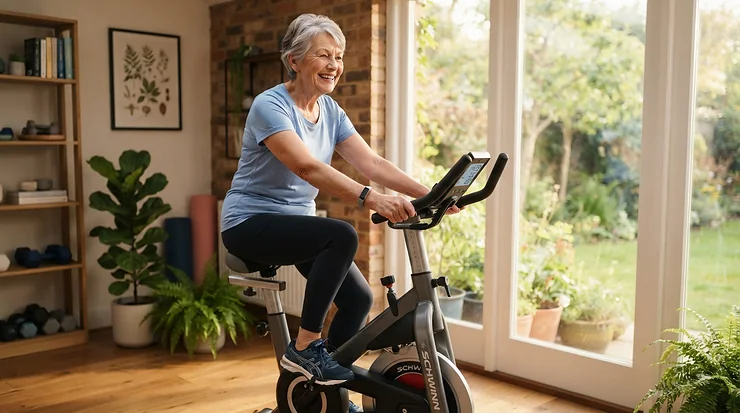
A gel bike seat for exercise bike use is a padded cushion or replacement saddle — made from gel, memory foam, or a blend of both — that slips over or swaps out your stationary bike’s factory saddle to spread your weight more evenly and cut down on soreness during longer rides. That’s the textbook version. Here’s the human version: your spin bike came with a seat shaped like a doorstop, and after fifteen minutes your sit bones are filing a formal complaint. You’re not imagining it, and you’re definitely not alone — this is one of the most searched fixes in the entire indoor cycling world, right up there with “why does my Peloton make that clicking noise.”
The good news is that the fix is cheap, fast, and doesn’t require a single tool in most cases. The less good news is that the market is flooded with near-identical gel covers, and picking blindly can leave you with a cushion that looks plush in the photo and feels like a pool noodle after week two. Researchers first took saddle discomfort seriously as an occupational health issue back in 2000, when bicycle patrol officers in Long Beach reported groin numbness on the job — which tells you this isn’t some manufactured problem invented by seat-cover marketers. It’s a real biomechanical issue, and understanding it is the difference between buying a cushion and buying a solution.
This guide walks through seven real, currently available products — covers and full saddle replacements, gel and memory foam, budget and splurge — plus the comparison data, the buying framework, and the maintenance tricks nobody puts in the Amazon bullet points.
Quick Comparison Table
Before the deep dive, here’s the fast-scan version for anyone who just wants the highlight reel.
| Product | Type | Best For | Price Range |
|---|---|---|---|
| Bikeroo Comfort Bike Seat Cushion | Gel cover | Best overall value | Under $30 |
| Sunlite Cloud-9 Suspension Saddle | Full gel/foam saddle | Best premium upgrade | $30-$45 |
| YLG Oversized Comfort Bike Seat | Memory foam saddle | Best for wider riders | $35-$50 |
| Domain Cycling XL Gel Cushion | Gel cover | Best for recumbent bikes | Under $25 |
| Bikeroo Oversized Wide Cushion | Memory foam saddle | Best narrow-nose design | $30-$40 |
The pattern here is worth noticing before you read another word: the cheapest fixes are covers you strap over the existing seat, while the pricier options replace the saddle outright. A cover buys you comfort in five minutes; a full saddle swap buys you a genuinely different shape, which matters more than people expect once you’re past the 20-minute mark on a ride. We’ll get into exactly why in the sections below — for now, know that neither approach is “wrong,” they just solve slightly different problems.
Found your favorite already? Tap the bold name above to check today’s price and availability.
Top 7 Gel Bike Seats for Exercise Bikes: Expert Analysis
1. Bikeroo Comfort Bike Seat Cushion — best all-around gel cover for the price
The standout here is simple math: it’s one of the best-reviewed bike seat covers on Amazon, and it earns that reputation by doing the basics right. The cushion pairs a gel core with a polyester shell, measures roughly 11 by 10 inches, and slides over your existing saddle with a drawstring closure — no screwdriver, no bracket swap, just five minutes and you’re pedaling in relative peace.
What the spec sheet won’t tell you is how the anti-slip interior actually behaves in practice: on a stationary bike, where you’re not hitting bumps but you are shifting your weight constantly during intervals, a cushion that creeps sideways is worse than no cushion at all. Reviewers consistently note that this one stays put through sweaty, high-cadence sessions, which is the exact scenario where cheaper knockoffs tend to bunch up. Based on the spec comparison against similar covers in this price tier, the Bikeroo earns its “best all-around” tag mainly through consistency rather than any single flashy feature.
Aggregated review sentiment is unusually strong for an accessory this affordable — the product carries tens of thousands of ratings averaging in the low 4-star range, with recurring praise for how it transforms hard factory saddles on Peloton-style bikes specifically. A common complaint in the review pool involves fit on unusually narrow performance saddles, so measure first if your bike came with a slim racing-style seat.
Pros:
- ✅ Universal drawstring fit works on most stationary bikes
- ✅ Strong anti-slip interior holds position during hard intervals
- ✅ Exceptional review volume backs up the comfort claims
Cons:
- ❌ Can feel bulky under riders who prefer a slimmer profile
- ❌ Narrow performance saddles may not accept the cover cleanly
Expect to pay under $30 depending on color and size selected — check current price, since Amazon runs frequent promotional pricing on this exact item. For the money, it’s hard to beat as a first upgrade.

2. Zacro Bike Seat Cushion — best ventilation channel for sweaty sessions
The Zacro’s standout feature is its center ventilation groove, a design choice that sounds minor until you’ve done a 45-minute HIIT ride and realized your seat has become a small, damp regret. This model blends a shock-absorbing gel layer with a breathable Lycra shell, and the airflow channel down the middle is specifically engineered to reduce the pressure zone that causes numbness on longer efforts.
The 11-by-7-inch dimensions make it a snugger fit than the Bikeroo, and the anti-slip silicone base combined with adjustable straps means it clamps down rather than merely resting on top. Here’s what most buyers overlook about the sizing: this is a moderate-width cushion, not an oversized one, so if your stationary bike already has a wide comfort saddle, you may find the fit tight rather than additive.
Reviewers consistently describe a noticeable reduction in soreness during spin-style workouts, and the aggregated rating sits at a solid 4.3 stars across nearly 7,000 reviews — a large enough sample that the sentiment is reliable rather than anecdotal. A recurring theme in lower-starred reviews mentions the strap buckles wearing out faster than the gel itself, worth knowing if you’re rough on gear.
Pros:
- ✅ Ventilation channel meaningfully cuts down on heat buildup
- ✅ Silicone base plus straps means a genuinely secure fit
- ✅ Large review sample backs the comfort claims reliably
Cons:
- ❌ Moderate width may feel tight over already-wide saddles
- ❌ Strap hardware reportedly wears before the cushion does
Priced in the $15-$25 range at the time of research, it’s a smart pick for anyone doing sweat-heavy interval training rather than long steady-state rides.
3. Domain Cycling Extra Large Gel Exercise Bike Seat Cushion — best made specifically for stationary and recumbent bikes
Most covers on this list were designed with outdoor cycling in mind and happen to also work indoors. This one flips that script — it’s built explicitly for stationary and recumbent exercise equipment, and the oversized gel construction reflects that intent directly. The standout advantage is fit compatibility: owners of older or off-brand recumbent bikes, the kind where finding a replacement part feels like solving a scavenger hunt, repeatedly report success where universal covers failed them.
The gel fill is dense enough to eliminate the sliding sensation that hard factory recumbent seats are notorious for, and the extra-large dimensions mean it comfortably covers seats far wider than a typical road bike saddle. What most buyers overlook about recumbent-specific seating is that the pressure distribution problem is different from an upright bike — you’re bearing weight more on the glutes and less on the perineum — so a cover engineered for that geometry outperforms a generic road-bike gel pad here.
Aggregated feedback repeatedly credits this cushion with rescuing bikes that were otherwise unusable for long sessions, particularly on older LifeCycle and generic recumbent trike models where factory seats have hardened with age.
Pros:
- ✅ Purpose-built sizing fits oversized recumbent and stationary seats
- ✅ Dense gel eliminates the sliding feeling on hard factory pads
- ✅ Strong track record on older or off-brand exercise bikes
Cons:
- ❌ Oversized shape isn’t ideal for upright road-style saddles
- ❌ Bulk may look excessive on newer, already-padded machines
Typically found in the under-$25 range, this is the pick if your machine is a recumbent bike, not a spin bike, and you’ve struck out with generic covers before.
4. Sunlite Cloud-9 Bicycle Suspension Cruiser Saddle — best full-saddle replacement with spring suspension
This is the first full saddle replacement on the list rather than a cover, and the standout feature is right there in the name: chrome coil spring suspension paired with dual-density gel-over-foam padding. Instead of adding cushion on top of a rigid shape, you’re swapping the entire shape and support structure — which matters more than it sounds like it should.
Based on the spec comparison, the dual-density construction is the clever part: a firmer foam base prevents the “bottoming out” sensation of gel-only cushions during longer, harder efforts, while a softer gel top layer still delivers that initial plush feel. The springs add a small amount of vertical give, which on an exercise bike won’t absorb road bumps (there aren’t any) but does soften the repetitive micro-impact of pedaling in the saddle, something riders doing 45-plus minute sessions notice more than casual users.
The aggregated review picture is genuinely excellent — over ten thousand ratings averaging 4.5 stars, with a recurring, specific pattern of buyers using it as a direct swap on Schwinn Airdyne and similar exercise bikes with stock seats they describe as punishing. A common installation note: it doesn’t play well with certain suspension seatposts due to its own additional height, so riders with an aftermarket shock post on their equipment should measure clearance first.
Pros:
- ✅ True dual-density gel-and-foam build resists bottoming out
- ✅ Spring suspension smooths repetitive pedaling micro-impact
- ✅ Outstanding aggregated rating across a huge review sample
Cons:
- ❌ Added height can conflict with suspension seatposts
- ❌ Squeaky springs reported after extended heavy use
Expect a price in the $30-$45 range. This is the pick for anyone who has already tried a cover and concluded the problem is the seat’s shape, not just its padding.
5. YLG Oversized Comfort Bike Seat — best memory foam saddle for wider riders
The standout advantage on this one is sheer surface area: an oversized, wing-shaped memory foam saddle designed to support riders who find standard performance saddles simply too narrow for the sit-bone width they need supported. High-density memory foam behaves differently from gel — where gel spreads pressure instantly, memory foam slowly conforms to your specific shape over repeated use, which is why some riders describe a short break-in period before it feels custom-molded.
Here’s what most buyers overlook about wide “wing” saddle designs generally: the increased width that supports your sit bones can, on some builds, flare out fast enough to brush against the inner thigh during the pedal stroke. One aggregated review theme on this exact model raises precisely that trade-off — strong sit-bone support paired with occasional thigh contact — which is a fair, honestly-reported trade-off rather than a dealbreaker for most riders.
The dual spring suspension underneath adds the same repetitive-impact cushioning benefit described above, and the universal mounting adapter means it fits the overwhelming majority of standard seat posts without special tools. The manufacturer’s own marketing claims testing by well over 100,000 cyclists — a brand statement rather than an independently verified figure, so treat it as a data point, not gospel.
Pros:
- ✅ Oversized wing shape genuinely suits wider sit-bone spacing
- ✅ Memory foam molds to your shape after a short break-in
- ✅ Universal adapter fits nearly any standard seat post
Cons:
- ❌ Wide flare can cause minor inner-thigh rub for some riders
- ❌ Break-in period means initial comfort isn’t the final comfort
Priced roughly $35-$50 depending on the exact style ordered, it’s the strongest pick here for anyone over 200 pounds or built more broadly through the hips than the average narrow racing saddle assumes.
6. Bikeroo Oversized Bike Seat with Wide Cushion — best narrow-nose design to reduce numbness
Same brand as pick number one, completely different product category — this is Bikeroo’s full memory foam saddle rather than a cover, and its standout feature is the narrow nose paired with a center cutout channel. That’s not a cosmetic detail. NIOSH research on bicycle patrol officers found that traditional saddles with a protruding nose produced more than twice the perineal pressure of saddles designed without one, and a narrow-nose-plus-cutout design is the commercial middle ground between a full no-nose saddle and a standard one.
What most buyers overlook about center-cutout saddles is that they require a bit more attention to seat height and tilt than solid saddles — too much forward tilt and the cutout edges can create their own pressure points rather than removing them. Once dialed in correctly, though, reviewers report meaningfully less numbness on rides past the half-hour mark, which lines up with what the pressure research would predict.
The memory foam padding here is softer out of the box than the YLG’s firmer wing design, and it includes a waterproof rain cover, a nice touch for anyone whose exercise bike lives in a garage or sunroom exposed to humidity swings. The brand’s own claim of testing across 12,000 cyclists is, again, a manufacturer figure rather than a peer-reviewed one.
Pros:
- ✅ Narrow nose plus cutout channel targets numbness directly
- ✅ Softer out-of-box memory foam needs less break-in time
- ✅ Included waterproof cover suits garage or sunroom setups
Cons:
- ❌ Requires careful tilt adjustment to avoid new pressure edges
- ❌ Softer foam may compress faster under heavier riders
Found in the $30-$40 range at most retailers, this is the pick specifically for riders whose main complaint is numbness rather than general soreness.
7. Deago Bike 3D Gel Saddle Seat Cover — best ultra-budget silicone-gel pick
Rounding out the list at the lowest price point, the Deago’s standout is simply accessibility — a silicone-gel cover sized at 11 by 7 inches that gets the basic job done for less than the cost of a decent coffee run. It’s a straightforward strap-on cushion without the ventilation channels or anti-slip engineering of the pricier covers above it.
In the interest of honesty rather than blanket praise: the aggregated rating here sits meaningfully lower than every other product on this list, in the mid-3-star range across a modest review pool, with the most common critique being inconsistent gel density between production batches. That’s worth knowing upfront rather than discovering after checkout. It still earns its spot on this list because, for a first-time buyer simply testing whether a gel cushion helps at all before investing in a pricier option, it’s a low-risk way to find out.
Reviewers who had good experiences describe an easy install and a noticeable reduction in pain during otherwise punishing rides, while less satisfied buyers report a cushion that felt thinner than pictured. Both things can be true of the same low-cost product line depending on which batch you receive.
Pros:
- ✅ Lowest price point of any product on this list
- ✅ Easy strap-on install with no tools required
- ✅ Reasonable starter option to test if gel helps you
Cons:
- ❌ Lower average rating than every other pick here
- ❌ Reported batch-to-batch inconsistency in gel density
At under $10 in many listings, it’s less a long-term investment and more a cheap way to answer the question “does a gel cover even help me?” before spending more.
Top 7 Products: Full Spec Comparison
| Product | Padding | Style | Best For | Rating* |
|---|---|---|---|---|
| Bikeroo Comfort Bike Seat Cushion | Gel | Cover | Overall value | ~4.2★ |
| Zacro Bike Seat Cushion | Gel + Lycra | Cover | Sweaty interval sessions | ~4.3★ |
| Domain Cycling XL Gel Cushion | Gel | Cover | Recumbent bikes | Strong aggregated praise |
| Sunlite Cloud-9 Suspension Saddle | Gel + Foam | Full saddle | Long, hard sessions | ~4.5★ |
| YLG Oversized Comfort Bike Seat | Memory foam | Full saddle | Wider riders | Strong aggregated praise |
| Bikeroo Oversized Wide Cushion | Memory foam | Full saddle | Numbness-prone riders | Strong aggregated praise |
| Deago 3D Gel Saddle Cover | Silicone-gel | Cover | Budget testing | ~3.6★ |
*Ratings reflect aggregated public review data at the time of research and may shift over time — always check current figures before buying.
Looking at the table, a clear split emerges between covers, which are cheap and reversible but limited by the shape underneath them, and full saddle replacements, which cost more but actually change the geometry your body interacts with. The Sunlite Cloud-9 and Bikeroo Oversized Wide Cushion justify their higher price for anyone doing 30-plus-minute sessions, while the Bikeroo Comfort Bike Seat Cushion remains the smartest entry point for casual riders. Notice too that recumbent riders are genuinely better served by a purpose-built cover like the Domain Cycling XL Gel Cushion than by any generic upright-bike product.
One tap could save someone else’s ride — share this comparison if it helped you decide! 💬
Practical Usage Guide: Installing and Breaking In Your New Seat
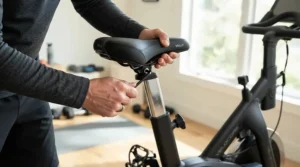
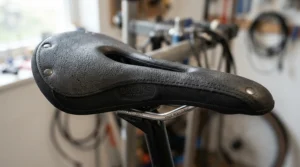
Getting the comfort upgrade you paid for depends almost entirely on setup, and this is the part Amazon listings never cover. Start with saddle height: before installing anything new, confirm your existing seat height is correct, because a cushion or saddle swap cannot fix a bike that’s simply set too high or too low — that’s a hip-rock and knee-strain problem, not a padding problem.
For cover-style products like the Bikeroo, Zacro, Domain Cycling, or Deago, the drawstring or strap should be snug enough that the cover can’t rotate under load but not so tight that it distorts the gel’s shape. Common mistake in the first 30 days: cinching it down hard immediately, which can create pressure ridges. Let the gel settle for a day or two of easy riding first, then adjust.
For full saddle replacements like the Cloud-9, YLG, or Bikeroo Oversized, expect a genuine break-in period, especially with memory foam. The first week can feel firmer than advertised as the foam cells haven’t yet compressed into your specific sit-bone pattern. Riders who bail in the first three sessions are often quitting right before the product starts performing as intended. A simple maintenance habit: wipe gel and foam surfaces with a damp cloth weekly if you sweat heavily, since trapped moisture is the leading cause of premature material breakdown in both gel covers and foam saddles alike.
Real-World Scenarios: Which Seat Fits Which Rider
Specs only tell half the story — here’s how these products map onto actual people and actual situations.
The apartment-dweller doing 20-minute HIIT rides on a budget Peloton clone: high cadence, high sweat, limited space for experimenting with returns. The Zacro Bike Seat Cushion’s ventilation channel and tight, secure fit solve the specific problem of a cushion sliding mid-sprint, and its lower price point tolerates a “just try it” mentality.
The retiree using an older recumbent bike for cardiac rehab, riding 45 minutes daily at low intensity: comfort over long, slow duration matters more than sweat management. The Domain Cycling Extra Large Gel Cushion, built specifically for recumbent seat geometry, directly targets this use case, and the low intensity means break-in periods matter less than immediate softness.
The larger-framed home gym owner doing serious 60-minute training blocks: this rider needs support that won’t compress flat under sustained weight and won’t bottom out on a hard base. Between the YLG Oversized Comfort Bike Seat‘s wide wing memory foam and the Sunlite Cloud-9‘s dual-density gel-foam-and-spring combo, either is a legitimate upgrade over a stock narrow saddle — the YLG if width is the priority, the Cloud-9 if suspension and long-term durability matter more.
How to Choose the Best Gel Bike Seat for Exercise Bike
- Measure your current saddle width first. A cover sized for a narrow performance saddle won’t sit flat on a wide comfort seat, and vice versa — mismatched sizing is the single most common return reason.
- Decide between a cover and a full replacement. Covers are cheaper and reversible; full saddles change the actual shape and support structure, which matters more the longer your sessions run.
- Match the material to your session length. Gel excels at immediate softness for shorter, sweat-heavy sessions; memory foam rewards patience with better long-duration support once broken in.
- Check for a center channel or cutout if numbness is your main complaint. A systematic review and meta-analysis found that no-nose saddle designs produced a significant reduction in perineal pressure compared with standard saddles, and cutout designs aim at the same problem from a gentler angle.
- Read the aggregated rating volume, not just the star average. A 4.3-star rating built on 7,000 reviews is far more reliable than a 4.8-star rating built on 40.
- Confirm compatibility with your specific bike brand. Peloton, Schwinn, NordicTrack, and generic spin bikes don’t all use identical seat post and rail dimensions.
- Budget for the possibility of a second purchase. Sit-bone shape genuinely varies between individuals, and even well-reviewed products don’t work for 100% of riders — starting cheap with a cover before committing to a full saddle swap hedges that risk.
Common Mistakes When Buying a Padded Bike Seat
The single biggest mistake is treating “more padding” as automatically better. Based on the spec comparison across products on this list, an overly thick cushion can actually increase instability and create new pressure points at its edges, especially on cover-style products layered over an already-shaped saddle.
The second common mistake is ignoring width entirely and buying based on looks or brand recognition alone. A saddle that’s too narrow for your sit-bone spacing will hurt no matter how much gel is packed into it, and one that’s too wide can cause the inner-thigh rub described in several aggregated reviews above.
The third mistake is expecting a memory foam saddle to feel perfect on day one. Reviewers who abandon a foam saddle in the first ride are often judging a product before its break-in period completes. Finally, buyers frequently skip checking return policies before ordering — given how individual sit-bone comfort actually is, a flexible return window matters more here than with almost any other bike accessory category.
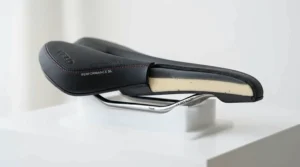
Gel Bike Seat vs Foam Bike Seat: Which Wins for Exercise Bikes?
This is the debate that decides most purchases, so let’s settle it with actual mechanics rather than marketing copy. Gel is a viscous, fluid-like material that redistributes instantly under pressure — sit down, and it immediately spreads your weight sideways away from the point of contact. That’s why gel covers feel plush the moment you sit on them, with zero break-in required.
Memory foam behaves differently: it’s a slower, viscoelastic material that compresses and slowly rebounds, gradually forming a personalized impression of your specific shape over repeated sessions. The trade-off is time versus tailoring — foam takes longer to feel right but, once broken in, often provides more targeted, durable support, particularly for riders outside the “average” sit-bone width that most gel covers are designed around.
There’s actual clinical evidence backing gel’s edge for exercise-bike-specific use. A study measuring saddle pressure directly on a Peloton stationary exercise bike compared several padding types — comfort, fitness, fitness gel, race, and performance — and found significant differences in perineal pressure between them, with the fitness gel seats producing the lowest perineal pressure of the group tested. That’s a rare case of a product category actually being validated in a stationary-bike-specific setting rather than generalized from outdoor cycling research.
Cushioning material comparison in plain terms: choose gel if your priority is immediate comfort, shorter high-intensity sessions, or you’re testing whether padding helps at all. Choose memory foam if you’re doing long, steady-state sessions and are willing to trade a short break-in period for support that’s tailored to your specific shape over time. Several products on this list, like the Sunlite Cloud-9, hedge the bet by combining both materials in a single saddle.
Memory Foam Bike Seat for Exercise Bikes: When Support Beats Softness
Memory foam earns its dedicated section because it solves a different problem than gel does, and it’s specifically the better choice for two groups: riders who are larger-framed or heavier, and riders doing long sessions where a gel cushion’s initial softness eventually bottoms out.
Here’s what the spec sheet won’t tell you: foam density varies enormously between products marketed identically as “memory foam.” A softer foam, like the one used in the Bikeroo Oversized Wide Cushion, needs less break-in time but compresses faster under sustained heavy weight. A firmer high-density foam, as used in the YLG Oversized Comfort Bike Seat, takes longer to feel natural but holds its shape through months of regular use. Neither is objectively better — the right choice depends on your weight and how much patience you have for the adjustment period.
One overlooked maintenance point: foam saddles left in direct sun or extreme heat, common for garage-stored exercise bikes, degrade faster than gel equivalents. If your bike lives somewhere with real temperature swings, that’s a small but real factor in your decision.
Comfort Technology and Pressure Relief: What the Research Actually Shows
Modern seat covers throw around phrases like “ergonomic,” “pressure-relief channel,” and “anatomic design” so often they’ve become background noise. It’s worth separating genuine comfort technology from marketing language using the actual research behind it.
Studies of saddle pressure mapping identify sitting time, pedaling intensity, trunk and hand position, saddle design, saddle height, and gender as the major factors influencing how much pressure builds up during a ride. That list matters because it confirms the seat itself is only one variable among several — a perfect cushion paired with a poorly adjusted bike position will still cause discomfort. The review also notes that intermittent jolts against the perineum represent a specific risk factor for urogenital complications, which is the biomechanical reason center-channel and no-nose designs exist at all — they’re not aesthetic choices, they’re targeted at removing pressure from one specific anatomical zone.
The technologies that pass this test: center cutout channels, dual-density layering (firm base plus soft top), and genuine anti-slip construction that prevents micro-shifting during pedaling, since repeated small movements against a fixed pressure point are part of what causes irritation over time. The technologies that don’t earn much real credit: cosmetic stitching patterns, color-changing gel (a novelty, not a function), and vague “ergonomic” claims with no structural feature behind them.
Read research from the National Institute for Occupational Safety and Health on saddle-related pressure for the full occupational study that kicked off this entire product category’s design philosophy.
Long-Term Cost & Maintenance
A $10 gel cover and a $45 full saddle replacement look like very different purchases until you run the actual math over a year of regular use. Cheap gel covers, especially budget silicone options like the Deago, tend to compress and lose their initial plushness within four to six months of regular use, meaning a genuinely frequent rider might replace one twice a year — effectively turning a $10 product into a recurring $20 annual cost.
Full saddle replacements built with dual-density foam and spring suspension, like the Cloud-9 or the YLG, cost more upfront but are engineered for multi-year use, with springs and firmer foam bases resisting the kind of total compression that ends a gel cover’s useful life. For anyone riding four or more times a week, the total cost of ownership over two years often favors the pricier full saddle, even though the sticker price looks worse on day one.
Maintenance costs stay low either way: a damp cloth wipe-down weekly, avoiding direct sunlight for foam products, and checking strap or spring hardware every few months for wear are the only real upkeep tasks involved.
FAQ
❓ Is a gel seat cover better than buying a whole new saddle?
❓ How long does it take to break in a memory foam bike seat?
❓ Do gel bike seat covers fit Peloton bikes?
❓ Can a bad bike seat actually cause numbness, or is it just discomfort?
❓ What is the best padded bike seat for a wider stationary bike saddle?
Conclusion
There isn’t a single universal “best” gel bike seat for exercise bike use — there’s a best one for your specific body, your session length, and your specific machine. Casual riders doing shorter, sweaty interval sessions get the most bang for their buck from a well-reviewed gel cover like the Bikeroo Comfort Bike Seat Cushion or the ventilated Zacro. Riders logging long, frequent sessions, or anyone whose sit-bone width doesn’t match a standard narrow saddle, are better served by a full replacement like the Sunlite Cloud-9 or the YLG Oversized Comfort Bike Seat.
What all seven of these products share is a foundation in real engineering choices — gel’s instant pressure redistribution, memory foam’s gradual custom molding, cutout channels targeting a documented pressure zone — rather than vague marketing language. Measure your current saddle, be honest about your session length and body type, and pick from the category that actually matches your riding pattern rather than the one with the flashiest photo.
Recommended for You
- Oversized Bike Seat Cushion: 7 Top Picks For Comfort In 2026
- Comfortable Bike Seat Replacement Guide 2026
- Seated Desk Bike Guide: 7 Best Picks To Stay Fit In 2026
Disclaimer: This article contains affiliate links. As an Amazon Associate, I earn from qualifying purchases. If you purchase products through these links, we may earn a small commission at no additional cost to you.
✨ Found this helpful? Share it with a fellow indoor cyclist who’s still suffering on that stock seat! 💬🤗
