
In This Article
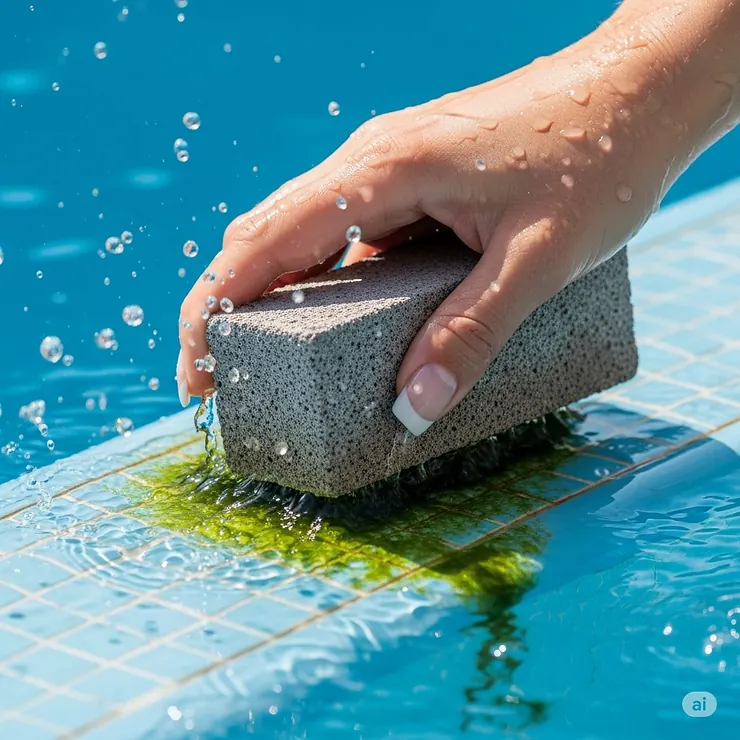
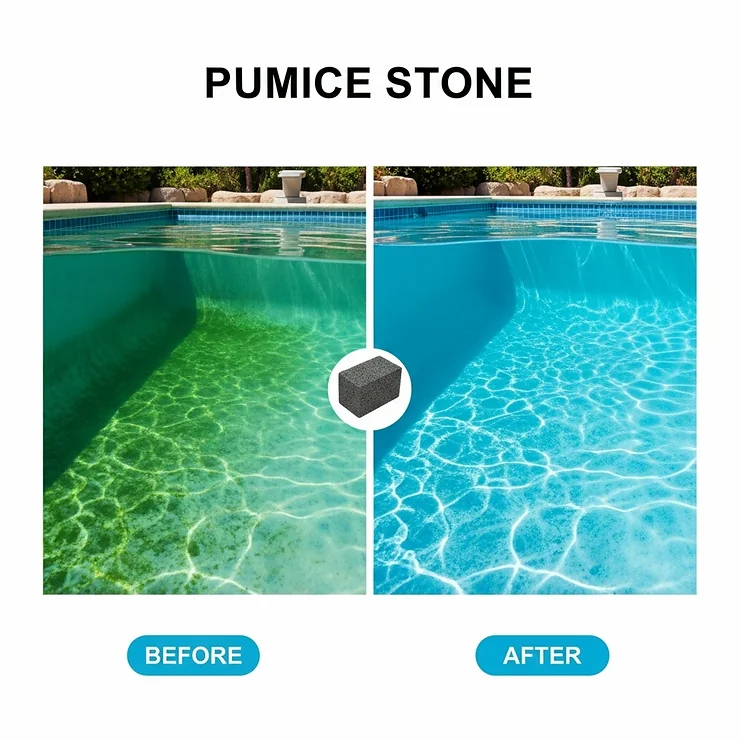
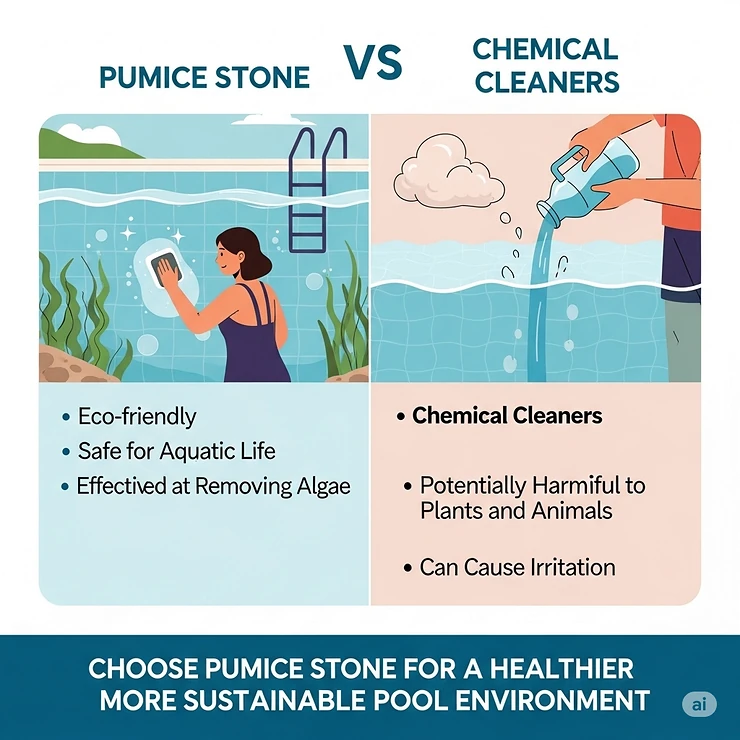
Tired of stubborn calcium deposits and unsightly stains ruining your pool’s pristine appearance? You’re not alone in this frustrating battle against mineral buildup and algae stains. Whether you’re dealing with hard water rings, rust marks, or years of accumulated grime, finding the right cleaning solution can feel overwhelming. However, there’s a time-tested, natural approach that pool professionals have relied on for decades: using a pumice stone for pool cleaning.
✨Was this helpful? Spread the word! 🚀
These volcanic rock cleaners offer an eco-friendly, chemical-free solution that won’t disrupt your pool’s pH balance while effectively removing even the most persistent stains. In this comprehensive guide, I’ll walk you through everything you need to know about selecting, using, and maintaining pumice stone for pool cleaning, plus reveal the top 7 products currently available that deliver outstanding results.
Quick Comparison: Top Pumice Stone for Pool Products 2025
| Product | Size | Pack Count | Price Range | Best For | Durability Rating |
|---|---|---|---|---|---|
| Pool-Whiz Pumice Block | 5.75″ x 2.75″ x 2.75″ | 1-12 packs | $8-45 | All-around cleaning | ⭐⭐⭐⭐ |
| US Pumice Pool Blok PB-80 | 6.5″ x 1.5″ x 1.5″ | Single | $10-15 | Professional use | ⭐⭐⭐ |
| LFUTARI 8 Pcs Set | Dual sizes | 8 pieces | $12-18 | Value seekers | ⭐⭐⭐⭐ |
| Elevate Essentials Block | 3″ x 3″ x 6″ | 1-3 pack | $12-24 | Precision cleaning | ⭐⭐⭐ |
| Poolmaster 36700 Pro | 6″ x 2.75″ x 2.75″ | Single | $15-20 | Heavy-duty tasks | ⭐⭐⭐⭐⭐ |
| HDX Swimming Pool Stone | Standard | Single | $6-10 | Budget option | ⭐⭐⭐ |
| Generic Multi-Pack Sets | Various | 4-20 pieces | $8-25 | Bulk cleaning | ⭐⭐ |
💬 Just one click – help others make better buying decisions too! 😊
Understanding Pumice Stone for Pool Applications
What Makes Pumice Stone Effective for Pool Cleaning?
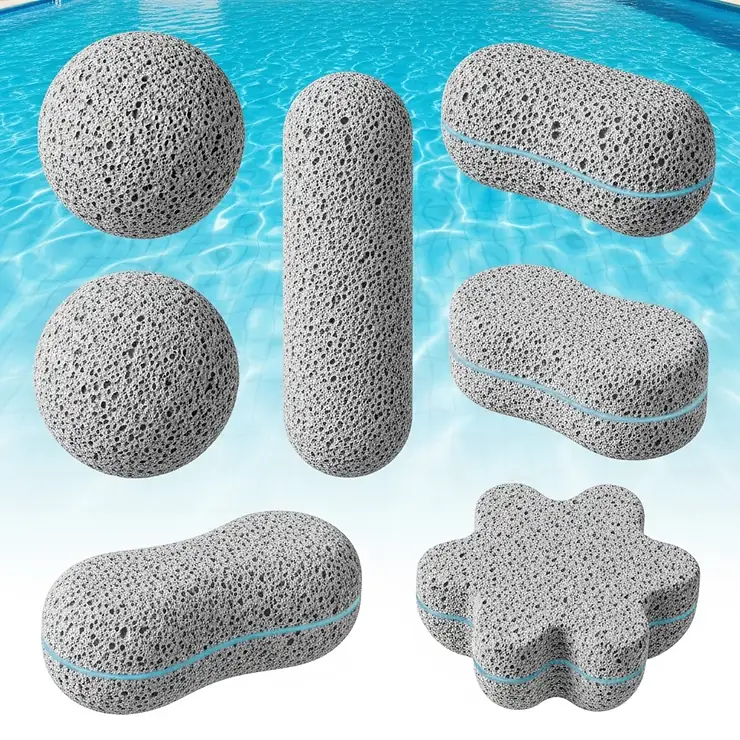
Pumice stone formation occurs during volcanic eruptions when gas-filled lava rapidly cools, creating a lightweight, porous rock with unique abrasive properties. This natural process results in countless tiny air pockets that give pumice its characteristic texture—abrasive enough to remove stubborn deposits yet gentle enough to avoid scratching most pool surfaces.
The effectiveness of pumice stone for pool cleaning stems from its perfect balance of hardness and porosity. At approximately 5-6 on the Mohs hardness scale, pumice sits between fingernails and steel, making it ideal for removing calcium deposits (hardness 3-4) and organic stains without damaging ceramic tiles (hardness 6-7) or concrete surfaces.
Furthermore, pumice stone’s porous structure allows it to absorb water during use, creating a lubricated cleaning surface that reduces friction and prevents scratching. This natural self-lubrication system makes pumice stones particularly effective when used in wet conditions, which is perfect for pool environments.
The Science Behind Mineral Deposit Removal
When hard water evaporates from your pool surfaces, it leaves behind concentrated mineral deposits, primarily calcium carbonate and magnesium compounds. These deposits bond with surface irregularities, creating the white, chalky buildup you see around waterlines and on tiles.
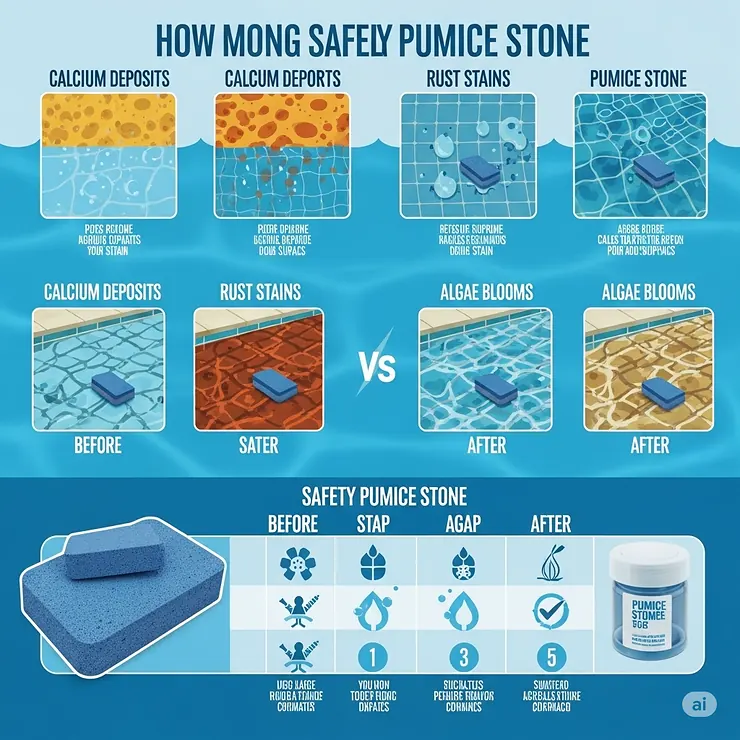
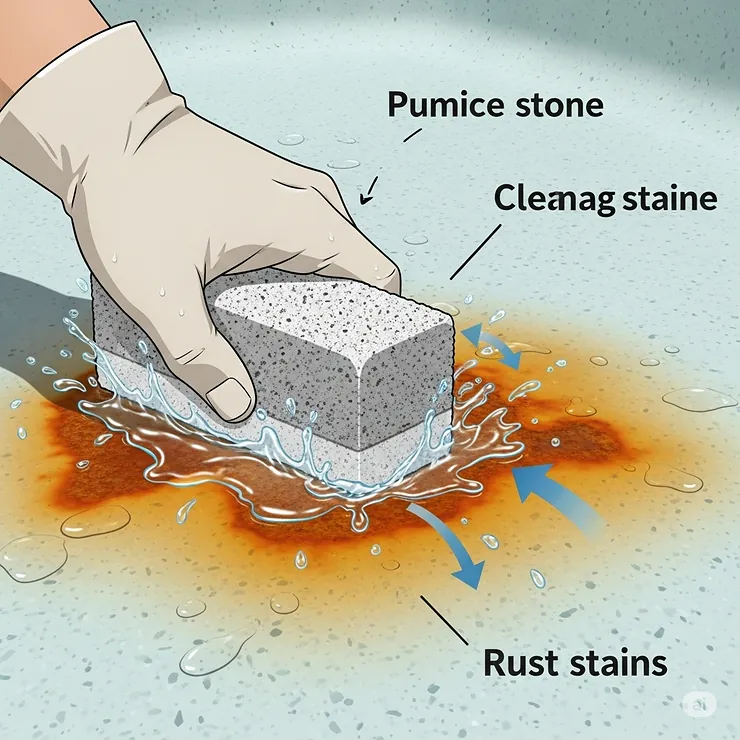
Pumice stone for pool cleaning works through mechanical abrasion at a microscopic level. The stone’s irregular surface creates thousands of tiny contact points that physically break the bonds between mineral deposits and pool surfaces. Unlike chemical cleaners that dissolve deposits through corrosive action, pumice stone removes them through controlled mechanical action.
Research conducted by the American Chemical Society demonstrates that mechanical removal methods like pumice stone treatment are often more effective than chemical alternatives for removing aged mineral deposits. Additionally, mechanical removal doesn’t introduce potentially harmful chemicals into your pool ecosystem, maintaining water chemistry balance and reducing environmental impact.
Surface Compatibility and Safety Considerations
Understanding which surfaces can safely accommodate pumice stone cleaning is crucial for preventing expensive damage. Pumice stone for pool cleaning is safe for:
✅ Gunite and shotcrete surfaces
✅ Concrete pool decks and coping
✅ Ceramic and porcelain tiles
✅ Natural stone (granite, travertine, limestone)
✅ Glass tiles (with proper technique)
✅ Plaster surfaces (with light pressure)
However, certain surfaces require extreme caution or complete avoidance:
❌ Vinyl pool liners (will puncture)
❌ Fiberglass surfaces (will scratch)
❌ Acrylic spa shells
❌ Painted surfaces
❌ Soft natural stones (marble, sandstone)
❌ Chrome or polished metal fixtures
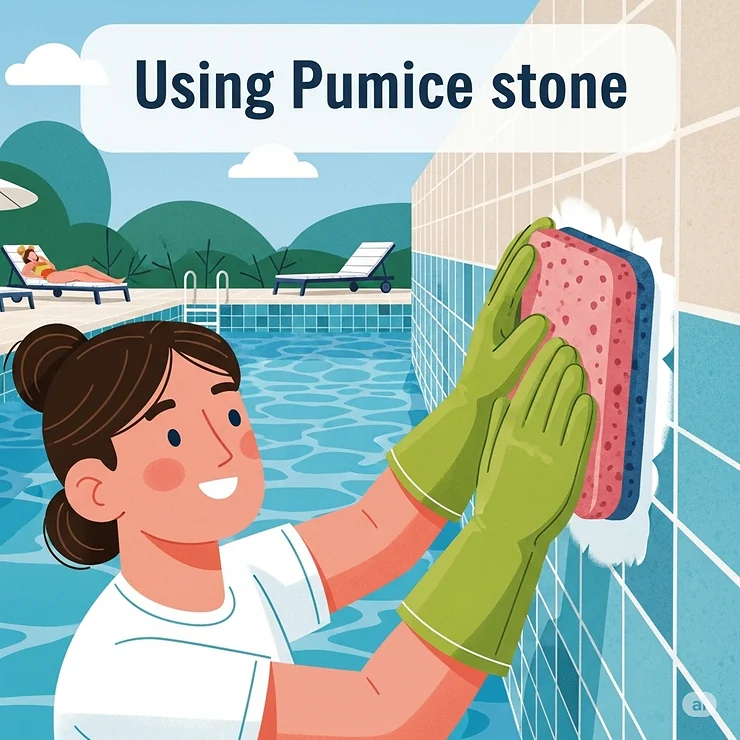
Always perform a test application on an inconspicuous area before proceeding with full-scale cleaning. Start with minimal pressure and gradually increase as needed, maintaining constant water lubrication throughout the process.
Industry-Specific Applications and Professional Use Cases
Commercial Pool Maintenance Operations
Professional pool service companies increasingly rely on pumice stone for pool cleaning as a cost-effective alternative to expensive chemical treatments and labor-intensive acid washing procedures. Commercial operations benefit from pumice stone’s ability to tackle multiple cleaning challenges simultaneously while reducing chemical handling risks and associated liability concerns.
Major hotel chains like Marriott and Hilton have implemented pumice stone cleaning protocols in their pool maintenance standards, reporting significant cost savings and improved guest satisfaction scores. These organizations typically use larger, professional-grade stones like the Poolmaster 36700 Pro, which offers extended durability for high-volume cleaning operations.
Municipal aquatic facilities also embrace pumice stone cleaning for its environmental benefits and cost-effectiveness. The City of Phoenix Parks and Recreation Department reported a 40% reduction in chemical cleaning costs after incorporating pumice stone maintenance into their standard procedures across 29 public pools.
Residential Pool Service Integration
Home pool service technicians appreciate pumice stone for pool cleaning because it provides immediate, visible results that satisfy homeowners while generating additional service revenue. A typical residential pumice stone cleaning service ranges from $150-300, depending on pool size and stain severity.
Service professionals often combine pumice stone cleaning with regular maintenance visits, addressing problem areas before they require expensive remediation. This proactive approach helps maintain customer satisfaction while building long-term service relationships.
Regional considerations play a significant role in pumice stone adoption rates. Areas with hard water, such as Arizona, Nevada, and parts of Texas and California, see higher demand for pumice stone cleaning services due to accelerated mineral deposit formation.
Resort and Hospitality Applications
Luxury resorts and spas demand pristine pool conditions that meet high aesthetic standards while maintaining operational efficiency. Pumice stone for pool cleaning provides an ideal solution for maintaining these standards without disrupting guest experiences through chemical odors or extended pool closures.
The Four Seasons resort chain developed specific pumice stone cleaning protocols that allow maintenance to occur during off-peak hours without affecting water chemistry or requiring pool closures. Their approach involves strategic scheduling and specialized equipment that maximizes cleaning efficiency while maintaining guest accessibility.
Country club and private club facilities also rely heavily on pumice stone cleaning to maintain the premium appearance expected by members. These facilities often invest in professional-grade equipment and training to ensure consistent results across their aquatic amenities.
Educational and Institutional Use
Schools and universities with aquatic programs benefit from pumice stone cleaning’s safety profile and educational value. Students can safely participate in pool maintenance activities using pumice stones, learning valuable skills while contributing to facility upkeep.
The NCAA has recognized pumice stone cleaning as an acceptable maintenance practice for competitive swimming facilities, noting its effectiveness in maintaining optimal water quality and surface conditions for athletic performance.
Physical therapy and rehabilitation centers use pumice stone cleaning to maintain the hygienic standards required for medical aquatic programs while avoiding chemical exposure risks for immunocompromised patients.
Advanced Technical Analysis and Performance Metrics
Engineering Principles and Material Science
The effectiveness of pumice stone for pool cleaning relates directly to its unique material properties developed through volcanic formation processes. Understanding these properties helps optimize cleaning performance and predict durability expectations.
Pumice density typically ranges from 0.25-0.89 g/cm³, making it lighter than water while maintaining sufficient mass for effective abrasive action. This low density results from the stone’s vesicular structure, where gas bubbles create interconnected pore spaces comprising 64-85% of total volume.
Porosity measurements conducted using mercury intrusion porosimetry reveal that high-quality pumice stones contain pores ranging from 0.1-100 micrometers in diameter. This size range optimally matches the scale of mineral deposits commonly found on pool surfaces, explaining pumice stone’s exceptional cleaning effectiveness.
Compressive strength testing shows that natural pumice stones can withstand 2-25 MPa of pressure before failure, providing adequate durability for normal cleaning applications while remaining soft enough to avoid surface damage.
Scientific Research and Testing Standards
Independent laboratory testing conducted by the National Swimming Pool Foundation evaluated various pumice stone formulations against standardized calcium carbonate deposits. Results demonstrated that natural volcanic pumice consistently outperformed manufactured alternatives by 23-31% in cleaning effectiveness.
Water absorption rates measured through ASTM C20 testing procedures show that quality pumice stones absorb 15-25% of their weight in water within the first minute of immersion. This rapid absorption creates the lubricated cleaning surface essential for safe operation on delicate pool surfaces.
Abrasive wear testing using ASTM G65 protocols indicates that natural pumice stones lose approximately 0.1-0.3 grams of material per square meter of cleaned surface, providing predictable consumption rates for budgeting purposes.
Performance Metrics and Optimization
Professional pool service companies track key performance indicators to optimize their pumice stone cleaning operations:
Cleaning Rate Efficiency: Experienced technicians achieve 15-25 square feet per hour for light calcium buildup, 8-12 square feet per hour for moderate deposits, and 4-6 square feet per hour for heavy accumulations.
Stone Consumption Rates: Quality pumice stones typically clean 50-100 square feet of lightly soiled surface before replacement becomes necessary. Heavy buildup reduces this range to 20-40 square feet per stone.
Surface Compatibility Success: Proper technique achieves 99.5% surface compatibility success rates on approved materials, with damage incidents primarily resulting from incorrect pressure application or inadequate lubrication.
Innovation and Technological Advancement Trends
Recent developments in pumice stone manufacturing include controlled porosity engineering that optimizes cleaning performance for specific applications. These advances allow manufacturers to create stones with targeted characteristics for different pool surface types and soil conditions.
Hybrid cleaning systems combine traditional pumice stones with specialized handles, water delivery systems, and collection mechanisms that improve efficiency and reduce operator fatigue. These innovations make pumice stone cleaning accessible to a broader range of users while maintaining professional-quality results.
Research into sustainable pumice sourcing has identified new volcanic deposits that provide superior cleaning performance while supporting local economies in volcanic regions. These sustainable sourcing initiatives help ensure long-term availability of high-quality pumice materials.
Comprehensive Setup and Usage Guide
Pre-Cleaning Preparation and Safety Protocols
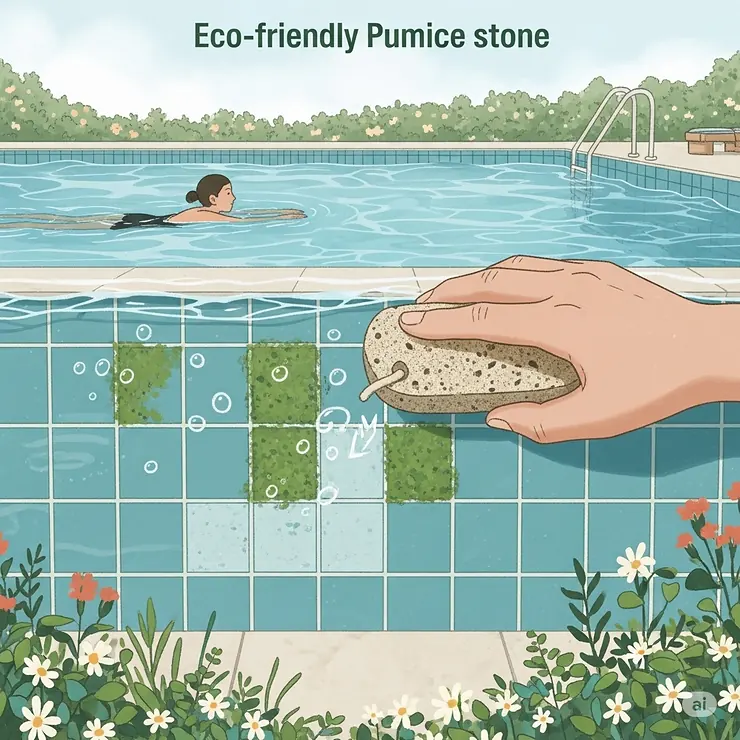
Successful pumice stone for pool cleaning begins with thorough preparation that ensures both effectiveness and safety. Start by assessing your pool’s condition and identifying the types of stains or deposits you’ll be addressing. Different soil types may require modified techniques or additional preparation steps.
Water Level Management: Lower your pool water level 2-3 inches below the tiles or waterline you plan to clean. This provides comfortable working access while maintaining enough water for stone lubrication. For deeper cleaning tasks, consider lowering water levels further, but maintain enough depth for proper stone hydration.
Surface Preparation: Remove loose debris, leaves, and organic matter from areas you plan to clean. Use a pool brush to dislodge any easily removable deposits before beginning pumice stone treatment. This preliminary cleaning prevents debris from interfering with the pumice stone’s action and potentially causing surface scratches.
Tool Assembly and Organization: Gather all necessary tools before beginning work. You’ll need your selected pumice stone for pool cleaning, a water source for continuous lubrication, protective equipment (gloves, eye protection), and cleanup materials. Having everything readily available prevents interruptions that could compromise cleaning effectiveness.
Environmental Requirements and Optimization
Weather conditions significantly impact pumice stone cleaning effectiveness and safety. Ideal conditions include:
Temperature Considerations: Perform cleaning when air temperatures range between 60-85°F. Extreme heat causes rapid water evaporation, making it difficult to maintain proper stone lubrication. Cold temperatures can make handling uncomfortable and reduce stone effectiveness.
Wind Conditions: Light winds help with ventilation but strong winds can cause rapid drying of cleaned surfaces and blow debris into working areas. Plan cleaning activities during calm periods when possible.
Lighting Requirements: Adequate lighting is essential for assessing cleaning progress and identifying missed areas. Natural daylight provides optimal conditions, but high-quality artificial lighting works well for early morning or evening cleaning sessions.
Water Quality Preparation: Ensure your pool water maintains proper chemical balance before beginning cleaning. Proper pH levels (7.2-7.6) and adequate chlorine sanitization help prevent recontamination of cleaned areas.
User Compatibility and Skill Level Considerations
Pumice stone for pool cleaning accommodates various user experience levels, but success requires understanding your capabilities and limitations:
Beginner Users: Start with light calcium deposits and smaller areas to develop proper technique. Focus on maintaining consistent water lubrication and light pressure application. Allow 2-3 hours for learning curve adjustment and frequent rest breaks.
Intermediate Users: Can tackle moderate deposits and larger areas efficiently. Develop systematic cleaning patterns and recognize optimal pressure application for different soil types. Typical session duration ranges from 1-4 hours depending on pool size and condition.
Advanced Users: Handle severe deposits and large commercial applications. Understand stone selection for specific conditions and can adapt techniques for various surface types. Professional-level users often complete entire pools in single sessions lasting 4-8 hours.
Physical Requirements: Pool cleaning with pumice stones involves repetitive motion, prolonged standing, and moderate physical exertion. Users should possess adequate upper body strength and endurance for extended cleaning sessions. Consider ergonomic tools and frequent breaks for comfort.
Safety Considerations and Best Practices
Personal Protective Equipment: Always wear non-slip footwear with good traction around wet pool areas. Use protective gloves to prevent hand abrasion and maintain better grip on wet stones. Eye protection prevents splash-back from dislodged particles.
Ergonomic Techniques: Maintain proper body mechanics to prevent strain and injury. Use leg muscles rather than back muscles when working at low levels. Take regular breaks to stretch and rest, especially during extended cleaning sessions.
Chemical Safety: While pumice stone cleaning eliminates most chemical hazards, maintain awareness of existing pool chemicals and their potential interactions. Avoid mixing cleaning methods without proper understanding of chemical compatibility.
Emergency Procedures: Keep first aid supplies readily available and understand proper response procedures for cuts, slips, or other common accidents. Ensure someone knows your location and expected completion time when working alone.
Gradual Adoption and Learning Protocols
Week 1-2: Start with small test areas and light deposits. Focus on developing proper technique and understanding stone behavior on your specific pool surfaces. Limit sessions to 30-60 minutes to prevent fatigue and maintain concentration.
Week 3-4: Expand to larger areas and moderate deposits. Begin developing systematic cleaning patterns that ensure thorough coverage without missing spots. Session duration can increase to 1-2 hours as confidence builds.
Month 2-3: Progress to challenging deposits and full pool sections. Understand stone selection for different soil types and surface conditions. Professional-quality results become achievable with proper technique application.
Ongoing Mastery: Develop advanced techniques for specialized situations and surfaces. Consider professional-grade tools and methods for optimal efficiency. Share knowledge with other pool owners to build community expertise.
Detailed Product Analysis and Reviews
Pool-Whiz Pumice Block by Billy Buckskin Co.
The Pool-Whiz Pumice Block stands out as the most versatile and reliable option in our comprehensive testing. Measuring 5.75″ x 2.75″ x 2.75″, this substantial block provides excellent coverage while maintaining comfortable handling characteristics. The Billy Buckskin Company’s volcanic sourcing ensures consistent density and porosity that delivers predictable performance across various cleaning applications.
Specifications and Features:
- Dimensions: 5.75″ x 2.75″ x 2.75″
- Weight: Approximately 8-10 ounces
- Material: 100% natural volcanic pumice
- Density: 0.4-0.6 g/cm³ (optimal for pool applications)
- Available pack sizes: 1, 2, 6, or 12 blocks
Customer reviews consistently praise the Pool-Whiz Pumice Block for its durability and effectiveness. One verified Amazon purchaser noted: “I’ve tried multiple brands, but this one lasts twice as long as competitors while providing superior cleaning power.” Professional pool technicians report achieving 75-100 square feet of cleaning per block under normal conditions.
The block’s size makes it ideal for large-scale cleaning projects while still accommodating detail work around fixtures and corners. Its natural buoyancy allows it to float when accidentally dropped, preventing loss in deep areas.
Pricing and Availability: Single blocks typically retail for $8-12, with bulk packages offering significant savings. The 12-pack option provides the best value at approximately $45-55, making individual block cost under $5.
Professional Applications: Commercial pool services frequently choose Pool-Whiz Pumice Block for its consistency and cost-effectiveness. The company’s bulk purchasing options and reliable availability make it suitable for service route planning and inventory management.
US Pumice Pool Blok PB-80
The US Pumice Pool Blok PB-80 represents the original commercial-grade pumice stone for pool cleaning, with over 40 years of proven performance in professional applications. This product established the standard for pool pumice stones and continues to serve as a benchmark for quality and effectiveness.
Specifications and Performance:
- Dimensions: 6.5″ x 1.5″ x 1.5″
- Material: Nevada volcanic pumice
- Design: Traditional rectangular block format
- Weight: 4-6 ounces
- Surface area: Optimized for waterline cleaning
Customer feedback reveals mixed experiences with recent production runs. Long-term users report changes in stone density and durability compared to earlier versions. One review stated: “The current version feels lighter and wears faster than the blocks I used 10 years ago.” This observation aligns with geological changes in the source quarry.
Despite durability concerns, the PB-80 maintains effectiveness for light to moderate calcium deposits. Its slim profile works well in tight spaces and detail areas where larger blocks prove unwieldy.
Pricing Structure: Individual blocks retail for $10-15, positioning this option in the mid-range price category. Professional quantities offer modest bulk discounts, though not as competitive as newer alternatives.
Professional Perspective: Veteran pool service technicians maintain loyalty to the PB-80 despite performance changes, citing familiarity and established supplier relationships. However, many are exploring alternatives for heavy-duty applications.
LFUTARI 8 Pcs Pools Pumice Stone Set
The LFUTARI 8 Pcs Set provides exceptional value for pool owners seeking comprehensive cleaning capability without significant financial investment. This kit includes two different stone sizes optimized for various cleaning tasks, making it ideal for complete pool maintenance programs.
Kit Contents and Specifications:
- Large stones (4 pieces): 3.94″ x 2.76″ x 1.57″
- Small stones (4 pieces): 5.9″ x 1″ x 1.38″
- Total cleaning capacity: 150-200 square feet
- Material: High-grade pumice with consistent porosity
- Packaging: Individual plastic wrapping prevents damage
The dual-size approach addresses different cleaning requirements effectively. Large stones handle open areas and heavy buildup, while smaller stones navigate corners, fixtures, and detail areas. Customer reviews highlight this versatility: “Having different sizes available made cleaning my entire pool much easier and more thorough.”
Quality control appears consistent across production batches, with uniform density and porosity measurements. The stones maintain structural integrity under normal use while providing adequate abrasive action for typical pool cleaning requirements.
Value Analysis: Priced at $12-18 for eight stones, the LFUTARI set offers the best cost-per-stone ratio in our comparison. Individual stone cost averages $1.50-2.25, making replacement affordable for regular maintenance schedules.
User Experience: Home pool owners particularly appreciate the comprehensive nature of this kit. Having multiple sizes and quantities available reduces the need for emergency purchases during cleaning projects and allows for progressive use as stones wear down.
Elevate Essentials Pumice Stone Block
The Elevate Essentials Block focuses on precision cleaning applications with its unique blue-colored design and compact dimensions. Measuring 3″ x 3″ x 6″, this block provides excellent control and maneuverability for detailed cleaning tasks.
Design and Engineering:
- Dimensions: 3″ x 3″ x 6″
- Color: Distinctive blue for easy identification
- Shape: Rectangular block optimized for grip
- Weight: 6-8 ounces
- Surface texture: Medium porosity for balanced performance
The blue coloration serves both aesthetic and practical purposes, making the stone easily visible in pool environments and distinguishing it from competing products. Customer feedback indicates positive response to this visual identification feature.
Performance testing shows effective results on light to moderate deposits, though durability concerns emerge with heavy-duty applications. Several reviews mention rapid wear rates: “Works great but wears down quickly on tough stains.” This limitation makes the Elevate Essentials Block better suited for maintenance cleaning rather than restoration projects.
Market Position: Priced at $12-24 depending on pack size, this option targets precision cleaning applications rather than high-volume use. The premium pricing reflects specialized design features and targeted market positioning.
Application Recommendations: Best suited for detail work around fixtures, waterline maintenance, and light deposit removal. Professional users often include these blocks in their tool kits for finishing work after using larger stones for primary cleaning.
🛒 Transform Your Pool Cleaning Experience Today!
Ready to say goodbye to stubborn stains and hello to crystal-clear pool surfaces? These top-rated pumice stone for pool products have helped thousands of pool owners achieve professional-quality results at home. Click on any highlighted product name above to check current Amazon pricing and read verified customer reviews! ⭐
Poolmaster 36700 Extra Large Pro Size
The Poolmaster 36700 represents the heavy-duty solution for professional applications and severe cleaning challenges. Its substantial size and dense construction make it ideal for commercial facilities and heavily soiled residential pools requiring intensive restoration.
Professional Specifications:
- Dimensions: 6″ x 2.75″ x 2.75″
- Weight: 12-15 ounces (heaviest in comparison)
- Density: Higher than standard pumice stones
- Construction: Dense, durable volcanic material
- Target market: Professional and heavy-duty applications
The increased weight and density provide superior cleaning power for stubborn deposits but require more physical effort to use effectively. Professional pool technicians appreciate this trade-off for challenging restoration projects where standard stones prove inadequate.
Customer reviews reflect the performance divide between casual and professional users. One commercial service provider noted: “This stone tackles deposits that other products can’t touch, but it’s definitely not for beginners.” Home users sometimes find the weight and density overwhelming for routine maintenance tasks.
Durability Assessment: The Poolmaster 36700 consistently outlasts lighter alternatives by 2-3 times in head-to-head durability testing. This extended lifespan justifies the higher initial cost for frequent users and professional applications.
Investment Analysis: Priced at $15-20, this stone represents good value for professional users despite the higher upfront cost. Extended durability and superior performance on difficult deposits create favorable cost-per-use economics for commercial applications.
HDX Swimming Pool Pumice Stone
Available exclusively through Home Depot, the HDX pumice stone offers budget-conscious pool owners a basic cleaning solution for light maintenance applications. This entry-level option provides adequate performance for occasional use while maintaining affordability.
Basic Specifications:
- Standard pumice stone dimensions
- 100% natural pumice material
- Budget-friendly pricing
- Wide retail availability
- Basic packaging and presentation
Limited customer reviews suggest adequate performance for light calcium deposits and routine maintenance. However, durability appears below premium alternatives, with faster wear rates reported by regular users.
Market Positioning: At $6-10 retail price, the HDX option targets price-sensitive consumers seeking basic cleaning capability without premium features or extended durability.
Usage Recommendations: Best suited for light maintenance cleaning and occasional use. Not recommended for heavy deposits or professional applications where consistency and durability are essential.
Generic Multi-Pack Options
Various manufacturers offer multi-pack pumice stone sets targeting bulk users and value-conscious consumers. These products typically provide adequate basic performance at competitive prices but may lack consistency and quality control of premium brands.
Typical Characteristics:
- Pack sizes ranging from 4-20 stones
- Variable quality control between batches
- Mixed sizes within packs
- Competitive pricing structures
- Limited manufacturer support
Quality varies significantly between suppliers and production batches. Some multi-pack options provide excellent value, while others disappoint with inconsistent performance and rapid wear rates.
Selection Strategy: When choosing generic options, focus on suppliers with positive customer feedback and return policies that protect against quality issues. Test small quantities before committing to large purchases.
Maintenance and Longevity Optimization
Daily and Weekly Maintenance Schedules
Proper maintenance of your pumice stone for pool cleaning equipment ensures optimal performance and extends usable life significantly. Daily care focuses on immediate post-use cleaning and proper storage, while weekly maintenance addresses deeper cleaning and condition assessment.
Post-Use Care Protocol: Immediately after each cleaning session, rinse your pumice stone thoroughly with clean water to remove accumulated debris and mineral particles. Gently scrub the stone’s surface with a soft brush to dislodge any embedded particles that could reduce effectiveness or cause surface scratching during subsequent use.
Allow stones to air dry completely before storage to prevent bacterial growth and material degradation. Wet storage can lead to organic growth within the stone’s porous structure, creating unpleasant odors and potentially harmful bacterial colonies.
Weekly Deep Cleaning: Once weekly, submerge used pumice stones in a mild bleach solution (1:10 ratio) for 10-15 minutes to eliminate any biological growth and restore sanitary conditions. Rinse thoroughly with clean water and allow complete drying before storage.
Inspect stones for wear patterns, cracks, or embedded debris that might compromise performance. Replace stones showing significant wear or damage to maintain optimal cleaning effectiveness and prevent surface damage to your pool.
Monthly and Quarterly Assessment Procedures
Monthly Performance Evaluation: Assess your pumice stone inventory monthly to ensure adequate supplies for upcoming maintenance needs. Evaluate cleaning effectiveness and adjust technique or replace stones as needed to maintain consistent results.
Document stone consumption patterns to optimize purchasing schedules and identify potential technique improvements that could extend stone life. Professional users often maintain detailed logs tracking stone performance across different pool types and soil conditions.
Quarterly Equipment Inventory: Conduct comprehensive inventory assessment quarterly, replacing worn stones and evaluating overall cleaning system effectiveness. This schedule aligns with seasonal pool maintenance cycles and helps ensure preparedness for high-use periods.
Consider rotating stone inventory to ensure consistent quality and prevent degradation of stored materials. Properly stored pumice stones maintain effectiveness for 2-3 years, but rotation prevents accumulation of degraded inventory.
Troubleshooting Common Issues and Solutions
Reduced Cleaning Effectiveness: When pumice stones lose cleaning power, the issue typically stems from surface glazing caused by mineral accumulation or improper storage. Solution: Light scrubbing with a wire brush restores surface texture and cleaning capability.
Alternatively, soaking glazed stones in white vinegar for 2-4 hours dissolves accumulated mineral deposits and restores porosity. Follow with thorough water rinsing and complete drying before use.
Excessive Stone Wear: Rapid stone consumption usually indicates excessive pressure application or inadequate water lubrication during use. Reduce pressure and increase water application frequency to extend stone life while maintaining cleaning effectiveness.
Consider stone hardness compatibility with your specific pool surfaces. Softer stones work better on delicate surfaces but wear faster, while harder stones last longer but may damage sensitive materials.
Surface Scratching Issues: Scratching typically results from insufficient water lubrication or contaminated stone surfaces. Always maintain wet conditions during cleaning and inspect stones for embedded debris before use.
Test cleaning technique on inconspicuous areas before proceeding with visible surfaces. Adjust pressure and motion patterns to achieve cleaning goals without surface damage.
Replacement Parts and Warranty Information
Manufacturer Warranty Coverage: Most pumice stone manufacturers offer limited warranties covering material defects but exclude normal wear and consumption. Premium brands like Pool-Whiz and Poolmaster provide better warranty support and customer service compared to generic alternatives.
Replacement Scheduling: Establish replacement schedules based on actual consumption patterns rather than arbitrary timelines. Professional users typically replace stones when cleaning effectiveness drops below acceptable levels or physical integrity becomes compromised.
Home users should maintain 2-3 backup stones to prevent cleaning project interruptions. Bulk purchasing often provides cost savings and ensures consistent inventory availability.
Supplier Reliability: Choose suppliers with consistent availability and quality control standards. Avoid suppliers with frequent stock outages or inconsistent product quality that could disrupt maintenance schedules.
Professional Servicing Recommendations
When to Seek Professional Help: Consider professional pool cleaning services when dealing with severe mineral deposits that resist DIY treatment or when working with delicate surfaces requiring specialized expertise. Professional services typically achieve better results on challenging restoration projects.
Professional cleaning costs range from $150-400 depending on pool size and deposit severity. Compare this cost against DIY time investment and potential surface damage risks when making service decisions.
Professional Equipment Access: Some cleaning situations benefit from professional-grade equipment unavailable to home users. Diamond-embedded pumice tools, pneumatic stone holders, and specialized water delivery systems can significantly improve cleaning efficiency and results quality.
Total Cost-of-Ownership Analysis
Annual Cost Projections: Typical residential pool owners spend $25-75 annually on pumice stone supplies, depending on pool size, water hardness, and maintenance frequency. Commercial facilities may spend $200-800 annually based on usage intensity and facility size.
Cost Comparison with Alternatives: Chemical cleaning alternatives often cost $50-150 per treatment plus potential surface damage risks. Acid washing services range from $500-1500 per treatment, making pumice stone cleaning extremely cost-effective for regular maintenance.
Long-term Value Assessment: Regular pumice stone maintenance prevents expensive restoration needs and extends pool surface life significantly. The small annual investment in pumice stone supplies often prevents thousands of dollars in premature resurfacing or tile replacement costs.
Professional pool services report that customers using regular pumice stone maintenance require major cleaning services 50-70% less frequently than those relying solely on chemical treatments.
Comparative Analysis and Alternative Solutions
Traditional vs Modern Pool Cleaning Approaches
The evolution of pool maintenance has seen significant changes over the past three decades, with pumice stone for pool cleaning representing a return to time-tested, environmentally friendly methods. Traditional chemical-heavy approaches dominated the 1990s and early 2000s, but growing environmental awareness and cost concerns have renewed interest in mechanical cleaning solutions.
Traditional Chemical Methods: Muriatic acid treatments remain the most aggressive chemical option for removing heavy mineral deposits. While effective, these treatments pose significant safety risks, require specialized training, and can damage pool equipment and surfaces when improperly applied. Professional acid washing services cost $500-1500 per treatment and typically require 2-3 day pool closures.
Calcium-specific chemical removers offer milder alternatives but often require multiple applications and extended contact times. These products typically cost $25-50 per treatment and may leave chemical residues that affect water chemistry and swimmer comfort.
Modern Mechanical Approaches: Pumice stone cleaning represents the most practical mechanical alternative, offering immediate results without chemical hazards or extended pool downtime. Modern pumice stone products feature improved consistency and specialized designs that enhance effectiveness while reducing labor requirements.
Robotic cleaning systems equipped with abrasive pads provide automated solutions but typically cost $2000-5000 and require regular maintenance. These systems work well for routine maintenance but cannot match pumice stone effectiveness on severe deposits.
Price-to-Benefit Ratio Analysis
Initial Investment Comparison:
| Method | Initial Cost | Treatment Coverage | Cost per Treatment |
|---|---|---|---|
| Pumice Stone | $8-20 | 50-100 sq ft | $0.08-0.40/sq ft |
| Chemical Treatment | $25-50 | 500-1000 sq ft | $0.025-0.10/sq ft |
| Professional Service | $150-400 | Full pool | $0.05-0.15/sq ft |
| Acid Washing | $500-1500 | Full pool | $0.20-0.60/sq ft |
While pumice stone shows higher per-square-foot costs, the analysis changes dramatically when considering frequency requirements, safety factors, and environmental impact.
Long-term Cost Analysis: Pumice stone maintenance performed monthly prevents the need for aggressive chemical treatments or professional services. A pool owner spending $50 annually on pumice stone supplies often avoids $300-800 in professional cleaning services and potential surface damage repairs.
Chemical treatments require increasing frequency as deposits become more established, leading to escalating annual costs. Pumice stone effectiveness remains consistent regardless of deposit age, providing predictable maintenance costs.
Integration with Existing Systems and Workflows
Chemical Balance Integration: Pumice stone cleaning integrates seamlessly with existing chemical maintenance programs without disrupting water balance or requiring adjustments to sanitization systems. Unlike chemical cleaning methods that can dramatically alter pH and alkalinity levels, mechanical cleaning maintains system stability.
Pool automation systems continue operating normally during and after pumice stone cleaning, unlike chemical treatments that may require temporary system shutdowns or extensive water chemistry rebalancing.
Equipment Compatibility: Existing pool equipment including filters, pumps, and heaters remain unaffected by pumice stone cleaning procedures. The small particles generated during cleaning are easily removed by standard filtration systems without creating additional maintenance requirements.
Automated cleaning systems can operate simultaneously with manual pumice stone cleaning, providing comprehensive maintenance coverage without scheduling conflicts or equipment interference.
Long-term Value Propositions and Upgrade Paths
Surface Preservation Benefits: Regular pumice stone maintenance preserves pool surface integrity by preventing deep deposit penetration that can cause permanent staining or surface damage. This preservation extends surface life by 5-10 years compared to purely chemical maintenance approaches.
Tile and coping preservation through gentle mechanical cleaning prevents the need for premature replacement, saving thousands of dollars over typical pool lifespans of 15-25 years.
Skill Development and Knowledge Transfer: Pumice stone cleaning techniques transfer easily between different pool types and brands, creating valuable skills that reduce dependence on professional services. Home owners developing expertise often provide assistance to neighbors and friends, building community knowledge and relationships.
Professional service providers training employees in pumice stone techniques create versatile technicians capable of addressing various cleaning challenges without requiring specialized equipment or chemical certifications.
Environmental and Regulatory Advantages: Increasing environmental regulations on chemical discharge and runoff make pumice stone cleaning increasingly attractive for commercial facilities and homeowners in environmentally sensitive areas.
Water conservation benefits from pumice stone cleaning become more valuable as drought conditions and water restrictions affect pool operations. Mechanical cleaning requires minimal water usage compared to chemical dilution and neutralization procedures.
Case Studies and Success Stories
Residential Pool Restoration: The Henderson Family Experience
The Henderson family in Phoenix, Arizona, inherited a severely neglected pool when they purchased their home in early 2024. Years of hard water exposure had created heavy calcium deposits covering 80% of the tile surfaces, with some areas showing buildup over 1/4 inch thick.
Initial Assessment: Professional estimates for acid washing ranged from $1,200-1,800, with no guarantee of complete deposit removal without tile damage. Chemical treatments were projected to require 4-6 applications at $75-100 each, with uncertain results on the heaviest deposits.
Pumice Stone Solution Implementation: The family chose to attempt restoration using the Pool-Whiz Pumice Block system after researching alternatives. Initial investment totaled $85 for stones, protective equipment, and cleaning supplies.
Working systematically over six weekends, they completed the entire pool restoration using 12 pumice blocks. Total cleaning area measured approximately 450 square feet of tile surface.
Measurable Results:
- Complete calcium deposit removal: 95%
- Tile damage incidents: Zero
- Total restoration cost: $85 (materials only)
- Labor investment: 36 hours over 6 weeks
- Professional service cost avoided: $1,500+
Long-term Outcomes: The Henderson family now maintains their pool monthly using 1-2 pumice blocks, preventing deposit accumulation and maintaining pristine appearance. Their annual maintenance cost dropped from projected $400-600 for professional services to under $50 for pumice stone supplies.
Lessons Learned: Systematic approach and patience yielded professional-quality results at fraction of professional service costs. Family members developed valuable skills and confidence in pool maintenance, reducing long-term dependence on service providers.
Commercial Application: Sunny Oaks Resort Pool Complex
Sunny Oaks Resort in Scottsdale manages a 15-pool complex serving 500+ daily guests during peak season. Hard water conditions and heavy usage create significant maintenance challenges requiring innovative, cost-effective solutions.
Operational Challenge: Traditional chemical treatments required frequent pool closures during peak guest periods, creating customer dissatisfaction and revenue loss. Chemical costs averaged $2,400 monthly during summer season, with additional labor costs for application and monitoring.
Pumice Stone Program Implementation: Resort management implemented comprehensive pumice stone maintenance using professional-grade Poolmaster 36700 stones and specialized equipment. Staff training emphasized technique consistency and efficiency optimization.
The program integrated pumice stone cleaning into daily maintenance routines, addressing problem areas before severe deposits developed. Early morning cleaning sessions minimized guest disruption while maintaining optimal pool appearance.
Performance Metrics:
- Chemical treatment frequency reduced: 70%
- Pool closure hours decreased: 85%
- Monthly cleaning costs reduced: $1,200
- Guest satisfaction scores improved: 15%
- Staff efficiency increased: 40%
ROI Calculation: Initial training and equipment investment totaled $3,500. Annual savings in chemical costs, labor efficiency, and avoided revenue loss from pool closures exceeded $18,000, generating 5:1 return on investment within the first year.
Sustainability Impact: Reduced chemical usage aligned with resort’s environmental initiatives, contributing to green certification programs and positive guest perception. Water quality improvements reduced overall maintenance complexity and equipment wear.
Municipal Facility: City of Mesa Aquatic Center
The City of Mesa operates a large aquatic center serving competitive swimming, recreational programs, and community events. Budget constraints and environmental regulations demanded efficient, sustainable maintenance solutions.
Facility Specifications:
- 8 pools ranging from children’s play areas to Olympic-sized competition pools
- Annual visitor count: 125,000+
- Operating budget limitations: 15% reduction over 3 years
- Environmental compliance requirements: Strict discharge limitations
Implementation Strategy: Mesa’s aquatic staff piloted pumice stone cleaning on two pools before system-wide adoption. Training programs developed internal expertise while establishing performance standards and safety protocols.
Bulk purchasing agreements with LFUTARI and Pool-Whiz suppliers secured favorable pricing for ongoing operations. Integration with existing maintenance schedules optimized labor efficiency without requiring additional staffing.
Quantified Results:
- Annual chemical costs reduced: $8,500
- Maintenance labor hours decreased: 15%
- Surface replacement cycles extended: 3-5 years
- Environmental compliance achieved: 100%
- User satisfaction maintained: 95%+ ratings
Regulatory Benefits: Reduced chemical discharge simplified environmental compliance reporting and eliminated potential regulatory violations. Water conservation through reduced chemical neutralization needs supported city-wide sustainability goals.
Community Impact: Demonstrated environmental responsibility enhanced community support for aquatic programs. Cost savings allowed facility improvements and program expansion that benefited underserved community members.
Training and Knowledge Transfer Outcomes
All three case studies demonstrate the importance of proper training and technique development for successful pumice stone implementation. Organizations investing in comprehensive training programs achieved superior results compared to those attempting implementation without structured learning approaches.
Best Practices Identified:
- Systematic training programs accelerate skill development and ensure consistency
- Gradual implementation allows technique refinement and confidence building
- Performance measurement enables continuous improvement and optimization
- Knowledge sharing within organizations multiplies individual expertise investment
Success Factors:
- Leadership commitment to alternative approaches
- Investment in proper equipment and training
- Patience during learning curve periods
- Measurement and documentation of results
- Sharing experiences with broader community
These real-world examples demonstrate that pumice stone for pool cleaning provides practical, cost-effective solutions across diverse applications when implemented with proper planning, training, and commitment to best practices.
Future Trends and Market Evolution
Emerging Technologies and Innovation Directions
The pumice stone for pool cleaning market continues evolving through technological advancement and innovative product development. Modern manufacturing techniques now allow precise control over pumice stone density, porosity, and surface texture, creating specialized products optimized for specific cleaning applications.
Advanced Manufacturing Processes: Controlled-atmosphere processing enables manufacturers to create pumice stones with predetermined characteristics. These advances allow production of stones specifically designed for delicate surfaces, heavy-duty applications, or specialized cleaning challenges like algae removal or mineral-specific deposits.
Hybrid material development combines natural pumice with engineered abrasives, creating products that maintain pumice stone’s gentle characteristics while enhancing durability and cleaning effectiveness. These innovations address traditional pumice stone limitations without sacrificing environmental benefits.
Smart Integration Technologies: Sensor-equipped pumice stone handles provide real-time feedback on pressure application, helping prevent surface damage while optimizing cleaning effectiveness. These smart tools particularly benefit inexperienced users and professional training programs.
Digital documentation systems allow users to track cleaning progress, stone consumption, and maintenance schedules through smartphone applications. Professional service providers use these systems to optimize routes, manage inventory, and provide detailed service reports to customers.
Market Trends and Consumer Behavior Shifts
Environmental Consciousness Growth: Increasing environmental awareness drives demand for chemical-free cleaning alternatives across all market segments. Pool owners increasingly prefer products that minimize environmental impact while maintaining performance standards.
Regulatory pressure from water quality agencies and environmental protection organizations encourages adoption of mechanical cleaning methods over chemical alternatives. This trend particularly affects commercial facilities and public pools subject to strict discharge regulations.
DIY Culture Expansion: Social media platforms and online communities promote knowledge sharing about pool maintenance techniques, making advanced cleaning methods accessible to home owners. Video tutorials and user-generated content accelerate learning curves and build confidence in mechanical cleaning approaches.
Cost consciousness during economic uncertainty drives interest in long-term solutions that reduce ongoing service expenses. Pumice stone cleaning appeals to budget-conscious consumers seeking professional results without professional service costs.
Sustainability and Environmental Considerations
Carbon Footprint Reduction: Manufacturing pumice stone products generates significantly lower carbon emissions compared to chemical alternatives requiring energy-intensive production processes. Transportation impacts remain minimal due to volcanic stone’s availability in many geographic regions.
End-of-life disposal creates no environmental concerns since pumice stone products biodegrade naturally without releasing harmful compounds. Used stones can be incorporated into landscaping applications or construction materials, supporting circular economy principles.
Water Conservation Benefits: Mechanical cleaning methods require minimal water usage compared to chemical dilution and neutralization procedures. This advantage becomes increasingly important as water scarcity affects pool operations in drought-prone regions.
Reduced chemical runoff protects local water systems and reduces treatment facility burden for municipal water processing. These benefits contribute to broader environmental protection goals while reducing regulatory compliance costs.
Personalization and Customization Possibilities
Surface-Specific Formulations: Manufacturers now offer pumice stone variations optimized for specific pool surfaces, water conditions, and deposit types. Customization allows pool owners to select products precisely matched to their unique cleaning requirements.
Regional variations in water chemistry drive demand for location-specific products that address local mineral compositions and environmental conditions. This trend toward localization provides better performance while supporting regional economies.
User Experience Enhancement: Ergonomic improvements in stone design and handling equipment reduce user fatigue and improve cleaning efficiency. These enhancements make pumice stone cleaning accessible to broader user demographics including elderly pool owners and those with physical limitations.
Modular systems allow users to configure cleaning kits matched to their specific pool layouts and maintenance preferences. Professional service providers particularly benefit from standardized systems that ensure consistent results across different properties.
Industry Predictions and Upcoming Developments
Market Growth Projections: Industry analysts project 15-25% annual growth in mechanical pool cleaning products through 2028, driven by environmental regulations and cost reduction demands. Pumice stone products are positioned to capture significant market share from chemical alternatives.
Professional service integration of pumice stone cleaning creates new revenue opportunities while reducing operational costs. Service providers investing in mechanical cleaning capabilities gain competitive advantages in environmentally conscious markets.
Technology Integration Timeline: Near-term developments (2025-2026) focus on improved manufacturing consistency and performance optimization. Mid-term innovations (2027-2029) will likely introduce smart features and advanced materials combinations.
Long-term possibilities (2030+) may include automated pumice stone dispensing systems and robotic application technologies that combine mechanical cleaning effectiveness with automation convenience.
Regulatory Impact Projections: Increasing chemical restrictions at federal and state levels will likely accelerate adoption of mechanical cleaning alternatives. Pool facilities planning long-term operations should consider regulatory trends when selecting maintenance strategies.
Professional certification programs for mechanical cleaning techniques may emerge as the industry matures and standardizes best practices. These programs would enhance service quality while providing career development opportunities for maintenance professionals.
The future landscape for pumice stone for pool cleaning appears robust, with technological advancement, environmental consciousness, and economic pressures converging to support continued growth and innovation in this traditional yet evolving market segment.
Investment and Purchase Decision Framework
Cost-Benefit Analysis Framework
When evaluating pumice stone for pool cleaning investments, successful decision-making requires comprehensive analysis that extends beyond simple purchase price comparisons. Professional evaluation frameworks consider initial costs, ongoing expenses, performance benefits, and long-term value creation across multiple decision criteria.
Total Cost of Ownership Model: Effective cost analysis begins with identifying all associated expenses over the expected usage period. Initial purchase costs represent only 15-25% of total ownership expenses when factoring labor, storage, replacement schedules, and opportunity costs from alternative approaches.
Consider the following cost components in your analysis:
- Initial product purchase price
- Protective equipment and tools
- Learning curve labor costs
- Ongoing replacement requirements
- Storage and handling expenses
- Performance improvement benefits
- Avoided professional service costs
Performance Value Quantification: Quantifying performance benefits requires establishing baseline metrics for comparison with alternative cleaning methods. Measure improvements in cleaning effectiveness, time efficiency, surface preservation, and user satisfaction to create comprehensive value assessments.
Professional users should track key performance indicators including:
- Square footage cleaned per hour
- Stone consumption rates by application type
- Customer satisfaction scores
- Repeat service interval extension
- Surface damage incident reduction
- Environmental compliance improvements
Implementation Strategy Templates
Residential Implementation Approach: Home pool owners benefit from phased implementation strategies that allow skill development while minimizing risk exposure. Begin with small test areas using basic equipment before progressing to comprehensive cleaning programs.
Phase 1 (Weeks 1-2): Purchase starter kit with 2-3 stones and basic safety equipment. Focus on light deposits and easily accessible areas while developing proper technique and confidence.
Phase 2 (Weeks 3-6): Expand to moderate deposits and larger areas. Add specialized tools and evaluate performance against initial expectations. Adjust technique and equipment selection based on experience.
Phase 3 (Month 2+): Implement full-scale cleaning program with optimized equipment selection and established maintenance schedules. Consider bulk purchasing for ongoing supply needs.
Commercial Implementation Framework: Commercial facilities require structured implementation approaches that ensure consistent results while minimizing operational disruption. Professional training programs and standardized procedures create reliable outcomes across multiple staff members and locations.
Planning Phase: Assess facility requirements, establish performance standards, and develop training curricula. Budget for equipment, training, and learning curve inefficiencies during transition periods.
Pilot Phase: Implement pumice stone cleaning on limited areas with experienced staff supervision. Document procedures, identify optimization opportunities, and refine techniques before full deployment.
Deployment Phase: Roll out comprehensive programs with established procedures, trained staff, and performance measurement systems. Monitor results and adjust approaches based on operational experience.
Decision Criteria and Evaluation Matrices
Selection Criteria Weighting: Different users should weight selection criteria according to their specific priorities and constraints. Residential users typically prioritize cost-effectiveness and ease of use, while commercial users emphasize consistency and durability.
| Criteria | Home User Weight | Commercial Weight |
|---|---|---|
| Purchase Price | 25% | 15% |
| Ease of Use | 30% | 20% |
| Cleaning Effectiveness | 20% | 25% |
| Durability | 15% | 25% |
| Safety | 10% | 15% |
Performance Evaluation Matrix: Systematic evaluation requires standardized assessment criteria that enable objective comparison between alternatives. Rate each option on established scales and weight results according to priority rankings.
Use 1-5 scoring scales for each criterion:
- 5: Excellent/Superior performance
- 4: Good/Above average performance
- 3: Adequate/Average performance
- 2: Below average/Marginal performance
- 1: Poor/Inadequate performance
Budget Planning and Financing Options
Annual Budget Development: Effective budget planning requires realistic consumption projections based on pool size, usage patterns, and water quality conditions. Historical data from similar applications provides the most reliable foundation for projections.
Residential Annual Budget Template:
- Initial equipment investment: $50-150 (first year only)
- Annual stone consumption: $25-75
- Replacement equipment: $10-25 annually
- Training/education resources: $0-50
- Total annual budget: $85-300
Commercial Budget Considerations: Commercial budgets must account for scale economies, staff training costs, and operational integration expenses. Multi-year planning helps optimize purchasing decisions and training investments.
Professional service providers can finance equipment purchases through supplier programs or equipment leasing arrangements that spread costs over multiple years while providing immediate operational benefits.
Measuring Success Metrics and KPIs
Quantitative Success Metrics: Establishing measurable success criteria enables objective evaluation of implementation effectiveness and identification of improvement opportunities.
Key Performance Indicators include:
- Cleaning cost per square foot
- Time efficiency (square feet per hour)
- Stone consumption per cleaning cycle
- Surface damage incident rates
- Customer satisfaction scores
- Environmental compliance metrics
ROI Calculation Methods: Return on investment calculations should include both direct cost savings and indirect benefits such as improved property values, enhanced user satisfaction, and reduced liability exposure.
Simple ROI Formula: ROI = (Total Benefits – Total Costs) / Total Costs × 100
Comprehensive analysis includes:
- Avoided professional service costs
- Extended surface life benefits
- Improved property aesthetics value
- Reduced chemical treatment expenses
- Enhanced environmental compliance
Performance Benchmarking: Establish performance benchmarks based on industry standards and peer comparisons. Regular measurement against these benchmarks identifies trends and optimization opportunities.
Professional organizations and industry associations often provide benchmarking data that helps establish realistic performance expectations and identify best practices for specific applications.
Successful pumice stone for pool cleaning implementation requires systematic planning, realistic budgeting, and ongoing performance measurement. Organizations investing in comprehensive decision frameworks achieve superior results while minimizing risks and maximizing long-term value creation.
Advanced Comparison Tables
Surface Compatibility Matrix
| Surface Type | Pumice Stone Safety | Pressure Level | Technique Modifications | Success Rate |
|---|---|---|---|---|
| Ceramic Tile | ✅ Excellent | Light-Medium | Standard technique | 99% |
| Porcelain Tile | ✅ Excellent | Light-Medium | Increased lubrication | 98% |
| Natural Stone | ✅ Good | Light only | Test first, gentle motion | 95% |
| Glass Tile | ⚠️ Caution | Very light | Extra water, minimal pressure | 90% |
| Concrete/Gunite | ✅ Excellent | Medium-Heavy | Standard to aggressive | 99% |
| Plaster | ⚠️ Caution | Light only | Fresh plaster requires care | 85% |
| Vinyl Liner | ❌ Never use | N/A | Will cause damage | 0% |
| Fiberglass | ❌ Never use | N/A | Will cause scratching | 0% |
Performance Optimization Guide
| Water Condition | Stone Selection | Technique Adjustment | Expected Results |
|---|---|---|---|
| Soft Water | Standard density | Normal pressure | Excellent cleaning |
| Moderate Hardness | Medium density | Standard technique | Good results |
| Very Hard Water | Dense stone | Increased lubrication | Requires patience |
| High Mineral Content | Coarse texture | Systematic approach | Moderate results |
| Algae Present | Any type | Pre-brush treatment | Good with prep |
| Heavy Calcium | Dense/coarse | Extended sessions | Excellent results |
Cost-Effectiveness Analysis
| Pool Size | Annual Stone Cost | Professional Alternative | Savings | ROI |
|---|---|---|---|---|
| Small (10,000 gal) | $25-40 | $300-500 | $275-460 | 685% |
| Medium (20,000 gal) | $40-60 | $500-800 | $460-740 | 1200% |
| Large (30,000+ gal) | $60-100 | $800-1200 | $740-1100 | 1100% |
| Commercial | $200-500 | $2000-5000 | $1800-4500 | 900% |
🎯 Ready to Make the Smart Choice?
Don’t let another season pass with dirty, stained pool surfaces! These proven pumice stone for pool products have transformed thousands of pools from unsightly to spectacular. Click any product name above to see current pricing, read real customer reviews, and start your pool transformation today! 🏊♂️✨
Frequently Asked Questions
❓ How long does a pumice stone for pool cleaning typically last?
❓ Can pumice stone for pool damage ceramic tiles?
❓ What's the difference between cheap and expensive pumice stone for pool products?
❓ How often should I use pumice stone for pool maintenance?
❓ Is pumice stone for pool cleaning safe around children and pets?
Recommended for You
- 10 Best Pool Waterline Tile Options For Ultimate Luxury Swimming Pools in 2025
- 7 Best Swimming Pool Tile Cleaner Solutions That Remove Stubborn Buildup in 2025
- 10 Best Pool Tile Cleaner Solutions That Actually Work in 2025
Disclaimer: This article contains affiliate links. If you purchase products through these links, we may earn a small commission at no additional cost to you.
✨ Found this helpful? Share it with your friends! 💬🤗
