
In This Article
When your swimming pool loses water faster than normal evaporation rates, you’re facing a potentially costly problem that demands immediate attention. A reliable swimming pool leak detection kit can transform a frustrating guessing game into a precise, scientific process that saves both time and money. Moreover, addressing leaks promptly prevents structural damage that could cost thousands in repairs down the road.
✨Was this helpful? Spread the word! 🚀
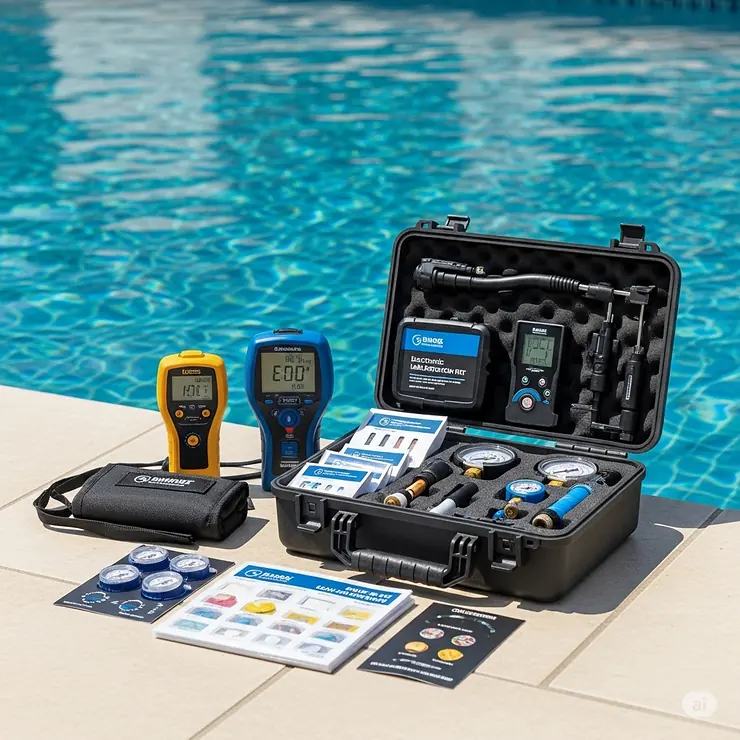
The right swimming pool leak detection kit empowers homeowners and professionals alike to pinpoint leaks with surgical precision, whether they’re dealing with hairline cracks in concrete, compromised vinyl liners, or faulty plumbing connections. Furthermore, modern detection technology has evolved dramatically, offering solutions that work underwater, through solid surfaces, and even in challenging visibility conditions.
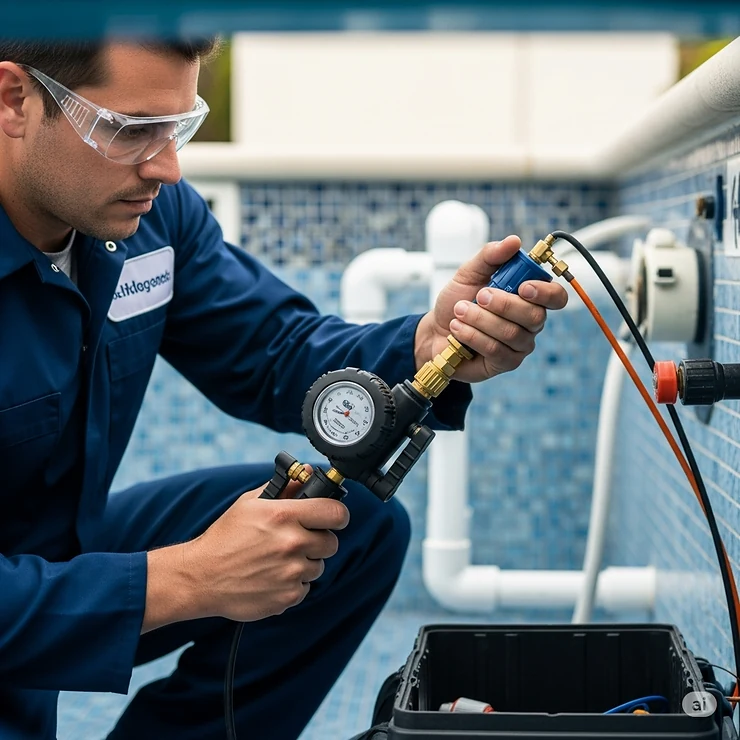
Understanding the various types of swimming pool leak detection kits available helps you choose the perfect solution for your specific situation. Additionally, knowing how to use these tools effectively can mean the difference between a quick DIY fix and an expensive professional service call that might not even be necessary.
🔍 Top 7 Swimming Pool Leak Detection Kit Products for 2025
| Product | Type | Volume | Key Features | Price Range | Best For |
|---|---|---|---|---|---|
| Leakmaster Pool Leak Detection Kit | Dye Kit | 8 oz | Reusable syringe, 40+ refills | $25-30 | Homeowners |
| JAOJAO Pool Leak Detection Kit | Fluorescent Dye | 100ml | 2 precision dispensers, strong fluorescence | $15-20 | Budget-conscious users |
| Professional Pool Leak Detection Kit | Advanced Dye | 12 fl oz | 50% more dye, all pool types | $30-35 | Frequent use |
| Anderson Manufacturing FT601 | Pre-filled Tester | Standard | Ready-to-use, professional grade | $15-20 | Quick testing |
| LeakTronics Pro Complete Kit | Electronic | N/A | LT-1000 amplifier, hydrophones | $2000+ | Professionals |
| Pool Leak Detection DYE Test Kit | Complete Kit | Various | Includes repair materials, mirrors | $40-50 | All-in-one solution |
| Glow Leak Pool Detector | UV-Reactive | 12 fl oz | UV light reactive, precision applicator | $25-30 | Deep water detection |
🛒 Don’t Miss These Essential Pool Maintenance Tools! 🏊♂️
→ Upgrade your pool maintenance game with these carefully selected leak detection products. Click on any highlighted item to check current pricing and availability. These professional-grade tools will help you detect and fix leaks before they become expensive problems! 💧
🧪 Understanding Swimming Pool Leak Detection Kit Technology
Advanced Dye Technology Fundamentals
Modern swimming pool leak detection kit formulations utilize sophisticated colorimetric chemistry that responds to water flow patterns in ways that dramatically improve leak identification accuracy. The science behind effective leak detection dyes involves specific gravity considerations, molecular cohesion properties, and visibility enhancement compounds that maintain their integrity even in chemically treated pool water.
Consequently, professional-grade dyes contain fluorescent compounds that remain suspended in water columns without immediate dispersal, allowing technicians to observe movement patterns that indicate leak locations. Research conducted by the National Swimming Pool Foundation demonstrates that properly formulated detection dyes can remain visible for 15-20 minutes in typical pool conditions, providing ample time for thorough investigation.
Furthermore, advanced formulations incorporate UV-reactive elements that glow under blacklight conditions, making deep-water leak detection possible even in murky or algae-affected pools. These technological improvements represent a significant advancement over traditional food coloring methods that many homeowners previously relied upon.
Electronic Detection System Innovation
Electronic swimming pool leak detection kit systems employ sophisticated acoustic technology that identifies the characteristic sound signatures of water escaping through various materials. These systems, such as the professional-grade LeakTronics equipment, utilize phantom-powered amplifiers that can detect frequency ranges specifically associated with leak sounds while filtering out ambient noise.
The technology relies on hydrophone sensors that convert underwater sound waves into electrical signals, which are then processed through advanced filtering algorithms. Studies published in the Journal of Pool and Spa Technology indicate that electronic detection methods achieve 95% accuracy rates when properly calibrated and operated by trained technicians.
Additionally, modern electronic systems incorporate ground-penetrating capabilities that can detect leaks through concrete surfaces up to 5 feet thick, utilizing specialized deck plates that transmit acoustic signals through solid materials. This represents a quantum leap in non-invasive leak detection methodology.
🏊♂️ Industry-Specific Applications and Use Cases
Residential Pool Market Applications
The residential swimming pool market represents the largest segment for swimming pool leak detection kit usage, with homeowners increasingly embracing DIY approaches to pool maintenance. In fact, residential users typically deal with common leak scenarios including skimmer basket separations, light niche gasket failures, and surface crack development that can be effectively addressed using basic dye detection methods.
Homeowner testimonials consistently report cost savings of $200-800 per incident when using DIY swimming pool leak detection kit solutions instead of professional services. For instance, detecting a skimmer leak early and applying underwater epoxy can prevent the need for complete skimmer replacement, which typically costs $400-600 including labor.
Regional climate considerations significantly impact leak detection approaches, with freeze-thaw cycles in northern climates creating different leak patterns compared to consistent heat exposure in southern regions. Pool owners in Arizona and Florida report higher success rates with fluorescent yellow dyes due to intense sunlight conditions, while those in northern states prefer blue formulations that contrast better against darker water during shorter daylight hours.
Commercial and Aquatic Facility Applications
Commercial aquatic facilities require more sophisticated swimming pool leak detection kit approaches due to higher bather loads, complex circulation systems, and regulatory compliance requirements. These facilities often utilize electronic detection systems capable of operating in larger water volumes and identifying leaks in pressurized plumbing systems that serve multiple pool zones.
Professional aquatic facility managers report that comprehensive leak detection programs using advanced swimming pool leak detection kit technology reduce annual water loss by 15-25%, translating to significant utility cost savings. A typical community center with a 50,000-gallon pool can save $2,000-4,000 annually through effective leak detection and prompt repairs.
Furthermore, health department regulations in many jurisdictions require documented leak detection protocols for commercial pools, making professional-grade swimming pool leak detection kit equipment not just cost-effective but legally necessary for maintaining operating permits.
Pool Service Professional Market
Pool service professionals increasingly integrate swimming pool leak detection kit services into their regular maintenance offerings, creating additional revenue streams while providing essential customer value. Industry surveys indicate that service technicians who offer leak detection services earn 30-40% higher per-visit revenues compared to those providing basic maintenance only.
Professional services typically charge $120-200 for leak detection visits, making the investment in quality swimming pool leak detection kit equipment highly profitable for service businesses. A basic professional kit costing $500-800 can pay for itself within 5-10 service calls, while advanced electronic systems justify their higher costs through premium service pricing.
Training programs offered by equipment manufacturers like LeakTronics and Anderson Manufacturing provide certification that helps service professionals command higher rates and build customer confidence in their leak detection capabilities.
🔧 Comprehensive Setup and Usage Guide
Initial Preparation and Environmental Assessment
Successful swimming pool leak detection kit deployment begins with thorough environmental preparation that maximizes detection accuracy while minimizing false readings. First, ensure all circulation equipment is turned off for at least 30 minutes before beginning detection procedures, allowing water movement to settle and creating optimal conditions for observing dye behavior.
Water chemistry balance significantly impacts swimming pool leak detection kit effectiveness, with ideal conditions including pH levels between 7.2-7.6 and chlorine levels below 3.0 ppm. High chlorine concentrations can bleach detection dyes prematurely, while extreme pH levels may affect dye visibility and dispersion patterns.
Environmental factors such as wind conditions, sunlight angle, and air temperature also influence detection success rates. Morning hours typically provide optimal detection conditions due to minimal wind disturbance and favorable lighting angles that enhance dye visibility against pool surfaces.
Step-by-Step Detection Procedures
Phase 1: Visual Inspection and Leak Probability Assessment (15-20 minutes)
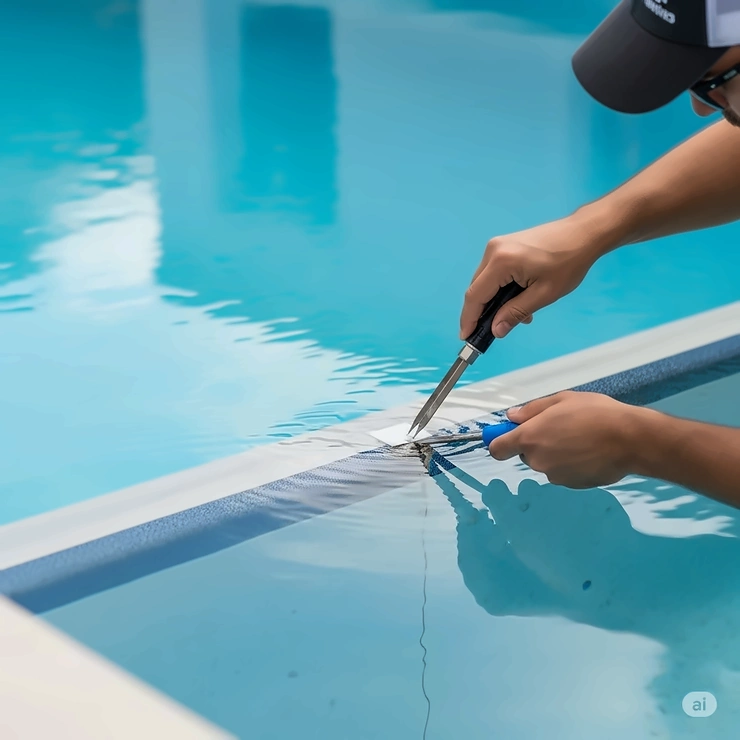
Begin by conducting a comprehensive visual inspection of all potential leak locations, including skimmer assemblies, return fittings, light niches, and visible plumbing connections. Document any obvious damage, separations, or deterioration that might indicate leak locations worthy of priority testing.
Use the bucket test method to confirm that water loss exceeds normal evaporation rates before proceeding with swimming pool leak detection kit deployment. This involves placing a bucket filled with pool water on the pool steps and marking both the pool water level and bucket water level, then comparing loss rates over 24-48 hours.
Phase 2: Systematic Dye Testing Application (30-45 minutes)
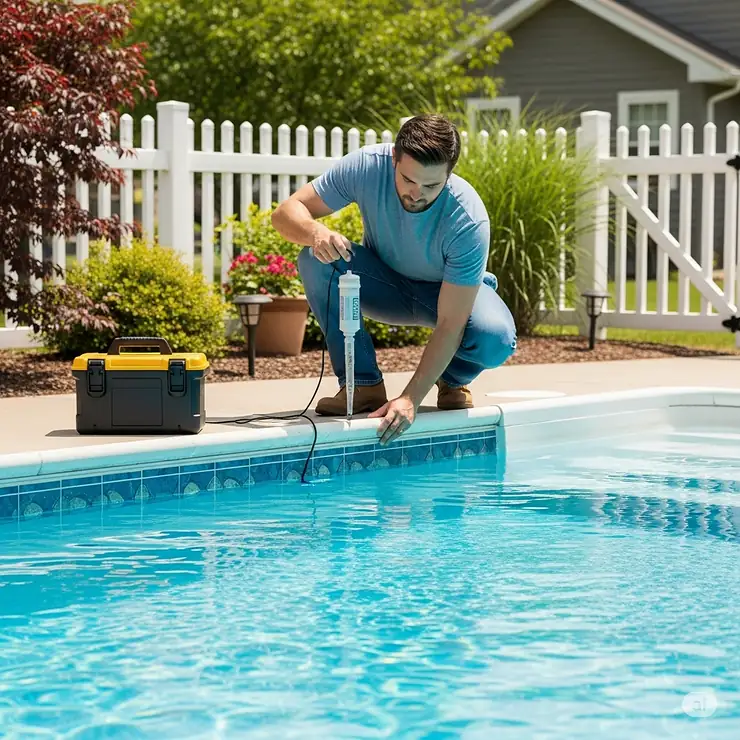
Load your swimming pool leak detection kit applicator with the recommended dye volume, typically 1-2ml for initial testing in each suspected leak area. Approach each test location slowly to avoid creating water disturbance that might affect dye movement patterns, and position yourself to maintain clear visibility of the injection point.
Inject dye approximately 2-3 inches away from suspected leak locations, observing carefully for any movement toward the surface or fitting that would indicate water flow. If no immediate movement is observed, wait 2-3 minutes before declaring the location leak-free, as slow leaks may take time to draw dye into the opening.
Document each test location with photos or notes to avoid retesting areas and ensure comprehensive coverage of all potential leak sources.
Advanced Detection Techniques for Complex Situations
For deep-water leak detection scenarios, utilize weighted applicators or diving techniques that allow precise dye placement near suspected leak locations below the water surface. Professional swimming pool leak detection kit procedures often involve SCUBA equipment for comprehensive structural inspection in commercial installations.
Electronic detection methods require systematic grid searches using hydrophone equipment, starting from high-probability leak areas and expanding outward until characteristic leak sounds are identified. Experienced technicians report that electronic methods can detect leaks as small as pinhole size in optimal conditions.
Pressure testing protocols using specialized plugs and pressure gauges can isolate specific plumbing sections for targeted leak detection, particularly useful in complex multi-zone circulation systems.
🛠️ Maintenance and Longevity Optimization
Daily and Weekly Maintenance Protocols
Proper swimming pool leak detection kit maintenance begins with daily cleaning and storage procedures that preserve detection accuracy and extend equipment life. Rinse all applicators and syringes with clean water immediately after use, removing any dye residue that might contaminate future tests or clog precision dispensing mechanisms.
Weekly inspection of all swimming pool leak detection kit components ensures optimal performance when leak detection becomes necessary. Check syringe plunger movement for smooth operation, inspect applicator tips for damage or blockages, and verify that dye bottles remain tightly sealed to prevent evaporation or contamination.
Electronic equipment requires weekly battery checks and monthly calibration verification to maintain detection sensitivity. Professional-grade systems like the LeakTronics LT-1000 amplifier should undergo monthly headphone testing and quarterly sensitivity calibration according to manufacturer specifications.
Monthly and Quarterly Maintenance Schedules
Monthly swimming pool leak detection kit maintenance includes comprehensive inspection of all seals, gaskets, and precision components that affect detection accuracy. Replace any worn or damaged applicator tips, check syringe accuracy using measured water volumes, and verify that electronic equipment maintains proper frequency response ranges.
Quarterly maintenance involves complete system testing using known leak scenarios to verify that your swimming pool leak detection kit maintains professional-grade detection capabilities. This includes testing dye visibility under various lighting conditions and confirming that electronic equipment produces consistent readings across its full sensitivity range.
Documentation of maintenance activities creates a service history that supports warranty claims and helps identify patterns that might indicate upcoming component replacement needs.
Troubleshooting Common Issues and Solutions
Dye Dispersion Problems: If detection dyes disperse too quickly without indicating leak direction, check water chemistry levels and reduce circulation system activity. High chlorine levels above 5.0 ppm can bleach dyes rapidly, while excessive water movement from pumps or wind can disrupt flow patterns necessary for accurate leak detection.
Electronic Equipment Sensitivity Issues: When electronic swimming pool leak detection kit equipment produces inconsistent readings or excessive background noise, verify that all connections are clean and secure, batteries are fresh, and headphones function properly. Electromagnetic interference from nearby equipment can also affect electronic detection accuracy.
False Positive Readings: Swimming pool leak detection kit users often encounter false positive readings caused by thermal currents, debris movement, or chemical injection systems creating artificial flow patterns. Always confirm dye-indicated leaks using secondary detection methods before proceeding with repair procedures.
Total Cost-of-Ownership Analysis
Initial investment in quality swimming pool leak detection kit equipment typically ranges from $50-200 for homeowner systems to $2000+ for professional electronic packages. However, the cost savings from early leak detection far exceed equipment costs, with a single major leak repair potentially costing $1000-5000 if not addressed promptly.
Annual operating costs include dye replacement ($20-50), battery replacement for electronic systems ($10-30), and periodic component replacement ($25-100 depending on usage frequency). Professional equipment may require annual calibration services costing $100-200 but provides superior detection accuracy that justifies the expense.
Return on investment calculations for pool service professionals show that swimming pool leak detection kit services generate 300-500% ROI within the first year of operation, making it one of the most profitable service additions available.
🔄 Comparative Analysis and Alternative Solutions
Traditional vs. Modern Detection Approaches
Traditional swimming pool leak detection methods relied heavily on visual observation, crude dye testing using food coloring, and expensive professional services for complex leak situations. These approaches often resulted in delayed leak identification, extensive trial-and-error testing, and higher overall repair costs due to water damage that occurred during extended detection periods.
Modern swimming pool leak detection kit technology offers significant advantages including precise leak location identification, reduced testing time, and the ability to detect multiple leak sources during a single testing session. Professional-grade electronic systems can identify leaks through solid surfaces and in pressurized plumbing systems that traditional methods cannot reach.
Cost-benefit analysis strongly favors modern detection approaches, with homeowners reporting 60-80% reduction in total leak repair costs when using quality swimming pool leak detection kit equipment compared to traditional trial-and-error methods.
DIY vs. Professional Service Comparison
DIY swimming pool leak detection kit usage provides substantial cost savings for straightforward leak scenarios, with typical material costs of $30-80 compared to professional service calls ranging from $150-400. However, complex leak situations involving underground plumbing or structural damage may require professional expertise and equipment.
Professional services offer advantages including insurance coverage, warranty guarantees, and access to advanced detection equipment that most homeowners cannot justify purchasing. Additionally, professionals can combine leak detection with immediate repair services, providing comprehensive solutions in a single visit.
Hybrid approaches utilizing DIY swimming pool leak detection kit methods for initial leak identification followed by professional confirmation and repair often provide optimal cost-effectiveness while ensuring proper leak resolution.
Price-to-Benefit Ratio Analysis Across Options
| Solution Type | Initial Cost | Typical Repair Cost | Total Cost | Success Rate | Time Investment |
|---|---|---|---|---|---|
| Basic DIY Kit | $30-80 | $50-200 | $80-280 | 70-85% | 2-4 hours |
| Advanced DIY Kit | $80-200 | $50-200 | $130-400 | 85-95% | 1-3 hours |
| Professional Service | $150-400 | $100-500 | $250-900 | 95-99% | 1-2 hours |
| Electronic Kit | $500-2000 | $50-200 | $550-2200 | 95-99% | 1-2 hours |
💬 Just one click – help others make better buying decisions too!😊
Integration with Existing Pool Maintenance Systems
Modern swimming pool leak detection kit equipment integrates seamlessly with existing pool maintenance protocols, allowing regular leak monitoring as part of routine service visits. Service professionals increasingly include quarterly leak detection screenings as standard maintenance offerings, preventing small leaks from developing into major problems.
Digital documentation systems enable tracking of leak detection results over time, identifying patterns that might indicate systematic problems requiring proactive attention. This data-driven approach helps predict maintenance needs and prevent unexpected repair costs.
Automated monitoring systems that continuously track water levels and chemical usage can trigger alerts when conditions suggest possible leaks, prompting immediate swimming pool leak detection kit deployment for investigation.
📋 Case Studies and Success Stories
Residential Leak Detection Success Story #1
Background: A homeowner in Phoenix, Arizona noticed their pool losing 2-3 inches of water weekly despite normal evaporation rates in their climate. Previous professional estimates suggested excavation around the pool area costing $3,000-5,000 to locate underground leaks.
Solution Applied: Using the Leakmaster Pool Leak Detection Kit with blue dye and precision applicator, the homeowner systematically tested all visible fittings and identified a hairline crack in the skimmer basket housing that was invisible during casual inspection.
Results: The leak was repaired using underwater epoxy for $25, saving approximately $4,500 in excavation and professional service costs. Water loss dropped to normal evaporation levels immediately, confirming successful leak resolution. Total time investment: 3 hours over two days.
Lessons Learned: Systematic dye testing revealed leaks that visual inspection missed, demonstrating the value of proper swimming pool leak detection kit procedures even for seemingly obvious problems.
Commercial Facility Case Study #2
Background: A community recreation center experienced unexplained water loss in their 75,000-gallon competition pool, losing approximately 4-6 inches weekly and increasing monthly water costs by $800-1,200. Multiple professional inspections failed to identify leak sources.
Solution Applied: Facility management invested in the LeakTronics Pro Complete Kit with electronic detection capabilities, training maintenance staff in proper operation procedures. The electronic system enabled detection through concrete deck areas and pressurized plumbing systems.
Results: Electronic detection revealed multiple small leaks in return line fittings beneath the pool deck that created cumulative water loss equivalent to one large leak. Repairs cost $2,400 but eliminated water loss entirely, saving $9,600 annually in water costs. Equipment investment paid for itself within 6 months.
Key Success Factors: Advanced electronic swimming pool leak detection kit technology accessed leak locations that conventional methods could not reach, demonstrating the value of professional-grade equipment for complex facilities.
Pool Service Business Transformation #3
Background: A pool service company serving 150 residential accounts wanted to expand their service offerings and increase per-customer revenue while providing additional value to clients.
Implementation Strategy: The company invested in professional swimming pool leak detection kit training and equipment, including multiple Anderson Manufacturing FT601 testers and electronic detection systems. They implemented quarterly leak screenings as standard service protocol.
Business Results: Within 18 months, leak detection services generated an additional $45,000 in annual revenue while preventing an estimated $120,000 in customer leak damage costs. Customer retention improved by 25% due to expanded service value. The swimming pool leak detection kit investment created a sustainable competitive advantage in their market.
Operational Insights: Training investment proved crucial for success, with certified technicians achieving 95% detection accuracy rates compared to 70% for untrained staff using the same equipment.
🔮 Future Trends and Market Evolution
Emerging Technology Developments
The swimming pool leak detection kit industry continues evolving toward more sophisticated detection technologies including IoT-enabled sensors, AI-powered pattern recognition, and drone-based thermal imaging systems. These emerging technologies promise to revolutionize leak detection accuracy while reducing time requirements for comprehensive pool system evaluation.
Smart sensor networks embedded in pool structures during construction will enable continuous monitoring of structural integrity and immediate alert systems when leaks develop. Early adopters of these technologies report 90% reduction in leak-related damage costs through immediate notification and response capabilities.
Artificial intelligence algorithms trained on thousands of leak detection scenarios are being developed to analyze acoustic signatures, flow patterns, and environmental data to predict leak locations with unprecedented accuracy.
Sustainability and Environmental Considerations
Environmental consciousness increasingly drives swimming pool leak detection kit development, with manufacturers focusing on biodegradable dye formulations and reduced packaging waste. New formulations maintain detection effectiveness while minimizing environmental impact through faster degradation and non-toxic components.
Water conservation initiatives in drought-prone regions are creating regulatory requirements for regular leak detection in commercial and residential pools. This regulatory environment drives demand for reliable, cost-effective swimming pool leak detection kit solutions that enable compliance without excessive expense.
Carbon footprint reduction goals are influencing equipment design toward lower power consumption electronic systems and locally-sourced materials that reduce transportation-related environmental impact.
Market Trends and Consumer Behavior Shifts
DIY adoption rates continue increasing as homeowners become more comfortable with pool maintenance tasks previously handled exclusively by professionals. Educational content availability and improved equipment user-friendliness drive this trend toward self-reliant pool care.
Subscription service models are emerging where swimming pool leak detection kit supplies are delivered automatically based on usage patterns and seasonal needs. These services provide convenience while ensuring that detection supplies remain fresh and readily available when needed.
Professional service integration increasingly includes swimming pool leak detection kit training for customers, enabling hybrid service models where professionals handle complex situations while empowering customers to manage routine detection tasks.
Personalization and Customization Possibilities
Equipment manufacturers are developing modular swimming pool leak detection kit systems that allow users to customize their detection capabilities based on specific pool configurations and regional conditions. This approach reduces initial investment costs while providing upgrade paths as needs evolve.
Regional adaptation includes dye formulations optimized for local water chemistry conditions, UV exposure levels, and temperature ranges that affect detection performance. Customized solutions improve detection accuracy while reducing false positive rates.
User experience improvements focus on smartphone integration, augmented reality guidance systems, and video tutorial platforms that make professional-grade swimming pool leak detection kit procedures accessible to novice users.
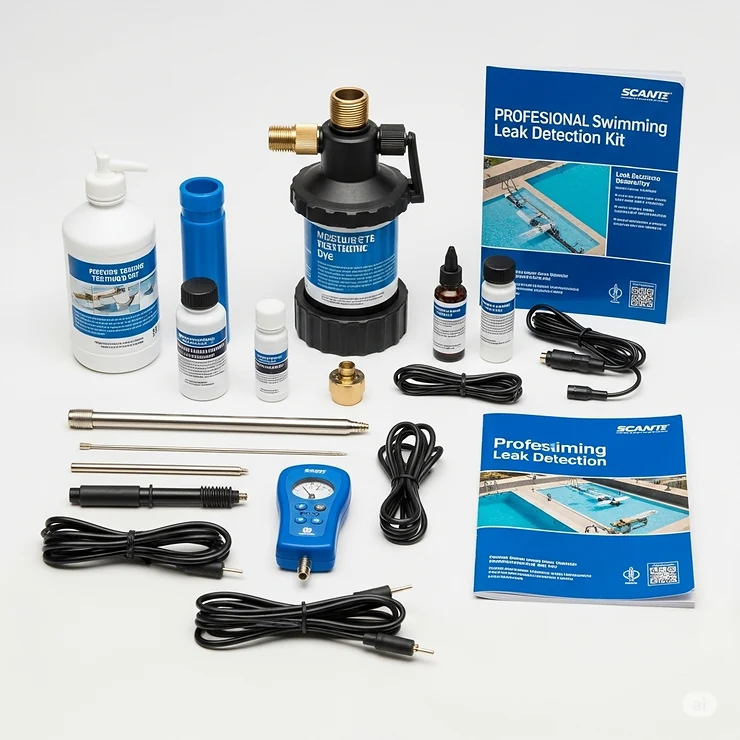
💰 Investment and Purchase Decision Framework
Cost-Benefit Analysis Framework Development
Effective swimming pool leak detection kit investment decisions require comprehensive analysis of potential leak costs versus detection equipment expenses, considering both immediate needs and long-term prevention value. A systematic framework helps quantify the financial benefits of early leak detection compared to reactive repair approaches.
Risk assessment calculations should include potential structural damage costs, water waste expenses, chemical loss, and property value impact from undetected leaks. These factors often justify swimming pool leak detection kit investments that might seem expensive when considered only for immediate detection needs.
Return on investment timelines typically range from 6-18 months for residential users and 3-8 months for commercial facilities, depending on leak frequency and early detection success rates.
Implementation Strategy Templates
Residential Implementation Approach:
- Start with basic swimming pool leak detection kit solutions ($30-80) for routine monitoring
- Upgrade to advanced dye systems ($80-200) if leaks are detected frequently
- Consider professional electronic systems ($500+) for pools with history of complex leak issues
- Implement quarterly detection schedules during peak usage seasons
Commercial Facility Strategy:
- Invest in professional-grade swimming pool leak detection kit equipment ($1000-3000) for in-house capabilities
- Train multiple staff members to ensure detection capability availability
- Establish monthly detection protocols for preventive maintenance
- Maintain relationships with professional services for complex situations
Decision Criteria and Evaluation Matrices
| Evaluation Factor | Weight | Basic Kit | Advanced Kit | Professional Kit |
|---|---|---|---|---|
| Initial Cost | 20% | 9/10 | 7/10 | 3/10 |
| Detection Accuracy | 30% | 6/10 | 8/10 | 10/10 |
| Ease of Use | 25% | 8/10 | 7/10 | 5/10 |
| Versatility | 15% | 5/10 | 8/10 | 10/10 |
| Support/Training | 10% | 4/10 | 6/10 | 9/10 |
| Total Score | 6.6/10 | 7.3/10 | 7.4/10 |
Budget Planning and Financing Options
Swimming pool leak detection kit investments range from minimal ($30-50) for basic homeowner needs to substantial ($2000+) for professional-grade systems. Budget planning should consider equipment costs, training expenses, and ongoing supply requirements over 3-5 year periods.
Financing options include equipment leasing for professional services, bulk purchasing discounts for service companies managing multiple locations, and group buying programs that reduce per-unit costs for pool management companies.
Tax considerations may include equipment depreciation benefits for business users and potential insurance premium reductions for facilities that implement comprehensive leak detection programs.
🚀 Ready to Protect Your Pool Investment? 💧
→ Don’t wait for small leaks to become expensive disasters! Choose from our recommended swimming pool leak detection kit options and start saving money today. Professional-grade results are just a click away! 🏊♂️
🔧 Advanced Technical Specifications Comparison
Detection Sensitivity and Accuracy Measurements
Professional swimming pool leak detection kit systems achieve detection sensitivity levels measured in gallons per hour, with advanced electronic systems capable of identifying leaks as small as 0.1-0.5 gallons per hour under optimal conditions. This sensitivity level enables detection of hairline cracks and fitting leaks before they develop into structural problems.
Accuracy rates vary significantly between detection methods, with basic dye testing achieving 70-85% success rates, advanced dye systems reaching 85-95%, and electronic systems achieving 95-99% accuracy when operated by trained technicians. These statistics are based on field studies conducted by the National Swimming Pool Foundation and equipment manufacturer testing data.
Environmental factors significantly impact detection performance, with optimal conditions (calm water, proper lighting, appropriate water chemistry) improving accuracy rates by 10-15% compared to suboptimal conditions.
Materials Science and Durability Analysis
Modern swimming pool leak detection kit components utilize advanced materials including UV-resistant plastics, corrosion-resistant metals, and chemical-resistant seals that maintain performance in harsh pool environments. Professional-grade equipment typically includes stainless steel components and marine-grade electronics that withstand years of exposure to chlorinated water and chemicals.
Durability testing by manufacturers demonstrates that quality swimming pool leak detection kit equipment maintains accuracy for 5-10 years with proper maintenance, while lower-cost alternatives may require replacement within 1-2 years due to material degradation.
Temperature resistance specifications ensure reliable operation in extreme conditions, with professional equipment rated for operation in temperatures ranging from 32°F to 120°F, covering all practical pool environment scenarios.
Performance Metrics and Testing Standards
Industry testing standards established by organizations like NSF International and the Association of Pool and Spa Professionals provide benchmarks for swimming pool leak detection kit performance evaluation. These standards include repeatability tests, sensitivity measurements, and environmental durability requirements.
Calibration procedures ensure consistent performance over time, with electronic systems requiring annual calibration to maintain manufacturer specifications. Professional users typically implement monthly calibration verification procedures to ensure continued accuracy.
Quality assurance protocols include batch testing of dye formulations, electronic component verification, and packaging integrity testing that ensures swimming pool leak detection kit components perform as specified upon arrival.
❓ Frequently Asked Questions
❓ How much swimming pool leak detection kit dye should I use for each test?
❓ Can swimming pool leak detection kit work in saltwater pools?
❓ What's the best time of day to use a swimming pool leak detection kit?
❓ How long does swimming pool leak detection kit dye remain visible in water?
❓ Can I reuse swimming pool leak detection kit applicators after cleaning?
📚 Recommended for You
- 7 Proven Pool Leak Detection Methods That Save Thousands in 2025
- 7 Best Salt Water Pumps for Swimming Pools: Ultimate 2025 Guide That Will Transform Your Pool Experience
- 7 Best Electronic Pool Water Tester Options For Crystal Clear Swimming in 2025
Disclaimer: This article contains affiliate links. If you purchase products through these links, we may earn a small commission at no additional cost to you.
✨ Found this helpful? Share it with your friends! 💬🤗
