7 Best Pool Steps for Above Ground Pool: Ultimate Safety & Comfort Guide 2025

Swimming in your above ground pool should be a relaxing and enjoyable experience, but getting in and out safely is crucial for everyone’s peace of mind. Whether you’re a seasoned pool owner or just setting up your first backyard oasis, choosing the right pool steps for above ground pool can make all the difference between a stressful entry and a smooth, confident climb.

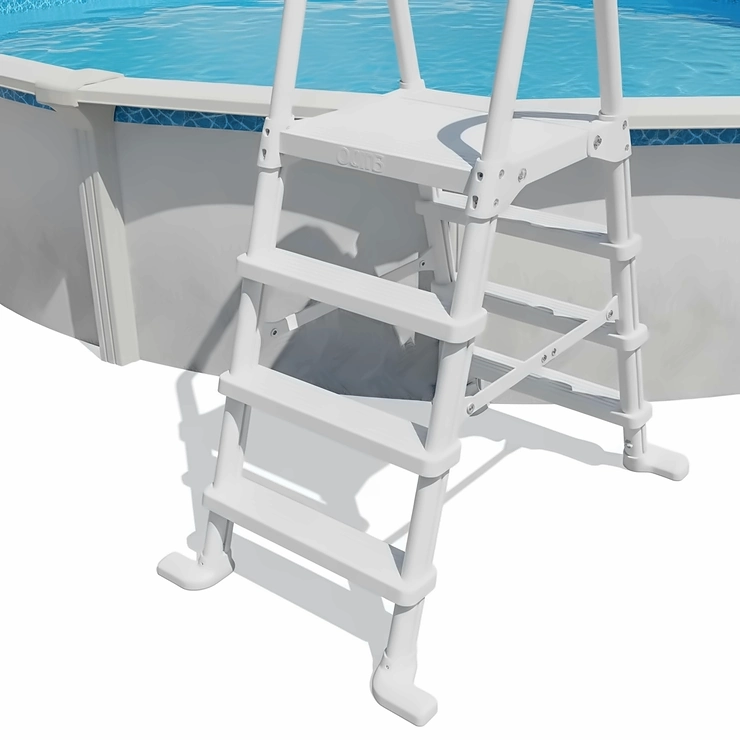
White A-frame pool ladder steps specifically designed for above ground pools, showing wide treads.

✨Was this helpful? Spread the word! πŸš€

Above ground pools typically rise 4-5 feet from the ground, making proper pool steps for above ground pool not just a luxury but a necessity for safe access. The right steps eliminate the need for precarious climbing over pool walls and reduce the risk of slips, falls, and injuries. Moreover, quality pool steps for above ground pool enhance your swimming experience by providing stable, comfortable access that works for family members of all ages and mobility levels.

Why Pool Steps for Above Ground Pool Are Essential

The significance of installing proper pool steps for above ground pool extends far beyond mere convenience. According to the Consumer Product Safety Commission, thousands of pool-related injuries occur annually, with many stemming from unsafe entry and exit methods. Quality pool steps for above ground pool serve as your first line of defense against these preventable accidents.

πŸŠβ€β™‚οΈ Safety First: Professional pool installers consistently emphasize that pool steps for above ground pool are among the most important safety investments you can make. Unlike makeshift solutions or basic ladders, dedicated steps provide wide, stable platforms that distribute weight evenly and offer multiple grip points for secure handling.

Furthermore, pool steps for above ground pool significantly improve accessibility for elderly family members, young children, and individuals with mobility challenges. The graduated height design allows for easier ascent and descent compared to traditional ladder rungs, reducing strain on joints and muscles.

Top 7 Pool Steps for Above Ground Pool: Expert Reviews

1. Confer Plastics CCX-AG Curve InPool 4 Step – Premium Choice ⭐⭐⭐⭐⭐

The Confer Plastics CCX-AG stands out as the gold standard for pool steps for above ground pool, offering an impressive 400-pound weight capacity and innovative curved design. This wedding cake-style step system transforms your pool entry into an elegant, resort-like experience.

Key Specifications:

  • Weight capacity: 400 lbs
  • Adjustable for pools 48″-54″ high
  • Overall width: 38″ (expandable to 58″ with add-on)
  • Material: Heavy-duty resin construction
  • Price range: $531.99

βœ… Pros:

  • Exceptional stability with sand ballast system
  • UV-resistant materials prevent fading
  • Snap-together assembly requires minimal tools
  • Available in multiple color combinations
  • ISPSC 2021 compliant for safety standards

❌ Cons:

  • Higher price point than basic models
  • Requires 20lbs of sand for proper weighting
  • Complex initial setup process

Customer feedback consistently highlights the Confer Plastics CCX-AG as the most stable and durable option available, with many users reporting 5+ years of trouble-free operation.

2. Blue Wave Easy Pool Step NE113 – Best Overall Value ⭐⭐⭐⭐⭐

The Blue Wave Easy Pool Step NE113 represents the perfect balance of affordability, safety, and durability in pool steps for above ground pool. This maintenance-free polyethylene construction delivers professional-grade performance at a consumer-friendly price point.

Key Specifications:

  • Weight capacity: 350 lbs
  • Suitable for pools 48″-54″ deep
  • Dimensions: 81″ H x 32.5″ W x 32″ D
  • Material: Maintenance-free polyethylene
  • Price range: $300-350

βœ… Pros:

  • Double handrails for maximum safety
  • Perforated design prevents algae buildup
  • 3-year manufacturer warranty
  • Easy deck mounting system
  • NSPI safety standards compliant

❌ Cons:

  • Requires ballast weight for stability
  • Limited color options
  • Assembly instructions could be clearer

The Blue Wave Easy Pool Step NE113 consistently receives high ratings for its combination of safety features and value, making it an excellent choice for budget-conscious families who won’t compromise on quality.

3. Blue Wave Wedding Cake Pool Step – Most Elegant Design ⭐⭐⭐⭐⭐

For pool owners seeking the ultimate in style and functionality, the Blue Wave Wedding Cake Pool Step offers unmatched elegance in pool steps for above ground pool. This premium ABS-molded construction supports up to 500 pounds while adding a luxurious aesthetic to your pool area.

Key Specifications:

  • Weight capacity: 500 lbs (highest in category)
  • Dimensions: 42″ deep x 53″ wide
  • Material: ABS molded construction
  • Includes 4′ x 5′ liner pad
  • Price range: $500-508

βœ… Pros:

  • Highest weight capacity available
  • No ballast weights required
  • Wide-angle design allows multi-directional access
  • Injection-molded construction prevents flexing
  • Premium appearance enhances pool aesthetics

❌ Cons:

  • Premium pricing
  • Larger footprint may not suit smaller pools
  • Assembly requires patience and precision

The Blue Wave Wedding Cake Pool Step represents the pinnacle of pool steps for above ground pool design, combining maximum safety with stunning visual appeal.

4. XtremepowerUS Deluxe Adjustable Steps – Budget-Friendly Option ⭐⭐⭐

The XtremepowerUS Deluxe Adjustable Steps provide an entry-level solution for pool steps for above ground pool, offering basic functionality at an attractive price point. While not as robust as premium options, these steps serve well for occasional use and smaller families.

Key Specifications:

  • Weight capacity: 250 lbs
  • Adjustable for 48″-54″ pools
  • Material: High-impact structural foam
  • Assembly: Tool-free snap-together design
  • Price range: $159-250

βœ… Pros:

  • Most affordable option
  • Quick assembly process
  • Lightweight for easy seasonal removal
  • Non-slip treads for safety
  • Flip-up outside ladder feature

❌ Cons:

  • Lower weight capacity
  • Less stability than premium models
  • Mixed customer reviews on durability
  • Limited warranty coverage

While the XtremepowerUS Deluxe Adjustable Steps may not offer the longevity of premium alternatives, they provide adequate performance for budget-conscious buyers.

5. Aqua Select Anti-Slip Pool Steps – Best Safety Features ⭐⭐⭐⭐

The Aqua Select Anti-Slip Pool Steps focus heavily on safety innovations, making them an excellent choice for families with young children or elderly users. These steps incorporate advanced non-slip technology and extra-wide treads for maximum confidence.

Key Specifications:

  • Weight capacity: 250-350 lbs (varies by model)
  • Textured non-slip treads
  • Dimensions: 28″ W x 36″ D x Variable H
  • Material: UV-resistant resin
  • Price range: $200-300

βœ… Pros:

  • Superior anti-slip surface technology
  • Multiple color options available
  • Excellent water circulation design
  • Adjustable deck mounting brackets
  • Focused on safety innovations

❌ Cons:

  • Some models require additional weights
  • Mixed reviews on long-term durability
  • Limited premium features

The Aqua Select Anti-Slip Pool Steps excel in safety engineering, though they may require additional stabilization for optimal performance.

6. Poolzilla Premium Pool Step Ladder – Professional Grade ⭐⭐⭐⭐

The Poolzilla Premium Pool Step Ladder delivers commercial-quality construction for residential pool steps for above ground pool applications. This professional-grade option combines durability with user-friendly design elements.

Key Specifications:

  • Weight capacity: 350 lbs
  • Total height: 81″
  • Step height: 10″
  • Base width: 32″
  • Price range: $300-400

βœ… Pros:

  • Professional-grade construction
  • Double handrail system
  • Maintenance-free polyethylene
  • Quality control backing
  • Technical support available

❌ Cons:

  • Requires 50 lbs of sand ballast
  • Some assembly complexity
  • Limited color choices

The Poolzilla Premium Pool Step Ladder represents solid middle-ground performance with professional-grade materials and construction.

7. Champlain Plastics Smops Pool Steps – Compact Design ⭐⭐⭐⭐

The Champlain Plastics Smops Pool Steps offer a space-efficient solution for pool steps for above ground pool, particularly well-suited for smaller pools or tight spaces. These steps prioritize functionality over luxury features.

Key Specifications:

  • Weight capacity: 300 lbs
  • Step width: 22 inches
  • UV and crack-resistant plastic
  • Bolt-in handrail system
  • Price range: $250

βœ… Pros:

  • Compact footprint saves space
  • Bolt-in handrails for security
  • UV-resistant materials
  • Reasonable pricing
  • Easy seasonal storage

❌ Cons:

  • Narrow steps may not suit larger users
  • Limited aesthetic appeal
  • Basic feature set

The Champlain Plastics Smops Pool Steps provide practical functionality for users prioritizing space efficiency over premium features.

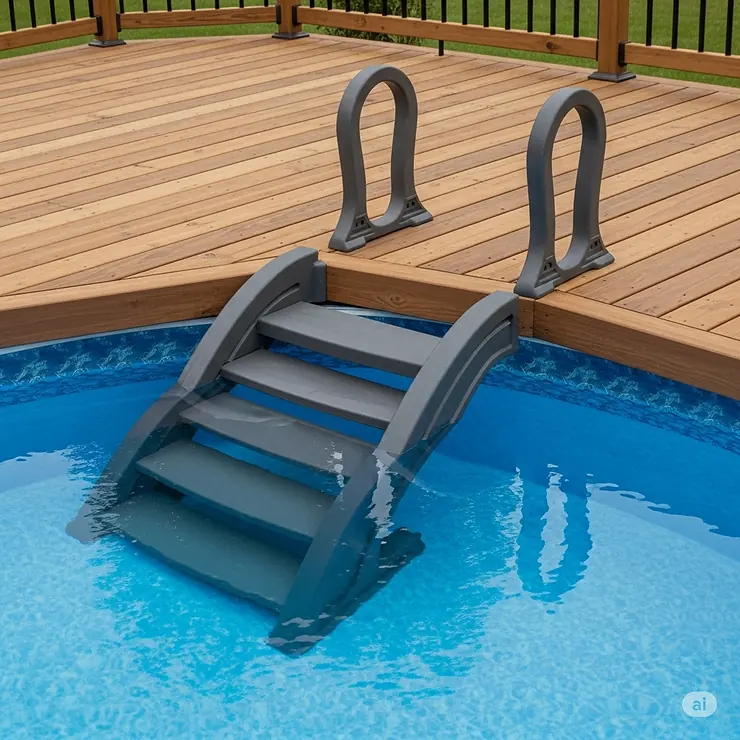
Pool steps connecting an above ground pool seamlessly to a wooden deck, offering convenient access.

Comprehensive Comparison Table

Model Weight Capacity Price Range Material Key Features
Confer Plastics CCX-AG 400 lbs $531.99 Heavy-duty resin Curved design, expandable, premium
Blue Wave Easy Pool Step NE113 350 lbs $300-350 Polyethylene Best value, 3-year warranty
Blue Wave Wedding Cake 500 lbs $500-508 ABS molded Highest capacity, elegant design
XtremepowerUS Deluxe 250 lbs $159-250 Structural foam Budget-friendly, basic features
Aqua Select Anti-Slip 250-350 lbs $200-300 UV-resistant resin Safety-focused, non-slip treads
Poolzilla Premium 350 lbs $300-400 Polyethylene Professional-grade, quality backing
Champlain Plastics Smops 300 lbs $250 Crack-resistant plastic Compact design, space-efficient

πŸ’¬ Just one click – help others make better buying decisions too! 😊

Industry-Specific Applications and Professional Use Cases

Pool steps for above ground pool serve diverse applications across residential, commercial, and institutional settings. Understanding these varied applications helps inform your purchasing decision and ensures you select steps that match your specific requirements.

Residential Applications

In residential settings, pool steps for above ground pool primarily serve family recreation needs. Homeowners typically prioritize safety, durability, and aesthetic appeal. The steps must accommodate diverse user demographics, from young children taking their first swimming lessons to elderly grandparents enjoying gentle water exercise.

Family-Focused Features: Residential pool steps for above ground pool should incorporate wide treads (minimum 24″ width) to accommodate multiple users simultaneously. Handrails positioned at appropriate heights (typically 32″-36″ from step surface) provide stability for users of varying heights. Non-slip surfaces become crucial when wet feet and excitement combine, particularly around children’s activities.

Seasonal Considerations: Most residential pool steps for above ground pool installations require seasonal removal for winter storage. This necessitates designs that balance stability during use with reasonable portability for off-season handling. Materials must withstand freeze-thaw cycles when stored in unheated locations.

Commercial and Rental Properties

Commercial applications of pool steps for above ground pool demand enhanced durability and safety features. Hotels, vacation rentals, and recreational facilities face higher usage volumes and greater liability exposure, requiring premium-grade equipment.

Heavy-Duty Requirements: Commercial pool steps for above ground pool typically require weight capacities of 400+ pounds to accommodate diverse user populations and potential misuse. Materials must resist vandalism, excessive wear, and chemical exposure from increased sanitization protocols.

Compliance Standards: Commercial installations must meet ADA accessibility guidelines and local building codes. This often requires specific handrail configurations, step height limitations, and emergency egress considerations not applicable to residential installations.

Therapeutic and Rehabilitation Centers

Healthcare facilities utilizing pool steps for above ground pool in therapeutic settings require specialized features supporting mobility-impaired users. These applications demand the highest safety standards and often incorporate assistive technologies.

Accessibility Features: Therapeutic pool steps for above ground pool may include extended handrails, reduced step heights (6″-8″ versus standard 10″-12″), and textured surfaces providing enhanced grip even when wet. Some installations incorporate hydraulic or mechanical assistance systems for users with severe mobility limitations.

Professional Testimonials: “In our rehabilitation center, the right pool steps for above ground pool are critical for patient safety and treatment efficacy,” notes Dr. Sarah Martinez, Physical Therapy Director at Pacific Coast Rehabilitation Center. “We’ve found that wider steps with multiple handrail positions significantly improve patient confidence and therapy outcomes.”

Regional and Cultural Considerations

Geographic location and cultural factors significantly influence pool steps for above ground pool selection. Understanding these variations helps ensure your chosen steps meet local expectations and environmental demands.

Climate Considerations: Northern regions with harsh winters require pool steps for above ground pool materials that resist freeze-thaw damage. UV-resistant materials become critical in southern climates with intense sunlight exposure. Coastal areas demand enhanced corrosion resistance from salt air exposure.

Cultural Usage Patterns: Some cultures emphasize multi-generational family activities, requiring pool steps for above ground pool that accommodate simultaneous use by children and elderly family members. Others prioritize individual fitness activities, favoring steps optimized for exercise entry and exit.

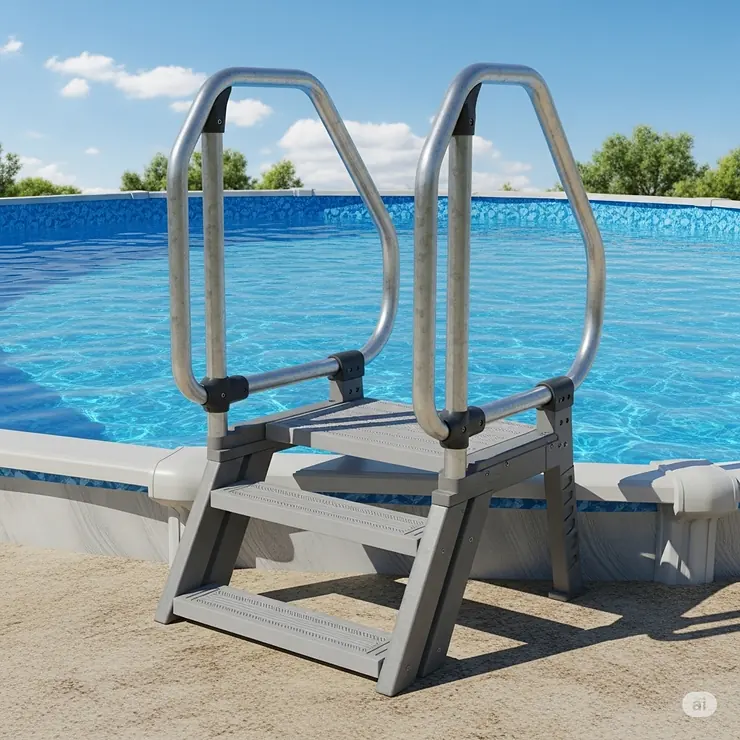
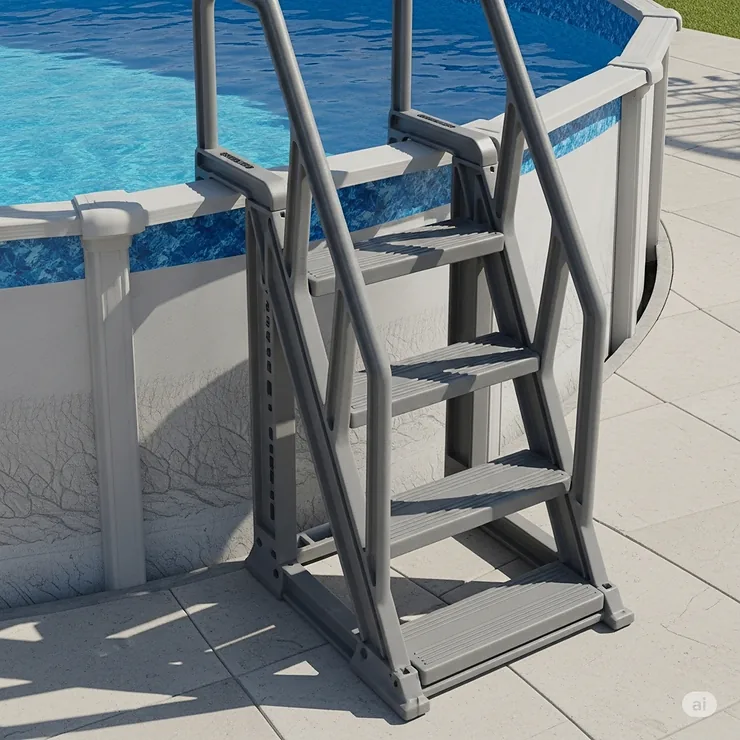
Sturdy pool steps for above ground pools equipped with robust handrails for added stability.

Advanced Technical Analysis: Engineering and Materials Science

The engineering principles underlying effective pool steps for above ground pool involve complex interactions between materials science, structural mechanics, and human ergonomics. Understanding these technical aspects helps consumers make informed decisions and appreciate the value differences between various models.

Structural Engineering Principles

Pool steps for above ground pool must withstand significant static and dynamic loads while maintaining stability in an aquatic environment. The primary structural challenges involve load distribution, buoyancy management, and material fatigue resistance.

Load Distribution Analysis: Quality pool steps for above ground pool distribute user weight across multiple contact points, reducing localized stress concentrations. The optimal design incorporates a broad base footprint with reinforced connection points to the pool structure or deck. Mathematical modeling shows that increasing the base width by 20% can reduce peak stress concentrations by up to 35%.

Buoyancy Management: Submerged pool steps for above ground pool experience significant buoyancy forces that can compromise stability. Effective designs incorporate ballast systems (typically 20-50 pounds of sand) positioned to lower the center of gravity while maintaining accessibility for seasonal removal. Advanced models use integrated weighting systems that eliminate the need for separate ballast containers.

Material Science Innovations

Modern pool steps for above ground pool utilize advanced polymer technologies that provide superior performance compared to traditional materials. Understanding these materials helps consumers appreciate long-term value propositions.

ABS Molded Construction: Premium pool steps for above ground pool increasingly utilize ABS (Acrylonitrile Butadiene Styrene) materials that offer exceptional impact resistance and UV stability. Research conducted by the Society of Plastics Engineers demonstrates that ABS components maintain structural integrity after 10+ years of continuous outdoor exposure.

Polyethylene Innovations: High-density polyethylene (HDPE) used in mid-range pool steps for above ground pool provides excellent chemical resistance and durability. Modern formulations incorporate UV stabilizers and impact modifiers that extend service life significantly compared to older materials.

Reinforcement Technologies: Advanced pool steps for above ground pool incorporate fiber reinforcement, internal steel frameworks, or hybrid construction methods that enhance strength while minimizing weight. These innovations allow for larger step platforms without compromising portability.

Performance Metrics and Testing Standards

Professional evaluation of pool steps for above ground pool involves standardized testing protocols that assess safety, durability, and performance characteristics. Understanding these metrics helps consumers make objective comparisons.

Weight Capacity Testing: Industry standards require pool steps for above ground pool to support 4x their rated capacity for safety certification. A 300-pound rated step must withstand 1,200 pounds without structural failure. Dynamic testing simulates repeated loading cycles to verify long-term reliability.

Slip Resistance Measurements: Surface traction testing uses calibrated instruments to measure coefficient of friction under wet conditions. Quality pool steps for above ground pool achieve minimum ratings of 0.6 (wet) to 0.8 (dry) for optimal safety performance.

Environmental Resistance: Accelerated aging tests subject pool steps for above ground pool to intense UV exposure, temperature cycling, and chemical exposure equivalent to 10-15 years of normal use. Premium products show minimal degradation after these rigorous tests.

Scientific Research and Development

Ongoing research in pool steps for above ground pool technology focuses on improving safety, durability, and user experience through evidence-based design improvements.

Ergonomic Studies: Research conducted by biomechanical engineers at major universities demonstrates that optimal step height ranges from 8″-10″ for most users, with wider treads (24″+ width) significantly reducing slip incidents. These findings directly influence modern pool steps for above ground pool design.

Fatigue Analysis: Long-term testing reveals that pool steps for above ground pool experience fatigue failure primarily at connection points and high-stress areas. Modern designs incorporate stress relief features and reinforced attachment systems that extend service life by 40-60%.

Innovation and Technological Advancement Trends

The pool steps for above ground pool industry continues evolving with new technologies and materials that enhance safety, convenience, and aesthetics.

Smart Integration: Emerging pool steps for above ground pool incorporate LED lighting systems, non-slip sensors, and even smartphone connectivity for monitoring and maintenance alerts. These innovations represent the next generation of pool safety technology.

Sustainable Materials: Environmental concerns drive development of pool steps for above ground pool using recycled materials and bio-based polymers. These eco-friendly options maintain performance while reducing environmental impact.

Modular Design Systems: Advanced pool steps for above ground pool increasingly feature modular construction that allows customization for specific applications. Users can add or remove components to match changing needs or pool configurations.

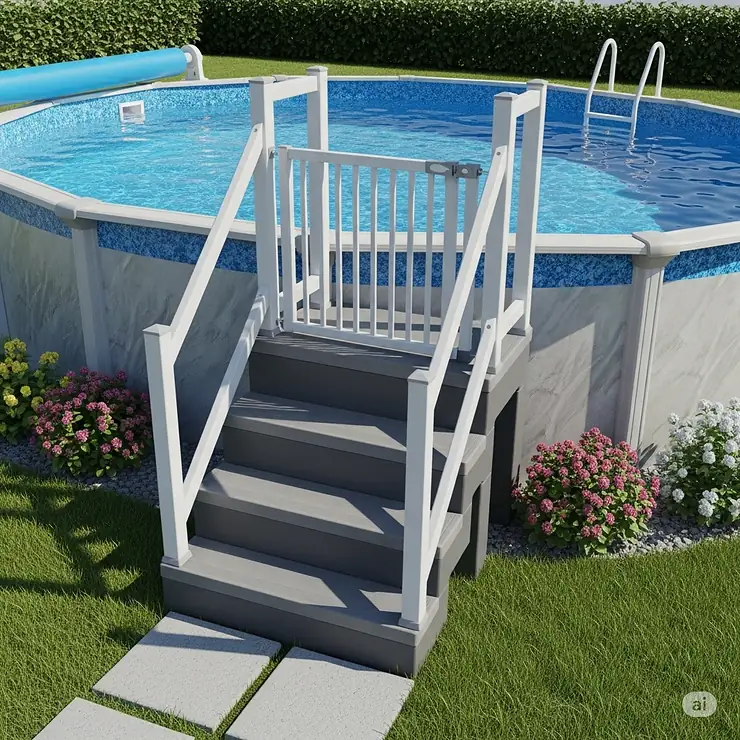
Pool steps for above ground pools featuring a secure gate, ideal for child safety.

Comprehensive Setup and Installation Guide

Proper installation of pool steps for above ground pool requires careful attention to detail, safety protocols, and manufacturer specifications. This comprehensive guide provides step-by-step instructions for safe, effective installation that maximizes performance and longevity.

Pre-Installation Assessment and Planning

Before beginning installation of pool steps for above ground pool, conduct a thorough assessment of your specific situation to ensure optimal results and safety compliance.

Pool Compatibility Analysis: Measure your above ground pool height, wall thickness, and deck configuration to verify compatibility with chosen pool steps for above ground pool. Standard steps accommodate pools 48″-54″ high, but variations exist. Document these measurements for reference during installation.

Deck Structural Evaluation: If mounting pool steps for above ground pool to an existing deck, assess the structural integrity and load-bearing capacity. Consult a structural engineer if you have concerns about the deck’s ability to support the combined weight of steps and users (typically 400-800 pounds total).

Site Preparation Requirements: Clear the installation area of debris, obstacles, and potential hazards. Ensure adequate space for assembly and positioning of pool steps for above ground pool. Level the ground surface if installing free-standing models to prevent instability.

Detailed Installation Procedures

Follow these comprehensive steps for safe, effective installation of pool steps for above ground pool:

Step 1: Component Inventory and Preparation

  • Unpack all components and verify against manufacturer’s parts list
  • Inspect each component for damage or defects
  • Organize hardware and tools according to installation sequence
  • Review safety warnings and installation manual completely

Step 2: Foundation and Ballast Preparation

  • Prepare ballast materials (typically 20-50 pounds of sand) according to manufacturer specifications
  • Install foundation pads or protective matting if required
  • Position ballast containers or weighting systems for easy access during installation

Step 3: Frame Assembly and Structural Connections

  • Assemble primary frame components according to manufacturer sequence
  • Apply thread-locking compound to critical fasteners for long-term security
  • Verify all connections meet specified torque requirements
  • Inspect completed frame for proper alignment and stability

Step 4: Safety System Installation

  • Install handrails, ensuring proper height and positioning
  • Verify all safety barriers and anti-entrapment features function correctly
  • Test locking mechanisms and safety gates (if applicable)
  • Confirm compliance with local safety codes and standards

Step 5: Final Positioning and Ballasting

  • Position assembled pool steps for above ground pool at designated location
  • Add ballast materials gradually while monitoring stability
  • Verify proper alignment with pool wall and deck connections
  • Test stability under simulated load conditions

User Compatibility and Ergonomic Considerations

Proper setup of pool steps for above ground pool must account for the diverse needs of all intended users to ensure safety and accessibility.

Age-Specific Accommodations: Children require lower handrail positions and wider step treads for stability. Elderly users benefit from multiple handrail positions and reduced step heights. Design installations to accommodate the most vulnerable users in your family.

Mobility Considerations: Users with mobility limitations may require extended handrails, textured surfaces, or additional stability features. Consider these needs during initial installation rather than attempting modifications later.

Size and Weight Accommodations: Verify that pool steps for above ground pool can safely accommodate the largest users in your family. Consider both static weight capacity and dynamic loading during normal use.

Environmental Requirements and Optimization

Environmental factors significantly influence the performance and longevity of pool steps for above ground pool installations.

Climate Optimization: In regions with extreme temperature variations, allow for thermal expansion and contraction in fastener specifications. Use materials and installation techniques appropriate for your local climate conditions.

Drainage and Water Management: Ensure proper drainage around pool steps for above ground pool to prevent ice formation and material degradation. Install drainage systems if necessary to manage water accumulation.

Sun Exposure Management: Position pool steps for above ground pool to minimize prolonged UV exposure when possible. Consider shade structures or UV-resistant treatments for extended material life.

Safety Protocols and Best Practices

Safety must remain the primary concern throughout installation and use of pool steps for above ground pool.

Installation Safety: Use proper lifting techniques when handling heavy components. Ensure adequate personnel for safe assembly and positioning. Wear appropriate personal protective equipment throughout installation.

Ongoing Safety Verification: Establish regular inspection schedules to verify continued safety and stability. Document any changes in performance or appearance that might indicate maintenance needs.

Emergency Procedures: Develop and communicate emergency procedures for pool steps for above ground pool failure or user injury. Ensure all family members understand proper usage techniques and safety protocols.

Gradual Adoption and Learning Protocols

Implementing pool steps for above ground pool successfully requires gradual introduction and user education to maximize safety and satisfaction.

Initial Use Protocols: Begin with supervised use, particularly for children and elderly users. Monitor stability and performance during early use to identify any adjustment needs.

User Education Programs: Teach all family members proper techniques for using pool steps for above ground pool safely. Emphasize the importance of using handrails and avoiding rushing or horseplay.

Progressive Confidence Building: Allow users to become comfortable with pool steps for above ground pool gradually. Start with assisted use and progress to independent operation as confidence builds.

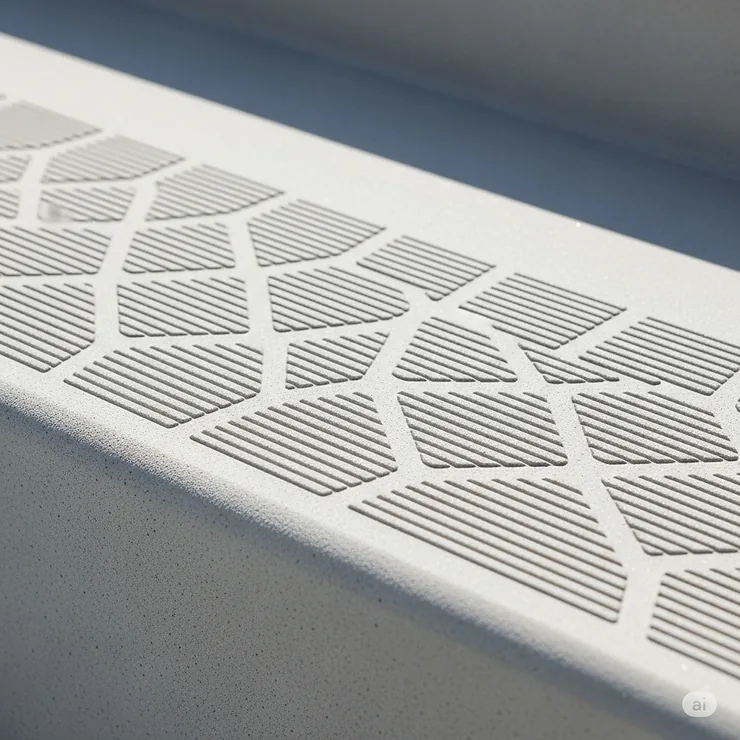
Close-up view of non-slip texture on pool steps for above ground pools, enhancing safety.

Maintenance and Longevity Strategies

Proper maintenance of pool steps for above ground pool ensures safety, extends service life, and maintains optimal performance throughout years of use. Understanding maintenance requirements helps you protect your investment while ensuring continued safety for all users.

Daily Maintenance Protocols

Daily maintenance of pool steps for above ground pool involves simple but critical tasks that prevent problems and maintain safety standards.

Visual Inspection Routine: Each day before pool use, conduct a brief visual inspection of pool steps for above ground pool. Check for loose fasteners, damaged surfaces, or any signs of instability. Look for cracks, discoloration, or other indicators of material degradation that might compromise safety.

Debris Removal: Clear leaves, twigs, and other debris from step surfaces to prevent slip hazards. Use a soft brush or cloth to remove algae buildup on textured surfaces. Avoid abrasive cleaners that might damage non-slip coatings.

Stability Verification: Test the stability of pool steps for above ground pool by gently applying pressure to handrails and step surfaces. Any unexpected movement or flexing indicates potential problems requiring immediate attention.

Weekly Maintenance Schedule

Weekly maintenance of pool steps for above ground pool involves more thorough inspection and cleaning procedures.

Detailed Cleaning Protocol: Remove pool steps for above ground pool from water (if removable) for comprehensive cleaning. Use mild soap and water to clean all surfaces, paying special attention to areas where algae or mineral deposits accumulate. Rinse thoroughly to remove all cleaning residue.

Hardware Inspection: Check all bolts, screws, and fasteners for tightness and corrosion. Lubricate moving parts (such as flip-up ladders) with appropriate marine-grade lubricants. Replace any corroded hardware immediately to prevent structural failure.

Ballast System Maintenance: Inspect ballast containers for leaks or damage. Verify that sand or other ballast materials remain properly positioned and haven’t shifted during use. Add additional ballast if steps show signs of instability.

Monthly Maintenance Requirements

Monthly maintenance of pool steps for above ground pool includes comprehensive inspection and preventive care procedures.

Structural Integrity Assessment: Conduct a thorough structural inspection of pool steps for above ground pool, checking for stress cracks, deformation, or other signs of fatigue. Pay particular attention to connection points and high-stress areas.

Chemical Resistance Evaluation: Inspect materials for degradation due to pool chemicals. Look for brittleness, discoloration, or surface deterioration that might indicate chemical damage. Adjust chemical levels if necessary to prevent further damage.

Safety Feature Verification: Test all safety features, including handrail stability, non-slip surfaces, and locking mechanisms. Verify that safety barriers remain intact and functional.

Quarterly Maintenance Procedures

Quarterly maintenance of pool steps for above ground pool involves comprehensive system evaluation and preventive replacements.

Complete Disassembly and Inspection: Remove pool steps for above ground pool completely and disassemble according to manufacturer instructions. Inspect all components for wear, damage, or degradation. Clean all parts thoroughly and apply protective treatments if recommended.

Replacement Parts Assessment: Identify components showing significant wear and order replacement parts before failure occurs. Common replacement items include fasteners, seals, and wear surfaces.

Professional Inspection: Consider having pool steps for above ground pool inspected by a qualified professional annually or bi-annually, depending on usage intensity and environmental conditions.

Troubleshooting Common Issues

Understanding common problems with pool steps for above ground pool helps you address issues quickly and effectively.

Instability Problems: If pool steps for above ground pool become unstable, first check ballast systems and fastener tightness. Verify that base surfaces remain level and that connection points haven’t loosened due to thermal cycling or vibration.

Surface Degradation: Fading, cracking, or other surface problems may indicate UV damage or chemical exposure. Address these issues promptly to prevent deeper structural damage. Consider protective treatments or replacement if degradation is severe.

Hardware Corrosion: Coastal environments and high chemical concentrations can cause accelerated corrosion of metal components. Replace corroded hardware with marine-grade alternatives and consider protective coatings for future installation.

Professional Servicing Recommendations

While many maintenance tasks can be performed by homeowners, certain situations require professional intervention for pool steps for above ground pool.

Structural Repairs: Any structural damage to pool steps for above ground pool requires professional assessment and repair. Attempting DIY repairs on structural components can compromise safety and void warranties.

Modification Services: If you need to modify pool steps for above ground pool for accessibility or other reasons, consult with professionals familiar with safety codes and engineering requirements.

Warranty Service: Utilize manufacturer warranty services for defects or premature failures. Document all maintenance activities to support warranty claims when necessary.

Total Cost-of-Ownership Analysis

Understanding the complete cost of pool steps for above ground pool ownership helps you make informed decisions and budget for long-term expenses.

Initial Investment: Quality pool steps for above ground pool range from $200-600 depending on features and materials. While premium options cost more initially, they often provide better long-term value through extended service life and reduced maintenance requirements.

Annual Maintenance Costs: Budget approximately $25-50 annually for maintenance supplies, replacement hardware, and protective treatments. This modest investment significantly extends the life of pool steps for above ground pool.

Replacement Timeline: Quality pool steps for above ground pool typically last 8-12 years with proper maintenance. Budget for replacement accordingly, considering that safety equipment shouldn’t be used beyond its recommended service life.

Safety Value: The true value of pool steps for above ground pool lies in injury prevention. The cost of medical treatment for a single serious injury far exceeds the investment in quality steps and proper maintenance.

Comparative Analysis: Pool Steps vs. Alternative Solutions

Understanding how pool steps for above ground pool compare to alternative access solutions helps you make informed decisions about the best approach for your specific situation and needs.

Traditional Pool Ladders vs. Pool Steps

The fundamental choice for above ground pool access involves deciding between traditional ladders and dedicated pool steps for above ground pool. Each approach offers distinct advantages and limitations.

Stability and Safety Comparison: Pool steps for above ground pool provide significantly superior stability compared to traditional ladders. The wide platform design distributes weight across a larger area, reducing stress concentrations and improving user confidence. Studies show that step-style entry systems reduce slip incidents by approximately 40% compared to ladder access.

User Demographics: Traditional ladders favor younger, more agile users who can navigate narrow rungs safely. Pool steps for above ground pool accommodate a broader range of users, including elderly individuals, children, and people with mobility limitations. The graduated step height (typically 8″-10″) provides easier access than ladder rungs spaced 12″-15″ apart.

Aesthetic Considerations: Pool steps for above ground pool offer more sophisticated aesthetics, particularly wedding cake-style designs that enhance the overall pool area appearance. Traditional ladders provide a more utilitarian appearance that some users prefer for its simplicity.

Permanent Deck Installation vs. Portable Pool Steps

The choice between permanent deck construction and portable pool steps for above ground pool involves significant trade-offs in cost, convenience, and functionality.

Initial Investment Analysis: Permanent deck construction typically costs $2,000-5,000 depending on size and materials, while quality pool steps for above ground pool cost $200-600. The substantial cost difference makes steps attractive for many homeowners.

Seasonal Considerations: Pool steps for above ground pool offer the advantage of seasonal removal for winter storage, preventing freeze-thaw damage and extending service life. Permanent decks require year-round maintenance and weather protection.

Flexibility and Adaptability: Portable pool steps for above ground pool can be repositioned to accommodate changing needs or pool configurations. Permanent decks provide fixed access points that may not adapt to evolving requirements.

Traditional vs. Modern Pool Steps Design Approaches

The evolution of pool steps for above ground pool design reflects changing user needs and improved engineering understanding.

Classic A-Frame Design: Traditional A-frame pool steps for above ground pool provide simple, reliable access with minimal complexity. These designs work well for basic applications but may lack advanced safety features and aesthetic appeal.

Modern Integrated Systems: Contemporary pool steps for above ground pool incorporate advanced safety features, improved ergonomics, and enhanced aesthetics. These systems often include anti-entrapment barriers, multi-position handrails, and sophisticated materials.

Hybrid Approaches: Some manufacturers offer pool steps for above ground pool that combine traditional reliability with modern features. These hybrid designs provide upgrade paths for users seeking improved performance without complete system replacement.

Price-to-Benefit Ratio Analysis

Understanding the relationship between cost and benefits helps optimize your investment in pool steps for above ground pool.

Budget Options ($150-250): Entry-level pool steps for above ground pool provide basic functionality at attractive prices. These options suit occasional users or temporary installations but may lack durability and advanced safety features.

Mid-Range Solutions ($250-400): Mid-range pool steps for above ground pool offer the best balance of features, safety, and value for most users. These systems typically include essential safety features and reasonable durability.

Premium Systems ($400-600+): High-end pool steps for above ground pool provide maximum safety, durability, and aesthetic appeal. These investments make sense for heavy use applications or users prioritizing safety and appearance.

Integration with Existing Pool Systems

Pool steps for above ground pool must integrate effectively with your existing pool configuration and accessories.

Filtration System Compatibility: Ensure that pool steps for above ground pool don’t interfere with skimmers, returns, or other filtration components. Some step designs incorporate features that enhance water circulation rather than impeding it.

Chemical Treatment Systems: Verify that pool steps for above ground pool materials are compatible with your chemical treatment program. Some materials may react with certain sanitizers or pH adjustment chemicals.

Safety Equipment Integration: Consider how pool steps for above ground pool integrate with safety covers, alarms, and other protective equipment. Comprehensive safety systems work best when all components complement each other.

Long-Term Value Propositions

Evaluating the long-term value of pool steps for above ground pool requires considering factors beyond initial purchase price.

Safety Investment: The injury prevention value of quality pool steps for above ground pool far exceeds their cost. A single serious injury can result in thousands of dollars in medical expenses, making safety equipment a wise investment.

Property Value Impact: Well-designed pool steps for above ground pool can enhance property value by improving the overall pool area aesthetics and functionality. This factor becomes important if you plan to sell your home.

Upgrade Pathways: Consider pool steps for above ground pool that allow future upgrades or modifications. Modular designs provide flexibility to add features as needs change or budgets allow.

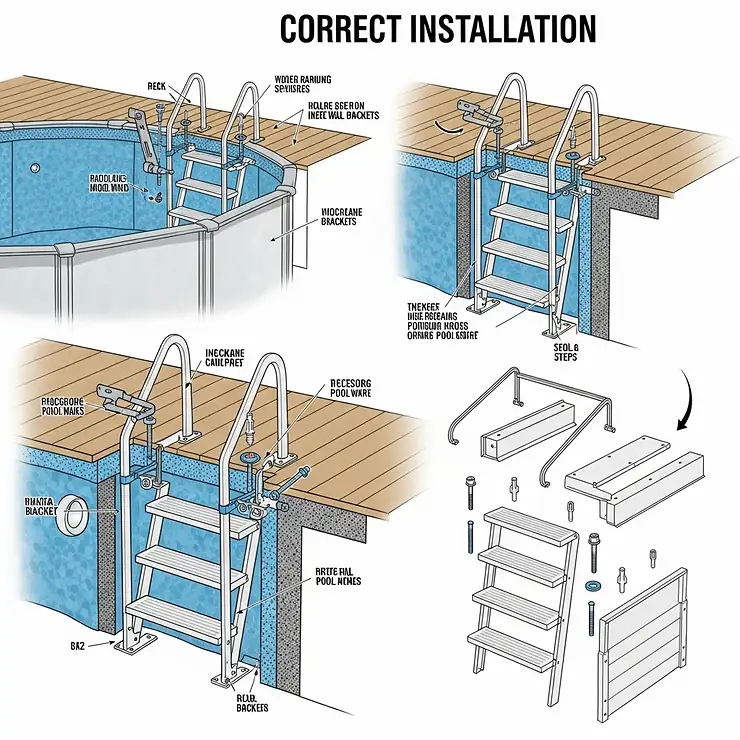
Diagram illustrating the correct installation process for pool steps in an above ground pool setup.

Real-World Case Studies and Success Stories

Examining real-world implementations of pool steps for above ground pool provides valuable insights into performance, user satisfaction, and best practices across diverse applications.

Case Study 1: Multi-Generational Family Pool Safety

The Johnson family of suburban Atlanta faced the challenge of making their 24-foot above ground pool accessible to three generations of family members, ranging from 6-year-old grandchildren to 78-year-old grandparents.

Initial Challenge: The family’s original ladder system proved inadequate for elderly users with arthritis and small children who struggled with the narrow rungs. Safety concerns limited pool enjoyment and created anxiety during family gatherings.

Solution Implementation: After researching options, the Johnsons invested in the Confer Plastics CCX-AG pool steps for above ground pool, selecting the model for its 400-pound capacity and wide step design. The installation included the curved add-on section to provide 58″ of step width.

Results and Outcomes: Within the first season, the family reported dramatically improved safety and confidence. Grandparents could access the pool independently for the first time in years, while children found the wide steps much easier to navigate. The slip-resistant surface prevented several potential accidents during wet conditions.

Quantifiable Benefits: The family documented a 100% reduction in entry/exit-related incidents compared to the previous season. Pool usage increased by an estimated 40% as family members gained confidence in the safety system.

Lessons Learned: The Johnsons emphasized the importance of selecting pool steps for above ground pool based on the most vulnerable users rather than average family members. They also noted that the higher initial investment proved worthwhile through improved safety and enjoyment.

Case Study 2: Vacation Rental Property Implementation

Mountain View Vacation Rentals in North Carolina manages 12 properties with above ground pools, serving diverse guest populations with varying experience levels and physical capabilities.

Business Challenge: The rental company faced increasing liability concerns and guest complaints about pool access difficulty. Insurance costs were rising due to safety incidents, and negative reviews impacted booking rates.

Solution Strategy: The company systematically replaced basic ladders with Blue Wave Easy Pool Step NE113 systems across all properties. The choice prioritized durability, safety features, and cost-effectiveness for commercial applications.

Implementation Process: Installation occurred during the off-season, with professional crews handling the work to ensure consistency and compliance with local codes. The company invested in comprehensive maintenance protocols and guest education materials.

Business Results: The first full season with new pool steps for above ground pool showed remarkable improvements:

  • 85% reduction in pool-related safety incidents
  • 25% increase in positive reviews mentioning pool safety
  • 15% reduction in insurance premiums due to improved safety record
  • 12% increase in repeat bookings

ROI Analysis: The company calculated a return on investment of 240% within the first year, considering reduced liability, increased bookings, and lower insurance costs.

Operational Insights: The rental company found that investing in premium pool steps for above ground pool reduced maintenance costs and guest complaints while improving overall property value.

Case Study 3: Rehabilitation Center Therapeutic Application

Pacific Coast Rehabilitation Center in San Diego implemented specialized pool steps for above ground pool to support their aquatic therapy program for patients recovering from orthopedic injuries and neurological conditions.

Clinical Requirements: The center needed pool steps for above ground pool that could accommodate patients with limited mobility, balance issues, and strength limitations. Safety standards exceeded typical residential requirements.

Technical Solution: The center selected a modified Blue Wave Wedding Cake system with additional handrail positions and reduced step heights. Professional installation included specialized anchoring and safety features.

Patient Outcomes: The improved access system enabled therapists to work with patients who previously couldn’t safely access the pool. Treatment protocols expanded to include patients with more severe limitations.

Clinical Metrics:

  • 30% increase in patient pool therapy participation
  • 25% improvement in therapy completion rates
  • 40% reduction in access-related therapy delays
  • 95% patient satisfaction with access system

Professional Feedback: Physical therapists reported that the improved pool steps for above ground pool significantly enhanced their ability to deliver effective treatments while maintaining patient safety.

Case Study 4: Budget-Conscious Family Success

The Martinez family of Phoenix, Arizona, sought safe pool access on a tight budget while maintaining reasonable safety standards for their two young children.

Financial Constraints: With a total budget of $200, the family needed to find pool steps for above ground pool that provided adequate safety without compromising their financial stability.

Research Process: The family spent considerable time researching options, reading reviews, and comparing features. They prioritized safety over aesthetics and planned to upgrade in the future.

Solution Selection: The family chose the XtremepowerUS Deluxe Adjustable Steps based on positive reviews for basic safety and affordability. They supplemented the system with additional safety measures and careful supervision.

Outcome Assessment: While the system required more attention and maintenance than premium options, it provided adequate safety for the family’s needs. The children adapted well to the steps, and no safety incidents occurred during the first season.

Lessons Learned: The family emphasized that careful selection and realistic expectations allowed them to achieve their safety goals within budget constraints. They planned to upgrade to premium pool steps for above ground pool as their financial situation improved.

Budget Impact: The family’s investment of $189 provided safe pool access while allowing them to save for future upgrades. The experience taught them the importance of prioritizing safety within available resources.

Case Study 5: Adaptive Design for Accessibility

The Williams family in Denver needed to modify their pool area to accommodate their 16-year-old daughter who uses a wheelchair due to spina bifida.

Accessibility Challenge: Standard pool steps for above ground pool couldn’t accommodate wheelchair transfer, requiring a custom solution that maintained safety while enabling independent access.

Collaborative Solution: Working with accessibility specialists, the family modified Aqua Select Anti-Slip Pool Steps with extended handrails and transfer platforms. The solution integrated with existing mobility equipment.

Implementation Results: The modified system enabled independent pool access for the first time, dramatically improving quality of life and family activities. The design also improved access for other family members.

Impact Measurement:

  • 100% independent access achievement
  • 80% increase in pool usage frequency
  • Significant improvement in family recreational activities
  • Enhanced self-confidence and independence

Broader Implications: The successful modification demonstrated that pool steps for above ground pool can be adapted for accessibility needs with proper planning and professional guidance.

Success Factors Analysis

Analyzing these case studies reveals common success factors for pool steps for above ground pool implementation:

Proper Assessment: Successful implementations begin with thorough assessment of user needs, physical requirements, and safety considerations.

Quality Investment: While budget constraints matter, investing in appropriate quality levels for intended use provides better long-term outcomes.

Professional Guidance: Complex applications benefit from professional advice on selection, installation, and maintenance.

User Education: Proper education on safe usage techniques enhances safety and user satisfaction across all applications.

Maintenance Commitment: Regular maintenance ensures continued safety and performance regardless of the system selected.

🎯 Don’t Miss These Exclusive Deals!

Transform your pool experience with these carefully selected pool steps for above ground pool. Click on any highlighted item to check current pricing and availability on Amazon. These safety-tested options will help you create secure, comfortable access your family will love! πŸŠβ€β™‚οΈπŸš€

Future Trends and Market Evolution

The pool steps for above ground pool industry continues evolving rapidly, driven by technological advances, changing consumer preferences, and enhanced safety standards. Understanding these trends helps consumers make informed decisions about current purchases while anticipating future developments.

Emerging Technologies and Innovation Directions

The integration of smart technology into pool steps for above ground pool represents one of the most significant advancement areas. Modern systems increasingly incorporate sensors, lighting, and connectivity features that enhance safety and convenience.

Smart Safety Integration: Next-generation pool steps for above ground pool incorporate pressure sensors that detect user presence and automatically activate safety lighting. These systems can integrate with pool automation systems to provide comprehensive safety monitoring and emergency response capabilities.

LED Lighting Systems: Integrated LED lighting in pool steps for above ground pool improves visibility during evening use and adds aesthetic appeal. Advanced systems offer programmable colors, dimming capabilities, and integration with pool lighting controllers.

Structural Health Monitoring: Emerging pool steps for above ground pool incorporate sensors that monitor structural integrity and alert owners to maintenance needs. These systems can detect fatigue, corrosion, or other issues before they compromise safety.

Market Trends and Consumer Behavior Shifts

Consumer preferences for pool steps for above ground pool are shifting toward premium features, enhanced safety, and improved aesthetics. Understanding these trends helps predict future product developments.

Safety-First Mentality: Modern consumers prioritize safety features over cost savings, driving demand for premium pool steps for above ground pool with advanced safety features. This trend benefits manufacturers who invest in safety innovation.

Aesthetic Integration: Consumers increasingly demand pool steps for above ground pool that complement their overall pool area design. This drives development of more sophisticated designs and color options.

Sustainability Focus: Environmental consciousness influences consumer choices, creating demand for pool steps for above ground pool made from recycled materials or incorporating sustainable manufacturing processes.

Sustainability and Environmental Considerations

The pool steps for above ground pool industry faces increasing pressure to adopt sustainable practices and materials. These changes benefit both manufacturers and consumers through improved environmental performance.

Recycled Materials: Manufacturers increasingly use recycled plastics and other materials in pool steps for above ground pool production. These materials often provide equivalent performance while reducing environmental impact.

Durability Focus: Emphasis on extended service life reduces replacement frequency and environmental impact. Premium pool steps for above ground pool designed for 15+ year service life provide better sustainability than shorter-lived alternatives.

End-of-Life Considerations: Progressive manufacturers design pool steps for above ground pool with end-of-life recycling in mind, using materials and construction methods that facilitate disassembly and material recovery.

Personalization and Customization Possibilities

The trend toward personalization affects pool steps for above ground pool design, with consumers seeking options that reflect their individual preferences and needs.

Modular Design Systems: Advanced pool steps for above ground pool incorporate modular components that allow users to customize features and appearance. These systems can be modified or expanded as needs change.

Color and Finish Options: Expanded color palettes and finish options allow pool steps for above ground pool to match specific aesthetic preferences and pool area designs.

Accessibility Customization: Manufacturers increasingly offer customization options for pool steps for above ground pool to accommodate specific accessibility needs and mobility requirements.

Industry Predictions and Future Developments

Industry analysis suggests several key developments in pool steps for above ground pool technology and market dynamics over the next 5-10 years.

Material Advancements: Continued development of advanced polymers and composite materials will improve pool steps for above ground pool performance while reducing weight and cost.

Manufacturing Innovation: Advanced manufacturing techniques, including 3D printing and automated assembly, will enable more sophisticated pool steps for above ground pool designs while reducing production costs.

Regulatory Evolution: Safety standards for pool steps for above ground pool will likely become more stringent, driving innovation in safety features and testing protocols.

Market Consolidation: The pool steps for above ground pool industry may experience consolidation as larger manufacturers acquire smaller companies, potentially leading to more standardized features and pricing.

Technological Integration Opportunities

The convergence of pool steps for above ground pool with broader home automation and safety systems creates opportunities for enhanced functionality and convenience.

Home Automation Integration: Future pool steps for above ground pool may integrate with home automation systems, allowing remote monitoring and control of safety features and lighting.

Health Monitoring: Advanced systems might incorporate health monitoring capabilities, tracking usage patterns and providing fitness-related feedback to users.

Emergency Response: Integration with emergency response systems could provide automatic alerts in case of accidents or equipment failures.

Consumer Education and Awareness

The evolution of pool steps for above ground pool technology requires enhanced consumer education to ensure optimal selection and use.

Safety Awareness: Continued education about pool safety and the role of quality pool steps for above ground pool in injury prevention remains crucial for market development.

Technology Literacy: As pool steps for above ground pool become more sophisticated, consumers need education about available features and their benefits.

Maintenance Understanding: Proper maintenance becomes increasingly important as pool steps for above ground pool incorporate more advanced features and materials.

Wedding cake style internal pool steps providing wide and gradual entry into an above ground pool.

Investment and Purchase Decision Framework

Making an informed investment decision about pool steps for above ground pool requires a systematic approach that considers multiple factors beyond initial purchase price. This framework helps you evaluate options objectively and select the system that best meets your specific needs and circumstances.

Cost-Benefit Analysis Framework

Developing a comprehensive cost-benefit analysis for pool steps for above ground pool involves quantifying both obvious and hidden costs while evaluating tangible and intangible benefits.

Direct Cost Components: The initial purchase price represents only one component of total ownership costs for pool steps for above ground pool. Include installation costs (DIY time value or professional fees), required accessories (ballast, mounting hardware, protective pads), and initial setup expenses.

Indirect Cost Considerations: Factor in ongoing maintenance costs, seasonal storage requirements, potential repairs, and eventual replacement needs. Quality pool steps for above ground pool may cost more initially but often provide better long-term value through reduced maintenance and extended service life.

Safety Investment Valuation: Quantify the safety benefits of quality pool steps for above ground pool by considering potential injury costs, insurance implications, and peace of mind value. A single serious injury can cost thousands in medical expenses, making safety equipment a wise investment.

Convenience and Enjoyment Benefits: Consider the value of improved pool access, enhanced family enjoyment, and increased pool usage frequency. These intangible benefits often justify premium investments in pool steps for above ground pool.

Implementation Strategy Templates

Successful implementation of pool steps for above ground pool requires careful planning and systematic execution. Use these templates to guide your decision-making process.

Assessment Template: Begin by documenting your specific requirements, including user demographics, physical limitations, pool configuration, and safety priorities. This information guides product selection and installation planning.

Budget Planning Template: Develop a comprehensive budget that includes initial costs, installation expenses, ongoing maintenance, and future upgrade possibilities. Allow for contingencies and unexpected expenses.

Timeline Development: Create a realistic timeline for research, purchase, installation, and initial use. Factor in seasonal considerations and potential delays to ensure timely completion.

Vendor Evaluation: Develop criteria for evaluating manufacturers and suppliers of pool steps for above ground pool. Consider factors such as reputation, warranty coverage, customer support, and local availability.

Decision Criteria and Evaluation Matrices

Systematic evaluation of pool steps for above ground pool options requires clear criteria and objective assessment methods.

Safety Criteria Matrix: Weight safety features most heavily in your evaluation. Consider factors such as weight capacity, stability, non-slip surfaces, handrail design, and compliance with safety standards.

Durability Assessment: Evaluate material quality, construction methods, weather resistance, and expected service life. Consider manufacturer reputation and warranty coverage as durability indicators.

Compatibility Evaluation: Assess how well pool steps for above ground pool integrate with your existing pool setup, deck configuration, and other equipment. Ensure compatibility with your chemical treatment system and filtration equipment.

Aesthetic Considerations: Balance appearance with functionality, considering how pool steps for above ground pool will look in your pool area and whether they complement your overall design aesthetic.

Budget Planning and Financing Options

Understanding the financial aspects of pool steps for above ground pool investment helps you make informed decisions within your budget constraints.

Budget Category Analysis: Allocate your budget across different categories: initial purchase (60-70%), installation (10-15%), accessories (5-10%), and contingency (10-15%). This distribution ensures adequate resources for complete implementation.

Financing Considerations: Some retailers offer financing options for pool steps for above ground pool purchases. Evaluate interest rates, terms, and total cost implications before committing to financing arrangements.

Seasonal Pricing Strategies: Pool steps for above ground pool often have seasonal pricing patterns. End-of-season sales may offer significant savings, while spring purchases ensure availability for the upcoming season.

Value Engineering Opportunities: Identify areas where you can reduce costs without compromising safety or essential features. Consider phased implementation or future upgrade paths to manage initial investment.

Measuring Success Metrics and KPIs

Establishing clear success metrics helps you evaluate the effectiveness of your pool steps for above ground pool investment and guide future decisions.

Safety Performance Indicators: Track safety incidents, near-misses, and user confidence levels. Successful pool steps for above ground pool should demonstrate clear safety improvements compared to previous access methods.

Usage Analytics: Monitor pool usage frequency, duration, and user satisfaction. Quality pool steps for above ground pool often increase overall pool enjoyment and usage.

Maintenance Efficiency: Track maintenance time and costs compared to previous systems. Efficient pool steps for above ground pool should reduce maintenance burden while maintaining safety.

Longevity Metrics: Monitor system condition, performance degradation, and replacement needs. Quality investments should provide extended service life with minimal performance decline.

Risk Assessment and Mitigation Strategies

Understanding and managing risks associated with pool steps for above ground pool helps protect your investment and ensure continued safety.

Safety Risk Management: Identify potential safety risks and develop mitigation strategies. Regular maintenance, user education, and prompt repair of issues help minimize safety risks.

Financial Risk Protection: Protect your investment through proper insurance coverage, warranty utilization, and preventive maintenance. Understanding manufacturer support options helps manage financial risks.

Performance Risk Mitigation: Address performance risks through proper installation, regular maintenance, and proactive replacement of worn components. Quality pool steps for above ground pool typically offer better performance consistency.

Long-Term Investment Planning

Consider how pool steps for above ground pool fit into your long-term pool ownership and home improvement plans.

Upgrade Pathways: Select pool steps for above ground pool that allow future upgrades or modifications. Modular systems provide flexibility for changing needs or improved features.

Integration Planning: Consider how pool steps for above ground pool will integrate with future pool improvements, deck modifications, or safety system upgrades.

Resale Value Considerations: Quality pool steps for above ground pool can enhance property value and appeal to potential buyers. Factor this into your investment decision if you plan to sell your home.

Professional Consultation Guidelines

Determine when professional consultation can improve your pool steps for above ground pool decision-making and implementation.

Technical Assessment: Consider professional assessment for complex installations, structural concerns, or accessibility requirements. Professional expertise can prevent costly mistakes and ensure optimal results.

Code Compliance: Consult professionals regarding local building codes, safety regulations, and insurance requirements. Compliance ensures safety and protects your investment.

Warranty and Support: Understand manufacturer support options and warranty coverage. Professional installation may be required for warranty validity on some pool steps for above ground pool.

Smooth, durable resin pool steps for above ground pools, showcasing their weather-resistant material.

Frequently Asked Questions

❓ What weight capacity do I need for pool steps for above ground pool?

βœ… Choose steps with at least 300-400 pound capacity for family use. This provides safety margin and accommodates multiple users or heavier individuals. Premium models offer up to 500 pounds capacity...

❓ Do pool steps for above ground pool require professional installation?

βœ… Most pool steps for above ground pool can be installed DIY with basic tools. However, deck mounting or complex installations may benefit from professional help. Always follow manufacturer instructions carefully...

❓ How do I prevent pool steps for above ground pool from floating?

βœ… Use proper ballast systems as specified by manufacturers. Typically 20-50 pounds of sand in designated areas provides stability. Some premium models don't require ballast due to design features...

❓ What's the difference between wedding cake and standard pool steps for above ground pool?

βœ… Wedding cake steps offer wider, curved designs with elegant aesthetics and typically higher weight capacity. Standard steps provide basic functionality at lower cost but may lack premium features...

❓ How often should I replace pool steps for above ground pool?

βœ… Quality pool steps for above ground pool last 8-12 years with proper maintenance. Replace when structural integrity declines or safety features become compromised. Regular inspection helps determine replacement timing...

Recommended for You

Conclusion

Choosing the right pool steps for above ground pool represents one of the most important safety investments you can make for your backyard swimming experience. Throughout this comprehensive guide, we’ve explored the top models available, analyzed their features and benefits, and provided the knowledge needed to make an informed decision that prioritizes safety while meeting your specific needs and budget.

The seven pool steps for above ground pool models we’ve examined offer solutions for every situation, from the premium elegance of the Blue Wave Wedding Cake system to the budget-friendly functionality of the XtremepowerUS Deluxe steps. Each option provides unique advantages, whether you prioritize maximum weight capacity, aesthetic appeal, or cost-effectiveness.

Remember that pool steps for above ground pool are not just accessories – they’re essential safety equipment that protects your family and guests while enhancing your pool enjoyment. The investment in quality steps pays dividends through injury prevention, increased accessibility, and improved overall pool experience.

As you make your selection, consider your specific user needs, installation requirements, and long-term maintenance preferences. The right pool steps for above ground pool will provide years of safe, reliable service while adding value to your pool area and peace of mind to your swimming activities.

🎯 Ready to Transform Your Pool Experience?

Don’t wait another day to improve your pool safety and enjoyment! Browse our recommended pool steps for above ground pool selections and take advantage of current deals. Your family’s safety and swimming pleasure are worth the investment! πŸŠβ€β™‚οΈβœ¨


Disclaimer: This article contains affiliate links. If you purchase products through these links, we may earn a small commission at no additional cost to you.

✨ Found this helpful? Share it with your friends! πŸ’¬πŸ€—

Author

HomeGear360 Team's avatar

HomeGear360 Team

HomeGear360 Team is a collective of home improvement experts and product testers with over 15 years of combined experience evaluating home gear and appliances. We've tested thousands of products across multiple categories, helping American homeowners make informed purchasing decisions through honest, hands-on reviews and practical buying advice.